

 中文简体
中文简体 Español
Content
- 1 What Is Solid Color Polyester Linen Fabric?
- 2 Fiber Composition and Construction Variants
- 3 Key Performance Properties
- 4 Primary Applications Across Industries
- 5 Color Selection and Dyeing Considerations
- 6 Standard Fabric Specifications to Evaluate
- 7 Care and Maintenance Guidelines
- 8 Sourcing Tips for Buyers and Manufacturers
What Is Solid Color Polyester Linen Fabric?
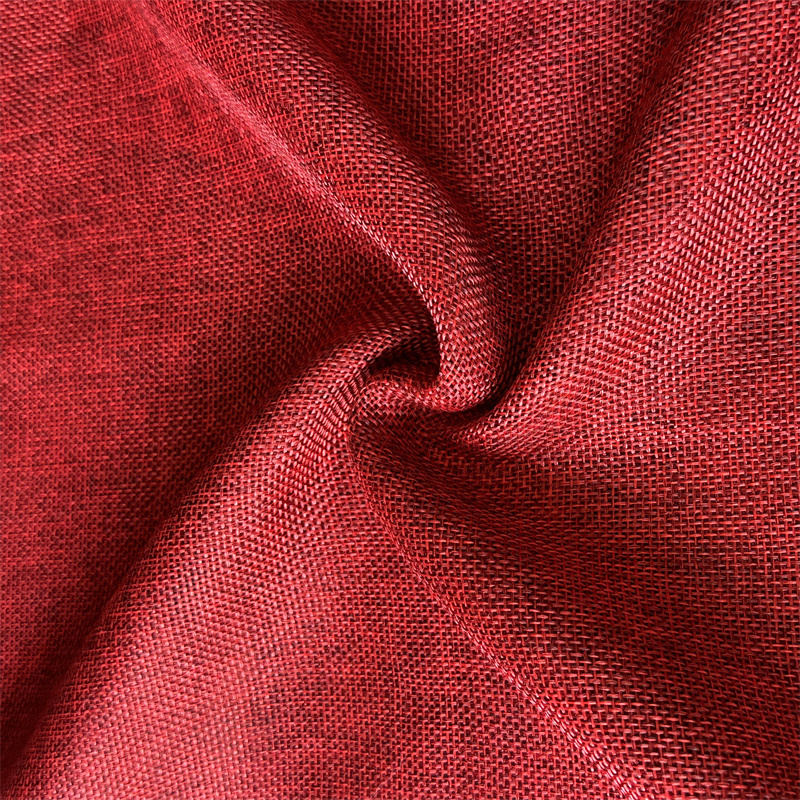
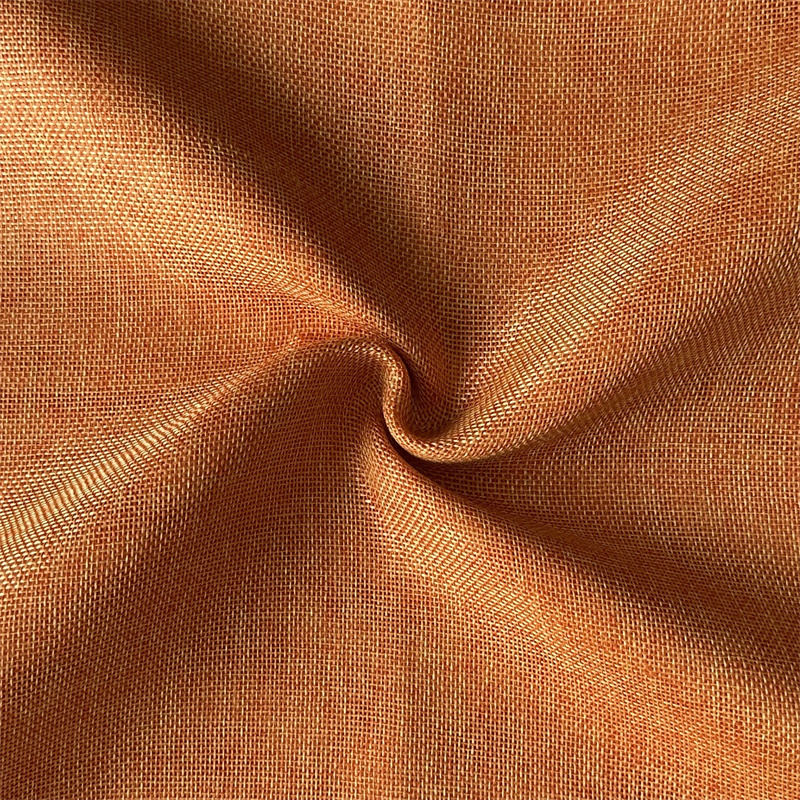
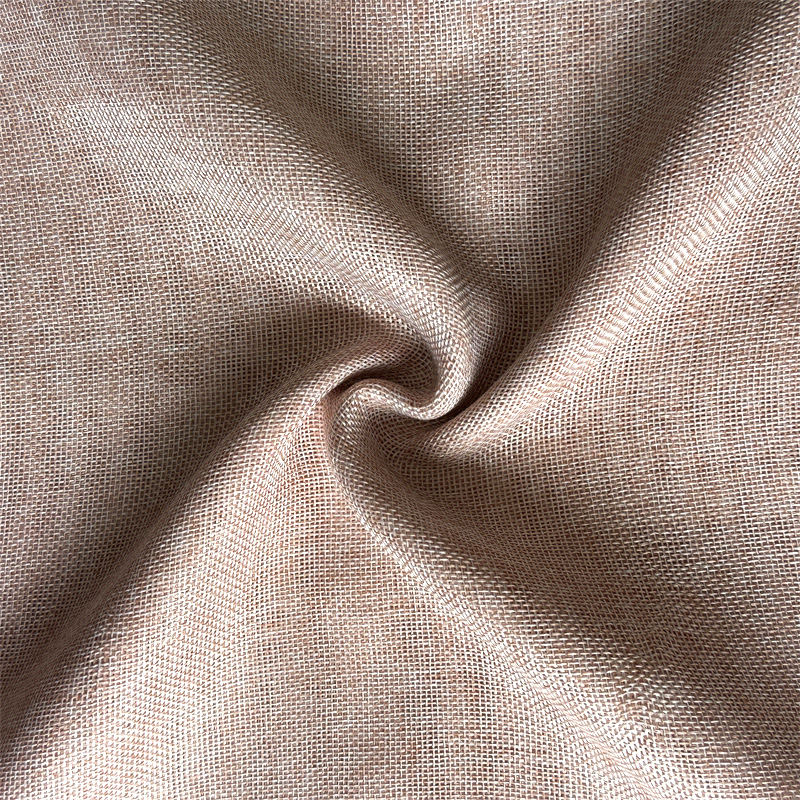
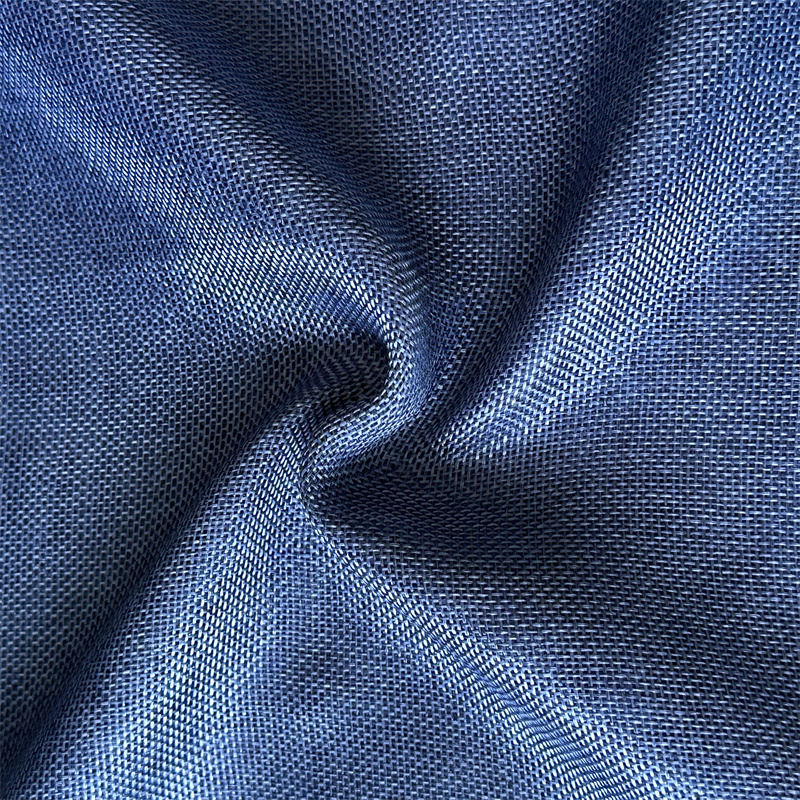
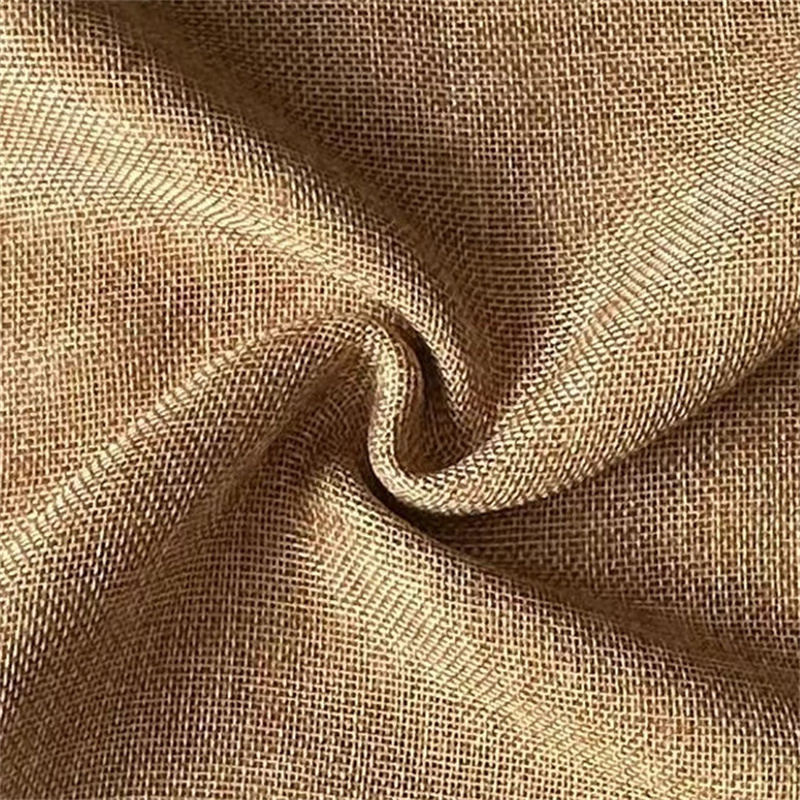
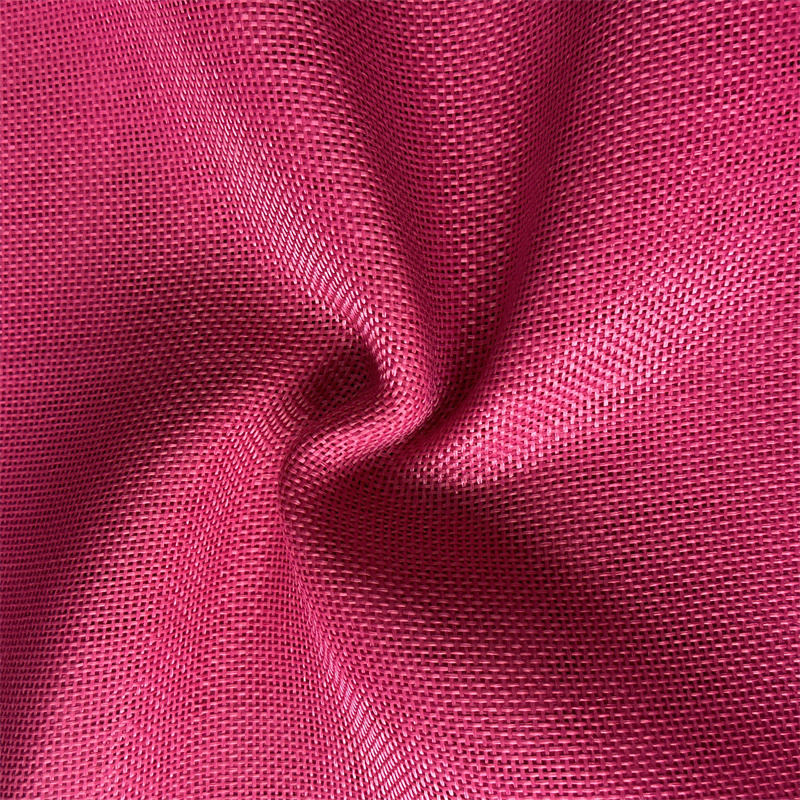
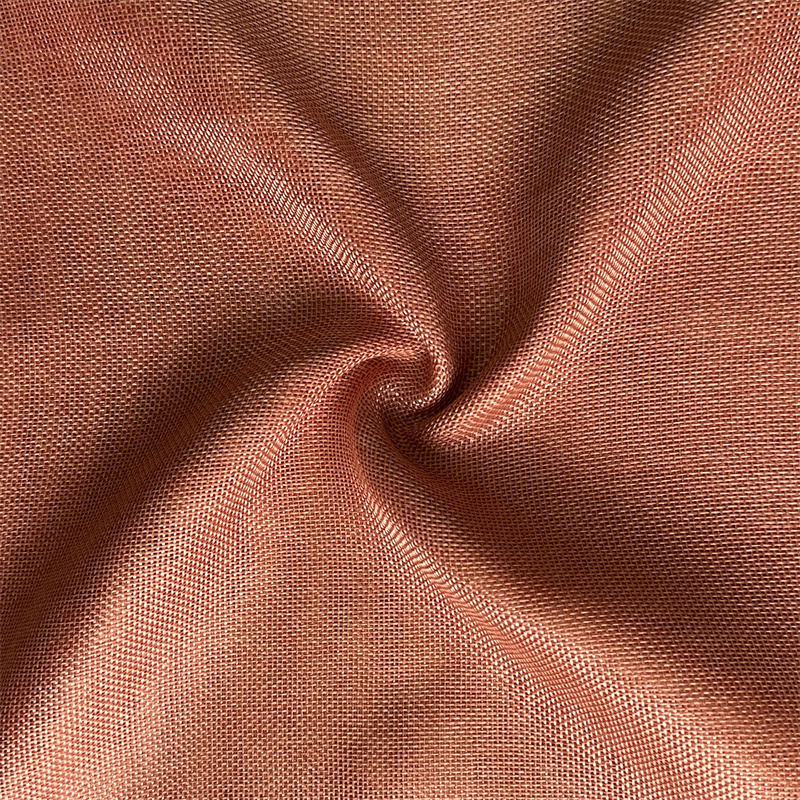
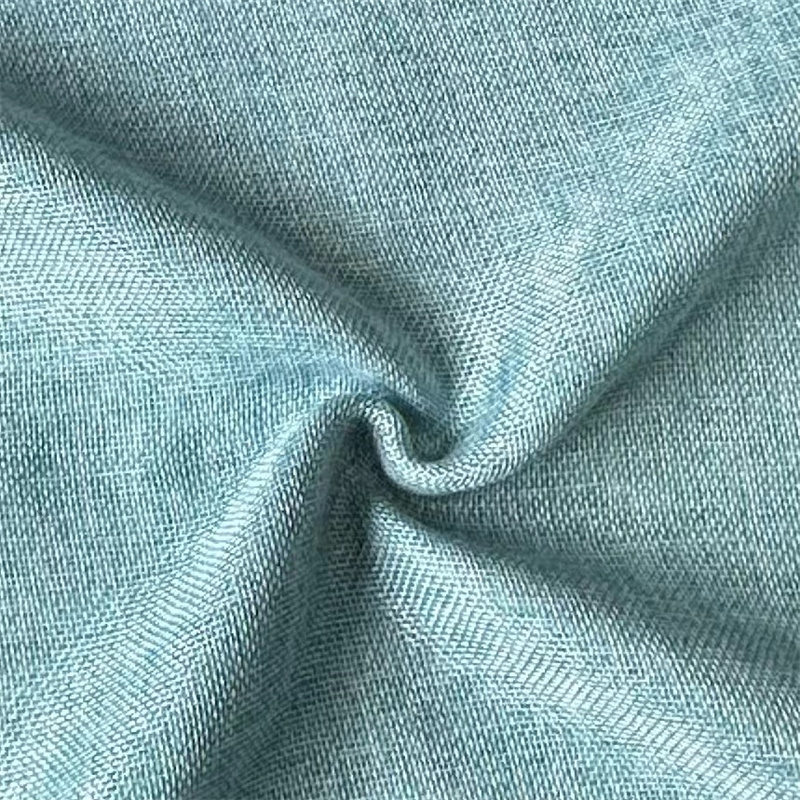
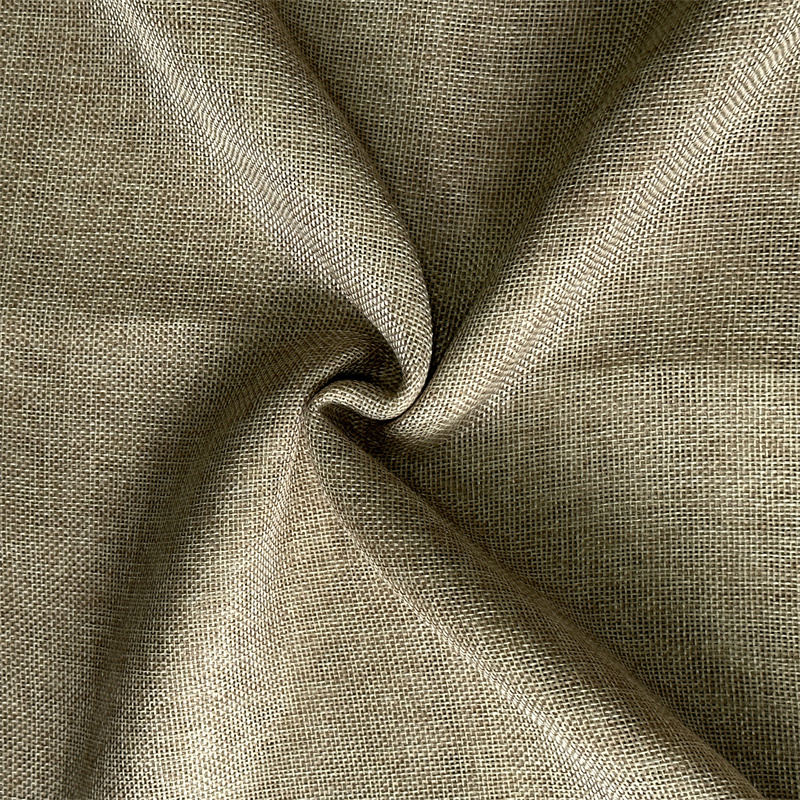
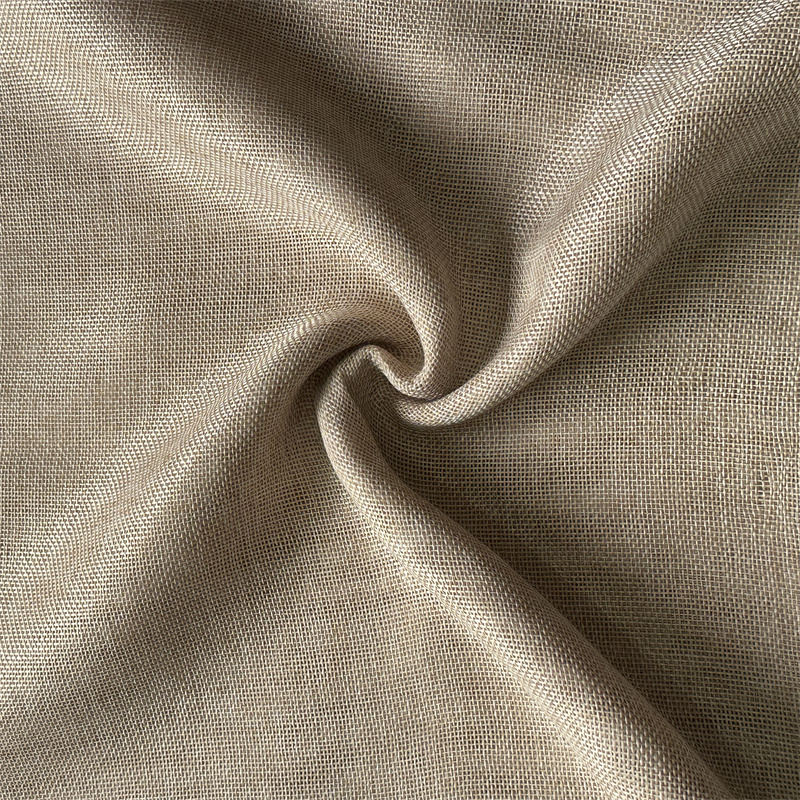
Solid color polyester linen fabric is a blended or imitation textile that combines the visual and tactile qualities of natural linen with the practical performance benefits of polyester. In many cases, this fabric is crafted entirely from polyester fibers engineered to mimic the texture, appearance, and drape of linen, while in other constructions it involves a true polyester-linen blend. The result is a fabric with a characteristic slubbed texture, matte surface finish, and clean color presentation that appeals to both interior designers and apparel manufacturers.
The "solid color" designation distinguishes it from printed or yarn-dyed varieties. Solid color versions are produced either through piece dyeing — where the finished fabric is immersed in a dye bath — or through solution dyeing methods that embed pigment into the fiber before extrusion. The uniformity of color across the entire fabric surface is a key selling point, making it easy to coordinate with other materials in upholstery, curtain, or garment projects. This fabric is widely used across home furnishing, fashion, and commercial interior sectors due to its aesthetic versatility and manageable cost structure.
Fiber Composition and Construction Variants
Understanding the composition of solid color polyester linen fabric is essential for making informed purchasing decisions. The most common constructions include:
- 100% Polyester Linen-Look Fabric: Made entirely from polyester filament or staple fiber with a linen-like texture engineered through weave structure and surface treatment. Offers maximum durability, wrinkle resistance, and colorfastness at the lowest cost.
- Polyester-Linen Blend (e.g., 55% Linen / 45% Polyester): Incorporates genuine linen fibers for improved breathability and natural texture while polyester improves strength and reduces shrinkage. Preferred for premium apparel and high-end home textiles.
- Polyester-Cotton-Linen Blend: A three-fiber construction that adds softness from cotton while maintaining the structural advantages of both polyester and linen. Common in lightweight curtain fabrics and shirt materials.
The weave structure also plays a significant role in the final appearance and performance. Plain weave constructions produce a flat, clean surface ideal for solid colors, while slub weave variants introduce irregular texture that closely replicates the natural irregularities found in pure linen. Buyers should clarify the fiber composition percentage and weave type with suppliers, as these factors directly affect care requirements, durability, and end-use suitability.
Key Performance Properties
Solid color polyester linen fabric offers a balanced set of functional properties that explain its widespread adoption across multiple industries. The following table summarizes its core performance characteristics compared to pure linen:
| Property | Polyester Linen Fabric | Pure Linen Fabric |
| Wrinkle Resistance | High | Low |
| Shrinkage | Minimal | Moderate to High |
| Colorfastness | Excellent | Good |
| Breathability | Moderate | Excellent |
| Durability | Very High | High |
| Cost | Low to Moderate | Moderate to High |
| Care Ease | Easy (machine washable) | Requires care |
The superior wrinkle resistance of polyester linen fabric is particularly valued in hospitality and commercial settings where fabrics must look presentable with minimal maintenance. The dimensional stability — meaning it retains its shape and size after repeated washing — reduces replacement frequency and total cost of ownership over time.
Primary Applications Across Industries
The versatility of solid color polyester linen fabric is reflected in the breadth of its applications. Its clean aesthetic and durable construction make it suitable for both functional and decorative purposes.
Home Furnishing and Interior Décor
This is by far the largest application sector. Solid color polyester linen fabric is extensively used for curtains, drapes, sofa upholstery, cushion covers, table runners, and bed skirts. The solid color format makes it straightforward to coordinate with existing interior color schemes, and the fabric's texture adds visual depth without introducing competing patterns. For curtains in particular, the fabric's moderate weight and slight opacity provide effective light diffusion while maintaining a refined, contemporary appearance.
Apparel and Fashion
In the fashion segment, solid color polyester linen is used for casual trousers, blazers, summer shirts, skirts, and loose-fit dresses. Its linen-like texture gives garments a relaxed, natural aesthetic that is currently on-trend across both menswear and womenswear categories. The easy-care properties — specifically resistance to wrinkling and the ability to machine wash — make it more practical than pure linen for everyday fashion items, particularly in warm-climate markets.
Commercial and Hospitality Interiors
Hotels, restaurants, and event venues frequently specify solid color polyester linen fabric for table linens, chair covers, wall panels, and decorative partitions. The fabric's durability under high-frequency laundering, combined with its ability to maintain color consistency across large orders, makes it an operationally and visually reliable choice for commercial buyers who need to outfit large numbers of identical furnishing pieces.
Craft, DIY, and Small-Scale Production
Solid color polyester linen is also popular in the craft and handmade market. It is commonly used for tote bags, storage baskets, picture frames, book covers, and hand-sewn home accessories. Its ease of cutting and sewing, combined with its presentable finish without extensive finishing treatment, makes it accessible to both amateur crafters and small-batch manufacturers.
Color Selection and Dyeing Considerations
The solid color characteristic of this fabric demands careful attention to dyeing quality during sourcing. For polyester-dominant fabrics, disperse dyes are the standard, and they produce excellent depth of shade and wash fastness. Common color families available in the market include:
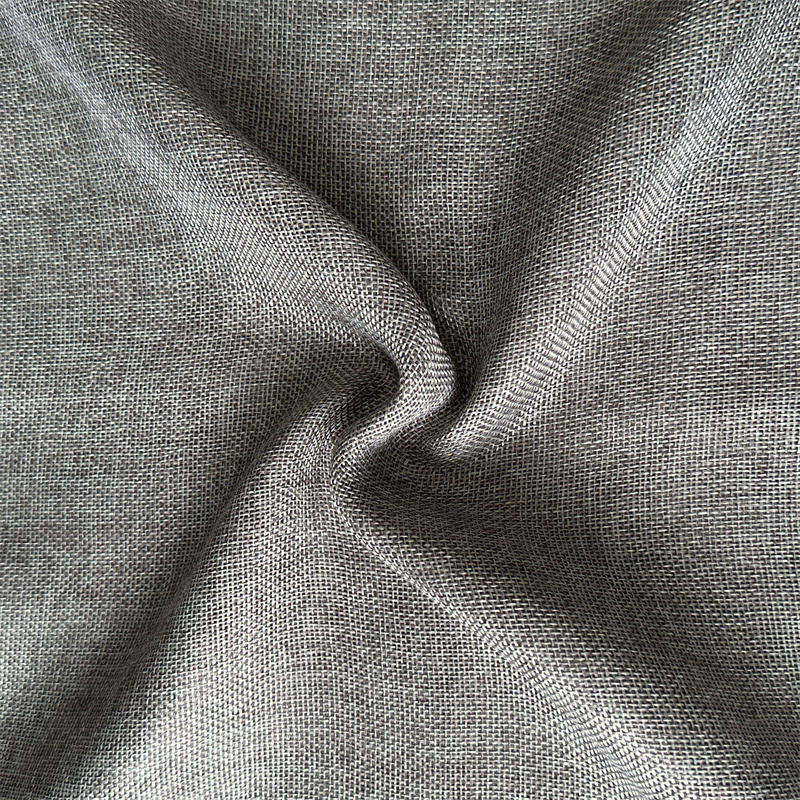
- Neutral and natural tones: off-white, beige, ivory, sand, camel, and warm grey — the most popular for home décor
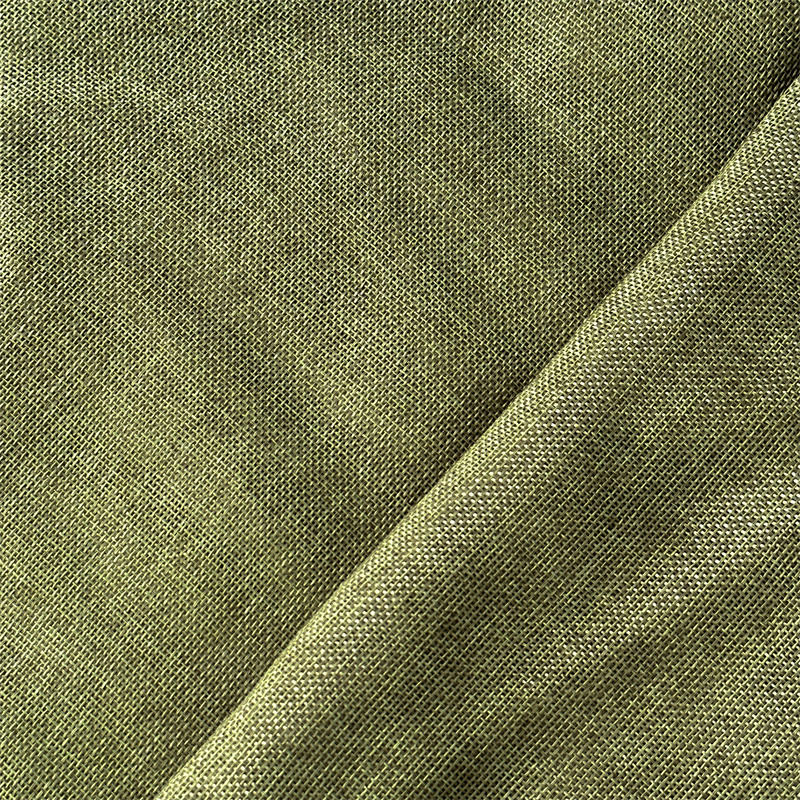
- Deep earth tones: terracotta, rust, olive green, chocolate brown — trending strongly in contemporary interior design
- Cool neutrals: charcoal, slate blue, dusty rose, sage — common in Scandinavian and minimalist design styles
- Bold and statement colors: navy, forest green, burgundy, mustard — used for accent pieces and fashion applications
Buyers ordering large quantities should request lab-dip approval prior to bulk production to ensure the actual fabric color matches the target shade under both natural and artificial lighting conditions. Metameric color shifts — where a color appears different under different light sources — are a known issue with certain polyester dye combinations, and pre-production verification prevents costly rejections.
Standard Fabric Specifications to Evaluate
When evaluating solid color polyester linen fabric for a specific project, several technical specifications should be reviewed and confirmed with the supplier before procurement:
- Weight (GSM): Typical weight ranges from 150 GSM for lightweight curtain and apparel use to 280–350 GSM for upholstery and heavy drapery. Heavier weights offer greater durability and better drape for furnishing applications.
- Width: Standard widths are 110 cm, 150 cm, and 280 cm (the latter being specifically designed for curtain fabric without vertical seams).
- Weave type: Plain weave for smooth surfaces, slub weave for textured linen-look appearance.
- Thread count and yarn density: Higher thread counts produce tighter, more durable fabric with a finer surface; lower counts create a more open, breathable structure.
- Finishing treatments: Options include anti-static, anti-pilling, flame retardant (FR), water repellent (WR), or UV-resistant coatings depending on the end-use environment.
Care and Maintenance Guidelines
One of the practical advantages of solid color polyester linen fabric is its ease of care compared to natural linen. Most constructions with a high polyester content can be machine washed at 30–40°C with a gentle cycle. Tumble drying at low heat is generally acceptable, and the fabric's inherent wrinkle resistance means ironing is rarely necessary. However, for blends with a higher linen content, the following care practices are recommended to extend the life of the fabric:
- Wash separately or with similar colors on the first wash to prevent any minor dye transfer
- Avoid high-temperature washing above 60°C to prevent fiber degradation and potential shrinkage in linen-blend constructions
- Use mild, pH-neutral detergents to preserve color vibrancy over repeated wash cycles
- If ironing is needed, use a medium heat setting and avoid direct high-heat contact on the fabric surface
Sourcing Tips for Buyers and Manufacturers
For buyers sourcing solid color polyester linen fabric at scale, supplier qualification is a critical step. Prioritize suppliers who can provide consistent batch-to-batch color uniformity, as solid color fabrics are particularly sensitive to shade variation across production runs. Request fabric swatches from multiple production batches — not just a single sample — to assess consistency before committing to a supplier relationship.
Additionally, verify that the supplier holds relevant quality and compliance certifications such as OEKO-TEX Standard 100, which ensures that the fabric is free from harmful chemical residues — an increasingly important requirement for products sold into European and North American markets. For upholstery applications, also confirm whether the fabric meets relevant fire safety standards such as BS 5852 (UK) or California TB 117 (US). Establishing clear specifications in a purchase agreement, including acceptable tolerance ranges for GSM, width, and color deviation, protects both parties and reduces the likelihood of disputes upon delivery.