

 中文简体
中文简体 Español
Content
- 1 What Is Imitation Silk Fabric?
- 2 Common Types of Imitation Silk Fabric
- 3 Imitation Silk vs. Real Silk: A Practical Comparison
- 4 Key Applications of Imitation Silk Fabric
- 5 How to Identify Imitation Silk Fabric
- 6 Care and Maintenance of Imitation Silk Fabric
- 7 Buying Guide: Choosing the Right Imitation Silk for Your Needs
What Is Imitation Silk Fabric?
Imitation silk fabric refers to any textile engineered to replicate the visual and tactile characteristics of genuine silk without using silkworm-derived fibers. Real silk, produced by Bombyx mori silkworms, has been prized for thousands of years for its natural luster, smooth hand feel, lightweight drape, and temperature-regulating properties. However, its high production cost, labor-intensive harvesting process, and delicate care requirements have driven the development of synthetic and semi-synthetic alternatives that closely mimic its appearance and feel at a fraction of the price.
Today, imitation silk fabric is produced from a variety of fiber sources including polyester, rayon, nylon, acetate, and cupro. Each of these materials captures different aspects of silk's character, and each comes with its own distinct set of performance properties, care requirements, and price points. Understanding the differences between these types is essential for manufacturers, designers, and consumers who want the aesthetic appeal of silk without the associated cost or maintenance challenges.
Common Types of Imitation Silk Fabric
The imitation silk fabric market is not a single product category but a diverse range of materials, each suited to different applications. The most widely used types are outlined below.
Polyester Silk (Satin Weave Polyester)
Polyester is the most prevalent base fiber for imitation silk globally. When woven using a satin weave structure — where weft threads float over multiple warp threads — polyester produces a fabric with a high-gloss front surface and a dull back, closely resembling the sheen of real silk satin. Polyester imitation silk is highly durable, resistant to wrinkles, colorfast, and machine washable, making it the most practical choice for everyday applications. It is widely used in linings, eveningwear, bridal fabrics, curtains, and bed sheets. The main limitation is breathability: polyester does not absorb moisture effectively, which can make garments feel less comfortable against the skin in warm conditions.
Rayon (Viscose) Silk
Rayon, also known as viscose, is a semi-synthetic fiber derived from cellulose — typically wood pulp. It is chemically processed into a smooth, continuous filament that produces a soft, fluid fabric with excellent drape and a subtle natural luster. Rayon imitation silk is breathable and moisture-absorbent, giving it a comfort profile much closer to real silk than polyester. It is frequently used in blouses, dresses, scarves, and lingerie. However, rayon is less durable than polyester — it weakens significantly when wet — and tends to wrinkle easily and shrink if not handled carefully.
Acetate Silk
Acetate is another cellulose-derived fiber that produces a fabric with a crisp, luxurious drape and bright surface sheen that is often considered the closest synthetic equivalent to real silk in terms of visual appearance. Acetate imitation silk is lightweight and holds its shape well, making it a popular choice for formal wear linings, evening gowns, and structured fashion garments. Its main weaknesses are sensitivity to heat and acetone-based substances (which can dissolve the fiber), and moderate durability compared to polyester or nylon alternatives.
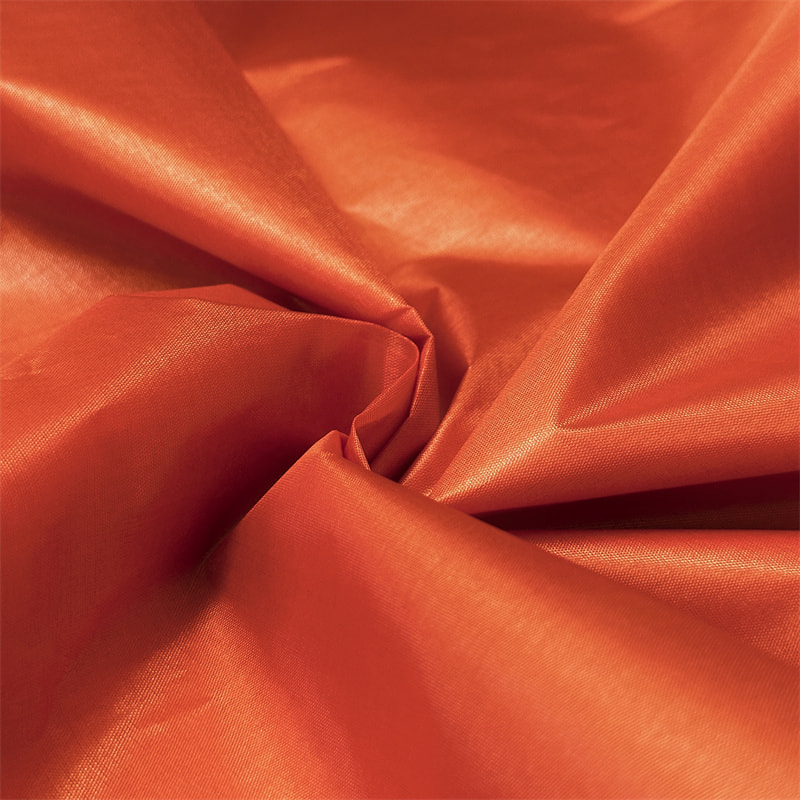
Nylon Silk
Nylon-based imitation silk fabrics are valued for their exceptional strength, elasticity, and resistance to abrasion. Nylon produces a smooth, semi-lustrous fabric with good drape and a soft hand feel. It is commonly used in hosiery, activewear linings, swimwear, and lightweight scarves. While nylon is more durable than rayon or acetate and recovers well from stretching, it is less breathable than natural or semi-natural fibers and can generate static electricity.
Cupro (Bemberg Silk)
Cupro, commercially known as Bemberg, is a regenerated cellulose fiber made from cotton linter — a byproduct of cotton processing. It is considered a premium imitation silk due to its exceptionally smooth texture, breathability, and biodegradability. Cupro drapes beautifully and is antistatic, making it an excellent lining material for luxury garments. It is often marketed as an eco-friendlier alternative to synthetic silk linings and commands a higher price point than standard polyester or rayon alternatives.
Imitation Silk vs. Real Silk: A Practical Comparison
For buyers trying to determine whether imitation silk meets their requirements, a direct comparison against genuine silk across key performance dimensions is helpful:
| Feature | Real Silk | Imitation Silk (Polyester) | Imitation Silk (Rayon) |
| Luster | Natural, multi-dimensional | Bright, uniform | Soft, subtle |
| Breathability | Excellent | Poor | Good |
| Durability | Moderate | High | Moderate |
| Wrinkle Resistance | Low | High | Low |
| Care Requirements | Delicate, dry clean | Easy, machine wash | Hand wash preferred |
| Cost | High | Low | Low to Moderate |
| Eco Impact | Natural, biodegradable | Non-biodegradable | Partially biodegradable |
Key Applications of Imitation Silk Fabric
Imitation silk fabric is used across a remarkably wide range of product categories. Its versatility stems from the availability of multiple fiber types and fabric constructions, each suited to specific performance demands.
Fashion and Apparel
In the fashion industry, imitation silk is used extensively for evening gowns, cocktail dresses, blouses, skirts, ties, scarves, and lingerie. Polyester charmeuse and satin are particularly popular for bridal and formalwear collections where the visual effect of silk is desired at a commercially viable cost. Rayon-based imitation silk is preferred for casual and resort wear where breathability and natural drape are priorities. Many fast-fashion and mid-market brands rely entirely on polyester imitation silk to deliver luxury-looking collections at accessible price points.
Linings and Interlinings
Lining fabric is one of the largest volume applications for imitation silk. A smooth, low-friction lining improves the wearability of structured garments such as suits, coats, and tailored jackets. Acetate and cupro are the traditional premium choices for garment linings due to their antistatic properties and comfort, while polyester linings dominate the mass-market segment due to cost efficiency and durability.
Home Furnishing and Décor
Imitation silk fabric in satin or jacquard constructions is widely used for cushion covers, curtains, bedding sets, table runners, and decorative accessories. Its lustrous surface adds visual elegance to interior spaces without the fragility and cost associated with real silk. Polyester-based imitation silk is the dominant choice for home furnishing due to its durability, ease of cleaning, and resistance to fading under light exposure.
Scarves, Accessories, and Gift Items
Printed polyester imitation silk is the standard material for fashion scarves, pocket squares, hair accessories, and gift wrapping ribbons. Digital printing on polyester satin produces vibrant, detailed imagery that closely resembles printed silk at a significantly lower price, making it commercially attractive for promotional items, branded accessories, and fashion retail.
How to Identify Imitation Silk Fabric
Distinguishing imitation silk from genuine silk is an important skill for buyers, quality inspectors, and consumers. Several practical tests can help identify the fiber content of an unlabeled fabric:
- Burn test: Real silk burns slowly, self-extinguishes when removed from the flame, and produces a fine, crushable ash with a smell similar to burned hair. Polyester imitation silk melts rather than burns, produces black smoke, and leaves hard, plastic-like beads. Rayon burns quickly with a smell similar to burning paper and leaves almost no ash.
- Hand feel test: Real silk warms quickly when held in the palm and feels cool against the skin. Polyester imitation silk tends to feel slightly warmer and has a more uniform, plasticky smoothness. Rayon feels softer and cooler but lacks the subtle resistance of real silk.
- Luster observation: Real silk has a multi-tonal shimmer that shifts with viewing angle. Polyester imitation silk has a more uniform, flat gloss. Examining the fabric under natural light at different angles can reveal this distinction.
- Price indicator: At commercial scale, real silk fabric typically costs between USD 15–60 per meter depending on weight and quality. Polyester imitation silk is commonly priced between USD 1.5–6 per meter. A fabric priced significantly below market rate for real silk is almost certainly an imitation.
Care and Maintenance of Imitation Silk Fabric
Proper care significantly extends the lifespan and appearance of imitation silk garments and home textiles. Care requirements vary by fiber type, so checking the garment label before washing is always the recommended first step.
- Polyester imitation silk: Machine washable on a delicate cycle at 30°C. Use a mesh laundry bag to prevent snags. Tumble dry on low or air dry. Iron on low heat if needed, using a pressing cloth to protect the surface sheen.
- Rayon imitation silk: Hand wash in cool water with mild detergent, or dry clean. Never wring or twist; gently press out excess water and lay flat to dry. Rayon weakens significantly when wet, so avoid machine washing unless the label confirms it is safe.
- Acetate imitation silk: Dry clean recommended. Avoid contact with acetone, nail polish remover, or alcohol-based products, which can dissolve acetate fibers. Iron on very low heat on the reverse side only.
- Cupro imitation silk: Hand wash or gentle machine wash in cool water. Cupro is more durable than rayon when wet but still benefits from careful handling. Air dry away from direct sunlight to prevent color fading.
Buying Guide: Choosing the Right Imitation Silk for Your Needs
Selecting the right type of imitation silk fabric requires balancing aesthetic requirements, functional performance, budget, and sustainability considerations. The following guidance helps match the fabric type to the intended application:
- For bridal and formalwear where visual impact is the priority and durability matters for repeated use, polyester charmeuse or satin offers the best combination of shine, stability, and value.
- For casual and warm-weather apparel where comfort and breathability are essential, rayon or cupro imitation silk provides a natural feel and excellent drape at a moderate price.
- For garment linings, cupro (Bemberg) is the premium standard, while acetate suits structured formal garments and polyester serves mass-market production efficiently.
- For home furnishing applications such as curtains and cushions, polyester imitation silk is the practical default due to its fade resistance, easy maintenance, and durability under regular use.
- For buyers with sustainability priorities, cupro and TENCEL-based alternatives offer improved biodegradability and lower chemical impact compared to fully synthetic polyester options.
When sourcing at volume, request fabric swatches and conduct wash and rub fastness tests before committing to a bulk order. Verify fiber content declarations from suppliers — particularly for products entering regulated markets such as the EU or US, where accurate fiber labeling on consumer garments is legally required. A well-informed purchasing decision ensures that the imitation silk fabric selected will perform reliably throughout the product's intended lifecycle while meeting quality, cost, and compliance targets.