

 中文简体
中文简体 Español
Content
- 1 What Is Solid Color Polyester Linen Fabric?
- 2 How Polyester Linen Differs From Pure Linen
- 3 Key Properties of Solid Color Polyester Linen Fabric
- 4 Most Common Uses and Applications
- 5 What to Look for When Buying Solid Color Polyester Linen Fabric
- 6 Care and Maintenance of Polyester Linen Fabric
- 7 Why Solid Color Remains the Most Practical Choice
What Is Solid Color Polyester Linen Fabric?
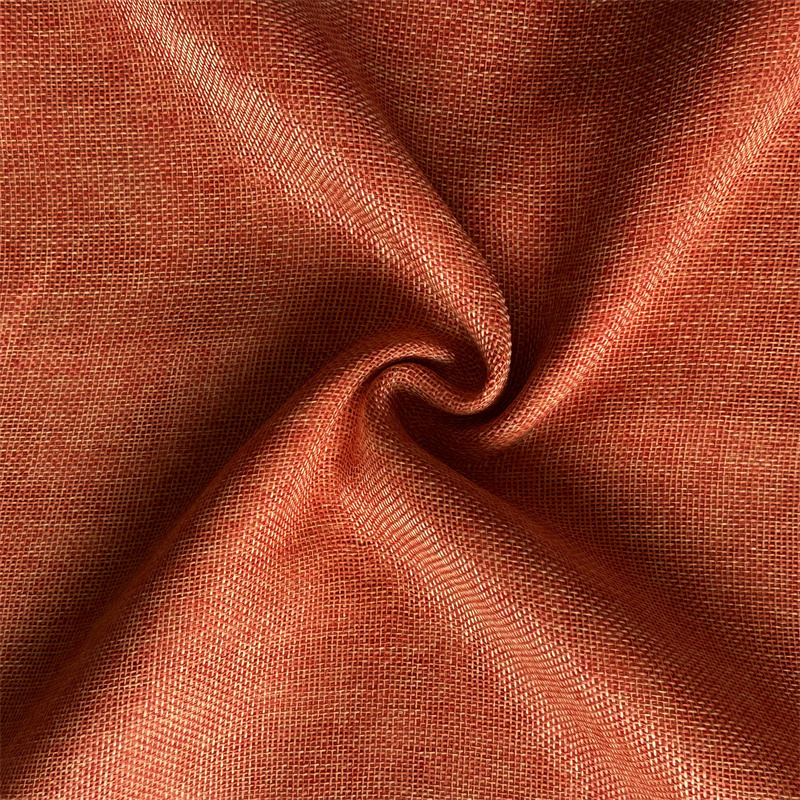
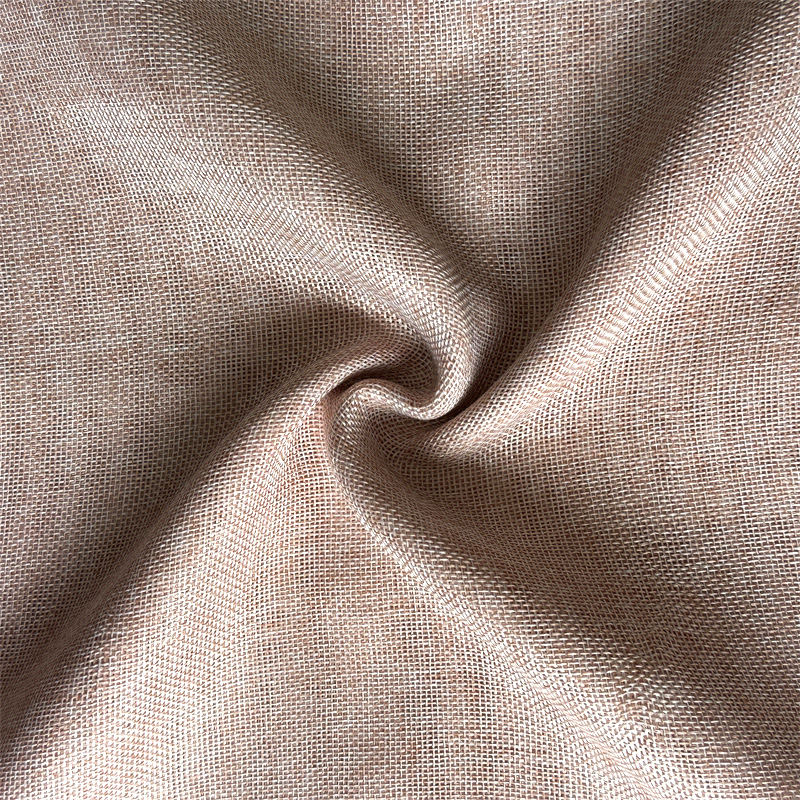
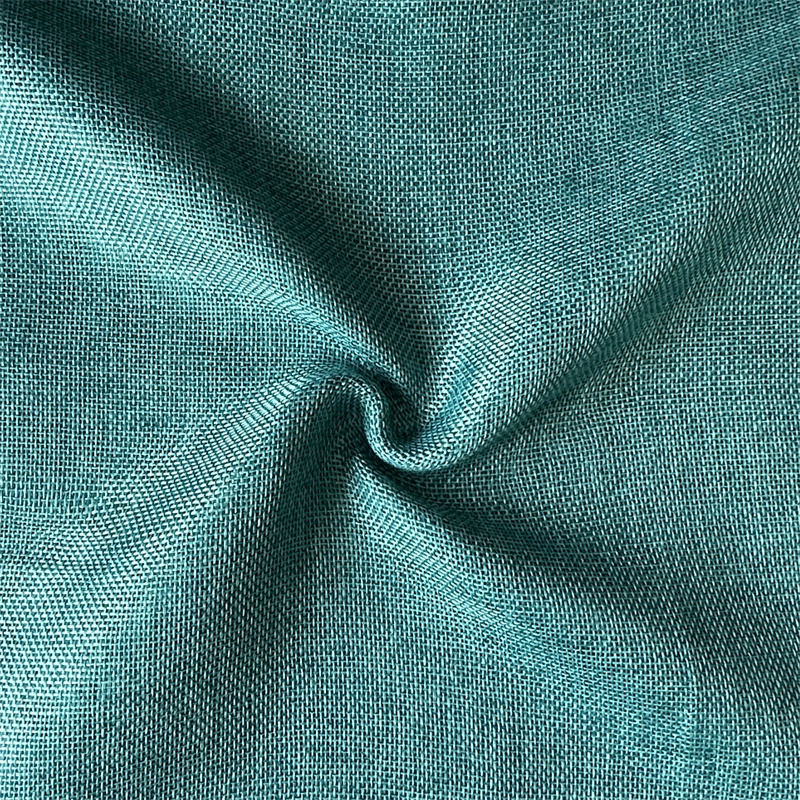
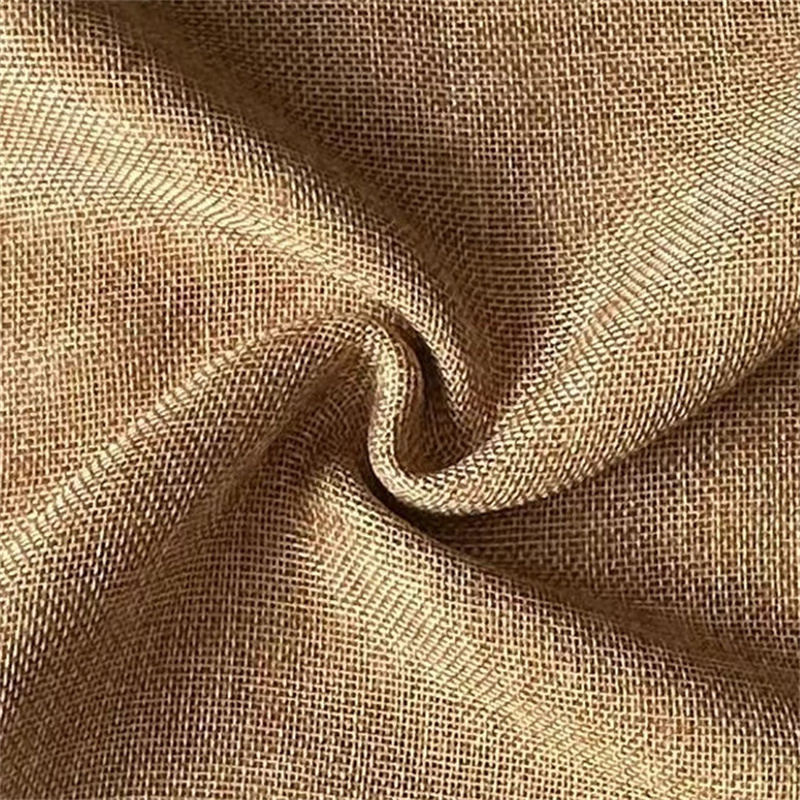
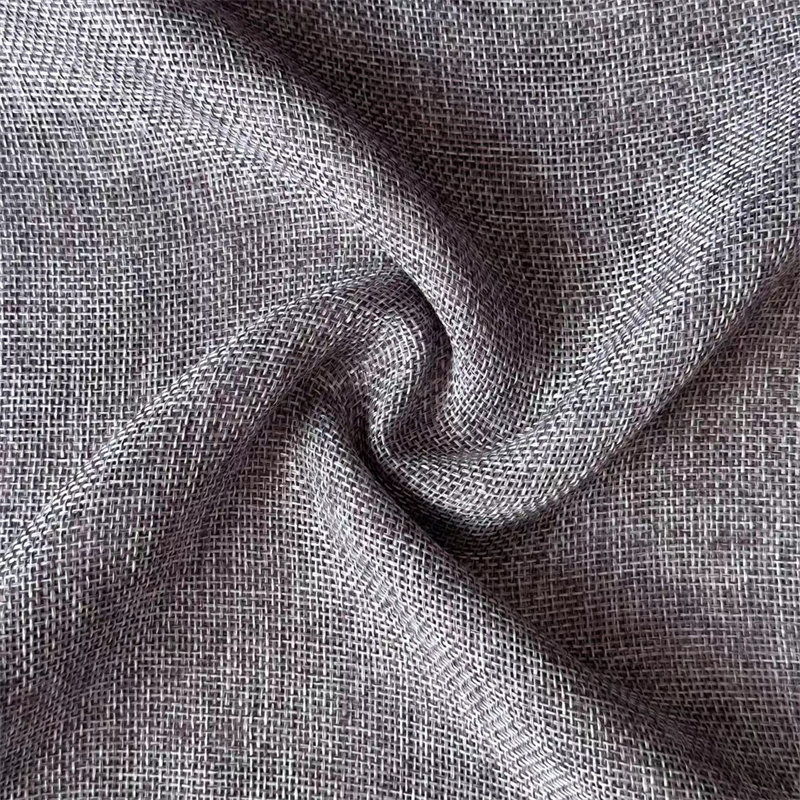
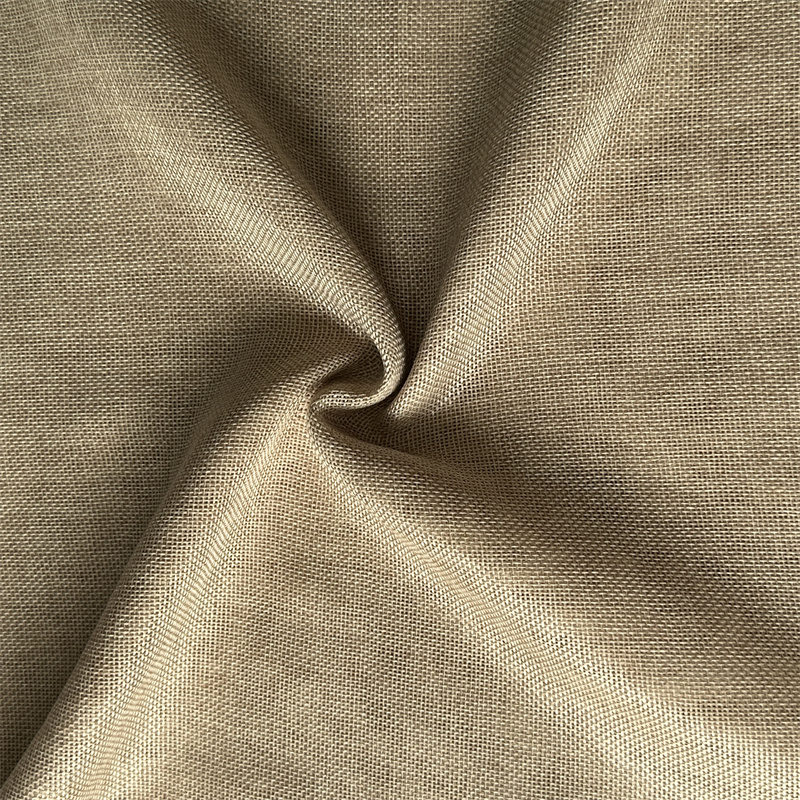
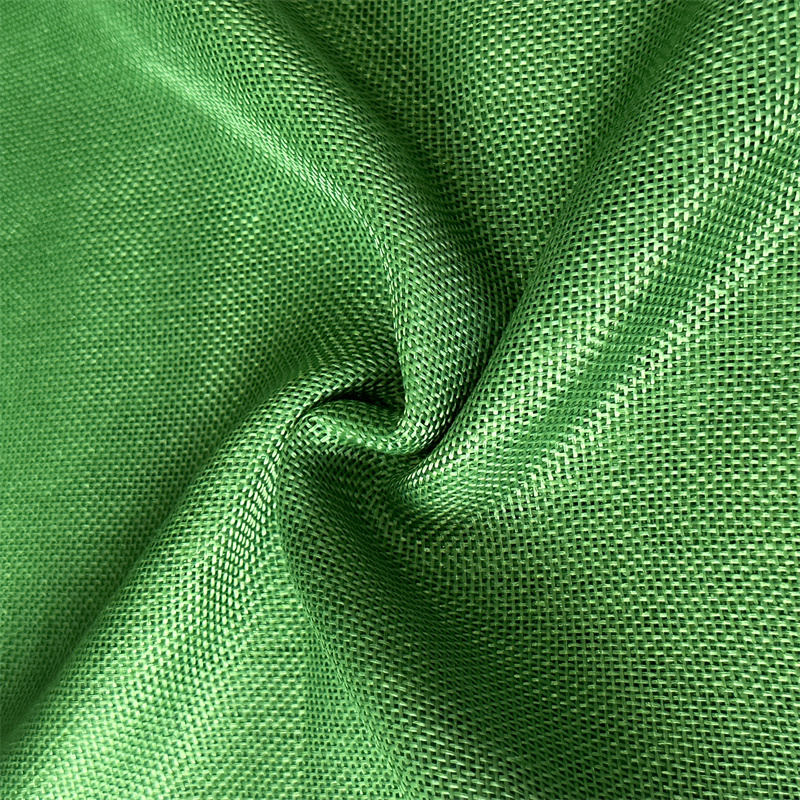
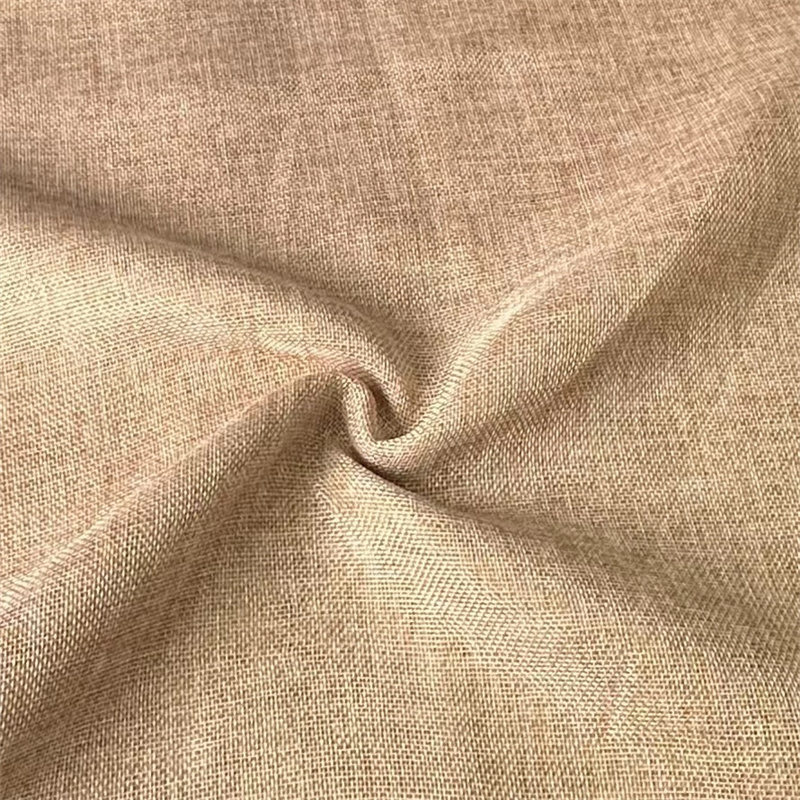
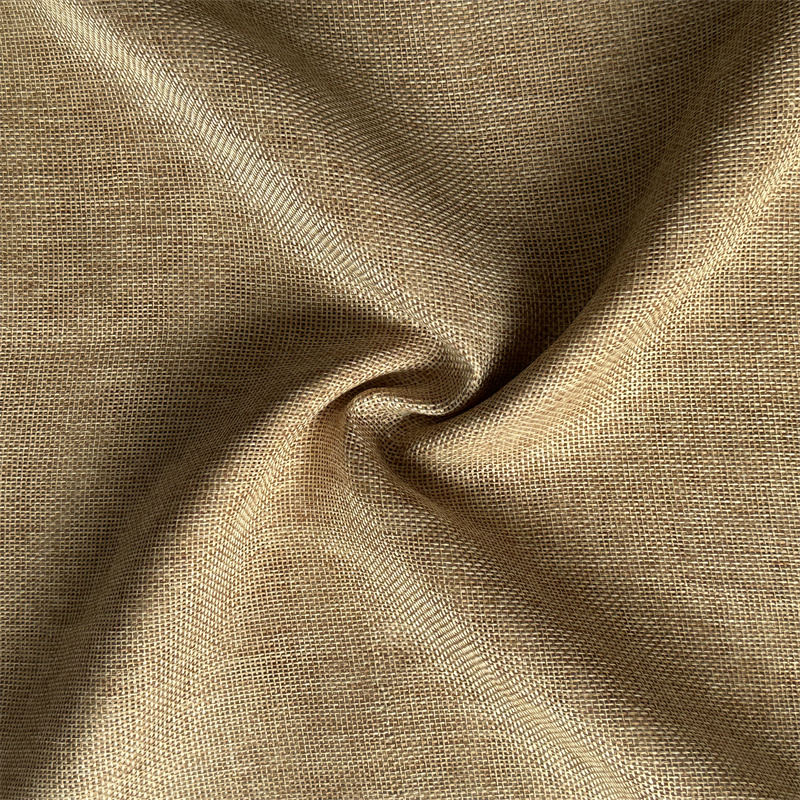
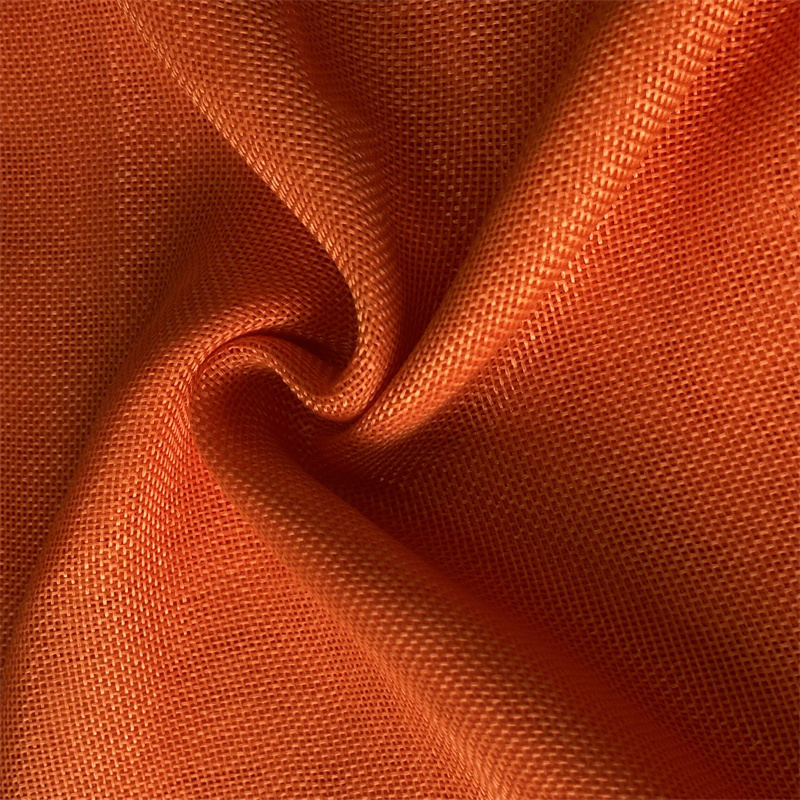
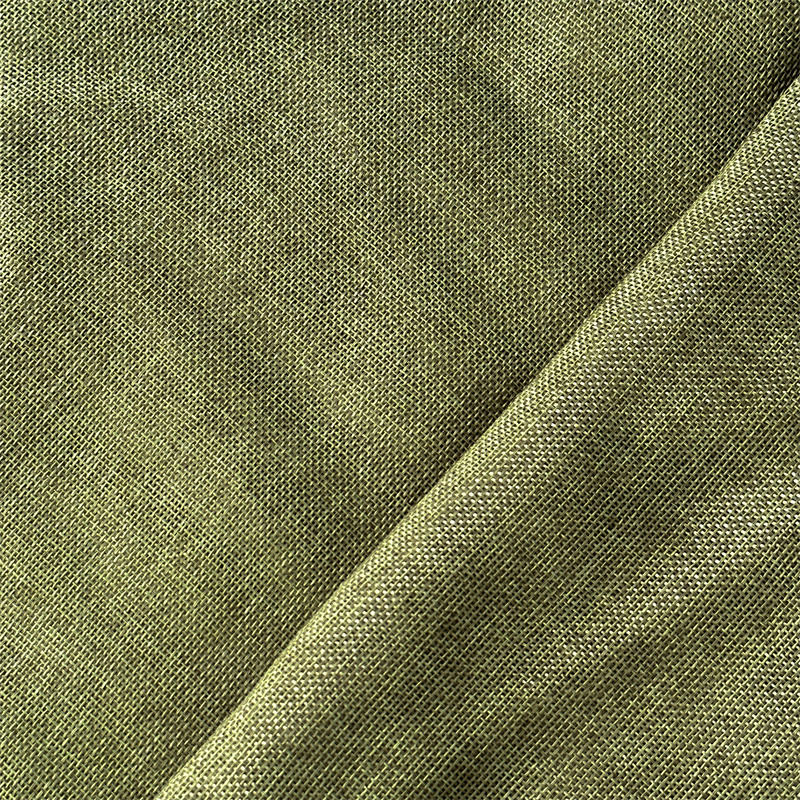
Solid color polyester linen fabric is a blended or polyester-based textile engineered to replicate the visual texture and natural appearance of traditional linen while incorporating the performance advantages of synthetic fiber. True linen is woven from flax plant fibers and is valued for its breathability, texture, and classic aesthetic — but it is also expensive, prone to wrinkling, and can be difficult to care for at scale. Polyester linen fabric bridges this gap by using polyester filaments, or a polyester-linen blend, to produce a fabric with linen's characteristic slub texture and matte surface finish while delivering far superior durability, wrinkle resistance, and ease of care.
The "solid color" designation refers to fabric that has been piece-dyed or yarn-dyed in a single, uniform color across the entire width and length of the cloth, as opposed to printed, striped, or woven multicolor patterns. This consistency makes solid color polyester linen fabric exceptionally versatile — it pairs cleanly with other materials and patterns, adapts easily to different design aesthetics from minimalist to traditional, and photographs well for both product listings and interior design presentations. It is widely used in home furnishings, apparel, craft projects, and commercial upholstery applications.
How Polyester Linen Differs From Pure Linen
Understanding the differences between polyester linen and pure linen helps you make an informed sourcing decision based on the real demands of your project rather than assumptions about which material is inherently superior. Both have legitimate strengths, but they serve different needs.
| Property | Pure Linen | Polyester Linen Fabric |
| Wrinkle Resistance | Low — wrinkles easily | High — retains shape well |
| Durability | Good but degrades with moisture | Excellent, wash-resistant |
| Breathability | Excellent | Moderate |
| Cost | Higher | Lower to moderate |
| Care Requirements | Delicate, often dry clean | Machine washable |
| Color Consistency | Variable, may fade | Highly colorfast |
| Texture Appearance | Natural slub, irregular | Consistent linen-like slub |
Key Properties of Solid Color Polyester Linen Fabric
The properties of solid color polyester linen fabric make it a practical workhorse for a wide range of applications. Its appeal is not merely cosmetic — the material delivers a genuine set of functional advantages that explain why it has become so prevalent across both retail and commercial textile markets.
Wrinkle and Crease Resistance
One of the most significant practical advantages of polyester linen over its natural counterpart is its resistance to wrinkling. Pure linen is notorious for creasing with minimal handling, which can be a liability for ready-to-ship home furnishing products, garments on display, or curtain panels that must hang smoothly. Polyester linen fabric recovers its shape after compression far more effectively, reducing the need for ironing and making it far more forgiving in real-world use. This is particularly valuable for e-commerce sellers and interior decorators who need products that arrive looking presentable without steaming or pressing.
Color Fastness and Dye Consistency
Polyester fiber accepts disperse dyes exceptionally well and holds color with impressive stability under washing, UV exposure, and repeated use. For solid color applications specifically, this means the fabric retains a uniform, consistent hue across its entire surface without the patchiness or dye migration that can occur with some natural fiber textiles. For buyers sourcing fabric for curtains, cushions, or upholstery, this color stability ensures that multiple panels or items cut from different rolls of the same fabric will match closely — a critical requirement for professional interior design work.
Structural Stability and Dimensional Consistency
Polyester linen fabric does not shrink significantly when washed, making it reliable for cut-and-sew applications where pre-shrinking natural fibers would normally be required before cutting. This dimensional stability also means that upholstered items, cushion covers, and curtain panels maintain their intended proportions over time and through regular washing. Fabric width and weight remain consistent across production runs, which is an important consideration for manufacturers ordering large quantities of fabric for production.
Surface Texture and Aesthetic Appeal
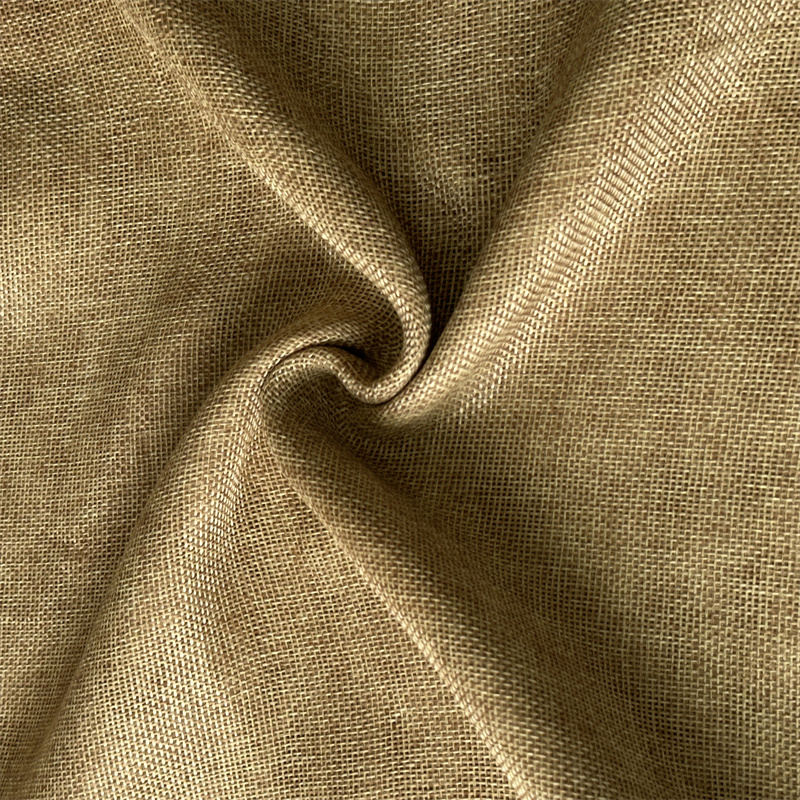
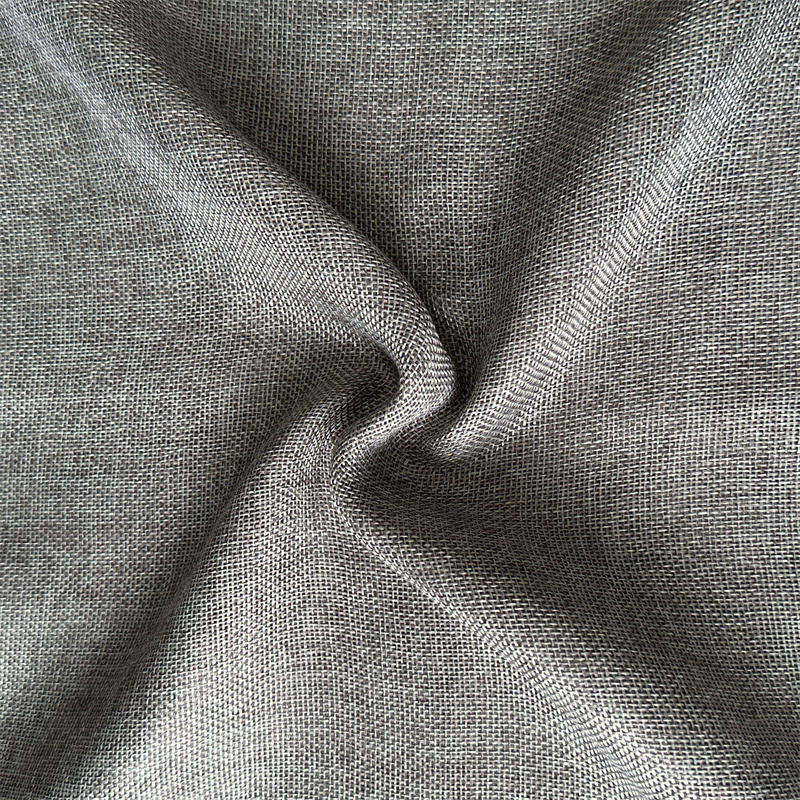
The defining visual characteristic of linen fabric is its irregular slub texture — the subtle variation in thread thickness that creates a woven surface with gentle, organic variation. Quality polyester linen fabric successfully replicates this aesthetic using textured polyester yarns or by blending polyester with actual linen or other natural fibers. The result is a fabric that reads as natural and artisanal to the eye while offering the performance characteristics of a synthetic. When produced in solid colors, this texture becomes the primary visual element of the fabric, giving it depth and interest without relying on pattern or print.
Most Common Uses and Applications
Solid color polyester linen fabric finds application across a remarkably wide range of product categories. Its combination of aesthetic versatility and practical durability makes it a default choice for many product developers, interior designers, and craft suppliers.
Home Furnishings and Interior Décor
This is the largest single application area for solid color polyester linen. Cushion covers, throw pillow cases, sofa slipcovers, ottomans, bed skirts, table runners, placemats, and storage baskets are all commonly made from this fabric. Its neutral, textured surface complements virtually every interior design style from Scandinavian minimalism to Mediterranean warmth. The solid color format means it can be used as a neutral base in layered décor schemes without competing with other patterned elements in the room.
Window Treatments
Curtains and drape panels made from polyester linen fabric are popular in both residential and commercial interiors. The fabric hangs with a natural weight and drape that gives windows a relaxed, elegant appearance, and its wrinkle resistance means panels look smooth and tidy without constant maintenance. Solid color curtains in polyester linen are widely available in a range of weights from semi-sheer to blackout-lined versions, suitable for living rooms, bedrooms, dining areas, and offices.
Apparel and Fashion
In apparel, polyester linen is used for summer dresses, wide-leg trousers, shirts, blazers, and casual suits where the visual aesthetic of linen is desired but the ease of care is a priority for the consumer. Solid colors in neutral tones — cream, beige, stone, navy, olive, and charcoal — are particularly popular in garment applications because they translate easily into seasonless wardrobe staples that pair with a wide range of other pieces.
Craft and DIY Projects
Crafters use solid color polyester linen for tote bags, fabric baskets, wall hangings, embroidery backing, book covers, and journal wrapping. Its stable weave makes it easy to cut cleanly, sew neatly, and embroider or stamp on without puckering or distortion. The natural-looking texture provides a handmade aesthetic that pairs particularly well with folk embroidery styles, block printing, and natural dye techniques.
What to Look for When Buying Solid Color Polyester Linen Fabric
Not all polyester linen fabric is produced to the same standard. When sourcing fabric — whether for a small personal project or a large commercial production run — evaluating several key specifications will help you avoid disappointment and ensure the material performs as expected.
- GSM (grams per square meter): Lighter weights around 100–150gsm are suitable for garments and sheer curtains. Medium weights of 150–250gsm work well for cushion covers, tote bags, and drapery. Heavier weights above 250gsm are better suited for upholstery and structured furnishings.
- Fiber composition: Check whether the fabric is 100% polyester or a polyester-linen blend. Blended fabrics (typically 55% linen / 45% polyester or similar ratios) offer improved breathability and a more authentic linen texture but may require more careful washing. Pure polyester versions prioritize durability and ease of care.
- Color consistency: For multi-piece projects such as matching cushion covers or curtain panels, request samples from the same production batch and verify color consistency under both natural and artificial lighting before committing to a full order.
- Weave tightness: A tighter weave provides greater durability, cleaner cut edges, and reduced fraying, which is important for upholstery and bag applications. Looser weaves drape more softly but may require serging or hemming at cut edges to prevent unraveling.
- Colorfastness rating: For items that will be washed regularly or exposed to sunlight, ask your supplier for ISO colorfastness ratings for washing and light exposure to confirm the dye will hold its vibrancy over time.
- Width of the fabric roll: Standard roll widths vary from 110cm to 150cm or wider. For large upholstery or curtain projects, wider rolls reduce the number of seams required and simplify the cutting layout, so confirm roll width before calculating yardage requirements.
Care and Maintenance of Polyester Linen Fabric
One of the most practical advantages of polyester linen fabric is how straightforward it is to care for compared to pure linen. Following basic care guidelines ensures that finished products maintain their appearance and structural integrity across years of use.
- Machine wash on a gentle or permanent press cycle using cold or warm water — hot water can cause polyester fibers to lose their texture over time.
- Use a mild detergent without bleach or optical brighteners, which can affect the dye uniformity of solid-colored fabric.
- Tumble dry on low heat or hang to air dry — high dryer temperatures can cause polyester to pill or lose its surface texture.
- If ironing is needed, use a low to medium heat setting with a pressing cloth between the iron and the fabric to prevent sheen marks or fiber distortion on the surface.
- For upholstered items, spot clean with a damp cloth and mild soap solution rather than saturating the fabric with water, which can affect the cushion filling beneath.
Why Solid Color Remains the Most Practical Choice
Among all the variations available in polyester linen fabric, solid color remains the most commercially significant and practically versatile option. Printed or woven patterns commit the finished product to a specific visual direction that can quickly feel dated or restrictive in a changing interior design context. Solid color fabric, by contrast, serves as a neutral foundation that adapts to seasonal color changes in décor, different lighting conditions across rooms, and evolving personal taste without requiring a complete product replacement.
For manufacturers and retailers, solid color polyester linen is also easier to inventory — a single SKU in a neutral tone serves a far wider customer base than a patterned equivalent. For consumers and crafters, solid color fabric invites personalization through embroidery, dyeing, block printing, or simple pairing with contrasting trim and accessories. This inherent adaptability, combined with the material's strong performance credentials, is why solid color polyester linen fabric continues to be one of the most widely sourced and consistently popular textile choices across global home, fashion, and craft markets.