

 中文简体
中文简体 Español
Content
What Is Jacquard Fabric and How Is It Made?
Jacquard fabric is a category of textile defined not by its fiber content but by the method used to weave it. It is produced on a Jacquard loom — a mechanized weaving device invented by Joseph Marie Jacquard in France in 1804 — which uses a system of punched cards to control individual warp threads independently. This level of precision allows extremely complex, multi-layered patterns to be woven directly into the structure of the fabric rather than printed or embroidered onto its surface. The result is a textile where the design is an integral part of the weave itself, giving jacquard fabric its signature depth, durability, and tactile richness.
The innovation of the Jacquard loom was so significant that it is widely considered a precursor to modern computing. The punched card system used to program patterns directly influenced Charles Babbage's early computing concepts and later inspired the development of the first programmable computers. Today, digital Jacquard looms use computer software to design and execute patterns with extraordinary complexity and precision, but the fundamental principle remains the same: individual thread control for intricate woven design. This heritage gives jacquard fabric a unique position in both the history of technology and the history of textiles.
How Jacquard Differs From Other Patterned Fabrics
One of the most important things to understand about jacquard fabric is what sets it apart from other patterned textiles. Many fabrics achieve their decorative appearance through surface treatments applied after weaving — such as screen printing, digital printing, or embroidery. In these cases, the base fabric is plain woven and the design sits on top of the fiber structure. With jacquard, the pattern is created during the weaving process itself, which means it is embedded within the fabric at a structural level and appears on both sides of the cloth, though sometimes in a reversed or shadowed form on the back.
This structural integration has several practical consequences. Jacquard patterns do not crack, peel, or fade the way printed designs can over time. The texture of the pattern is physical and three-dimensional rather than flat, which gives jacquard fabric a visual depth that cannot be replicated by surface printing. It also means that jacquard can be cut from any direction without the pattern dissolving at the edges, making it more versatile for complex garment construction and upholstery applications than printed alternatives.
Main Types of Jacquard Fabric
Jacquard is not a single fabric but a broad category that encompasses many distinct textile types, each produced using the Jacquard weaving method on different fibers and with different structural configurations. Understanding these types helps buyers and designers choose the right material for their specific applications.
Brocade
Brocade is one of the most historically significant jacquard fabrics. It features raised, embossed patterns — typically floral, botanical, or geometric motifs — that appear to be embroidered onto the surface but are in fact woven in. Extra weft threads are floated across the fabric to create the raised design, which is then anchored into the base weave. Brocade is typically made from silk, polyester, or a blend, and is most commonly used in formal wear, bridal garments, traditional ceremonial clothing, and decorative upholstery.
Damask
Damask is a reversible jacquard fabric that achieves its pattern through a contrast between satin and sateen weave structures within the same cloth. The design appears in a glossy finish against a matte background on one side, and in reverse on the other. Traditionally made from silk, damask is now widely produced in cotton, linen, and polyester. It is a staple in home furnishings — particularly table linens, drapery, and upholstery — and is also used in fashion for blouses, structured jackets, and skirts where subtle, tone-on-tone patterning is desired.
Tapestry
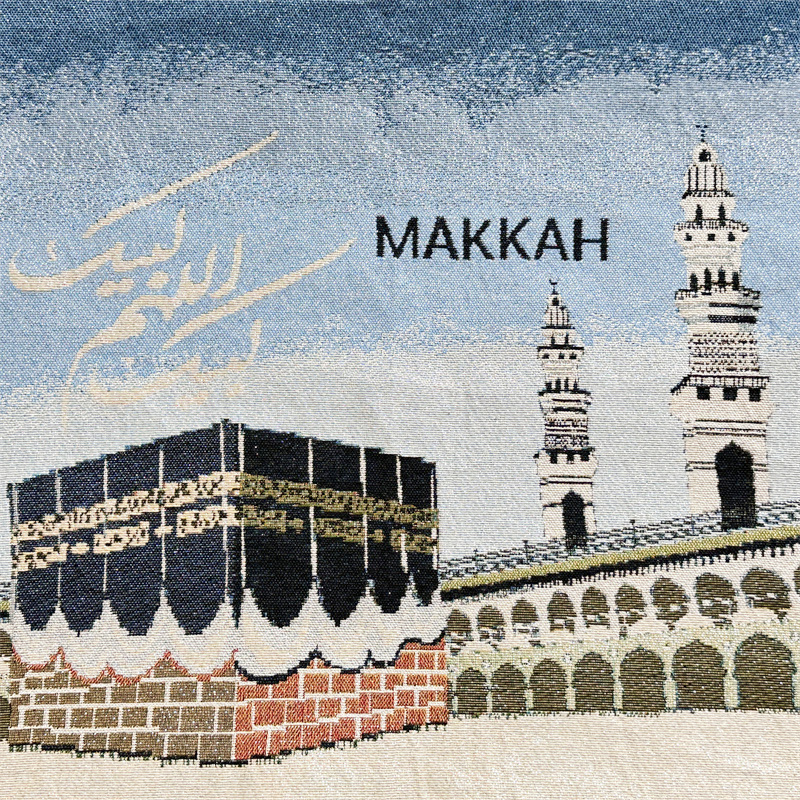
Tapestry jacquard is a heavy, densely woven fabric that replicates the look of hand-woven tapestries. It uses multiple colors of yarn to create pictorial or highly detailed geometric designs, giving it a rich, almost painterly appearance. Because of its weight and stiffness, tapestry jacquard is primarily used in upholstery, wall hangings, bags, and structured accessories. It is one of the most durable jacquard types and can withstand significant wear, making it practical as well as decorative.
Matelassé
Matelassé is a double-cloth jacquard that creates a quilted or padded appearance without any actual batting or stitching. The puckered, dimensional surface is achieved by weaving two layers of fabric simultaneously with connecting threads that draw the layers together at intervals, producing raised areas between the connection points. This fabric has a soft, luxurious texture and is used in bridal wear, evening gowns, structured jackets, and home décor items like pillow covers and bed coverlets.
Jacquard Knit
While traditional jacquard fabrics are woven, the Jacquard mechanism has also been adapted for knitting machines, producing jacquard knit fabric. This type retains the multi-color, complex patterning of woven jacquard but has the stretch and comfort of a knit construction. It is widely used in activewear, sweaters, sportswear, and contemporary fashion where both pattern complexity and body-conforming comfort are required. Jacquard knit is also popular in accessories such as hats, gloves, and socks.
Common Fiber Content in Jacquard Fabrics
Jacquard fabric can be woven from virtually any fiber, and the fiber content has a significant impact on the fabric's weight, drape, durability, and care requirements. The most common fiber options include:
- Silk: The most traditional and prestigious jacquard fiber. Silk jacquard has a natural luminosity, exceptional drape, and a lightweight hand feel. It is used in luxury fashion and high-end home furnishings but requires careful handling and dry cleaning.
- Polyester: The most widely available and affordable jacquard fiber. Polyester jacquard is durable, machine washable, wrinkle-resistant, and available in an enormous range of colors. It is the standard choice for everyday fashion and decorative home applications.
- Cotton: Cotton jacquard offers breathability, softness, and a natural matte appearance. It is commonly used in home textiles such as tablecloths, napkins, and towels, as well as in casual garments and children's clothing.
- Wool: Wool jacquard is warm, resilient, and naturally moisture-wicking. It is most often used in outerwear, suiting fabrics, and cold-weather accessories. Wool jacquard has a slightly textured surface that gives it a more rustic, artisanal appearance than silk or polyester versions.
- Viscose/Rayon: Viscose jacquard has a silky drape and sheen similar to silk at a lower cost. It is soft, breathable, and comfortable to wear, making it a popular middle-ground option for fashion garments where the luxury appearance of silk is desired without the price point.
- Blended fibers: Many jacquard fabrics combine two or more fibers to balance properties. A silk-polyester blend, for example, offers the sheen and drape of silk with the durability and washability of polyester. Cotton-polyester blends are common in home furnishing jacquards for the same reason.
Where Jacquard Fabric Is Used
The versatility of jacquard fabric means it appears across an enormous range of applications, from high fashion runways to everyday home interiors. The table below summarizes the most common uses by jacquard type:
| Jacquard Type | Fashion Uses | Home & Décor Uses |
| Brocade | Formal wear, bridal, traditional garments | Upholstery, cushions, curtains |
| Damask | Blouses, structured jackets, skirts | Table linens, drapery, bedding |
| Tapestry | Bags, structured accessories, coats | Upholstery, wall hangings |
| Matelassé | Bridal, evening gowns, jackets | Pillow covers, bed coverlets |
| Jacquard Knit | Activewear, sweaters, sportswear | Decorative throws, accent pieces |
Practical Tips for Sewing With Jacquard Fabric
Jacquard fabric can present certain challenges during cutting and sewing due to its structured weave, pattern repeat, and sometimes considerable weight. Following a few practical guidelines will help you achieve professional results.
Pre-Washing and Preparation
Always check the fiber content label before pre-washing jacquard fabric. Polyester and cotton jacquards can generally be machine washed on a gentle cycle, while silk and wool versions require dry cleaning or careful hand washing in cool water. Pre-washing is strongly recommended for any jacquard that will be used in garments, as some shrinkage may occur on the first wash. Press the fabric with a pressing cloth to avoid flattening the raised texture — steam is helpful for removing fold lines without damaging the weave structure.
Cutting and Pattern Matching
Jacquard fabrics with large or prominent pattern repeats require careful pattern matching at seams, which means you will need to purchase extra yardage to account for this. Lay out your pattern pieces before cutting to plan the alignment of motifs across seam lines. Use sharp fabric scissors or a rotary cutter for clean edges, and cut through a single layer wherever possible to maintain accuracy. Basting along seam lines before final stitching helps keep pattern matches aligned during sewing.
Needle, Thread, and Stitch Selection
Choose your needle based on the weight and fiber content of the specific jacquard you are working with. A universal needle in size 80/12 works well for medium-weight polyester or cotton jacquards. For heavier tapestry or brocade fabrics, move up to a 90/14 or 100/16 needle to prevent skipped stitches. Use a thread that matches or closely complements the dominant color in the fabric weave. A straight stitch at a medium length of approximately 2.5mm is suitable for most seams; reinforce high-stress areas such as armholes and zippers with a second row of stitching or a backstitch at the beginning and end of each seam.
Caring for Jacquard Fabric Over Time
Proper long-term care is essential to preserving the appearance and structural integrity of jacquard fabric. Because the pattern is woven into the fabric rather than printed on it, the design itself is generally very durable. However, abrasive washing, high heat, and harsh detergents can damage the fibers and cause the weave to distort or lose its luster over time.
For polyester jacquard garments and home textiles, machine washing on a gentle or delicate cycle in cool water with a mild liquid detergent is generally safe. Avoid using bleach or fabric softeners, which can break down synthetic fibers and dull the surface sheen. Tumble dry on low heat or air dry flat to prevent distortion. For silk, wool, or blended jacquards, professional dry cleaning is the safest option unless the label explicitly states otherwise. When storing jacquard items, fold them loosely with acid-free tissue paper between the layers to prevent permanent creasing of the raised pattern, or hang garments on padded hangers to maintain their shape without stress on the weave.