

 中文简体
中文简体 Español
Content
What Makes Satin Fabric So Desirable in Fashion and Design?
Satin is one of the most recognized and widely used fabric types in the world of fashion, interior design, and textile craftsmanship. Its signature glossy surface, fluid drape, and luxurious hand feel have made it a staple for evening wear, bridal gowns, lingerie, home furnishings, and high-end accessories for centuries. What most people do not realize, however, is that satin is not a single fabric — it is a weave structure that can be applied to a wide range of fibers, each producing a distinctly different material with its own personality, weight, and best use cases. Understanding the different types of satin fabric allows sewists, designers, and buyers to make far more informed choices about materials.
The satin weave itself is defined by the way threads interlace: warp threads float over multiple weft threads before going under, creating a smooth, continuous surface on one side of the fabric. This construction minimizes the number of interlacing points, which reduces texture and allows light to reflect evenly across the surface — producing that distinctive sheen. The back side of satin is typically dull and matte by comparison. With eight beautiful satin fabric types available today, each has specific properties that make it better suited to certain applications than others.
Charmeuse Satin
Charmeuse is arguably the most glamorous of all satin types. It is lightweight, incredibly soft, and has a fluid drape that clings gently to the body, making it a perennial favorite for lingerie, bias-cut gowns, and luxurious blouses. Originally made from silk, charmeuse is now widely produced using polyester fibers, making it far more accessible and affordable without sacrificing too much of its elegant appearance. The front surface has a high-gloss sheen while the back has a crepe-like matte finish, giving designers the option to use either side depending on the desired aesthetic.
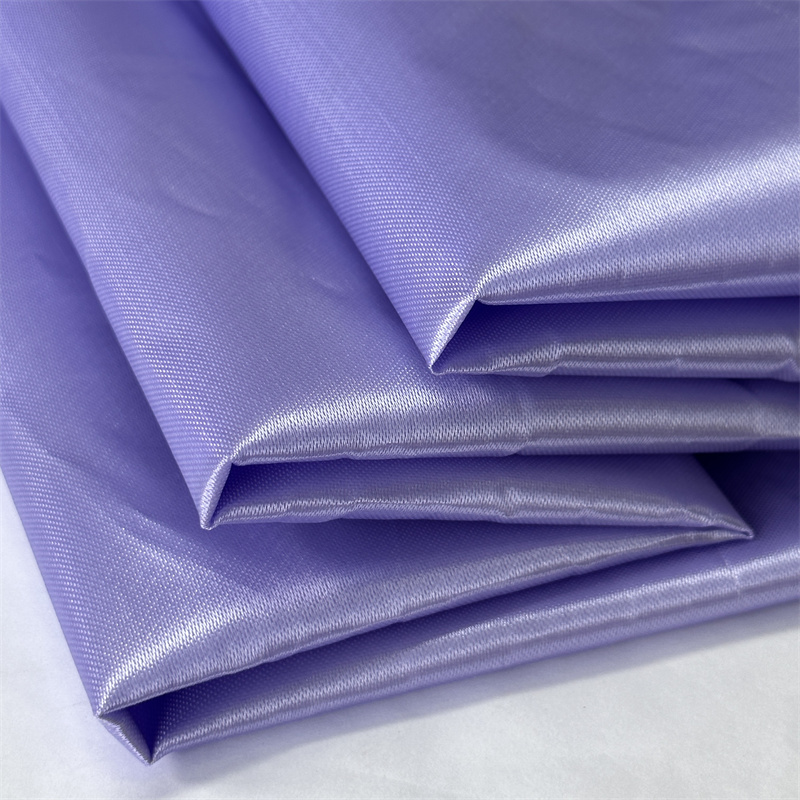
Working with charmeuse requires patience and the right tools. Because it is so lightweight and slippery, it tends to shift on the cutting table and can be difficult to sew in a straight line. Using sharp scissors, fine pins, and a microtex needle on your sewing machine will significantly improve results. Charmeuse is best reserved for garments that rely on movement and flow rather than structure, as it does not hold shape on its own.
Duchess Satin
Duchess satin stands at the opposite end of the weight spectrum from charmeuse. It is a heavy, stiff satin with a thick body and a brilliant, high-gloss surface that holds its shape beautifully. This makes it the fabric of choice for structured bridal gowns, ball skirts, corsets, and formal garments where volume and silhouette are essential. Its weight gives it a regal, polished appearance that photographs exceptionally well, which is why it remains so popular in the bridal industry.
Duchess satin is typically made from a blend of silk and synthetic fibers, or entirely from polyester in more affordable versions. While its stiffness makes it easier to cut and sew than charmeuse, it does not ease well around curves and requires careful handling at seams to prevent puckering. Underlining or interlining is often used with duchess satin to add further structure and prevent the fabric from stretching over time in fitted garments.
Crepe-Back Satin
Crepe-back satin is a reversible fabric that offers two completely different surface textures in a single piece of material. One side presents the classic satin sheen, while the other features a matte, textured crepe finish. This dual nature makes it an incredibly versatile choice for designers who want the option to mix finishes within a single garment or who wish to create contrast between lining and outer fabric using the same material. It is commonly used in dresses, blouses, skirts, and scarves.
Because it combines two weave structures, crepe-back satin has a slightly more complex behavior than single-sided satins. It drapes well but with more body than charmeuse, and it is somewhat easier to handle during sewing. The crepe side can also be placed outward to achieve a more understated, sophisticated look when the full gloss of satin would be too formal for the occasion. This flexibility makes it one of the most practical satin types for everyday wearable garments.
Slipper Satin
As its name implies, slipper satin was originally developed for use in ballet slippers and formal footwear. It is a medium-weight fabric with a tightly woven structure that gives it exceptional durability and a firm hand feel compared to other satin types. Its surface has a moderate sheen — not as intensely glossy as duchess satin, but noticeably lustrous. The tight weave makes it resistant to snagging and abrasion, which is why it performs so well in high-wear applications like shoes, bags, and structured accessories.
Beyond footwear, slipper satin is also used in structured bodices, strapless gowns, and bridal accessories where a balance between surface beauty and fabric strength is needed. It is less prone to the distortion problems that plague lighter satins, making it a more forgiving fabric to sew. Its moderate weight and firm body mean it can be used without additional underlining in many structured applications.
Antique Satin
Antique satin has a deliberately irregular, slightly slubbed texture that distinguishes it from the uniformly smooth surface of most satin types. The slubs — small, intentional irregularities in the yarn — are woven into the fabric to give it a handcrafted, vintage appearance that evokes the look of historical silk textiles. This makes antique satin a popular choice for bridal wear, particularly for brides who prefer a romantic, heritage-inspired aesthetic over the modern high-gloss look of duchess or charmeuse.
Despite its textured appearance, antique satin retains the characteristic smoothness and sheen of the satin weave. It drapes beautifully and is available in a range of weights. The slubbed surface also has the practical benefit of being more forgiving of minor sewing imperfections, as the texture naturally draws the eye away from small inconsistencies in seams or topstitching. Antique satin is also widely used in home décor applications such as draperies, cushion covers, and decorative table linens.
Stretch Satin
Stretch satin incorporates spandex or elastane fibers into the satin weave, giving the finished fabric a two-way or four-way stretch capability while retaining the glossy surface and fluid drape that satin is known for. This makes it an outstanding choice for fitted garments that need to move with the body, including dancewear, figure skating costumes, bodycon dresses, and activewear with a luxurious finish. The stretch component also makes it more comfortable for extended wear, as it accommodates movement without pulling or distorting at the seams.
Sewing stretch satin requires the use of a ballpoint or stretch needle and a stitch that can accommodate the fabric's elasticity, such as a narrow zigzag or a dedicated stretch stitch on your sewing machine. Overlocking seam allowances helps prevent fraying while maintaining the stretch of the seam. Beginners may find stretch satin more challenging than woven satins due to its tendency to curl at cut edges, but with the right technique it produces beautifully sleek, form-fitting results.
Sultan Satin
Sultan satin is a heavier, more opaque variety of satin known for its rich depth of color and substantial weight. It shares some characteristics with duchess satin but has a slightly softer hand feel and is often woven with a higher thread count that enhances its color saturation. This makes it an exceptional choice for richly colored evening wear, theatrical costumes, and formal home furnishing applications such as curtains, bed canopies, and decorative upholstery on statement furniture pieces.
Because of its weight and opacity, sultan satin is also used for lining in high-end coats and jackets where a luxurious interior finish is desired. It is easier to work with than lighter satins and holds its shape well, making it suitable for both structured and semi-structured garments. Its intense color retention means that it is particularly effective when used in bold, dramatic hues like deep jewel tones, metallics, and rich earth colors.
Poly Satin
Polyester satin, commonly known as poly satin, is the most widely available and affordable satin fabric on the market. It is produced entirely from synthetic polyester fibers and delivers a bright, mirror-like sheen that can rival silk satin in photographs, though it lacks the natural breathability and temperature-regulating properties of silk. Poly satin is machine washable, highly durable, resistant to wrinkling, and available in an enormous range of colors and prints, making it the go-to choice for costume making, event décor, craft projects, and budget-conscious garment construction.
While poly satin may not have the prestige of silk-based varieties, it is an entirely practical and versatile material that performs reliably across a wide range of applications. The table below provides a quick comparison of all eight satin types to help you choose the right one for your next project:
| Satin Type | Weight | Best Use | Skill Level |
| Charmeuse | Lightweight | Lingerie, bias gowns | Advanced |
| Duchess | Heavy | Bridal, ball gowns | Intermediate |
| Crepe-Back | Medium | Dresses, blouses | Intermediate |
| Slipper | Medium-Heavy | Shoes, structured bodices | Intermediate |
| Antique | Medium | Vintage bridal, décor | Beginner–Intermediate |
| Stretch | Light–Medium | Dancewear, bodycon | Intermediate |
| Sultan | Heavy | Evening wear, upholstery | Intermediate |
| Poly Satin | Variable | Costumes, crafts, décor | Beginner |
How to Choose the Right Satin for Your Project
Selecting the correct satin type begins with a clear understanding of what your finished project needs to do. Consider the following key factors before purchasing:
- Structure vs. drape: If your design requires volume and shape retention, opt for duchess or sultan satin. If fluid movement is the priority, charmeuse or crepe-back satin will serve you better.
- Wearability and comfort: For garments worn close to the skin for long periods, stretch satin or charmeuse offer the best comfort. Stiffer varieties like duchess can be uncomfortable in tight or heavily structured areas without proper underlining.
- Budget: Poly satin and stretch satin are the most affordable options without sacrificing surface beauty. Silk charmeuse and duchess satin with natural fiber content will cost significantly more but offer superior breathability and a more refined hand feel.
- Sewing experience: Beginners should start with poly satin or antique satin, which are more forgiving on the cutting table and sewing machine. Charmeuse and stretch satin are best tackled after gaining experience with easier fabrics.
- Care requirements: Most polyester satins are machine washable, while silk-based varieties generally require dry cleaning or careful hand washing. Consider the long-term maintenance of any garment or décor piece before selecting your fabric.
Each of these eight beautiful satin fabric types brings something unique to the table. Whether you are crafting a show-stopping bridal gown, a fluid evening blouse, a structured costume, or a piece of home décor, there is a satin fabric engineered specifically to meet those demands. Taking the time to understand the differences between them will not only improve the quality of your finished work but will also make the sewing process considerably more enjoyable and efficient.