

 中文简体
中文简体 Español
Content
What Is Corduroy Fabric?
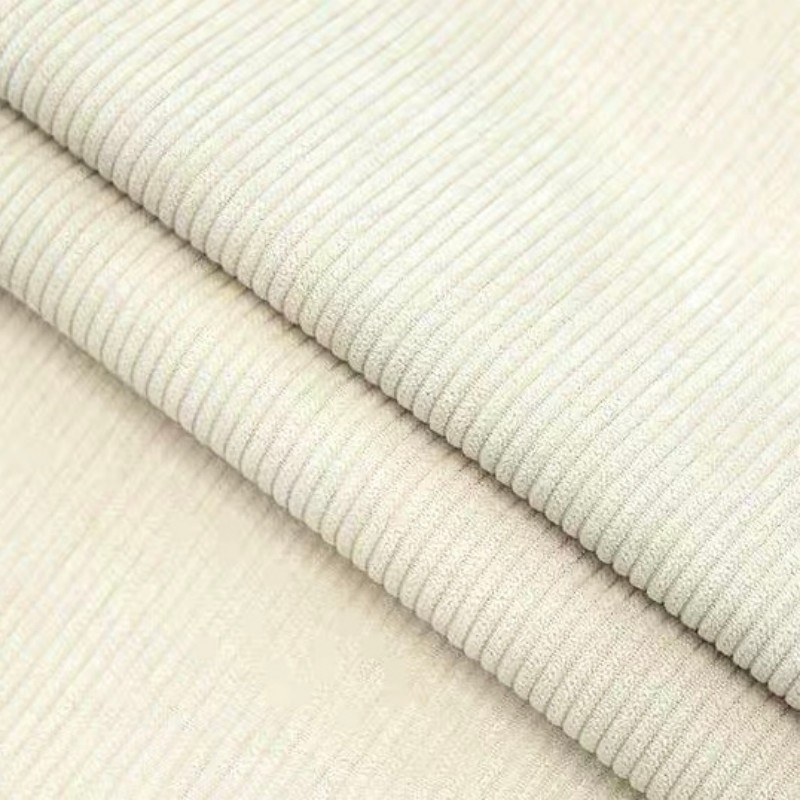
Corduroy is a durable, ridged textile characterized by its distinctive parallel lines — known as "wales" — that run vertically along the fabric surface. These raised cords are formed by cut loops of fiber, creating a soft, textured pile. The word "corduroy" is believed to derive from the French "corde du roi," meaning "cord of the king," though its exact etymology remains debated. What is undisputed is that corduroy has remained a staple fabric in both fashion and utility for centuries, valued for its warmth, durability, and unique tactile quality.
Corduroy is most commonly made from cotton, though modern variants may include polyester, cotton-polyester blends, or even wool. Its tightly woven base gives it structural strength, while the pile on top provides softness and insulation. This combination makes it an especially practical material for outerwear, workwear, and cold-weather clothing.
How Corduroy Fabric Is Made
The manufacturing process of corduroy begins with weaving extra sets of filling yarns into a base fabric. These additional yarns form floats — long loops that bridge over multiple warp threads. After weaving, the floats are cut open using sharp blades, which releases the pile and creates the characteristic ridges. The fabric is then brushed and finished to align the fibers and enhance softness.
The density and width of the wales depend on how tightly the floats are spaced during weaving. Fewer wales per inch produce wider, chunkier ridges, while more wales per inch create a finer, smoother texture. This variable construction is what gives corduroy its wide range of weights and appearances across different product categories.
Understanding Wale Count: The Key to Corduroy Grades
Wale count is the single most important factor in understanding and selecting corduroy. It refers to the number of ridges per inch of fabric. The wale count directly influences the fabric's texture, weight, drape, and suitability for different applications.
| Wale Type | Wales Per Inch | Texture | Common Uses |
| Jumbo Wale | 2–4 | Very coarse, chunky | Jackets, coats, upholstery |
| Standard Wale | 8–10 | Medium, classic look | Trousers, shirts, skirts |
| Fine / Pinwale | 16–21 | Smooth, subtle texture | Children's wear, dress shirts |
| Micro Wale | 21+ | Very fine, soft | Lingerie, linings, accessories |
When selecting corduroy for a specific project, always consider the wale count first. Heavier wale fabrics provide more warmth and structure, while finer wale options offer a more refined aesthetic and better drape for tailored garments.
Common Uses of Corduroy Fabric
Corduroy's durability and warmth make it a versatile choice across a wide range of applications. Its structured texture also gives garments and goods a casual yet refined appearance that has kept it fashionable across decades.
Clothing and Apparel
Corduroy is most widely associated with clothing. It has been used in virtually every garment category, from casual wear to semi-formal pieces. Its ability to hold shape while remaining comfortable makes it popular for items that experience regular wear and washing.
- Trousers and jeans: Classic corduroy pants remain a staple in fall and winter wardrobes, offering a textured alternative to denim.
- Jackets and blazers: Heavier wale corduroy is frequently used for structured outerwear, especially elbow-patch blazers with a vintage aesthetic.
- Shirts and overshirts: Lightweight pinwale corduroy works exceptionally well as a shirt fabric due to its soft feel and breathability.
- Children's clothing: Fine corduroy is widely used in kids' garments due to its softness and resistance to daily wear and tear.
- Skirts and dresses: Mid-weight corduroy provides structure for A-line skirts and casual dresses without feeling overly stiff.
Home Furnishings and Upholstery
Beyond fashion, corduroy is used extensively in home décor. Its pile surface adds texture and visual interest to furniture while being relatively easy to clean. Sofas, ottomans, throw pillows, and even curtains in corduroy are popular choices for interiors seeking a cozy, lived-in aesthetic. Jumbo wale corduroy in particular is well-suited for upholstery due to its thickness and durability under heavy use.
Bags and Accessories
Corduroy's sturdy construction makes it a dependable material for tote bags, backpacks, hats, and caps. The texture adds a tactile quality that distinguishes corduroy accessories from those made from smooth fabrics, and the material holds up well to the structural demands of bag-making.
Advantages of Corduroy Fabric
Corduroy offers a compelling combination of practical and aesthetic benefits that explain its enduring popularity across generations and industries.
- Durability: The tightly woven base and pile structure make corduroy highly resistant to everyday wear, stretching, and tearing.
- Warmth: The ridged pile traps air and provides excellent insulation, making corduroy ideal for cooler climates and seasons.
- Texture and visual interest: Corduroy's distinctive surface adds depth and character to garments and interiors without requiring prints or embellishments.
- Versatility: With wale count variations available, corduroy can be adapted for heavy-duty outerwear or delicate fashion items alike.
- Sustainability potential: Cotton-based corduroy is biodegradable, and organic cotton variants are increasingly available for eco-conscious buyers.
How to Choose the Right Corduroy Fabric
Selecting corduroy requires attention to several key factors beyond just color. Whether you're sourcing fabric for a sewing project, purchasing ready-made garments, or choosing upholstery material, these considerations will help you make the right decision.
Match Wale Count to Your Purpose
As outlined earlier, wale count determines the fabric's weight and appearance. Fine wale is best for structured or tailored items, while jumbo wale suits casual, oversized, or upholstery applications. For general-purpose trousers or jackets, an 8–10 wale corduroy is the safest and most classic option.
Check Fiber Composition
100% cotton corduroy breathes well and ages gracefully, developing a slight sheen over time. Cotton-polyester blends are more wrinkle-resistant and hold color better, making them a good choice for everyday garments. Avoid synthetic-heavy blends for items worn close to the skin, as they can feel less comfortable and reduce breathability.
Assess Pile Direction
Corduroy has a nap — meaning the pile leans in one direction. When cutting fabric for sewing, all pattern pieces must be cut in the same direction to avoid color inconsistencies, as the pile reflects light differently depending on orientation. This is especially important when working with darker shades like navy, forest green, or chocolate brown.
Caring for Corduroy: Essential Tips
Proper care is essential to maintain the texture and appearance of corduroy over time. Neglecting care instructions can cause the pile to flatten, colors to fade, or the fabric to lose its characteristic ridged structure.
- Wash inside out: Turning corduroy garments inside out before washing protects the pile from friction damage during the wash cycle.
- Use cold water: Hot water can shrink cotton corduroy and distort the pile. Always opt for a gentle cold-water cycle.
- Avoid overloading the machine: Washing corduroy with too many other items causes excessive friction that can crush the wales permanently.
- Air dry when possible: Tumble drying on high heat can cause shrinkage and flatten the pile. Lay flat or hang to air dry instead.
- Brush to restore texture: Use a soft-bristle brush to gently restore the pile after washing or if it becomes flattened through wear.
- Iron carefully: If ironing is needed, use a low heat setting and iron along the direction of the wales with a pressing cloth to avoid crushing the pile.
Corduroy's Place in Sustainable Fashion
As sustainability becomes a growing priority in the textile industry, corduroy stands out as a fabric with inherent longevity advantages. Its durability means garments last longer before needing replacement, reducing textile waste. When made from natural cotton fibers — especially organically grown cotton — corduroy is also biodegradable and less harmful to the environment than fully synthetic alternatives.
A number of brands have begun offering corduroy made from recycled cotton or certified organic cotton, responding to demand from environmentally conscious consumers. For those committed to building a sustainable wardrobe, investing in high-quality corduroy pieces that are built to last is far preferable to fast-fashion alternatives that deteriorate within a season or two.
Corduroy's revival in contemporary fashion — driven by nostalgia, its distinctive texture, and its practical warmth — positions it as one of the more forward-looking traditional fabrics in today's market. Understanding its construction, variations, and care requirements allows both consumers and designers to get the most out of this time-tested material.