

 中文简体
中文简体 Español
Content
- 1 What Imitation Silk Fabric Actually Is
- 2 The Main Types of Imitation Silk and Their Characteristics
- 3 Comparing Imitation Silk Types Side by Side
- 4 How to Identify Imitation Silk vs. Genuine Silk Without Lab Testing
- 5 Best Applications for Each Type of Imitation Silk
- 6 Care and Maintenance of Imitation Silk Fabrics
Imitation silk fabric occupies a fascinating and increasingly sophisticated position in the textile market. Once dismissed as a cheap substitute for the real thing, modern imitation silk has evolved to the point where even experienced fabric buyers can struggle to distinguish it from genuine silk without laboratory testing. The global demand for silk-like aesthetics — the characteristic sheen, fluid drape, and smooth hand — far exceeds what sericulture (silkworm farming) can supply at accessible price points, and the textile industry has responded with a diverse range of imitation silk fabrics that deliver varying degrees of the silk experience at a fraction of the cost. Understanding what these fabrics actually are, how they differ from each other and from genuine silk, and how to select the right type for a specific application allows buyers — whether fashion designers, home decorators, or craft enthusiasts — to make informed decisions rather than relying on marketing language alone.
What Imitation Silk Fabric Actually Is
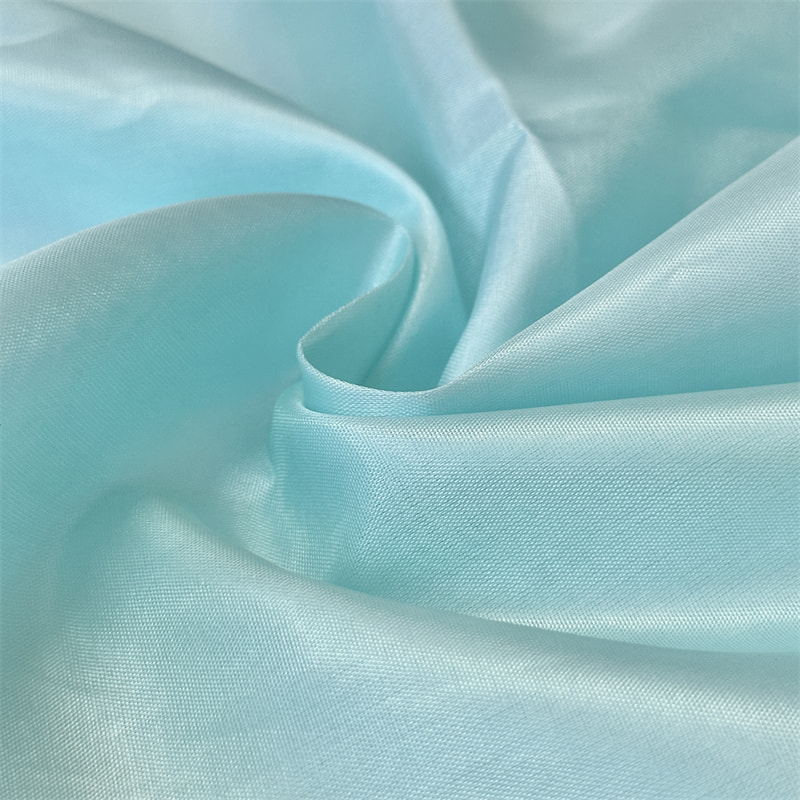
Imitation silk is not a single fabric but a family of textiles produced from different fiber types and manufacturing processes that share one defining goal: replicating the visual and tactile qualities of genuine silk — its luster, its drape, its smooth surface, and where possible, its lightweight breathability — without using silk protein fibers produced by Bombyx mori silkworms.
Genuine silk derives its distinctive appearance from the triangular cross-section of the silk filament. This prism-like shape refracts and reflects light at multiple angles simultaneously, producing the characteristic shimmer and depth that distinguishes silk from all other natural fibers. Imitation silk fabrics attempt to replicate this optical effect through two primary strategies: using semi-synthetic fibers derived from cellulose (such as viscose rayon, cupro, and modal) whose filaments have been engineered to produce similar light-refracting geometry, or using fine synthetic polyester filament yarns woven in satin or charmeuse constructions that produce a high-gloss surface through fabric structure rather than fiber geometry.
The quality spectrum within imitation silk is extremely wide. At the premium end, fine microfiber polyester satin and high-grade viscose charmeuse are genuinely difficult to distinguish from silk by casual examination. At the budget end, low-grade polyester taffeta with a synthetic sheen looks unmistakably artificial under any lighting condition. Understanding where specific fabrics sit on this spectrum — and what determines their position — is the foundation of informed buying.
The Main Types of Imitation Silk and Their Characteristics
Each major category of imitation silk fabric has a distinct fiber origin, manufacturing process, and performance profile. Knowing these differences is essential for matching the right fabric to a specific project requirement.
Viscose Rayon
Viscose rayon is the oldest and most widely used imitation silk fiber, first produced commercially in the early twentieth century as "artificial silk." It is derived from wood pulp cellulose that is dissolved in a chemical solution, extruded through spinnerets into fine filaments, and regenerated as a semi-synthetic fiber. The resulting filaments have a round or slightly irregular cross-section that produces a bright, high-luster surface with excellent dye uptake — viscose takes color more vividly and uniformly than polyester and produces richer, deeper hues than cotton at equivalent dye concentrations.
Viscose rayon has a soft, fluid drape that is often described as the closest natural feel of any imitation silk — it breathes similarly to genuine silk, feels cool against skin, and absorbs moisture without the clammy feel of polyester. Its primary weaknesses are significant: it loses up to 50% of its tensile strength when wet, making it vulnerable to tearing during washing; it wrinkles readily and requires careful ironing; and it shrinks if exposed to excessive heat or agitation during washing. Despite these limitations, viscose remains the preferred imitation silk for garments where breathability, drape, and color depth are priorities.
Polyester Satin and Charmeuse
Polyester imitation silk is the most commercially dominant category, accounting for the vast majority of imitation silk fabric sold globally. Polyester filament yarns — particularly microfiber polyester with individual filaments finer than one denier — are woven in satin or charmeuse constructions where long floating yarns on the fabric face create a smooth, highly reflective surface. The result is a fabric with intense gloss and excellent durability that is machine washable, resistant to wrinkling, colorfast under UV exposure, and dimensionally stable across a wide range of conditions.
The principal limitation of polyester imitation silk is its thermal and moisture management performance. Polyester is hydrophobic — it does not absorb moisture — which means sweat sits on the skin surface rather than being wicked into the fabric, creating discomfort in warm conditions. This is why polyester satin garments feel noticeably less comfortable against the skin during physical activity or in hot weather than equivalent viscose or genuine silk items. For applications where the fabric is not in direct skin contact — home furnishings, decorative fabrics, evening wear in controlled environments — polyester imitation silk's durability and care convenience make it an excellent practical choice.
Cupro (Bemberg)
Cupro, marketed commercially under the Bemberg brand name by Japanese manufacturer Asahi Kasei, is a premium semi-synthetic fiber produced from cotton linter cellulose dissolved in a copper ammonium solution. The resulting filament has a round, smooth cross-section and extremely fine diameter that produces a silk-like luster and drape with superior breathability compared to both viscose and polyester. Cupro absorbs moisture similarly to natural silk, feels cool and smooth against the skin, and does not generate static electricity — a common annoyance with polyester imitation silk in dry conditions.
Cupro is used predominantly as a lining fabric in premium garments — its breathability and anti-static properties make it the preferred choice for lining jackets, coats, and skirts where the lining is in constant contact with clothing beneath. Its production is technically complex and environmentally demanding (the copper ammonium solvent requires careful management), which keeps its price significantly above viscose and polyester alternatives. The fabric is typically dry-clean only, which limits its practical versatility compared to polyester alternatives.
Modal and Lyocell (Tencel)
Modal and lyocell (sold under the Tencel brand by Lenzing AG) are newer generation cellulosic fibers produced through more environmentally responsible manufacturing processes than conventional viscose. Both offer silk-like softness and drape with better wet strength than standard viscose — modal retains approximately 90% of its dry strength when wet, compared to viscose's 50%. Lyocell has particularly good resistance to pilling and fibrillation (surface fuzzing), maintaining a cleaner surface appearance over repeated washing cycles. These fibers are increasingly used in premium imitation silk blends where the goal is to combine silk aesthetics with practical washability and reduced environmental impact.
Comparing Imitation Silk Types Side by Side
The following comparison table summarizes the key performance characteristics of the main imitation silk fabric types alongside genuine silk for reference:
| Fabric Type | Luster | Drape | Breathability | Care | Durability |
| Genuine Silk | Exceptional | Exceptional | Excellent | Delicate / Hand wash | Moderate |
| Viscose Rayon | High | Very Good | Good | Hand wash / Dry clean | Low–Moderate |
| Polyester Satin | High (artificial) | Good | Poor | Machine washable | High |
| Cupro (Bemberg) | High | Excellent | Excellent | Dry clean recommended | Moderate |
| Modal | Moderate–High | Very Good | Very Good | Machine washable (gentle) | Good |
| Lyocell (Tencel) | Moderate | Good | Very Good | Machine washable (gentle) | Good–High |
How to Identify Imitation Silk vs. Genuine Silk Without Lab Testing
While laboratory fiber analysis (microscopy or burn testing with quantitative residue analysis) is the only definitive identification method, several practical tests can distinguish genuine silk from common imitation types with reasonable reliability in everyday purchasing situations.
- The burn test: Genuine silk, being a protein fiber, burns similarly to human hair — it singes rather than melts, produces a smell of burning hair, and leaves a crushable black ash. Polyester melts rather than burns, produces black smoke and a sweet chemical smell, and leaves a hard, non-crushable bead of solidified plastic. Viscose rayon burns cleanly like paper or cotton, producing a white or gray ash with a papery smell and no melting or beading. This test requires removing a small thread from an inconspicuous seam and burning it carefully — it is destructive by nature.
- The ring test: Genuine silk is strong enough to be pulled through a finger ring without snagging or distorting, emerging intact from the other side. Many imitation silks — particularly low-grade polyester — will catch slightly on rough skin edges or distort under tension in ways that genuine silk does not. This test is more indicative than definitive, as high-quality imitation silks also pass it.
- Hand warmth test: Genuine silk warms quickly in the hand — it absorbs body heat rapidly due to its protein fiber structure. Polyester remains cooler for longer because it does not absorb heat from the skin surface. Place the fabric against your inner wrist: silk warms within seconds, while polyester feels cooler for a noticeably longer period.
- Luster quality observation: Genuine silk has a depth and complexity to its sheen — the way it reflects light changes subtly across the fabric surface as the viewing angle shifts, producing areas of highlight and shadow that give it visual depth. Polyester satin tends to reflect light more uniformly and intensely, with a flatter, more uniform gloss that lacks the three-dimensional quality of genuine silk's optical effect.
- Price as an indicator: Genuine silk fabric is expensive — quality habotai or charmeuse typically retails at a minimum of $20 to $50 per meter at wholesale and significantly more at retail. Any fabric sold as silk at significantly below these price points is almost certainly an imitation, regardless of how it is labeled.
Best Applications for Each Type of Imitation Silk
Selecting the right type of imitation silk for a specific application requires aligning the fabric's performance profile with the demands of the end use. The following guidance helps narrow the choice for common applications.
Garment Making and Fashion
For wearable garments where comfort and breathability are priorities — blouses, dresses, lingerie, and summer tops — viscose rayon and modal imitation silks deliver the best skin-contact experience. Their moisture absorption, thermal regulation, and natural drape make them the closest practical substitute for genuine silk in direct-contact garments. For evening wear and occasion garments where the fabric is worn for short periods in controlled environments and visual impact is the priority, polyester charmeuse or satin delivers an impressive appearance with excellent durability and easier care. For garment linings where the fabric must move smoothly against clothing rather than skin, cupro remains the premium choice, with high-quality polyester taffeta as a practical and washable alternative.
Home Furnishings and Decor
For curtains, cushion covers, bed linen, and decorative upholstery, polyester imitation silk is typically the most appropriate choice. Its resistance to UV fading, dimensional stability, machine washability, and durability under repeated use make it significantly more practical than viscose or genuine silk in home furnishing contexts. High-quality polyester satin in appropriate weights — 120 to 180 GSM for curtains, 100 to 130 GSM for bed linen — delivers an aesthetically convincing silk-like appearance that maintains its appearance through years of normal household use. Viscose imitation silk, while more luxurious in hand, is generally not recommended for furnishing applications due to its susceptibility to UV degradation, water spotting, and the difficulty of cleaning furnishing-scale pieces that cannot easily be machine washed.
Craft and Specialty Applications
For craft applications — fabric painting, quilting, ribbon work, artificial flower making, and decorative sewing — the choice of imitation silk depends on whether the project prioritizes appearance or workability. Polyester satin is the most forgiving to cut and sew, fraying less readily than viscose and maintaining its shape under the heat of an iron at appropriate settings. Viscose rayon takes fabric paint and dye more readily than polyester, producing brighter, more saturated colors with standard textile dyes — a significant advantage for painted silk-effect projects where color quality is the primary goal.
Care and Maintenance of Imitation Silk Fabrics
Proper care is essential for maintaining the appearance and integrity of imitation silk fabrics, and the correct approach varies significantly by fiber type. Treating all imitation silks as if they were genuine silk — always dry cleaning, always hand washing — is overly cautious for polyester and modal versions, while applying machine-wash convenience to viscose will damage the fabric. Following fiber-specific care guidelines preserves the fabric's luster, drape, and structural integrity through extended use.
- Polyester imitation silk: Machine washable on a gentle cycle at 30°C with a mild detergent. Tumble dry on low heat or air dry flat. Iron on a low synthetic setting if needed — high heat will melt the fiber and create permanent shiny marks. Polyester imitation silk is the most forgiving to care for of all silk substitutes.
- Viscose rayon: Hand wash in cool water with a gentle detergent, supporting the weight of the wet fabric at all times to prevent distortion. Do not wring — press water out gently and roll in a towel. Dry flat away from direct heat. Iron on a medium-low setting while slightly damp. Machine washing is possible on delicate cycles but risks shrinkage and distortion.
- Modal and lyocell: Gentle machine wash at 30 to 40°C is generally safe for most modal and lyocell fabrics. Avoid high-speed spin cycles, which can cause creasing that is difficult to remove. Tumble dry on low or air dry flat. Iron on a medium setting.
- Cupro: Dry cleaning is typically recommended for cupro garments, particularly those with structural elements such as linings, interfacing, and tailored seams. Some cupro fabrics can be hand washed in cool water with care, but shrinkage risk is higher than with modal or lyocell and should be tested on a small sample first.
Imitation silk fabric has reached a level of technical development where the choice between genuine and imitation silk is genuinely a matter of informed preference rather than forced compromise. For many applications — home furnishings, everyday fashion, craft projects, and budget-conscious garment making — the right imitation silk delivers everything the project requires at a fraction of the cost and with superior practical durability. The key is knowing which type of imitation silk to specify, and matching that specification to the demands of the application with the same care and knowledge that any quality fabric decision deserves.