

 中文简体
中文简体 Español
Content
- 1 What Makes Satin Fabric So Distinctive?
- 2 Silk Satin — The Original Luxury Standard
- 3 Duchess Satin — Structured Elegance for Formal Wear
- 4 Charmeuse Satin — Fluid and Body-Skimming
- 5 Satin Charmeuse vs Duchess Satin — Knowing When to Use Each
- 6 Crepe-Back Satin — Two Fabrics in One
- 7 Antique Satin — Textured Luminosity for Interiors and Bridal
- 8 Stretch Satin — Comfort and Luxury Combined
- 9 Satin Organza — Sheer Brilliance With Structure
- 10 Cotton Satin — Everyday Luxury With Natural Comfort
- 11 Practical Tips for Buying, Sewing, and Caring for Satin Fabrics
What Makes Satin Fabric So Distinctive?
Satin is not a fiber — it is a weave structure. The characteristic lustrous, smooth surface that defines satin fabric is the result of a specific interlacing pattern in which the warp threads (running lengthwise) float over multiple weft threads (running crosswise) before passing under just one, concentrating the thread surface on the face of the fabric and minimizing the number of interlacing points visible on the right side. This floating thread arrangement reflects light uniformly across the fabric surface, producing the brilliant sheen that makes satin immediately recognizable. The back of a satin-woven fabric has a duller, more matte appearance, creating a two-sided fabric with distinct visual properties on each face.
Because satin is a weave type rather than a specific fiber, it can be produced using silk, polyester, nylon, acetate, rayon, cotton, and blended yarns — each producing a fabric with a distinctly different hand, weight, drape, and price point. Understanding the differences between the eight most beautiful and widely used satin fabric types helps designers, sewers, and buyers make confident, informed choices for fashion, home décor, and specialty applications.
Silk Satin — The Original Luxury Standard
Silk satin is the fabric that established satin's reputation for luxury over centuries of textile history. Woven from continuous filament silk threads spun by silkworms, silk satin achieves a depth of luster and a softness of hand that no synthetic fiber has fully replicated. The natural protein structure of silk reflects light in a way that gives the fabric a warm, almost three-dimensional glow rather than the flat, cold shine of polyester satin. Silk satin drapes with extraordinary fluidity, conforms to the body without stiffness, and feels cool against skin in warm conditions and insulating in cooler temperatures due to silk's natural thermoregulating properties.
Silk satin is the benchmark material for couture evening gowns, luxury bridal wear, high-end lingerie, and prestige neckwear. It is available in weights ranging from a delicate 12 momme — suitable for linings and scarves — to a substantial 30 momme used for structured bodices and heavy drapery. The primary limitations of silk satin are its price — genuine silk satin commands a significant premium over synthetic alternatives — and its care requirements, as most silk satin fabrics require dry cleaning or extremely careful hand washing to prevent water spotting, shrinkage, and loss of luster.
Duchess Satin — Structured Elegance for Formal Wear
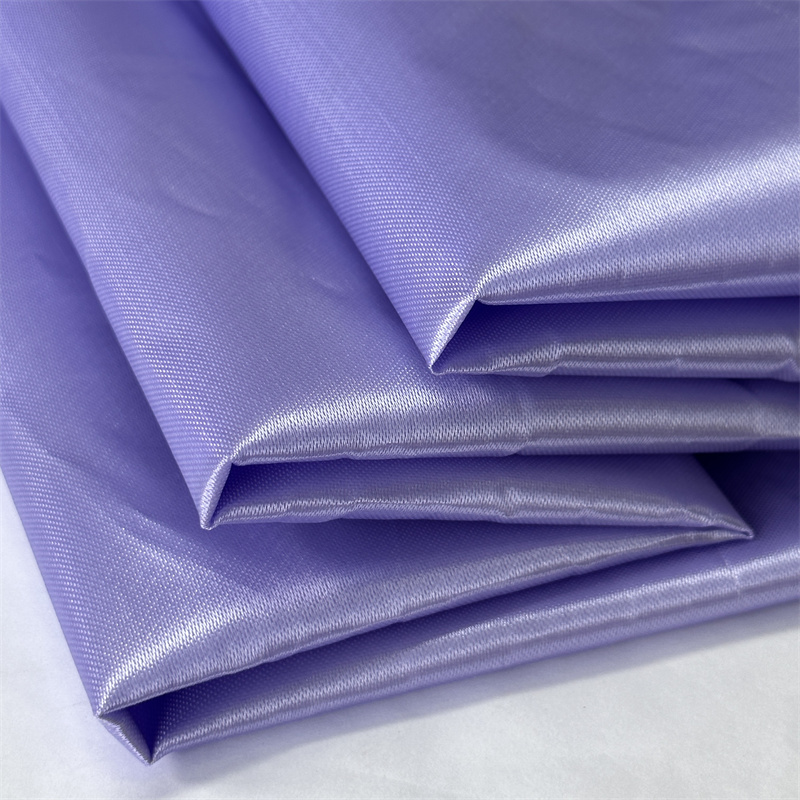
Duchess satin is a heavyweight, tightly woven satin fabric with a firm body and a smooth, moderately lustrous surface. Unlike the fluid drape of silk charmeuse satin, duchess satin holds its shape and provides substantial structure, making it the preferred choice for ball gown skirts, structured bodices, tailored wedding dresses, and formal evening wear where the fabric needs to support architectural silhouettes without relying entirely on underlining or boning. The fabric's surface has a refined, subdued sheen rather than the high gloss of lighter satin weaves — appropriate for the most formal occasions where understated luxury is the aesthetic goal.
Duchess satin is most commonly produced from silk, polyester, or acetate fibers, or blends of these. Polyester duchess satin has become the dominant commercial version due to its lower cost, consistent quality, and excellent resistance to wrinkling — a practical advantage in garments that will be worn for extended periods during weddings and formal events. It typically weighs between 150 and 250 grams per square meter and is available in a wide range of colors, including the pure, clean whites and ivories that are essential in the bridal market.
Charmeuse Satin — Fluid and Body-Skimming
Charmeuse is a lightweight satin-weave fabric with an exceptionally soft hand and a fluid, bias-responsive drape that clings gently to body contours. It is woven with a very fine yarn count and a 4:1 or 8:1 float ratio, producing a surface that is significantly more lustrous on the face than other satin constructions. Silk charmeuse is the classic choice for bias-cut evening gowns, luxury camisoles, intimate apparel, and draped tops where the fabric's ability to flow and move with the body is the primary design element. Its sensuous, liquid quality has made it a fixture in both historical Hollywood glamour and contemporary luxury fashion.
Polyester charmeuse offers a very similar visual appearance to silk charmeuse at a fraction of the cost and with greater washability, making it the practical choice for ready-to-wear lingerie, sleepwear, and affordable occasion wear. The key difference in use is that polyester charmeuse does not breathe as naturally as silk and can feel less comfortable against skin in warm conditions. Both versions require careful handling during cutting and sewing due to the slippery surface and the fabric's tendency to fray and shift on the cutting table.
Satin Charmeuse vs Duchess Satin — Knowing When to Use Each
Choosing between charmeuse and duchess satin is fundamentally a question of silhouette intent. The table below summarizes the key differences to guide fabric selection decisions:
| Property | Charmeuse Satin | Duchess Satin |
| Weight | Lightweight (50–100 gsm) | Heavyweight (150–250 gsm) |
| Drape | Fluid, clinging, bias-responsive | Structured, holds shape |
| Luster Level | High gloss | Moderate, refined sheen |
| Best Use | Bias gowns, lingerie, draped tops | Ball gowns, structured bodices, bridal |
| Ease of Sewing | Challenging (slippery) | Moderate (more stable) |
Crepe-Back Satin — Two Fabrics in One
Crepe-back satin is a reversible fabric woven with satin floats on one side and a crepe texture on the other, produced by using highly twisted crepe yarns in the weft and smooth filament yarns in the warp. The satin face has the characteristic lustrous, smooth appearance, while the crepe face has a pebbly, matte texture with excellent drape and recovery from wrinkling. This dual-face construction gives designers and garment makers the flexibility to use either side as the fashion face depending on the visual effect desired — or to combine both faces within a single garment for textural contrast in panels, collars, cuffs, or inserts.
Crepe-back satin is particularly valued in eveningwear and cocktail dress construction because the crepe face resists the wrinkling and seating distortion that can affect pure satin fabrics during extended wear. When a garment is constructed with the crepe side out, the fabric behaves with the excellent drape and wrinkle recovery of a crepe while retaining the luxurious hand of a satin construction. Silk crepe-back satin is among the most technically sophisticated and versatile fabrics available to couture designers, though high-quality polyester versions provide an accessible alternative for contemporary fashion production.
Antique Satin — Textured Luminosity for Interiors and Bridal
Antique satin is distinguished by its deliberately uneven, slubbed surface texture, produced by incorporating irregularly spun or textured yarns — typically in the weft direction — within the satin weave structure. These slubs create subtle horizontal variations in the fabric surface that scatter light differently from the surrounding smooth satin floats, producing a rich, dimensional luminosity rather than the uniform mirror-like reflection of standard satin. The visual effect evokes the appearance of historic handwoven silks and gives the fabric an heirloom quality that is particularly appropriate for formal and ceremonial applications.
Antique satin is widely used in bridal gown construction, particularly for traditional and classic wedding dress styles where the slightly textured surface adds visual interest and reduces the starkness of a completely smooth satin. In interior design, antique satin is a popular choice for drapery panels, decorative cushions, and upholstered headboards in formal bedroom settings, where its textured luster complements both traditional and contemporary luxury décor schemes. It is most commonly produced from polyester or silk-polyester blends and is available in full-bodied weights that provide excellent tailoring stability.
Stretch Satin — Comfort and Luxury Combined
Stretch satin incorporates elastane (spandex or Lycra) filaments into the satin weave structure — typically at 5 to 15 percent of the total fiber content — to create a fabric that combines the luminous surface of traditional satin with two-way or four-way stretch. This combination allows garments to conform closely to the body, recover their shape after movement, and accommodate a wider range of body measurements without fitting adjustments that a rigid woven fabric would require. The stretch component also makes the fabric significantly more forgiving to wear over long periods, eliminating the discomfort of sitting or moving in a non-stretch structured satin garment.
Stretch satin is extensively used in figure-hugging evening gowns, competitive dancewear, ice skating costumes, gymnastics competition apparel, and body-conscious cocktail dresses. It is almost exclusively produced in polyester-elastane blends, as the addition of spandex to silk satin significantly compromises the silk's natural hand and luster. Quality stretch satin maintains a smooth, consistent surface sheen even when stretched, without the dulling or surface distortion that can occur with lower-grade constructions.
Satin Organza — Sheer Brilliance With Structure
Satin organza occupies a unique position in the satin family: it is a sheer, crisp fabric produced by weaving fine, highly twisted yarns in a plain weave with a satin finish applied to produce surface luster. The result is a fabric that is simultaneously transparent, luminous, and stiff — properties that rarely coexist in textile materials. Satin organza holds its shape with the same authority as duchess satin but in a much lighter weight with a translucent quality that allows underlying fabrics or skin to show through, creating layered visual depth.
In couture and high-end ready-to-wear, satin organza is used for voluminous skirt overlays, stiffened jacket bodies, elaborate sleeve constructions, and decorative ruffles where the fabric's ability to hold sculptural shape without weight is essential. It is also used as an underlining material beneath softer fabrics to add body and structure while the sheer quality remains invisible within the garment construction. Silk satin organza is the premier version, valued for its exceptional hand and the warm quality of its luster, though polyester versions are widely used in commercial bridal and eveningwear production.
Cotton Satin — Everyday Luxury With Natural Comfort
Cotton satin — also referred to as sateen when woven with a weft-faced construction — applies the satin weave principle to cotton yarns, producing a fabric with a notably smoother, more lustrous surface than standard plain-weave cotton while retaining the natural breathability, absorbency, and washability that make cotton the world's most widely used apparel and home textile fiber. The luster of cotton satin is softer and more understated than silk or polyester satin, but it has a warm, natural quality that synthetic fibers cannot replicate.
Cotton satin is most widely used in bed linen — particularly high thread count sheets, pillowcases, and duvet covers — where the smooth surface reduces friction against skin and hair, contributing to the "luxury bedding" feel that consumers associate with quality sleep products. In apparel, cotton satin is used for lightweight structured shirts, blouses, tailored trousers, and children's occasion wear where comfort against the skin is as important as visual appearance. It is machine washable, durable, and softens further with repeated laundering, making it a practical long-term investment for both clothing and home textile applications.
Practical Tips for Buying, Sewing, and Caring for Satin Fabrics
Working with satin fabrics — regardless of the specific type — requires attention to handling, cutting, and care practices that differ from more forgiving woven fabrics. The following guidelines apply broadly across satin fabric types and help preserve the fabric's appearance and integrity throughout its working life.
- Pre-wash before cutting: Silk and rayon-based satins can shrink significantly on first washing. Pre-washing the fabric before cutting — using the same method you intend to use for the finished garment — prevents shrinkage distortion after the garment is constructed. Polyester and acetate satins are more dimensionally stable but should still be pressed before cutting to remove any fold lines or creases from storage.
- Use sharp, fine needles and pins: Standard sewing machine needles leave visible holes in satin weave fabrics that do not disappear after washing. Use a fine universal or microtex needle — size 60/8 to 75/11 — and fine silk pins or wonder clips rather than standard dressmaker pins to avoid permanent snag marks on the fabric face.
- Cut single layers when possible: Lightweight charmeuse and crepe-back satin shift easily when cut in double layers, producing inaccurate pattern pieces. Cutting single layers on a non-slip surface — using pattern weights rather than pins to hold the pattern pieces — produces cleaner, more accurate results, particularly for bias-cut pieces where even small distortions in cutting produce visible problems in the finished garment.
- Press with a pressing cloth and low heat: Direct iron contact on satin surfaces — particularly silk and acetate satin — can permanently flatten the weave structure, cause water spotting, or melt synthetic fibers. Always press from the wrong side using a silk organza or cotton pressing cloth, with the iron set to the appropriate temperature for the specific fiber content of the fabric.
- Store carefully to prevent snags: The long floating threads on the face of satin fabrics catch easily on rough surfaces, jewelry, and hook-and-eye fasteners. Store finished satin garments in a smooth fabric garment bag — not a plastic dry-cleaning bag, which traps moisture — and check that any closures or embellishments on adjacent garments cannot catch the satin surface.
- Verify fiber content before purchasing: The visual similarity between silk, polyester, and acetate satins means that fiber content is not always obvious from appearance alone. Ask for fiber content confirmation from the supplier, burn test a small cutting if necessary, and always check the care label on commercially produced satin fabric before committing it to a project with specific care requirements.