

 中文简体
中文简体 Español
Content
- 1 What Is 165gsm 99.99% Polyester Faux Linen Fabric?
- 2 Why Does the 165gsm Weight Matter for This Fabric?
- 3 What Are the Key Properties of 99.99% Polyester Faux Linen?
- 4 How Does It Compare to Natural Linen and Other Faux Linen Options?
- 5 What Are the Primary Applications for This Fabric?
- 6 What to Check When Sourcing 165gsm Polyester Faux Linen in Bulk
- 7 How to Care for Products Made from 165gsm Polyester Faux Linen
What Is 165gsm 99.99% Polyester Faux Linen Fabric?
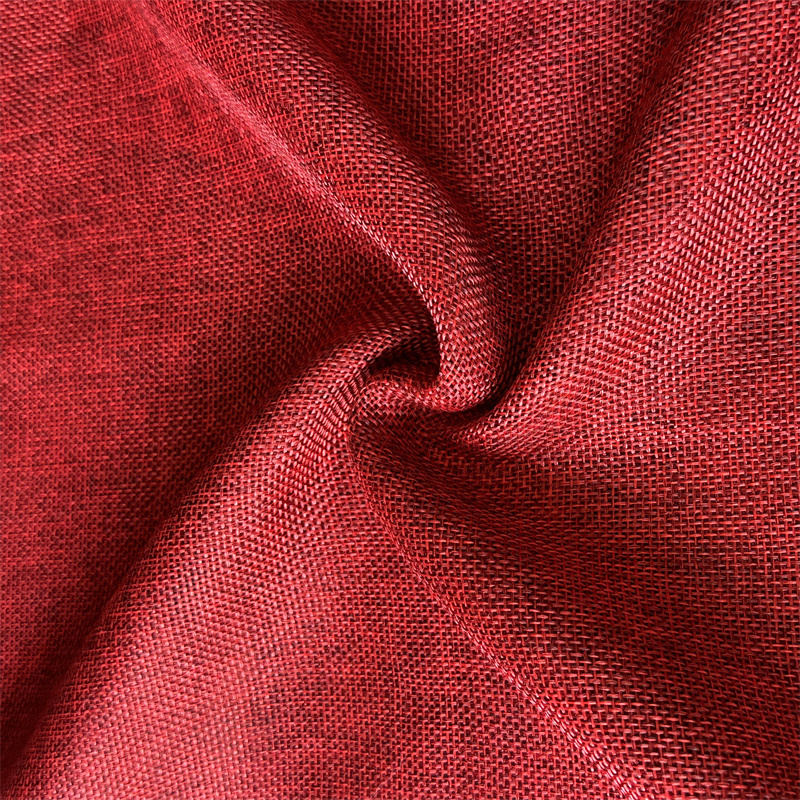
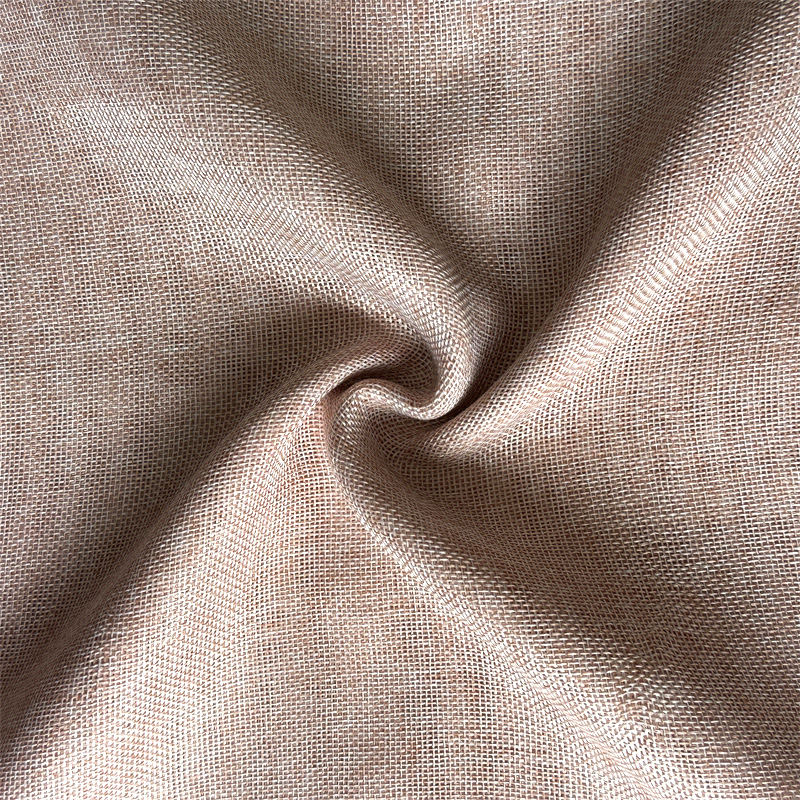
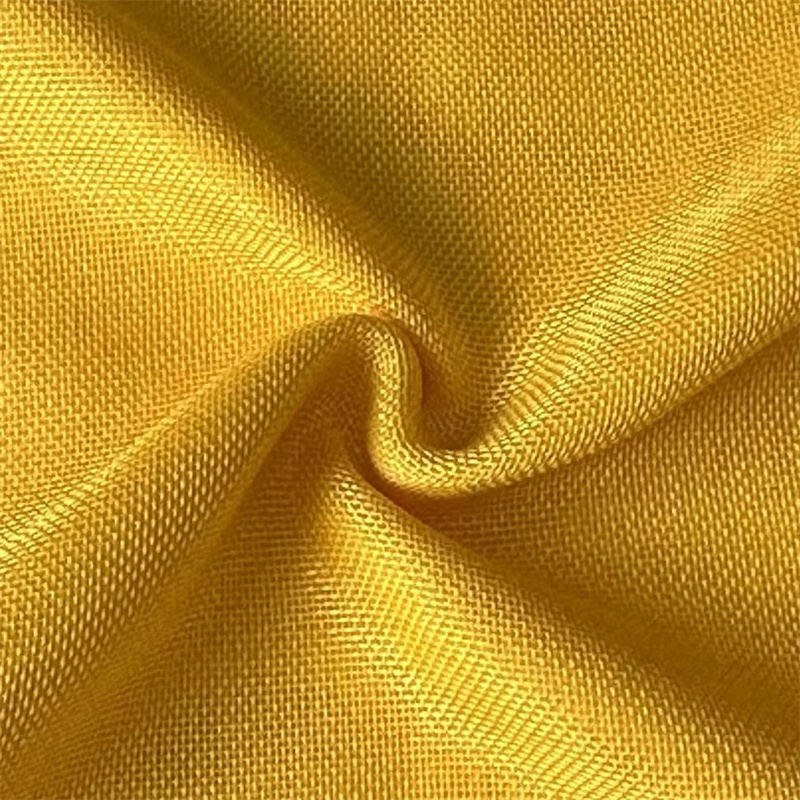
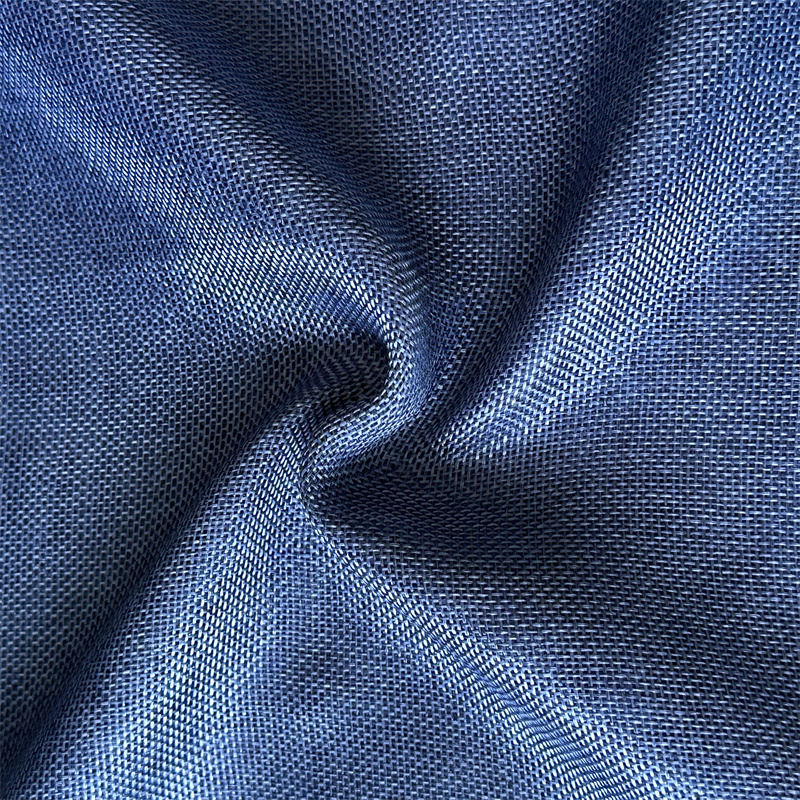
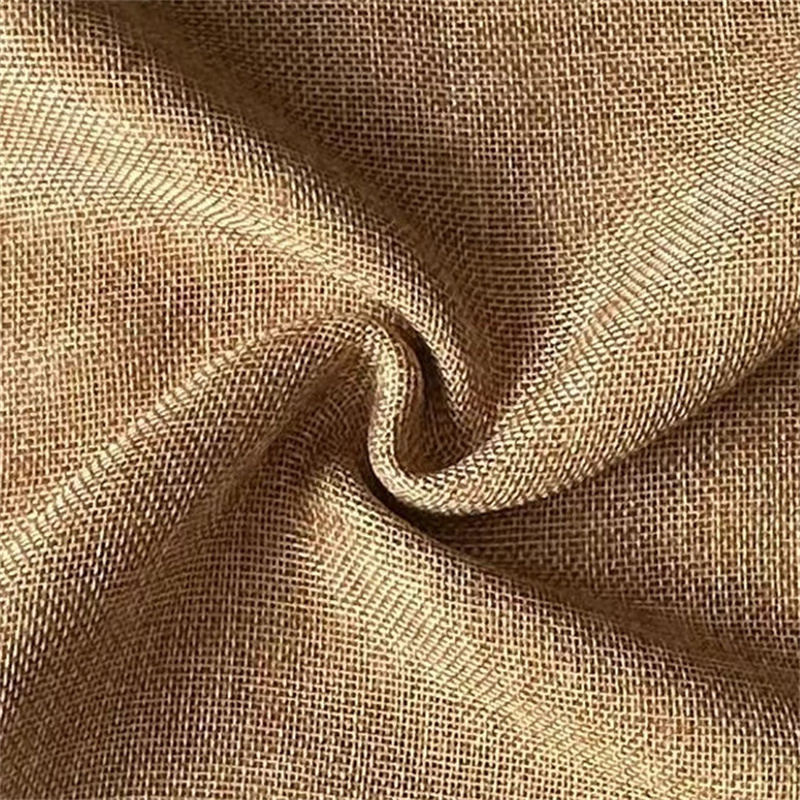
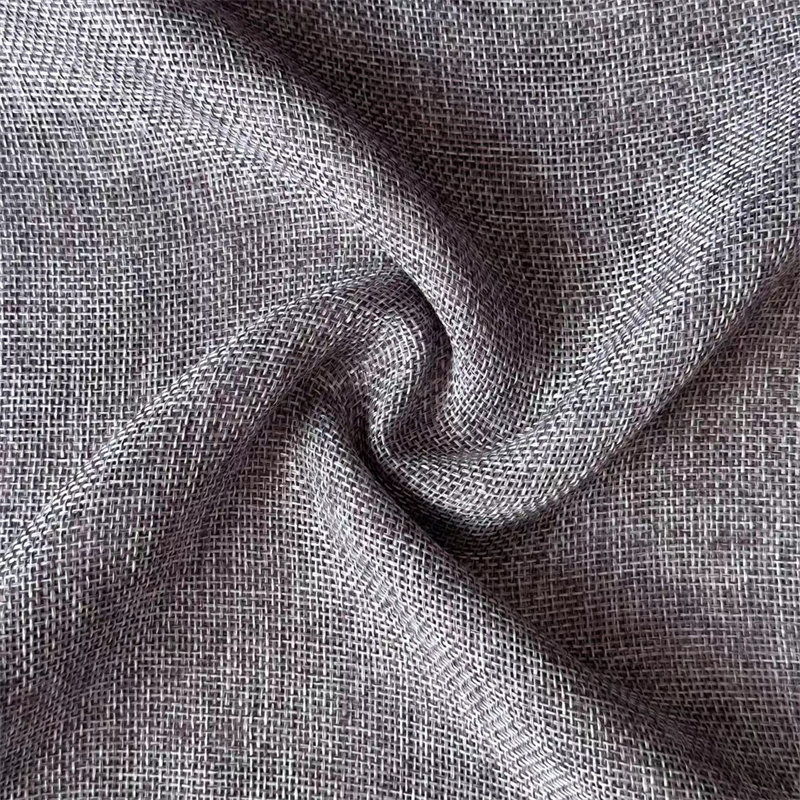
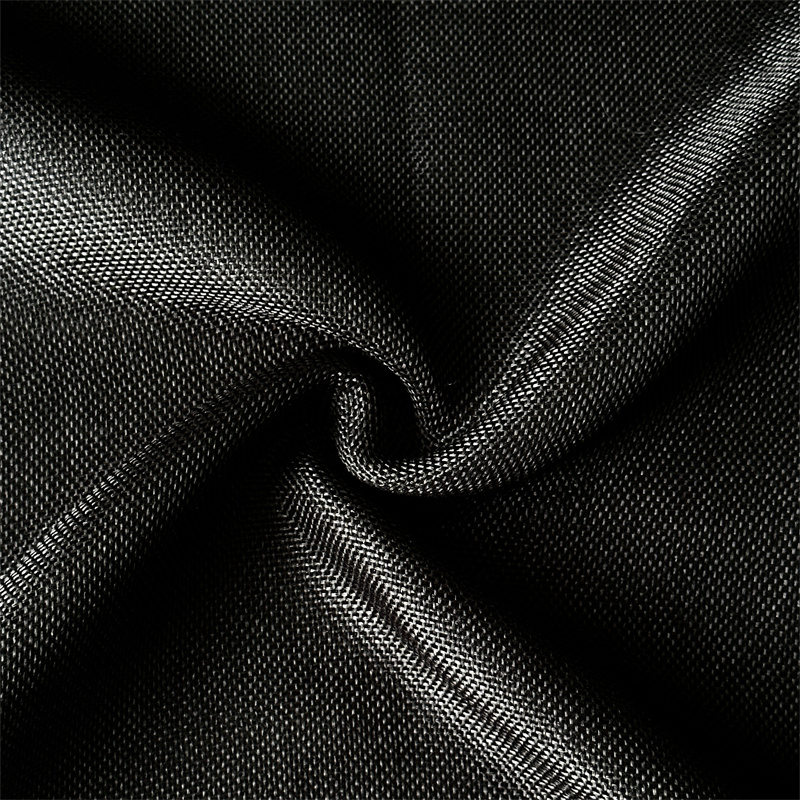
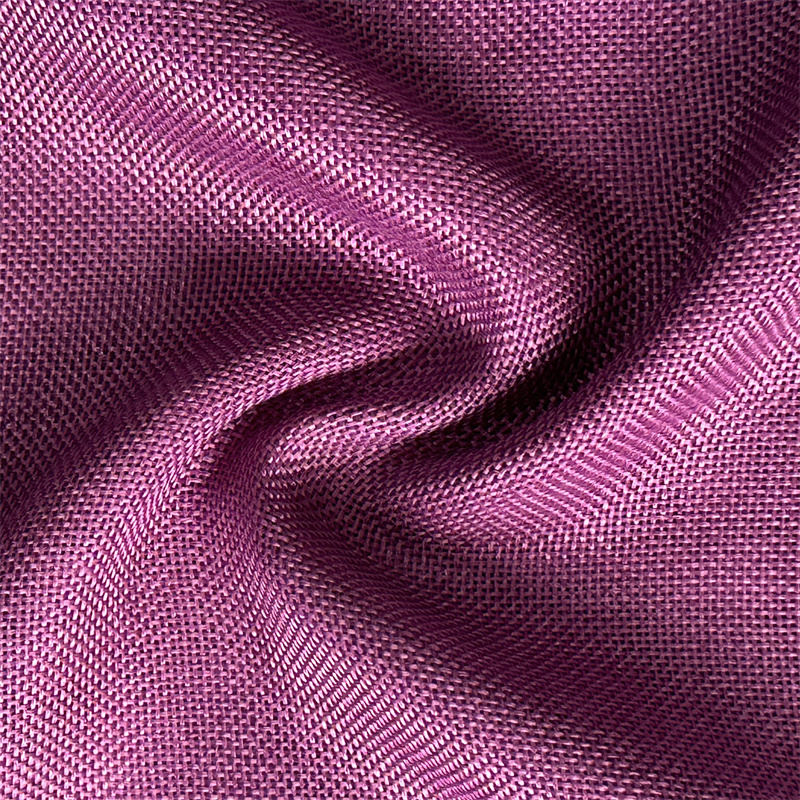
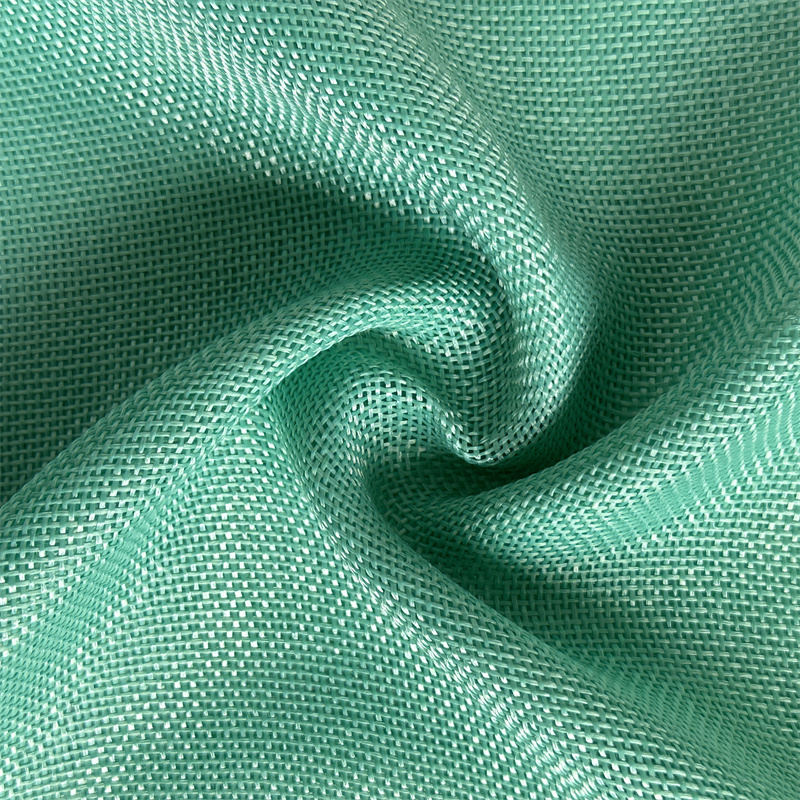
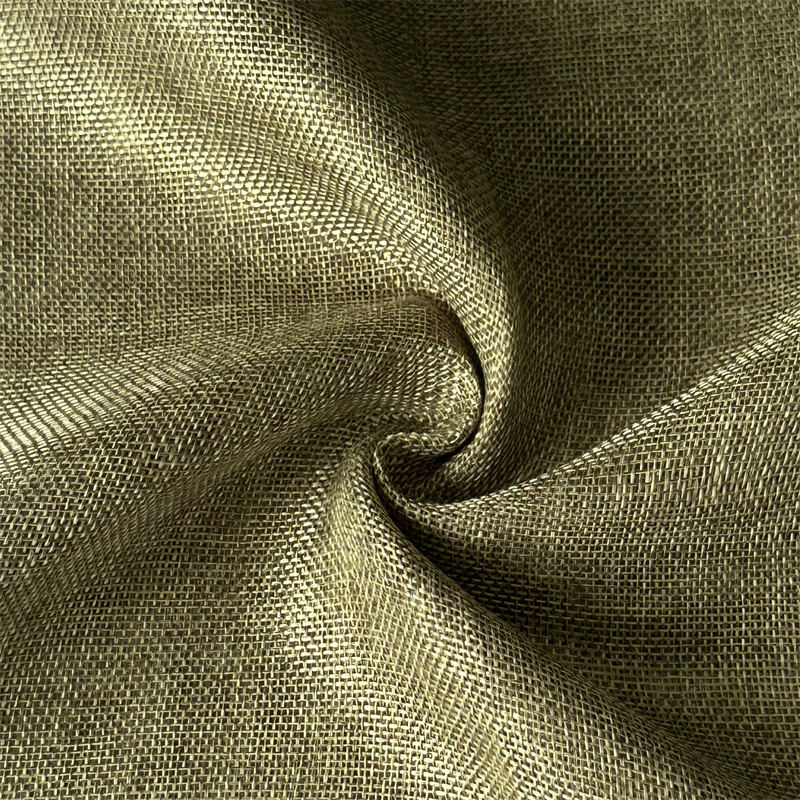
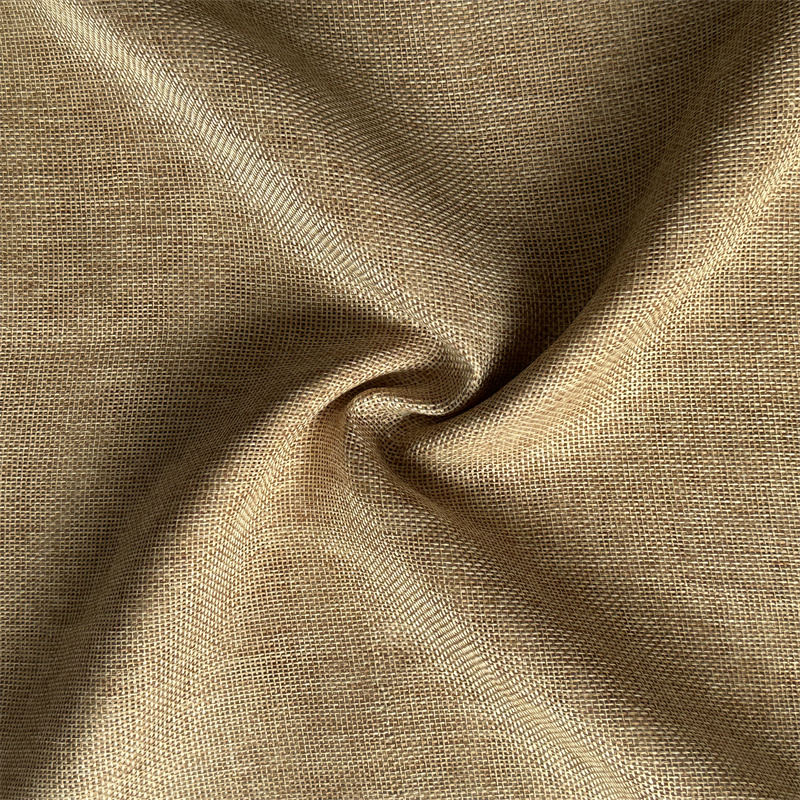
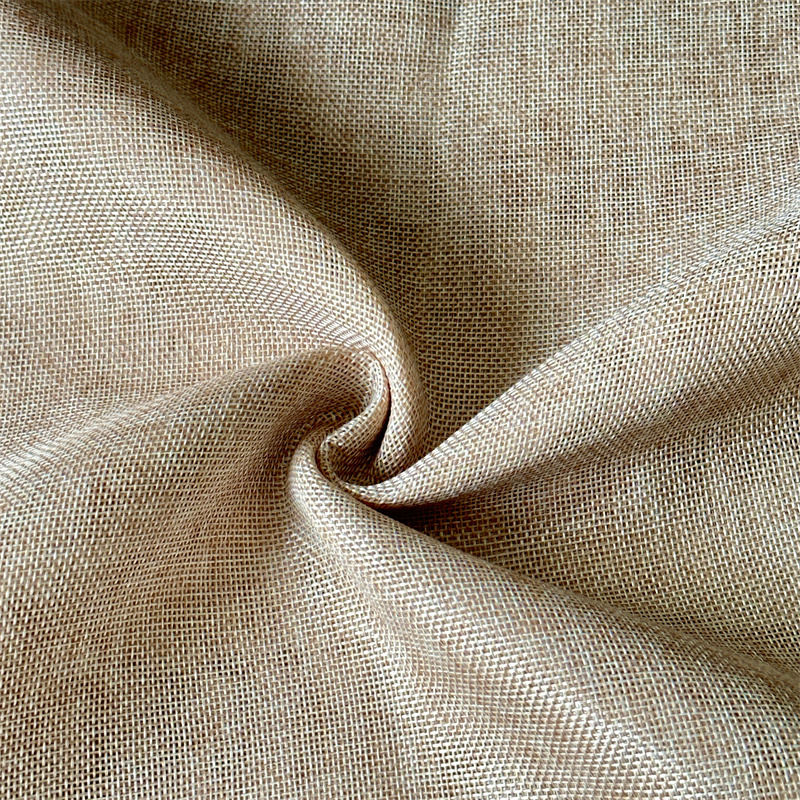
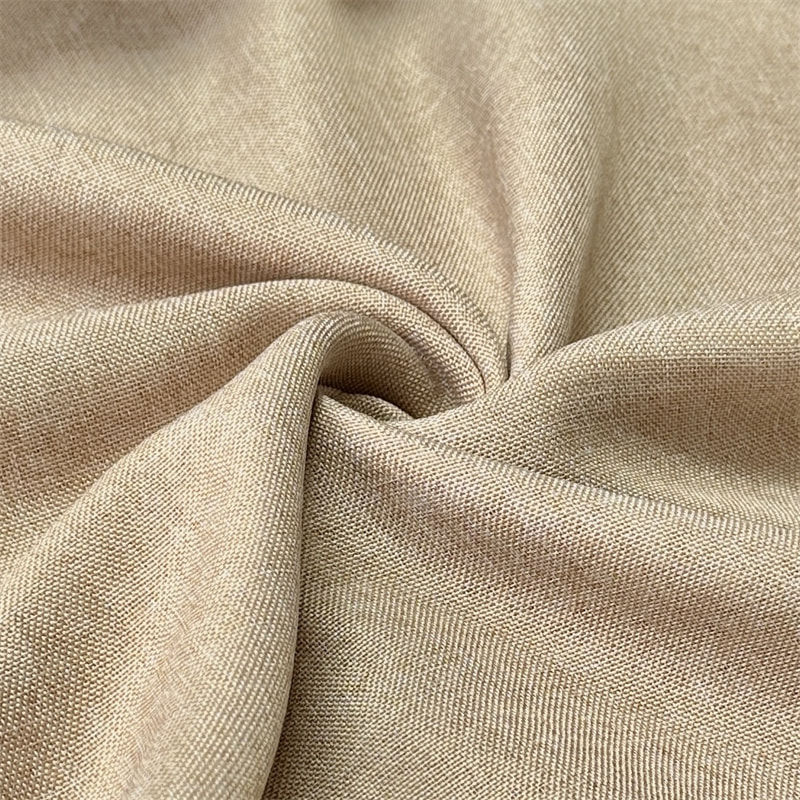
165gsm 99.99% polyester faux linen fabric is a purpose-engineered textile that replicates the visual texture and natural appearance of genuine linen using almost entirely polyester fiber. The designation "165gsm" refers to the fabric's weight measured in grams per square meter, which places this material in the medium-weight category — substantial enough for structured applications like drapery, upholstery panels, and tailored garments, yet light enough to drape fluidly for decorative and apparel uses. The 99.99% polyester composition means the fabric is essentially a pure synthetic textile, with only trace amounts of other fibers or processing agents present.
The faux linen effect is achieved through a specialized weaving technique that mimics the slubbed, slightly irregular surface texture characteristic of natural linen. Genuine linen develops its distinctive appearance from the natural variation in flax fiber thickness, which creates subtle irregularities in the woven surface. In polyester faux linen, this effect is replicated either through the use of thick-and-thin yarns — filament polyester threads that are intentionally varied in diameter during extrusion — or through specific weave structures that create surface variations closely resembling the natural slub of linen fiber. The result is a fabric that carries the aesthetic qualities of linen while retaining all the practical performance advantages of polyester.
Why Does the 165gsm Weight Matter for This Fabric?
Fabric weight is one of the most practically important specifications when selecting a textile for any application, and 165gsm represents a deliberate engineering choice for polyester faux linen. Understanding what this weight means in practical terms helps buyers assess whether it is the right specification for their specific end use before committing to a purchase or production run.
At 165gsm, this fabric sits comfortably between lightweight shirting fabrics — typically 80 to 120gsm — and heavier upholstery-weight textiles that begin above 250gsm. This medium weight gives the fabric enough body to hang well as a curtain or drapery panel without requiring additional lining for opacity and structure. It is substantial enough to be sewn into cushion covers, tote bags, and light upholstery panels that need to hold their shape, yet it remains workable on standard domestic and industrial sewing machines without requiring heavy-duty needles or specialized equipment.
For apparel applications, 165gsm strikes a balance between structure and comfort. It is appropriate for unlined blazers, structured shirts, lightweight trousers, and summer dresses where the garment needs enough body to maintain its silhouette without feeling heavy or restricting movement. Below this weight, the fabric might appear limp or translucent. Above it, the fabric could feel overly stiff for garments intended for warm-weather wear, which is one of the primary contexts where linen-look fabrics are typically chosen.
What Are the Key Properties of 99.99% Polyester Faux Linen?
The near-pure polyester composition of this fabric delivers a well-defined set of performance characteristics that differentiate it clearly from natural linen and from blended faux linen fabrics that incorporate cotton, viscose, or actual linen fibers. Each of these properties has direct implications for how the fabric performs across different applications and environments.
- Wrinkle resistance: One of the most significant practical advantages over genuine linen is polyester's inherent resistance to creasing. Natural linen wrinkles heavily with normal use and requires frequent pressing, while 99.99% polyester faux linen retains its smooth appearance through wear and washing, making it far lower maintenance in daily use.
- Dimensional stability: Polyester fibers do not absorb water in the way natural cellulose fibers do, which means the fabric does not shrink, stretch, or distort when washed. This dimensional stability is critical for applications like made-to-measure curtains or fitted upholstery panels where precise dimensions must be maintained after laundering.
- Colorfastness: Polyester accepts disperse dyes that bond deeply within the fiber structure, resulting in excellent resistance to fading from washing, light exposure, and abrasion. This makes 165gsm polyester faux linen suitable for applications with significant UV exposure, such as curtains in south-facing rooms or outdoor-adjacent textiles.
- Durability and abrasion resistance: Polyester fiber has significantly higher tensile strength and abrasion resistance than linen or cotton, which means fabrics made from it withstand physical wear much better. For upholstery applications, this translates into longer service life before surface degradation becomes visible.
- Moisture management: Polyester is hydrophobic, meaning it does not absorb moisture readily. This property makes the fabric quick-drying and resistant to mildew in humid environments, but it also means it is less breathable against the skin than natural fiber linen, which is an important consideration for apparel applications in hot climates.
- Easy care: Machine washable at moderate temperatures, resistant to most household stains, and requiring no special storage conditions, 99.99% polyester faux linen is one of the most care-friendly textile options available for both residential and commercial applications.
How Does It Compare to Natural Linen and Other Faux Linen Options?
Making an informed choice between natural linen, blended faux linen, and 99.99% polyester faux linen requires understanding the specific trade-offs each option presents across the criteria that matter most for a given application. The comparison below provides a structured overview of how these fabric types stack up against each other.
| Property | Natural Linen | Linen-Cotton Blend | 99.99% Polyester Faux Linen |
| Wrinkle Resistance | Poor | Moderate | Excellent |
| Breathability | Excellent | Good | Moderate |
| Dimensional Stability | Moderate | Moderate | Excellent |
| Colorfastness | Moderate | Moderate | Excellent |
| Cost | High | Medium | Low–Medium |
| Ease of Care | Moderate | Good | Excellent |
| Linen Visual Effect | Authentic | Very Close | Close |
This comparison illustrates the core value proposition of 165gsm 99.99% polyester faux linen: it sacrifices some breathability and the fully authentic linen appearance in exchange for significantly superior wrinkle resistance, dimensional stability, colorfastness, and ease of care — while typically costing less than natural linen or quality linen-cotton blends. For applications where the linen aesthetic is desired but the maintenance requirements of natural linen are impractical, this fabric delivers a compelling and cost-effective alternative.
What Are the Primary Applications for This Fabric?
The combination of medium weight, linen-like appearance, and robust polyester performance characteristics makes 165gsm faux linen fabric suitable across a diverse range of end-use markets. Its versatility is one of its most commercially valuable attributes, allowing fabric manufacturers and wholesalers to supply a single SKU across multiple customer segments.
Home Textiles and Interior Décor
Window treatments are among the most popular applications for 165gsm polyester faux linen. The fabric's weight provides sufficient drape and body for lined or unlined curtain panels, while its excellent colorfastness ensures that colors remain vibrant even in rooms with high sun exposure. Its dimensional stability means that curtains maintain their original length and width after washing — a critical practical benefit for precisely hemmed window treatments. Cushion covers, table runners, placemats, and decorative pillow shams are also common applications, where the linen texture adds visual warmth to interior schemes without the maintenance complexity of natural linen.
Fashion and Apparel
In fashion, 165gsm polyester faux linen is used for warm-weather garments that benefit from the casual, natural aesthetic of linen without its tendency to wrinkle heavily during wear. Blazers, wide-leg trousers, structured shirts, midi skirts, and lightweight dresses are all commonly produced in this fabric. Its stable dimensions and machine washability make it particularly practical for casual ready-to-wear collections aimed at consumers who want a polished appearance without dry-clean-only care requirements.
Bags, Accessories, and Craft Applications
The medium weight and structural body of 165gsm faux linen make it well-suited for tote bags, market bags, pouches, and craft project bags. The fabric holds its shape without requiring interfacing for simple bag constructions, cuts cleanly without excessive fraying, and presents well as a base for embroidery, screen printing, and heat transfer vinyl applications. These properties have made it a popular choice among independent makers and small batch craft producers who need a fabric that is easy to work with, visually attractive, and affordable at moderate quantities.
What to Check When Sourcing 165gsm Polyester Faux Linen in Bulk
For buyers sourcing this fabric at commercial volumes — whether for manufacturing, wholesale, or large-scale interior projects — several technical and commercial factors deserve careful attention before finalizing a supplier relationship. Cutting corners in the evaluation process often results in costly production problems or product quality issues downstream.
- Weight tolerance verification: Confirm that the supplier's fabric consistently meets the 165gsm specification within an acceptable tolerance range — typically ±5gsm. Weight variation outside this range affects drape, opacity, and cutting yield, all of which have direct cost and quality implications in production.
- Fiber content certification: Request documentation confirming the 99.99% polyester composition, particularly if the fabric will be used in regulated markets where accurate fiber content labeling is legally required. Reputable suppliers should be able to provide third-party laboratory test reports.
- Colorfastness testing: Even with polyester's generally excellent dye retention, individual dye lots can vary. Request test reports covering colorfastness to washing (ISO 105-C06), light (ISO 105-B02), and rubbing (ISO 105-X12) for any colors you intend to use in production, particularly for upholstery or high-wear applications.
- Width consistency: Standard fabric widths for this category typically range from 150cm to 160cm. Verify width consistency across rolls in a batch, as width variation affects cutting pattern efficiency and can increase fabric waste significantly across a large production run.
- Shrinkage rate: Even 99.99% polyester fabrics can experience minor thermal shrinkage during finishing processes such as heat pressing or steam ironing. Request shrinkage data for both warp and weft directions so that pattern makers can account for any necessary adjustments in garment or soft furnishing construction.
- Minimum order quantities and lead times: Polyester faux linen fabrics are produced in standardized runs, and many suppliers impose minimum order quantities that can range from 100 meters to several thousand meters per color. Clarify these requirements early and align them with your production schedule and inventory capacity.
How to Care for Products Made from 165gsm Polyester Faux Linen
One of the most compelling selling points of 99.99% polyester faux linen is its straightforward care profile, which makes finished products from this fabric practical for everyday use in both residential and commercial settings. Understanding the correct care procedures helps end users maintain the fabric's appearance and extend product service life.
Machine washing at 30°C to 40°C on a gentle cycle is suitable for most products made from this fabric. Higher wash temperatures above 60°C are not recommended, as sustained heat can cause polyester fibers to relax and result in minor dimensional changes or surface dulling over time. Use a standard liquid laundry detergent rather than powder, which can leave residue in the fabric's textured surface weave. Tumble drying on a low heat setting is generally safe, and the fabric's wrinkle resistance means that items typically emerge from the dryer requiring little or no ironing.
If pressing is needed for garments or soft furnishings, use a cool-to-medium iron setting — typically marked as the synthetic or polyester setting on most household irons — and avoid high steam directed at close range, which can cause surface sheen or distortion in the weave structure. For curtains and large panel items, a steamer used at a distance of 15 to 20 centimeters is the safest and most effective finishing approach. Dry cleaning is not necessary for this fabric and offers no performance benefit over correct machine washing — a further practical and cost advantage over natural linen alternatives in institutional, hospitality, and rental textile applications.