

 中文简体
中文简体 Español
Content
- 1 What Is Imitation Silk Fabric and Why Is It Widely Used?
- 2 Key Characteristics of Imitation Silk Fabric
- 3 Types of Imitation Silk Fabric
- 4 Applications of Imitation Silk Fabric
- 5 Comparison Between Natural Silk and Imitation Silk
- 6 Advantages of Using Imitation Silk Fabric
- 7 Limitations and Considerations
- 8 How to Choose the Right Imitation Silk Fabric
- 9 Care and Maintenance Tips
- 10 Conclusion
What Is Imitation Silk Fabric and Why Is It Widely Used?
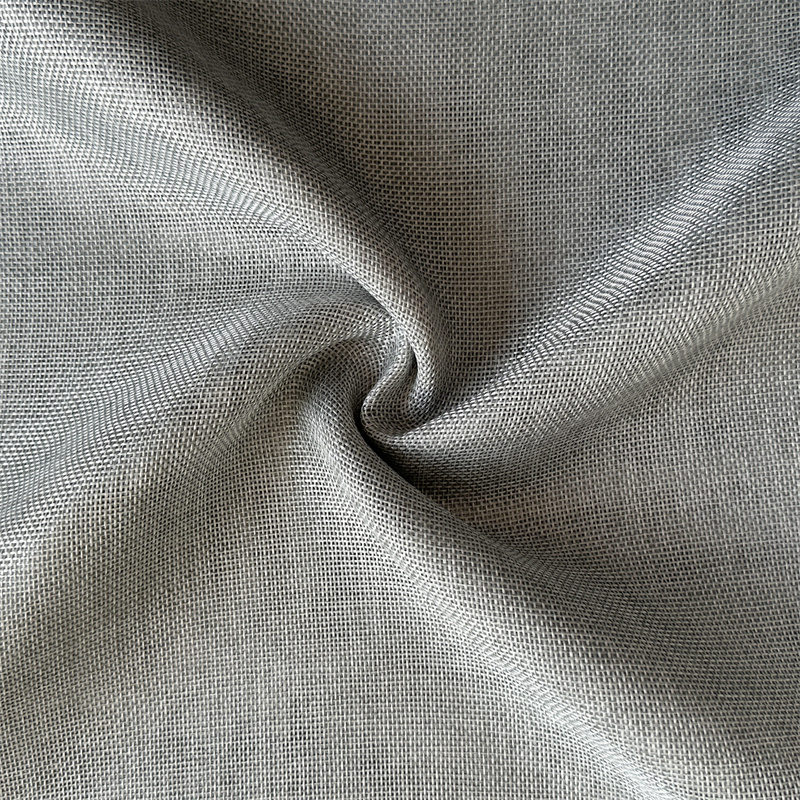
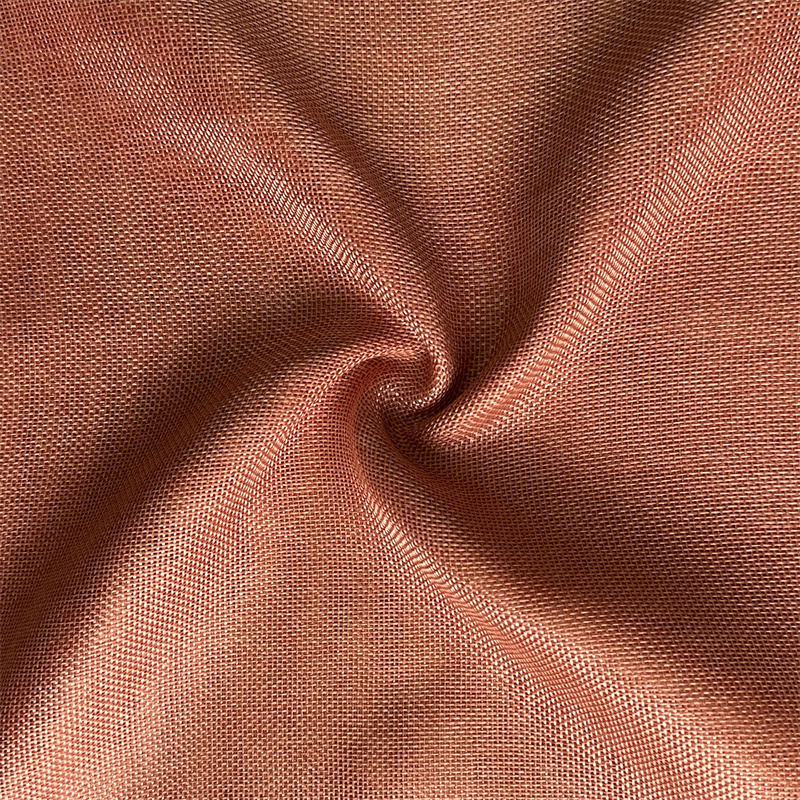
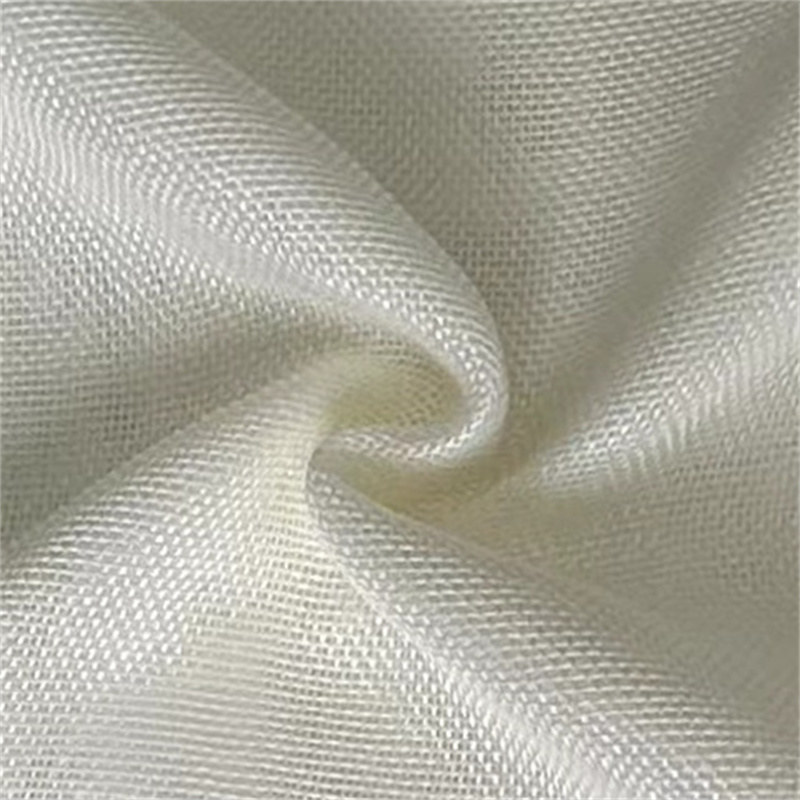
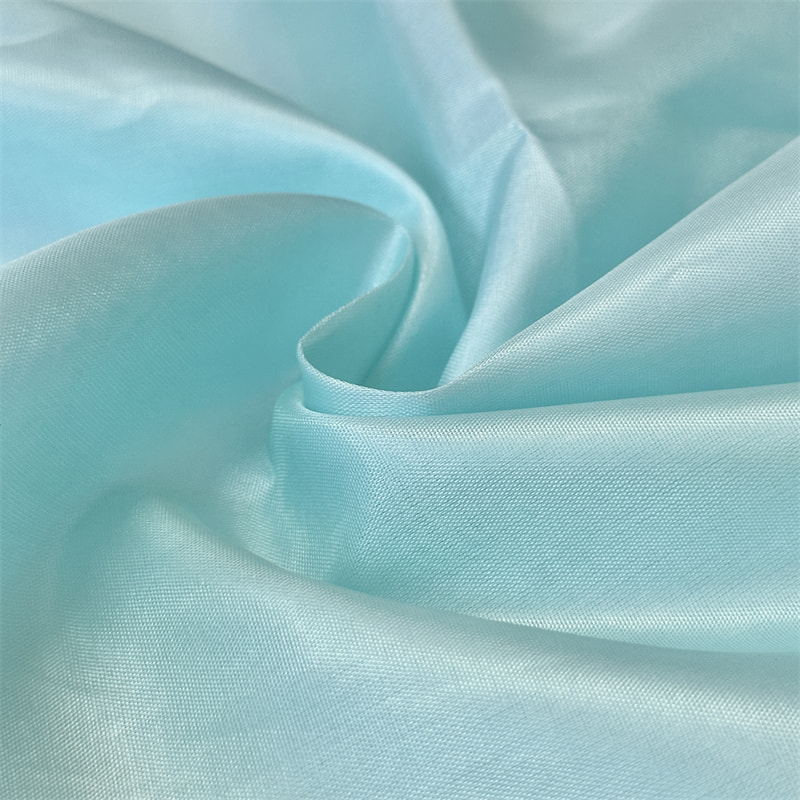
Imitation silk fabric refers to synthetic or semi-synthetic textiles designed to replicate the luxurious appearance and smooth texture of natural silk. Typically made from materials such as polyester, rayon, or nylon, imitation silk offers a cost-effective and durable alternative while maintaining an elegant sheen and soft drape.
Unlike genuine silk, which is derived from silkworm cocoons, imitation silk is manufactured through industrial processes that allow for consistent quality and large-scale production. This makes it particularly attractive for both fashion and home textile applications where affordability and performance are key considerations.
Key Characteristics of Imitation Silk Fabric
Understanding the core characteristics of imitation silk helps buyers and designers make informed decisions. These features are engineered to mimic silk while addressing some of its limitations.
- Smooth and glossy surface that resembles natural silk
- Lightweight structure with good draping properties
- Enhanced durability compared to delicate silk fibers
- Resistance to wrinkles and easier maintenance
- Wide range of colors, patterns, and finishes
These properties make imitation silk a practical substitute in many scenarios where natural silk may be too expensive or fragile.
Types of Imitation Silk Fabric
Imitation silk is not a single material but a category encompassing various fabric types. Each type offers unique performance characteristics depending on the raw material and production method.
Polyester Silk
Polyester-based imitation silk is one of the most common options. It is known for its strength, wrinkle resistance, and affordability. This type is widely used in garments, linings, and decorative textiles.
Rayon (Viscose) Silk
Rayon imitation silk offers a softer and more breathable feel compared to polyester. It closely resembles natural silk in texture, making it suitable for high-end apparel and scarves.
Nylon Silk
Nylon-based silk alternatives are valued for their elasticity and durability. They are often used in applications requiring flexibility, such as activewear or technical textiles.
Applications of Imitation Silk Fabric
Due to its versatility, imitation silk fabric is used across multiple industries. Its adaptability makes it suitable for both aesthetic and functional purposes.
Fashion and Apparel
Imitation silk is widely used in dresses, blouses, skirts, and evening wear. It provides a luxurious look without the high cost of real silk, making it accessible to a broader market.
Home Textiles
In interior decoration, imitation silk is used for curtains, cushion covers, and upholstery. Its sheen enhances the visual appeal of living spaces while offering better durability than natural silk.
Event and Decorative Fabrics
Event planners often choose imitation silk for tablecloths, drapes, and backdrops. Its elegant finish helps create a premium ambiance at weddings and corporate events.
Comparison Between Natural Silk and Imitation Silk
The following table highlights key differences between natural silk and imitation silk fabric to help users evaluate their options.
| Feature | Natural Silk | Imitation Silk |
| Source | Silkworm fibers | Synthetic or semi-synthetic |
| Cost | High | Affordable |
| Durability | Delicate | More durable |
| Maintenance | Requires special care | Easy to maintain |
| Appearance | Natural sheen | Artificial but similar shine |
Advantages of Using Imitation Silk Fabric
Imitation silk offers several practical advantages that make it a preferred choice in modern textile applications.
- Cost-effective alternative to natural silk
- Higher resistance to wear and tear
- Simplified washing and care requirements
- Consistent quality in mass production
- Suitable for a wide range of applications
Limitations and Considerations
Despite its advantages, imitation silk also has some limitations that should be considered during selection.
- May lack the breathability of natural silk
- Less eco-friendly depending on material composition
- Artificial feel in lower-quality variants
Evaluating these factors ensures the chosen fabric aligns with both functional and environmental expectations.
How to Choose the Right Imitation Silk Fabric
Selecting the right imitation silk fabric depends on the intended application and performance requirements. Buyers should consider several practical aspects.
Purpose of Use
For clothing, prioritize softness and breathability. For home décor, focus on durability and color retention.
Fabric Weight and Texture
Lightweight fabrics are suitable for garments, while heavier options work better for upholstery and curtains.
Colorfastness and Finish
Check whether the fabric maintains its color after washing and exposure to sunlight, especially for long-term use.
Supplier Quality
Reliable suppliers ensure consistent fabric quality and provide detailed specifications, which are essential for bulk purchasing.
Care and Maintenance Tips
Proper care extends the lifespan of imitation silk fabrics and preserves their appearance.
- Wash with mild detergent and cold water
- Avoid high heat during drying or ironing
- Store in a cool, dry place to prevent damage
Following these guidelines ensures the fabric retains its shine and structural integrity over time.
Conclusion
Imitation silk fabric stands out as a versatile and practical alternative to natural silk. With its balance of affordability, durability, and aesthetic appeal, it meets the needs of both consumers and manufacturers across various industries. By understanding its types, applications, and selection criteria, buyers can confidently choose the most suitable option for their specific requirements.