

 中文简体
中文简体 Español
Content
Jacquard fabric is defined by its intricate woven patterns, created directly within the structure of the textile rather than printed or embroidered on top of it. Named after Joseph Marie Jacquard, whose early 19th-century loom invention made complex weaving patterns commercially practical, this fabric remains a staple in upholstery, apparel, and fine home textiles today. This article explains how jacquard fabric is made, what distinguishes it from other patterned textiles, and what to consider when selecting it for different applications.
How Jacquard Fabric Is Woven
Unlike simple weaves that repeat the same over-under pattern across the entire fabric, jacquard weaving allows each individual warp thread to be raised or lowered independently, making it possible to create complex, detailed patterns directly within the fabric structure. This level of control is achieved through the jacquard loom mechanism, which uses a system of punched cards, or in modern looms, computerized controls, to dictate the movement of each thread according to the desired design.
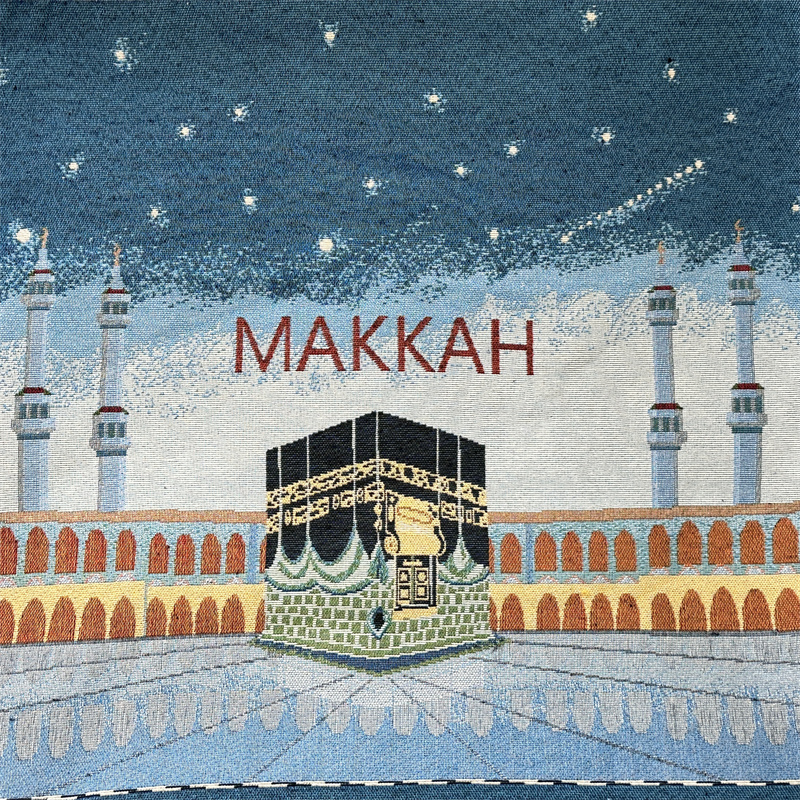
Because each thread can be controlled individually, jacquard weaving supports intricate motifs, from floral patterns and geometric designs to detailed pictorial scenes, that would be impossible to achieve with standard weaving techniques. This is what fundamentally separates true jacquard fabric from printed textiles that merely display a pattern on the fabric surface, since the design in jacquard fabric is woven into the very structure of the cloth, giving it texture and depth that a printed pattern cannot replicate.
Common Fibers Used in Jacquard Fabric
Jacquard weaving can be applied to a wide range of fiber types, and the choice of material significantly affects the fabric's final appearance, drape, and intended use. Understanding these fiber options helps in selecting the right jacquard fabric for a specific project or application.
| Fiber | Characteristics | Common Uses |
| Silk | Luxurious sheen, drapey | Formal wear, high-end drapery |
| Cotton | Breathable, matte finish | Bedding, casual apparel |
| Polyester | Durable, low maintenance | Upholstery, curtains |
| Wool blend | Warm, structured | Coats, tailored garments |
| Rayon/Viscose | Soft, fluid drape | Dresses, decorative textiles |
Popular Types of Jacquard Weave Patterns
Several distinct jacquard fabric styles have become well established over time, each recognized for a particular visual effect and level of complexity. Damask, one of the most traditional jacquard weaves, uses a single color throughout the fabric, relying on the contrast between matte and shiny sections created by different weave structures to reveal the pattern, making it a popular choice for elegant tablecloths and formal drapery.
Brocade takes the technique further by incorporating multiple colors and often metallic or supplementary threads to create a raised, embossed appearance, historically associated with luxurious garments and ceremonial textiles. Matelassé is another jacquard variation, distinguished by its quilted, puffy appearance achieved through a double-cloth weaving technique that creates a three-dimensional texture without any actual padding or stuffing between layers.
Key Jacquard Weave Styles
- Damask: single-color, tonal pattern through weave contrast
- Brocade: multi-color, raised embossed pattern effect
- Matelassé: quilted, three-dimensional woven texture
- Tapestry jacquard: dense, pictorial designs for upholstery and wall hangings
Jacquard vs Printed Fabric: Key Differences
Consumers often confuse jacquard fabric with printed textiles that display similar patterns, but the two differ significantly in construction, durability, and cost. Printed fabric starts as a plain woven base, with the pattern applied afterward using dye or ink directly onto the fabric surface. Because the pattern sits on top of the fabric rather than within its structure, printed designs can fade, crack, or wear away with repeated washing and use, particularly in areas subject to friction like upholstered furniture arms or frequently worn garment seams.
Jacquard fabric, by contrast, weaves the pattern into the fabric's actual thread structure, meaning the design is visible on both sides of the material, often as a reversed or inverted version of the front pattern, and does not fade or wear away the way surface-level printing can. This durability advantage is one of the main reasons jacquard remains a preferred choice for high-use applications like upholstery, where the fabric needs to maintain its appearance despite years of contact and wear.
Quick Comparison
- Jacquard: pattern woven into structure, visible on both sides, highly durable
- Printed fabric: pattern applied to surface, one-sided, prone to fading over time
- Jacquard generally costs more due to complex weaving process
- Printed fabric offers more design flexibility at a lower production cost
Choosing Jacquard Fabric for Specific Applications
For upholstery projects, durability and abrasion resistance should be the primary consideration, making polyester or polyester-blend jacquard a practical choice due to its resistance to wear, fading, and staining compared to more delicate natural fiber options. Checking the fabric's rub count, a standardized measurement of abrasion resistance, can help determine whether a specific jacquard fabric is suitable for high-traffic furniture versus lighter decorative use like throw pillows.
For apparel, the fiber content and weight of the jacquard fabric should match the intended garment style. Lightweight silk or rayon jacquard works well for flowing dresses and blouses, where drape and movement are important, while heavier wool-blend jacquard is better suited to structured outerwear like coats and blazers, where the fabric needs to hold its shape. Home textiles like curtains and bedding generally benefit from cotton or cotton-blend jacquard, which balances durability with the breathability needed for comfortable, long-term use.
Application-Based Fiber Recommendations
- Upholstery: polyester or polyester-blend for durability
- Formal apparel: silk or silk-blend for drape and sheen
- Outerwear: wool blend for structure and warmth
- Bedding and curtains: cotton or cotton blend for breathability
Caring for Jacquard Fabric
Proper care helps preserve the intricate weave and structural integrity of jacquard fabric over time. Dry cleaning is often recommended for silk or wool jacquard, since these natural fibers can be sensitive to the agitation and moisture exposure of standard machine washing, which could distort the fabric's woven pattern. Cotton and synthetic jacquard blends are generally more forgiving and can typically be machine washed on a gentle cycle with cold water, though checking the specific care label is always advisable given the variation in fiber blends used across different jacquard products.
Ironing jacquard fabric requires some caution as well, since high heat applied directly to the raised or textured areas of the weave can flatten the pattern's dimensional quality. Using a pressing cloth and a moderate iron setting, or steaming instead of direct ironing, helps maintain the fabric's textured appearance while still removing wrinkles effectively.
Jacquard fabric's woven-in patterns offer a level of durability and visual depth that printed textiles simply cannot match, making it a lasting choice across upholstery, apparel, and home decor applications. By understanding the different weave styles, matching fiber content to your specific use case, and following appropriate care practices, you can select and maintain jacquard fabric that continues to look elegant and perform well for years to come.