

 中文简体
中文简体 Español
Content
Choose a dress fabric for the way it behaves after cutting, not only for the way it looks on the roll. A beautiful cloth with the wrong weight or recovery can turn a clean pattern into a sagging, translucent garment. For this reason, professional buyers start with the intended end use, evaluate the fabric's physical properties, and only then confirm the aesthetic details. This guide walks through the main fabric types for dresses, the performance criteria that matter in production, and the points to verify before committing to a style.
What Makes a Dress Fabric Right?
Any dress fabric can be made into a dress. The question is whether it will keep the intended silhouette, remain comfortable in the intended climate, and survive the expected number of washes. Six properties determine this behavior.
The Six Factors That Decide Dress Fabric Behavior
- Weight. Measured in gsm, fabric weight sets the season and the silhouette. A 125 gsm polyester linen suits an airy shirt dress, while a 300 gsm version behaves closer to a structured mid-season shell.
- Drape. A fluid satin follows the body; a stiff jacquard holds its own shape. Pattern drafts are made for one drape behavior, not both.
- Opacity. Sheer fabrics such as chiffon need linings; opaque fabrics like satin often do not. Lining decisions change the unit cost immediately.
- Recovery. This is the fabric's ability to return to its original shape after stretching. Knit dresses especially need high recovery to avoid sagging at the hem and sleeves.
- Breathability. Air and moisture vapor transmission decide how the dress feels in warm weather. A non-breathable fabric can ruin a well-designed summer style.
- Care stability. Shrinkage, pilling, colorfastness, and wrinkle release after wash. This is the property that dominates post-sale complaints.
How to Read a Dress Fabric Specification
A spec sheet translates these six properties into numbers. Weight is listed in gsm or ounces per square yard, composition is listed as fiber percentages, and width is usually 140 to 160 cm for dress fabrics. The number that most buyers overlook is the shrinkage range. A cotton or natural linen dress fabric can shrink 3 to 8 percent in the first wash; a polyester blend usually stays well under that. Checking this figure on the spec before sampling saves the entire fitting team a great deal of patience.
| A dress fabric specification should answer six questions before a meter is cut for sampling. | ||
| Property | What to Verify | Production Impact |
| Weight (gsm) | Range suited to the garment type | Wrong weight changes pattern grading and hem behavior |
| Composition | Fiber percentages, not just the name | Blends perform differently from pure fibers |
| Width | Usable width and pattern repeat size | A narrow fabric increases fabric consumption per garment |
| Shrinkage | Percentage after first wash, finishing method | High shrinkage destroys fit after the first wash |
| Opacity | Test stretched and layered | Sheer fabrics require extra lining yardage |
| Care stability | Pilling, colorfastness, wash temperature | High-maintenance materials increase consumer complaints |
Everyday Dress Fabrics That Withstand Repeated Washing
Daily-wear dresses face warm washes, tossed bags, and long hours from breakfast to dinner. The fabric needs to keep color, resist pilling, and hold shape over dozens of cycles.
Cotton and Cotton Jersey
Poplin and broadcloth are the most common woven cottons for casual dresses. They are breathable, easy to print, and stable when cut. Cotton's weaknesses are well known: it creases, and low-quality poplin can show shine after repeated ironing. Cotton jersey, a knit, solves the creasing issue but brings its own challenge—poor recovery in 100 percent cotton versions. A cotton-blend jersey with a small percentage of elastane holds its shape much better.
Polyester Blends and Faux Linen
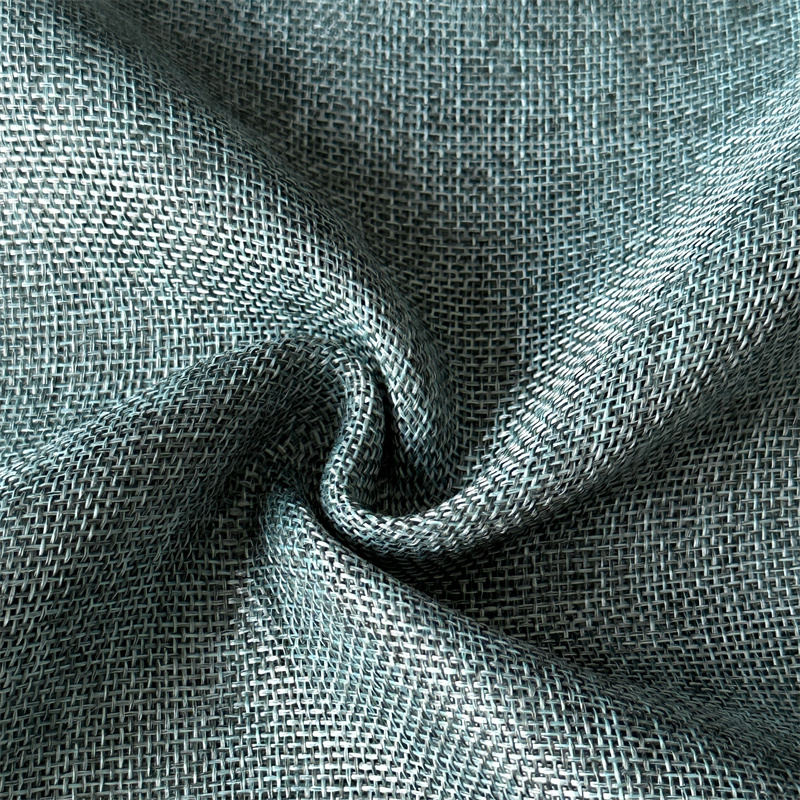
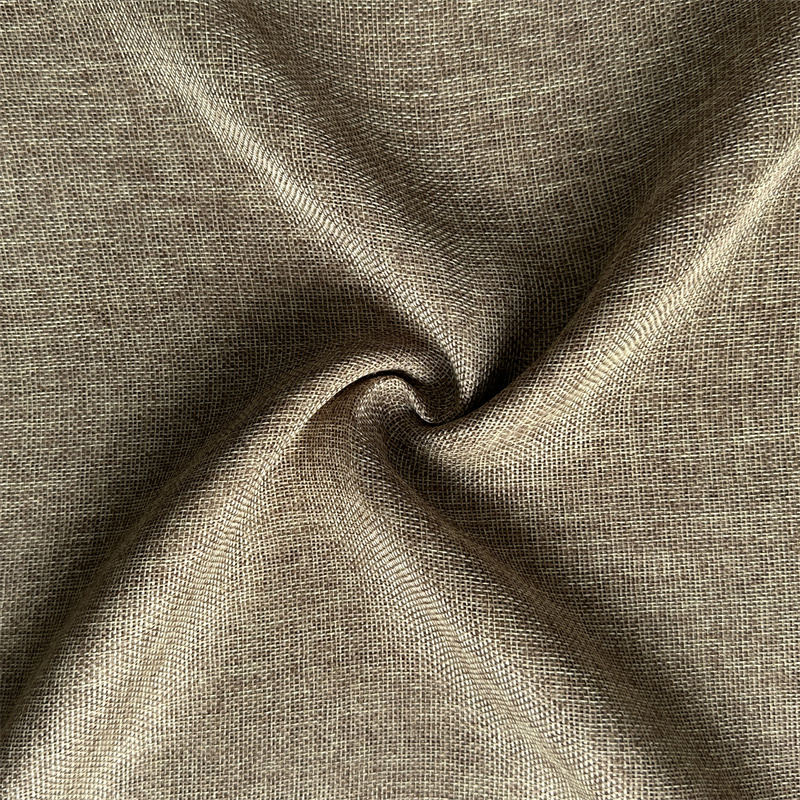
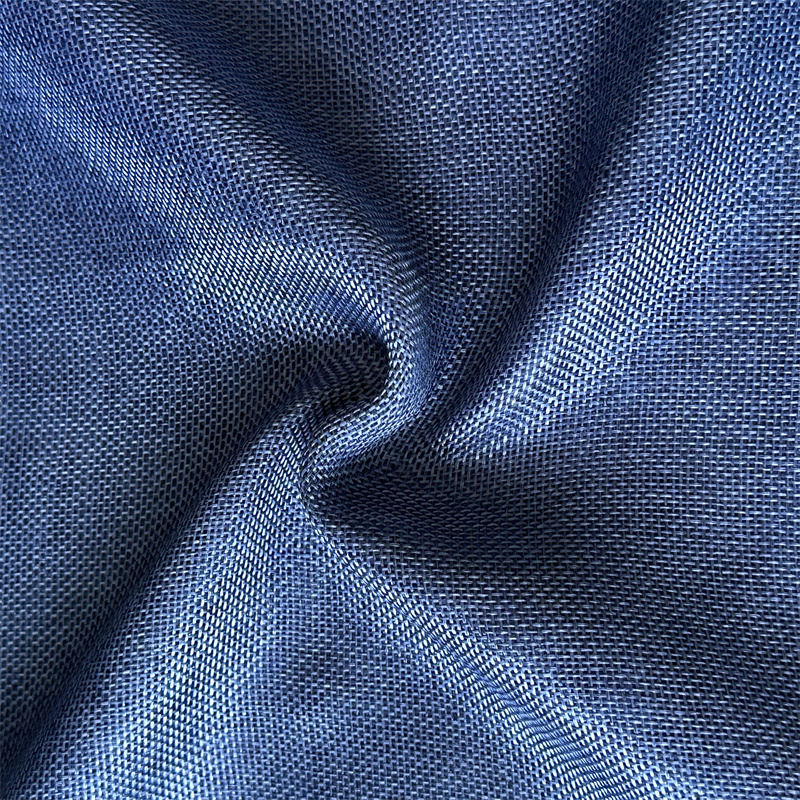
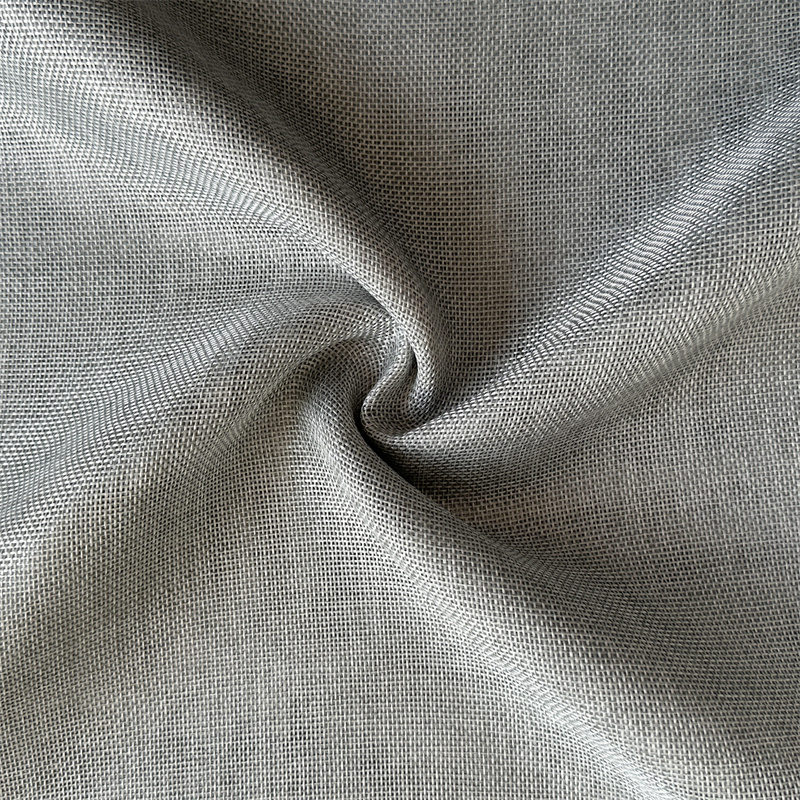
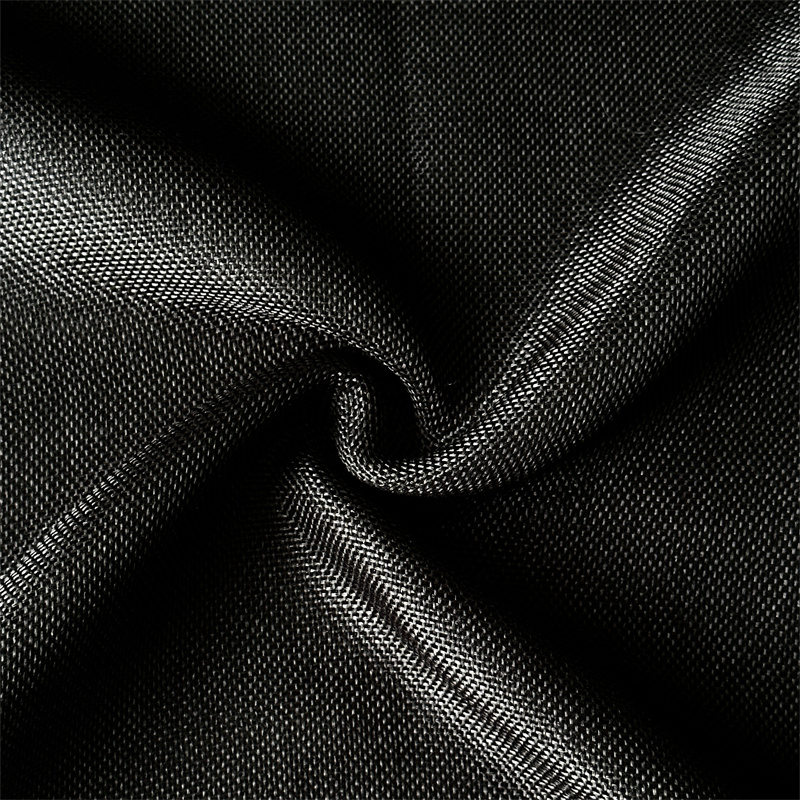
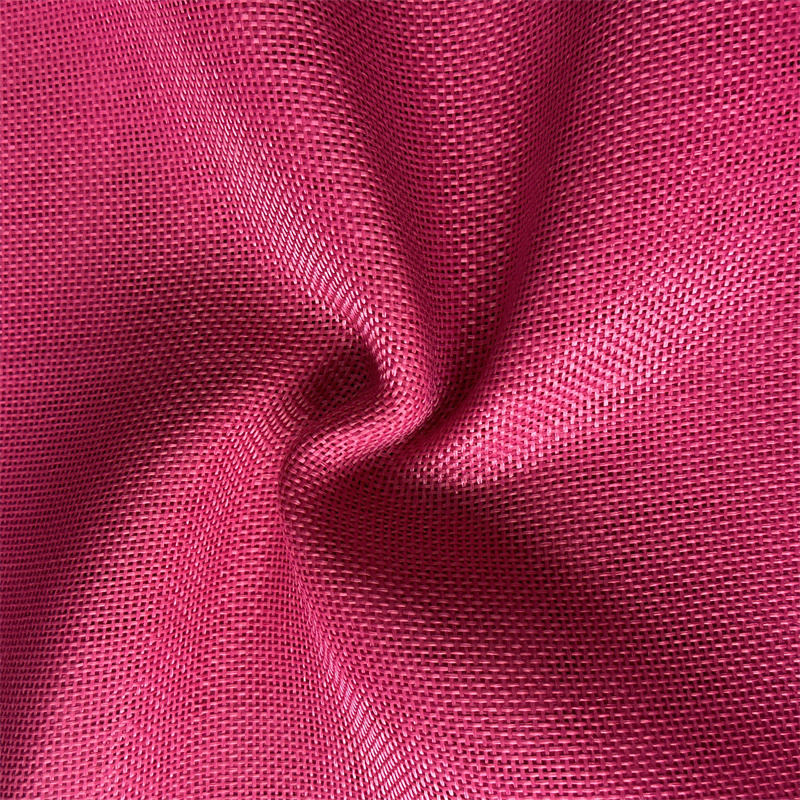
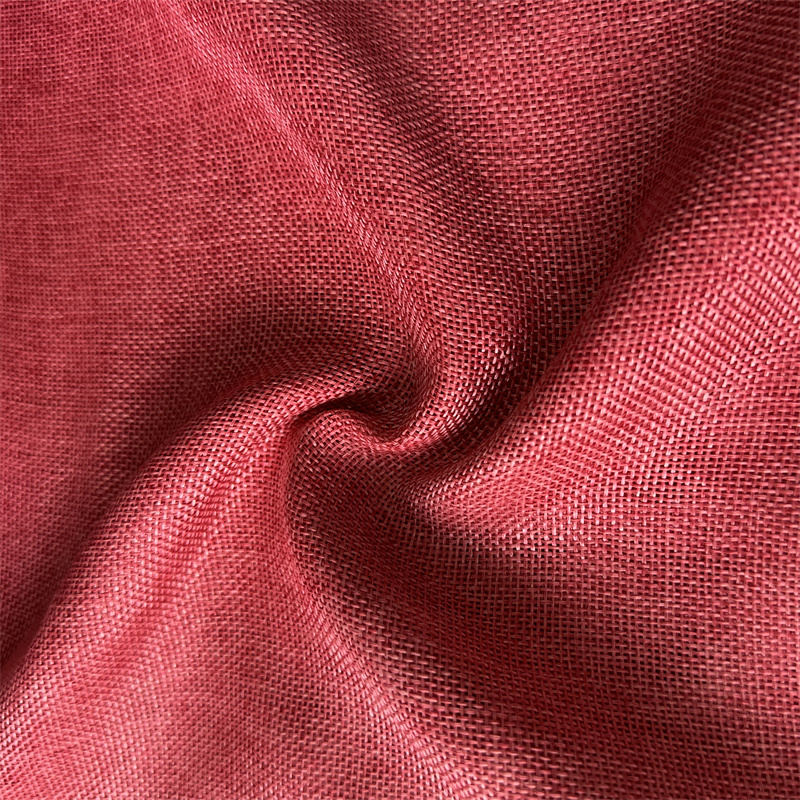
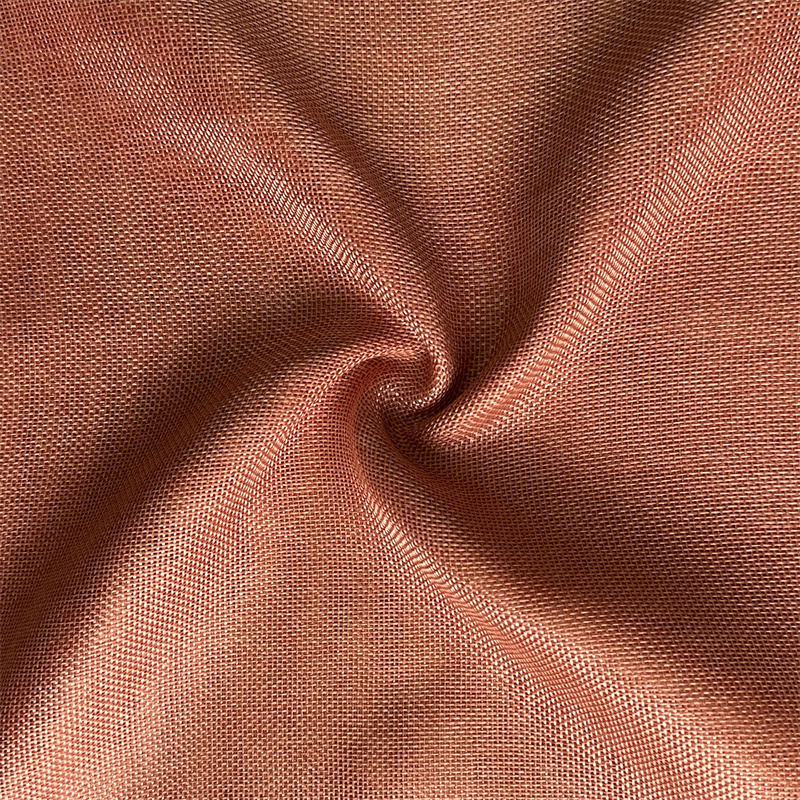
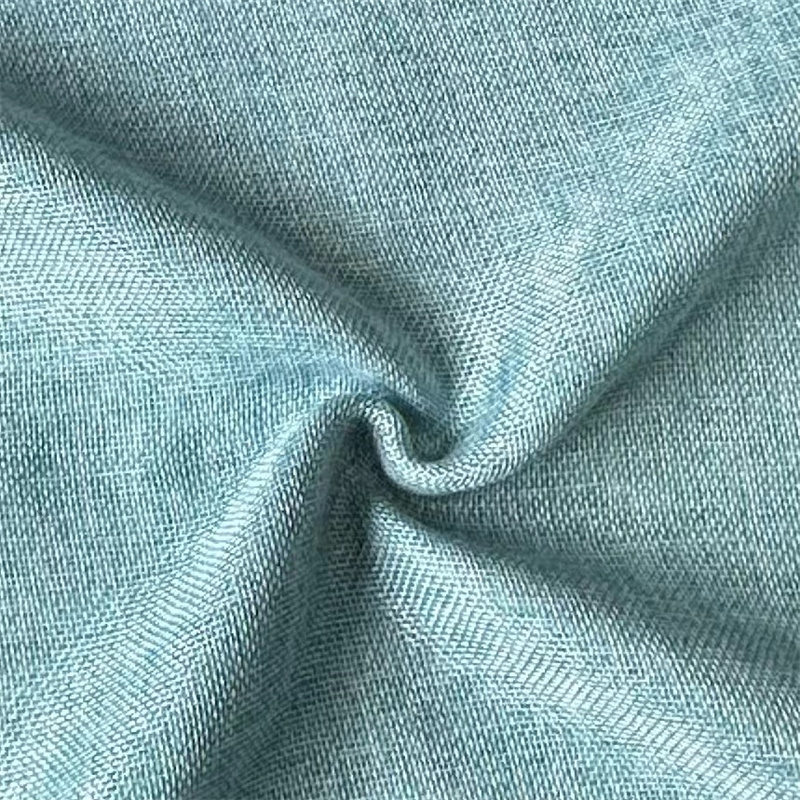
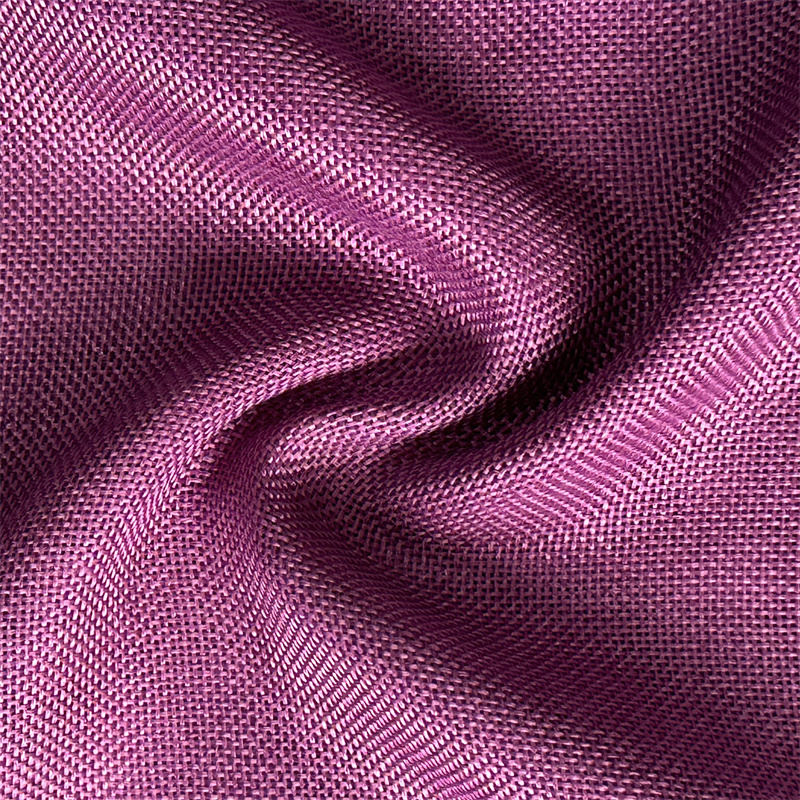
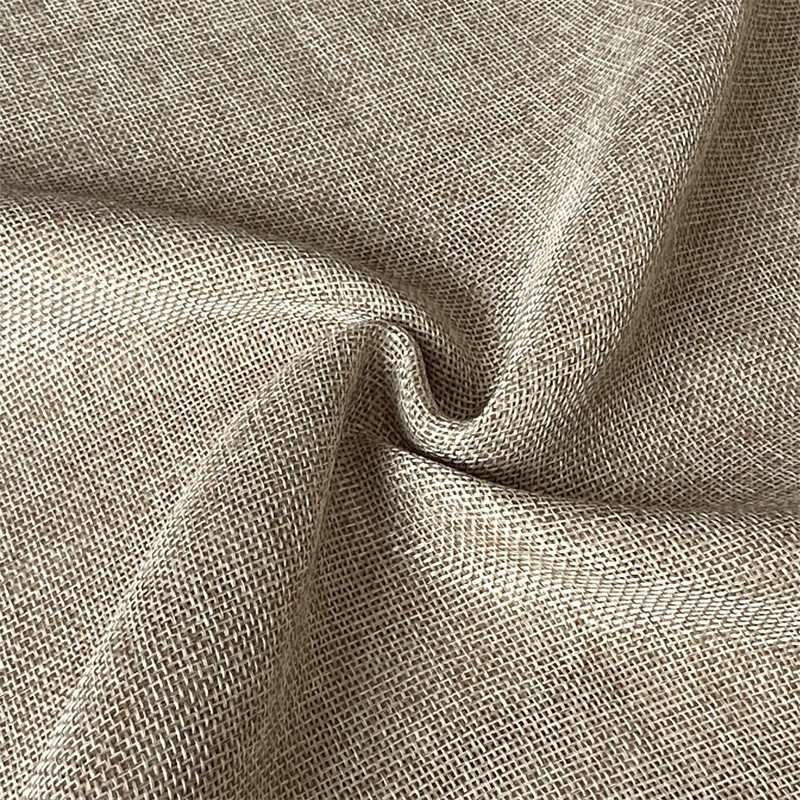
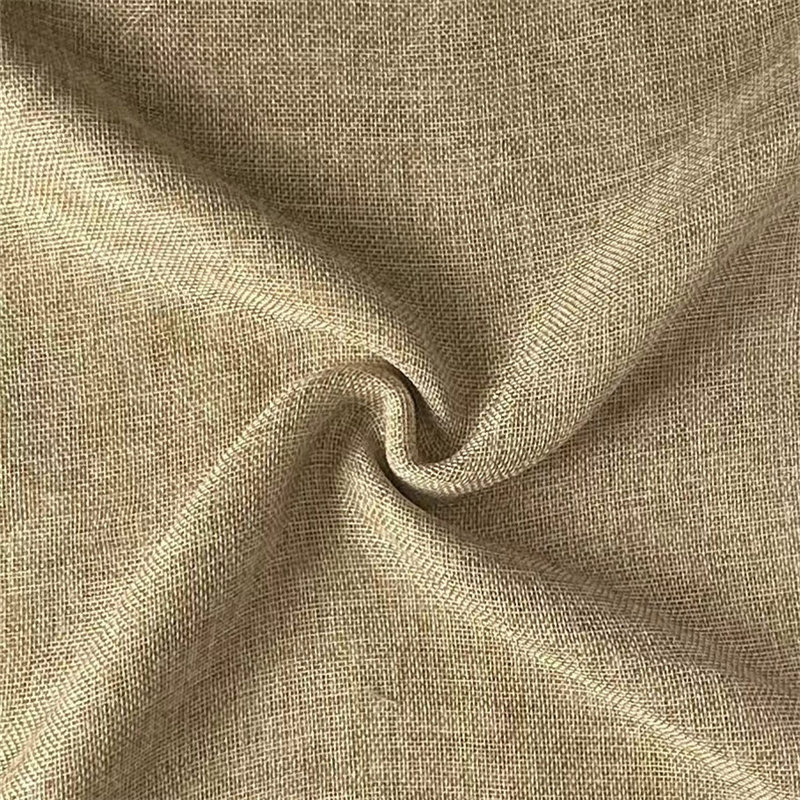
For dress programs that need a natural texture with easier care, polyester linen fabric is the workhorse. It reproduces the slub surface of linen but avoids much of the wrinkle memory and shrink behavior of natural fiber. Garment manufacturers regularly substitute it for linen in casual shirt dresses, pinafores, and wrap dresses, especially in solid colors where the imitation texture is less obvious. Buyers who want to compare the two options can review the key differences between polyester linen and natural linen before choosing a base.
The category is not limited to one weight. Faux linen is produced from around 125 gsm for summer tops up to 300 gsm for warmer seasons, so the same fabric type can cover several silhouettes in one product family. A supplier that carries both solid and plaid versions can simplify sourcing. Before scaling a style, it is worth examining a polyester linen fabric collection that spans weights, colors, and patterns side by side.
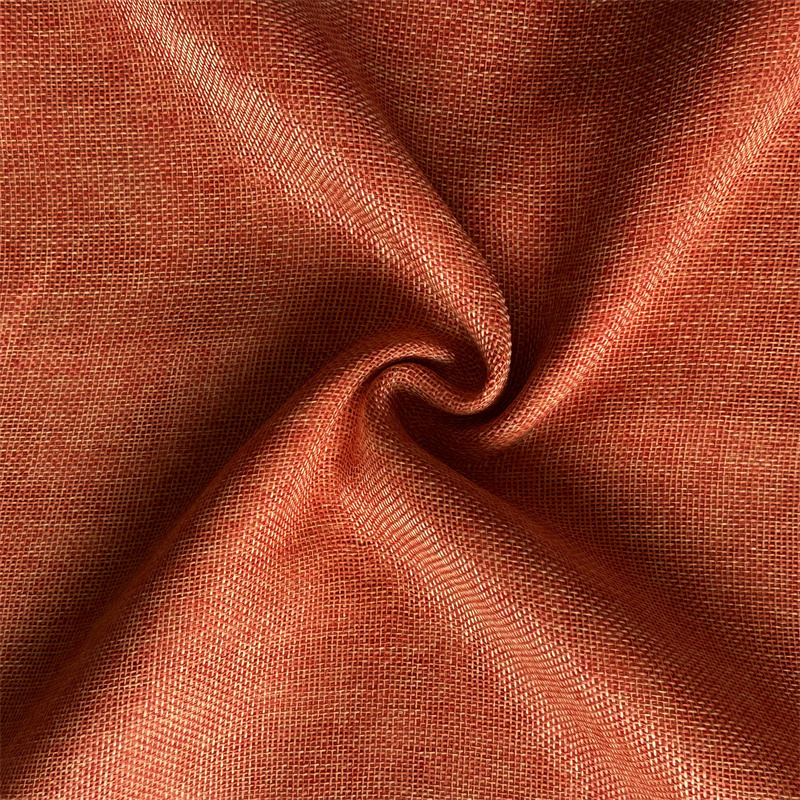 Custom Polyester Linen Fabric Manufacturers, FactoryTongxiang Miaoqisi Textile Co., Ltd. is China polyester linen fabric manufacturers and polyester linen fabric factory, manufacturing of c...View Product →
Summer Dress Fabrics Built for Heat and Humidity
Summer dress fabrics have to solve two problems simultaneously: letting heat escape and avoiding transparency after a few wears. Weight matters as much as fiber type.
Natural Linen vs. Polyester Linen
Natural linen has the classic summer reputation: it is absorbent, breathable, and gets softer with wear. It also wrinkles on a hanger, shrinks in an uncontrolled first wash, and requires careful wet finishing. Polyester linen removes most of these production risks while keeping the crisp hand and textured surface. The decision between the two comes down to the target price point and the care label the brand is willing to print. Programs that can justify an "iron or dry clean" label can use natural linen; programs that promise machine wash benefit from the blend. Performance data matters at this step. This discussion of polyester linen's moisture-wicking and breathability behavior covers how weave density and finishing affect warm-weather comfort.
Chiffon and Other Sheer Constructions
Chiffon is a lightweight, highly transparent fabric used for overlays, gathered sleeves, and loose summer layers. It is almost never used without a lining or another layer beneath. Its weak point is snagging: sharp edges on cutting tables are not optional, and even a rough fingernail can pull a thread. For dresses with a chiffon overlay, order a small extra percentage of yardage to cover the snags that will inevitably appear during sewing.
Evening Dress Fabrics: Drape and Luster Come First
Evening dresses reverse the priority list. Care stability moves down, surface luster and drape move up. One of the first choices is the satin family.
Satin for Gloss and Fluid Movement
Satin is a weave structure, not a fiber. It creates a smooth, glossy surface on one side and a matte back on the other. The luster level depends on the fiber: silk satin has the deepest sheen, polyester satin comes close at a more accessible price, and acetate satin adds an economical option with decent drape. Satin's slippery face creates a flowy bias-cut line, but it also shifts during cutting and sewing, so mills that handle satin regularly can advise on lay-planning.
Care is the main restriction. Satin garments are usually dry-cleaned or hand-washed, and heat can dull the luster permanently. In daily use and maintenance, controlled methods exist to extend the service life of satin fabrics, and dress brands should include these care steps on the label. For a collection with multiple evening styles, asking a supplier about their satin fabric options in different weights helps in matching the shell to the silhouette.
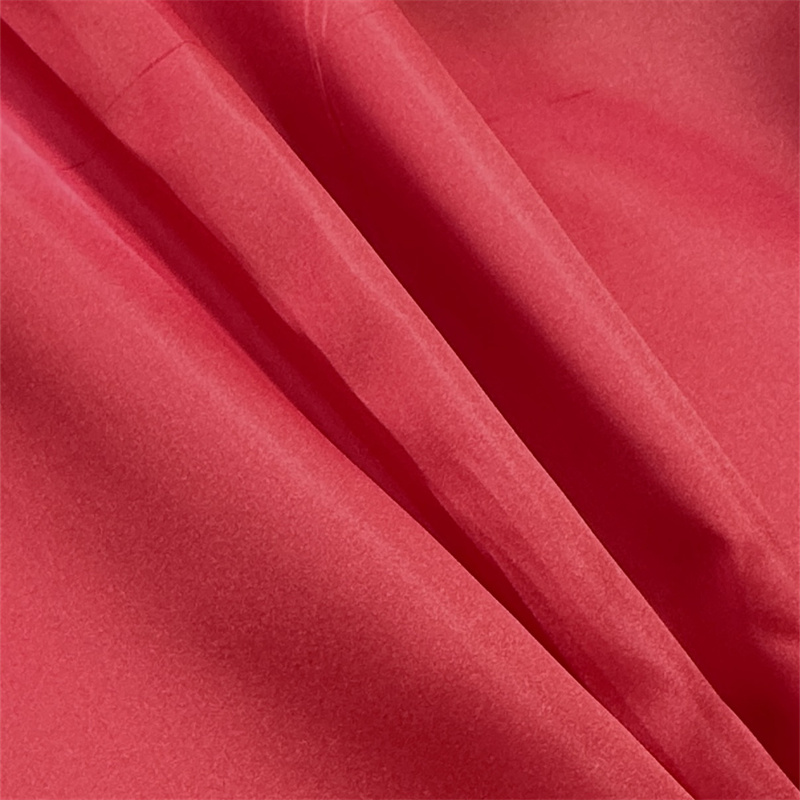 Satin Fabric Suppliers, Custom Satin Fabric ManufacturersTongxiang Miaoqisi Textile Co., Ltd. is China satin fabric suppliers and satin fabric manufacturers, focus on manufacturing of custom sat...View Product →
Silk and Imitation Silk as Practical Upgrades
Pure silk is the benchmark for smoothness and drape, but it is expensive, sensitive to perspiration, and requires dry cleaning. Imitation silk, almost always polyester-based, is engineered to reproduce silk's sheen and softness at lower cost. Because it is a synthetic fiber, imitation silk can also be treated to improve properties such as stain resistance or UV protection, which matters for rental evening wear and outdoor events. For most commercial dress lines, the imitation silk route delivers a comparable look with a wider tolerance for everyday use.
Structured Dress Fabrics for Shape and Texture
Not every dress should follow the body. A-line coats, cocktail sheaths, and sculptural sleeves need materials with body that keep their shape across a full day.
Jacquard in Allover and Positioned Layouts
Jacquard is woven with raised motifs that are part of the fabric structure rather than printed on it. Dress designers use jacquard when they want a rich texture that survives repeated wear. In sourcing, the choice between allover jacquard and positioned jacquard is significant. Allover jacquard has a continuous pattern across the entire width, so cutting efficiency is high. Positioned jacquard places the motif at controlled locations such as the front panel, which creates a precise look but requires matching the pattern during cutting and increases fabric consumption. Brands new to jacquard dresses should calculate this extra yardage before finalizing costs. Suppliers with jacquard looms can usually confirm repeat size and pattern placement options; reviewing a jacquard fabric range with allover and positioned designs helps before the first strike-off.
 Jacquard Fabric Manufacturer, Custom Jacquard Fabric FactoryTongxiang Miaoqisi Textile Co., Ltd. is China jacquard fabric manufacturers and jacquard fabric factory, manufacturing of custom jacquard...View Product →
Crepe for Matte, Low-Cling Silhouettes
Crepe shares a decorative quality with jacquard but achieves it differently: its crinkled surface is the result of high-twist yarns, producing a matte, slightly textured look that does not cling to the body. Textured crepe is common in slip dresses and bias-cut styles because its moderate weight gives movement without cling. Crepe also hides wrinkles better than satin, which is why it appears often in travel-friendly dress collections.
Verify These Points Before Committing to a Fabric
A fabric that performs well on a sample card can still behave differently in production. The verification process reduces the risk.
Physical Testing on Full-Width Swatches
- Cut and sew a real toile with the actual fabric, not a substitute. Order a full-width sample or a short production piece.
- Measure weight and compare it with the specification. A variation of plus or minus 5 percent is normal; beyond that, recalculate costs.
- Run one wash and one tumble-dry cycle with the same finish the mill will use, because finishing temperature changes shrinkage.
- Test opacity on the body. Fold the fabric double in the exact number of layers the design will use and hold it against natural light.
- Check colorfastness with a wet-and-rub test. Dark backgrounds and printed styles are the highest risk.
Confirm Stock, MOQ, and Production Lead Time
Once the fabric passes the technical checks, commercial factors determine whether it is realistic for the season. Ask about the minimum order quantity per color and confirm whether the mill keeps stock or produces to order. Mills that stock multiple dress fabric styles in volume can shorten lead time dramatically; a mill with over 2,000 meters per stocked item, for example, can often cut and ship while a made-to-order supplier is still scheduling the loom. Confirm also the maximum delivery width, because lay-planning depends on it. Integrated weaving and finishing reduces the number of handoffs, which is why fabric choices made earlier in the process consistently deliver fewer surprises at the sewing stage.
The best dress fabric is the one that survives the transition from sample approval to production reality. Weight and opacity define the silhouette; recovery and care stability define the long-term performance; stock and lead time define whether the program runs on schedule. Use the evaluation steps above, and the fabric choice stops being a guess.