

 中文简体
中文简体 Español
Content
Start With the End Use, Not the Fiber Name
Imagine you have just received four swatches of linen viscose blend fabric from three different suppliers. The fiber percentages on the spec sheets match, yet every swatch feels different in the hand. After a cold machine-wash test, two samples have shrunk by more than 4%, while the other two stay close to 1.5%. This is not an unusual outcome in fabric sourcing, and it explains why decisions about this blend should start with performance rather than fiber ratios alone.
The short version is this: a 55/45 to 75/25 viscose-linen ratio delivers the soft drape and breathability that make the blend popular for summer apparel, but it also carries measurable risks in shrinkage, wet strength, and care. If your production line needs stable garment dimensions, machine-wash convenience, and consistent color across large batches, a well-made polyester faux linen can give the same linen aesthetic with fewer variables. The sections below explain what each fiber contributes, where viscose-linen blends genuinely shine, and what to verify before placing a bulk order.
What Linen and Viscose Actually Contribute
Linen brings a crisp natural texture, high absorbency, and the recognizable slubby surface that consumers associate with premium summer clothing. It feels cool against the skin in hot weather, which is why it has a long history in warm-climate apparel. Viscose, a regenerated cellulose fiber, adds softness, fluid drape, and a smoother face. When combined, the two produce a fabric that keeps part of linen's character while gaining the movement and comfort that viscose provides.
Why These Two Fibers Are Combined
The pairing solves a practical problem. Pure linen can be stiff, prone to creasing along fold lines, and difficult to cut and sew cleanly in lightweight weights. Pure viscose drapes beautifully but lacks body and can feel limp in a simple shirt or jacket pattern. Blending the two gives a middle ground: enough structure from the linen for tailoring, enough flow from the viscose for soft silhouettes, and a surface texture that plain viscose cannot imitate.
Common Blend Ratios and What They Change
Commercial mills typically produce 75/25, 70/30, 55/45, or 50/50 viscose-linen constructions. More viscose means a softer hand and better drape; more linen means more texture, absorbency, and a stiffer body. The right ratio depends on the end use. Loose-fit trousers and summer dresses usually favor a higher viscose share, while structured shirts, skirts, and lightweight jackets hold their shape better with a higher linen share.
| Common viscose-linen blend ratios and the behavior each ratio produces. Actual results vary with yarn count, weave, and finishing, so confirm against physical samples before bulk ordering. | ||||
| Blend Ratio (Viscose/Linen) | Hand Feel | Drape | Wrinkle Tendency | Typical Applications |
| 75/25 | Soft and smooth with a subtle linen slub | Fluid, good movement | Moderate | Summer dresses, loose trousers, skirts |
| 60/40 | Noticeable linen texture | Balanced, structured flow | Higher | Shirts, blouses, casual blazers |
| 50/50 | Crisp, linen-dominant surface | More structure | Higher | Tailored jackets, heavier shirts, home textiles |
Performance in Real Garments and Real Laundry Cycles
Breathability and Moisture Management
Both fibers absorb water well, which makes the blend comfortable in dry warm conditions. Linen transports moisture away from the skin and dries relatively quickly. Viscose also absorbs, but it releases moisture more slowly, so it can feel damp in high humidity. If your customer is in a tropical market, ask for air-permeability and moisture-transport test data rather than assuming the fiber content guarantees comfort. For a side-by-side view, our review of moisture wicking and breathability in polyester linen shows how a synthetic blend handles the same warm-weather conditions.
Drape, Wrinkling, and Hand Feel
Viscose is the reason these fabrics move well in skirts and wide-leg trousers. But both fibers crease, and a viscose-heavy blend will wrinkle almost as much as pure linen. Lower-twist yarns and open weaves improve softness and increase wrinkling at the same time. Before committing to a style, decide whether a naturally wrinkled look fits the brand. If it does not, look for resin-finished fabric, and test a full sewn garment rather than a flat swatch.
Shrinkage, Wet Strength, and Care
This is the area that causes the most problems in production. Viscose loses strength when wet and can shrink considerably in the first wash. Untreated fabrics often move 3-5%, and a garment cut without allowance can change a full size after one laundry cycle. Pre-shrinking, controlled finishing, and resin treatment reduce the risk but add cost. Delicate wash labels are common for viscose-linen garments: cold water, gentle agitation, and low-temperature ironing. If your retail channel expects a machine-wash-and-dry fabric, plan extra finishing work or consider a different blend.
Linen Viscose vs. Polyester Faux Linen: A Practical Comparison
When the Viscose-Linen Blend Is the Right Call
Choose linen viscose when softness and drape matter more than wrinkle resistance, when the garment is designed for gentle care, and when the brand message tolerates some dimensional movement. Premium summer dresses, relaxed trousers, and blouses with a delicate-wash label are the classic fit. In these cases, the blend earns its place despite the extra handling in the supply chain.
Polyester Faux Linen as the Low-Risk Alternative
Buyers who want the linen look without the care constraints should compare our polyester linen fabric collection. Modern polyester faux linen reproduces the slub, texture, and plaid patterns of natural linen while holding its dimensions through repeated washing. For lightweight summer programs, a 125 gsm solid color faux linen gives a breathable, dress-friendly weight with far lower first-wash shrinkage. The balance between breathability and comfort in polyester linen is detailed separately if you need the full comparison.
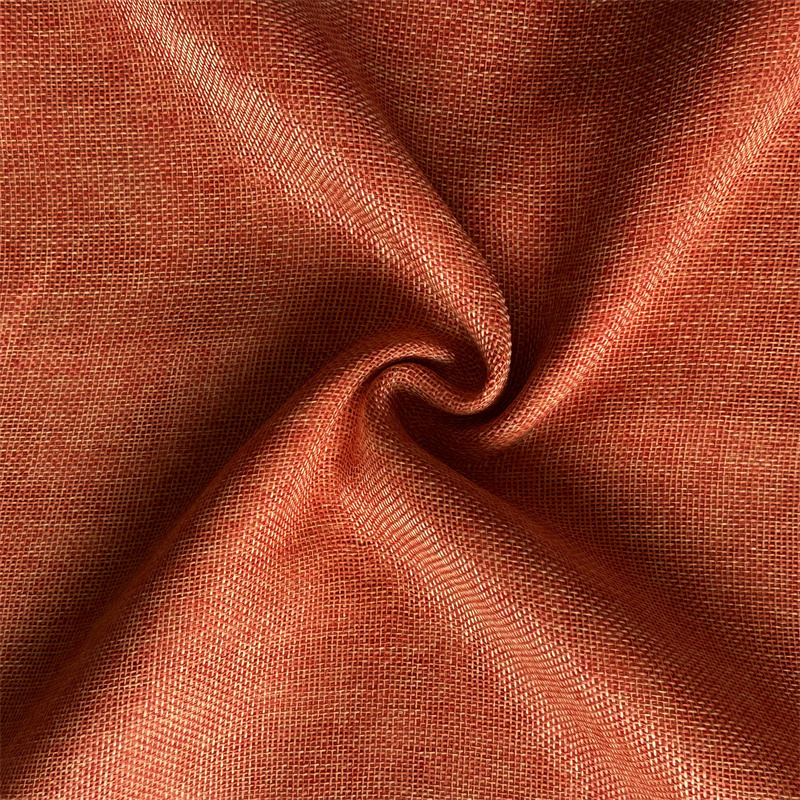 Custom 1200C 125gsm 99.99% Polyester Faux Linen Fabric Manufacturers, FactoryTongxiang Miaoqisi Textile Co., Ltd. is China OEM/ODM 1200C 125gsm 99.99% Polyester Faux Linen Fabrics manufacturer and factory, offer cu...View Product →Custom Polyester Linen Fabric Manufacturers, FactoryTongxiang Miaoqisi Textile Co., Ltd. is China polyester linen fabric manufacturers and polyester linen fabric factory, manufacturing of c...View Product →
If the range depends on classic checks, our plaid polyester linen keeps that aesthetic while simplifying garment construction and washing instructions. The key differences between plaid polyester linen and natural linen are worth reading before converting an existing linen program to a lower-care alternative.
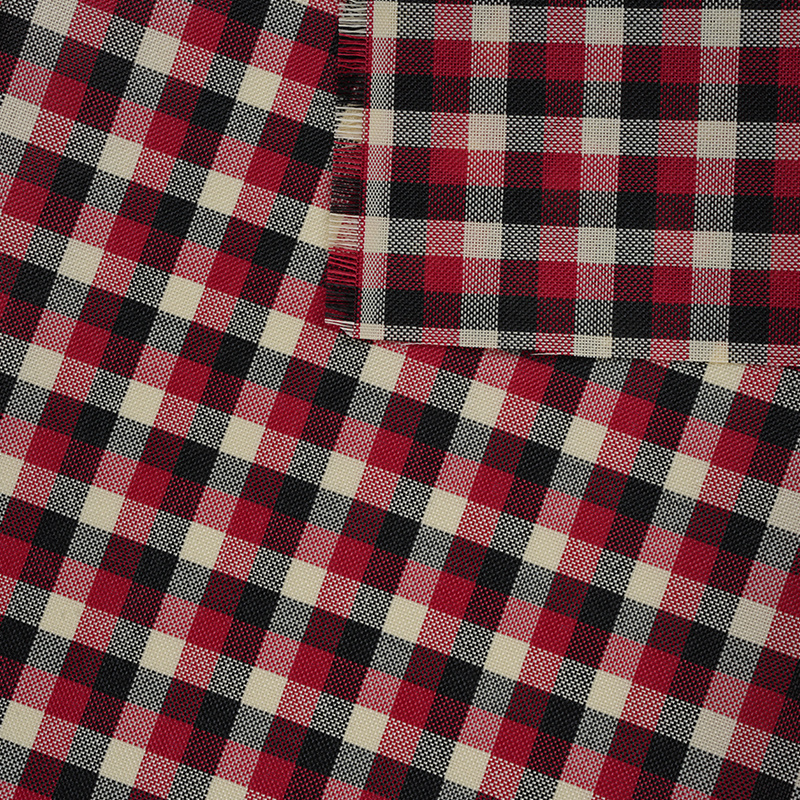 Wholesale Plaid Polyester Linen Fabric Suppliers, CompanyAs China Plaid Polyester Linen Fabric suppliers and Plaid Polyester Linen Fabric company, Tongxiang Miaoqisi Textile Co., Ltd offer whole...View Product →
A Sourcing Checklist That Prevents Costly Mistakes
Before you commit to a linen-content fabric, put these checks in place. Each one separates a smooth production run from a costly quality dispute.
- Verify the fiber content in a laboratory. A fabric labeled 75/25 viscose-linen can test at 65/35 when the yarn blending drifts. If your contract specifies a ratio, the test report is the only evidence that counts.
- Confirm finished GSM and width on delivered goods, not just on the pre-production sample. Linen blends can swing 5-8% in weight between batches when yarn counts change.
- Run a domestic wash test before bulk cutting. Measure length and width after the first wash and again after the third to see where dimensional change stops.
- Check colorfastness to water, perspiration, and light. Both fibers accept dye well, but finishing variations affect fastness, especially in dark shades.
- Evaluate pressing on a sewn garment. A fabric that irons flat as a swatch can pucker at seams because of twist or finish differences.
- Ask for the pre-shrinkage and resin-finish process in writing. This is the most common point of dispute in linen-blend purchasing.
The Bottom Line
Linen viscose blend fabric is a dependable choice when the brief calls for breathable comfort and fluid drape, and when the supply chain can accommodate gentle care and dimensional variance. For faster production cycles, uniform sizing, and lower washing risk, a polyester faux linen gives the same visual effect with fewer surprises. Define the end use first, verify the fiber content and finishing second, then choose the blend that matches both your price point and your customer's laundry habits.