

 中文简体
中文简体 Español
Content
- 1 Six properties of a reliable applique base fabric
- 2 Matching the fabric to your applique technique
- 3 Why woven polyester linen is a dependable ground cloth
- 4 Decorative fabrics for the applique shapes themselves
- 5 Buying applique fabric in production volumes
- 6 Care practices that protect applique work
- 7 Building a repeatable applique product
Every applique project starts with the decision most tutorials overlook: which fabric goes underneath, and which fabrics become the shapes on top. A base that stretches under the needle, frays at the cut edge, or refuses to hold fusible web turns a simple motif into an afternoon of repairs. Choosing the right applique fabric is the difference between a patch that lasts for years and one that puckers after the first wash.
Applique is a needlework technique in which cut pieces of fabric are sewn or adhered onto a larger fabric ground to form a picture or pattern. It has been used for centuries in quilting, banner making, and couture garment detailing. Historically it was also a way to mend and reinforce worn garments, which is why the technique still appeals to makers who want to extend the life of clothes. The base fabric, called the ground cloth, and the patch fabrics must work together mechanically: similar stretch rates, compatible weights, and edges that behave predictably under your chosen stitch type.
Six properties of a reliable applique base fabric
Six properties determine whether a fabric will cooperate in applique work:
- Dimensional stability - the fabric should not stretch or distort while hooped, pinned, or fed through a machine.
- Edge behavior - cut edges should fray slowly and predictably, especially for raw-edge applique.
- Weight and body - the ground cloth needs enough substance to support the patch without bulking into a hard spot.
- Fusible-web compatibility - if you use iron-on adhesive, the fabric must accept heat without melting or discoloring.
- Colorfastness - dyes must survive pre-washing and repeated laundering.
- Wash resistance - the bond between patch and ground must survive normal wear.
No single fabric excels at all six, so the final choice depends on your technique rather than the look alone.
| Fabric family | Typical weight | Edge stability | Best used for |
|---|---|---|---|
| Quilting-weight cotton | 120-180 gsm | High when starched | Machine applique, beginner blocks |
| Natural linen | 150-250 gsm | Moderate; loose weave frays | Hand applique with turned edges |
| Polyester faux linen | 125-300 gsm | High; tightly woven | Fusible and machine applique |
| Satin | 100-200 gsm | Low to moderate | Decorative patches on formal pieces |
| Felt | Variable | Very high; no fray | Reverse applique, children's crafts |
| Denim | 250-400 gsm | Moderate | Raw-edge applique on bags and jackets |
Matching the fabric to your applique technique
Different applique methods impose different demands on both the ground cloth and the fabric used for patches.
Hand applique
Needle-turned hand applique requires a fabric that presses cleanly and holds a folded edge without rippling. Natural linen and cotton with a tight, even weave are traditional favorites because they turn crisply and tolerate repeated handling. Avoid slippery or loosely woven grounds; they shift while you stitch.
Machine applique
Dense satin stitching needs a ground that will not distort under rapid needle penetration and high thread tension. A tightly woven fabric with moderate weight produces the cleanest column of stitches. This is where woven polyester blends earn their place: they hold stitch density well and show little needle distortion, which keeps edges flat and even.
Fusible and reverse applique
Iron-on applique relies on the patch fabric bonding securely to the ground. Medium-weight woven fabrics take fusible web evenly, while napped or textured surfaces can lift away from the adhesive layer. Reverse applique, where the top layer is cut away to reveal the fabric underneath, asks both layers to be dimensionally stable so the cut windows stay square.
Why woven polyester linen is a dependable ground cloth
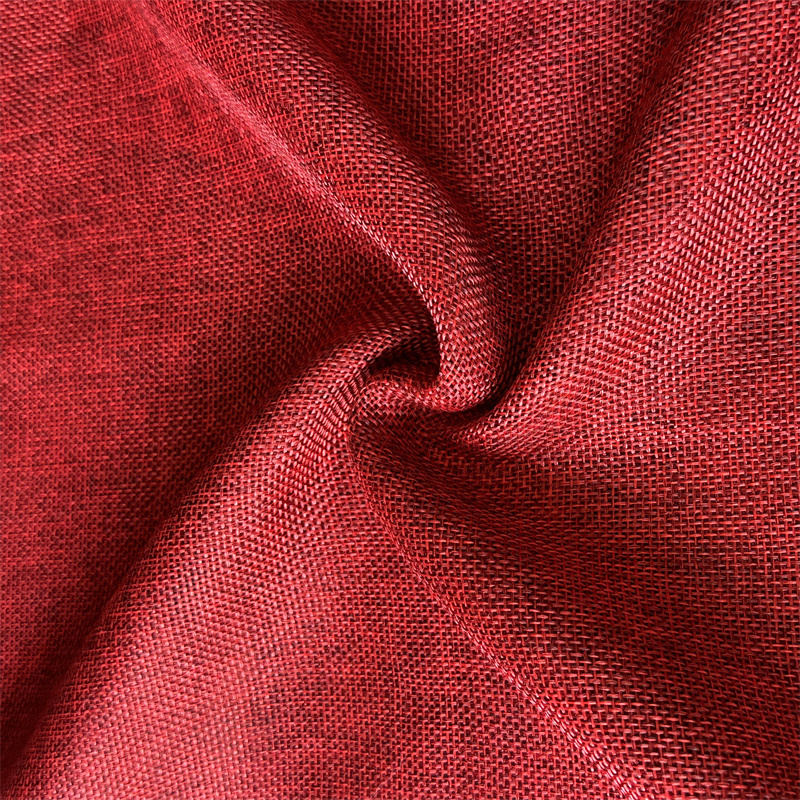
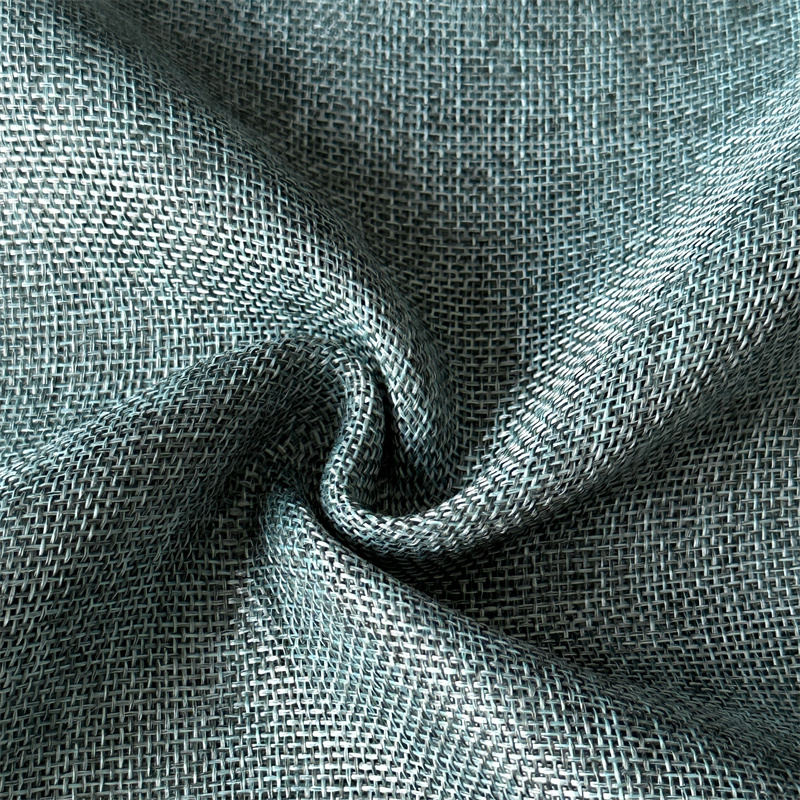
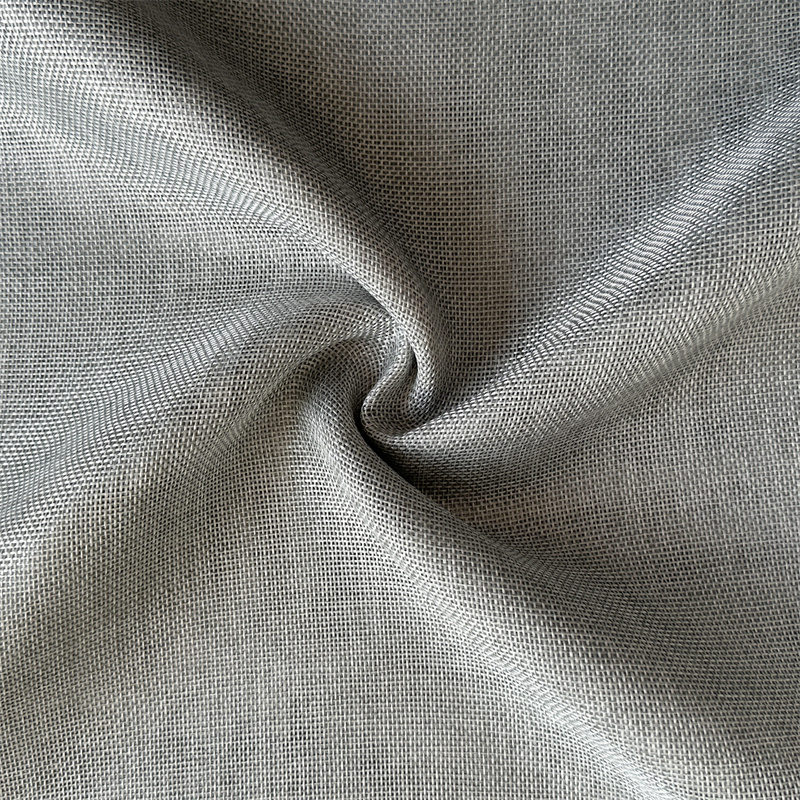
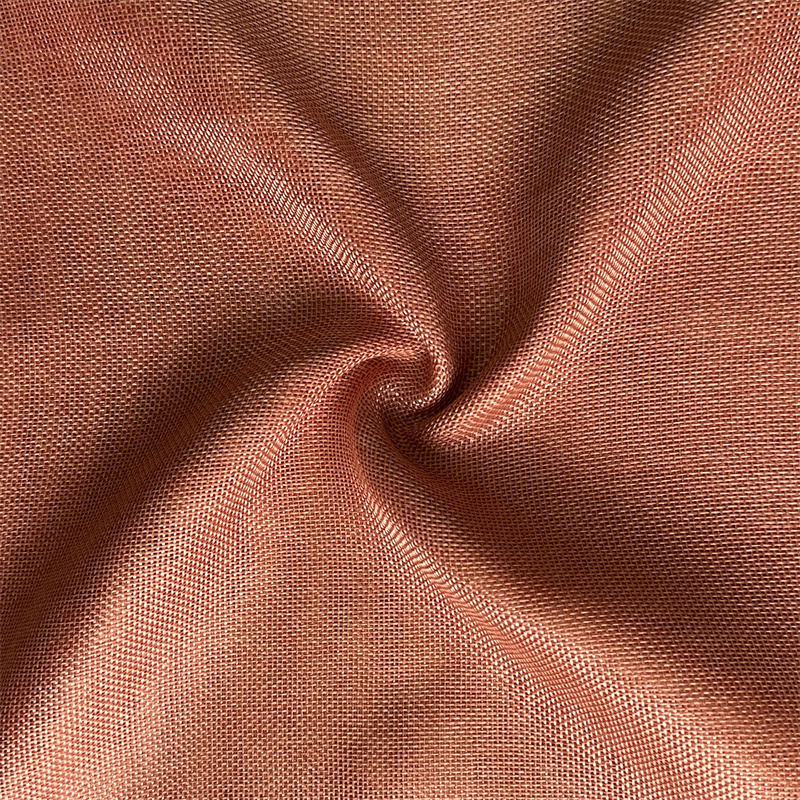
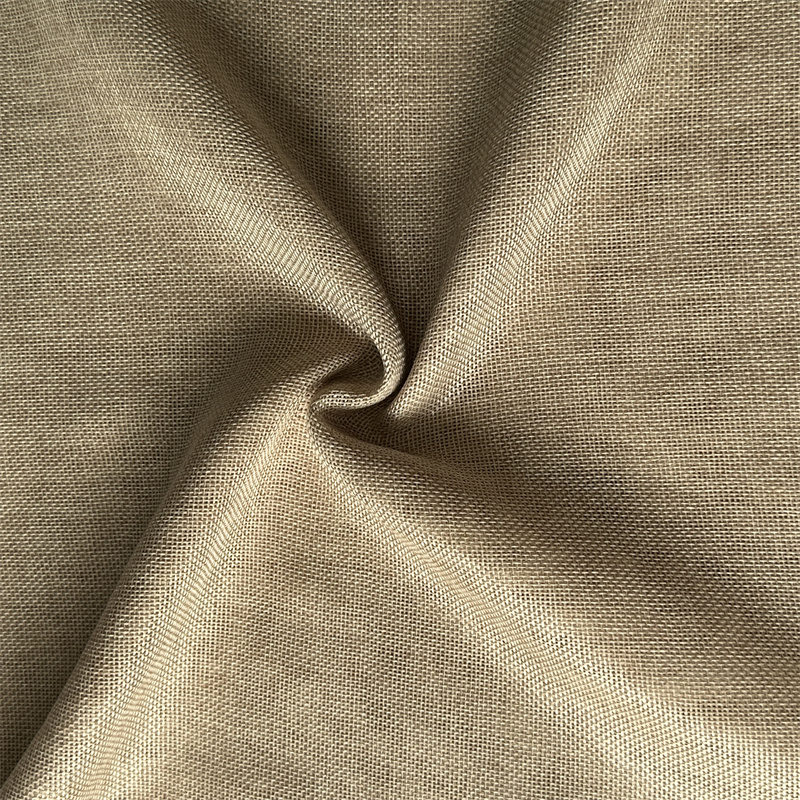
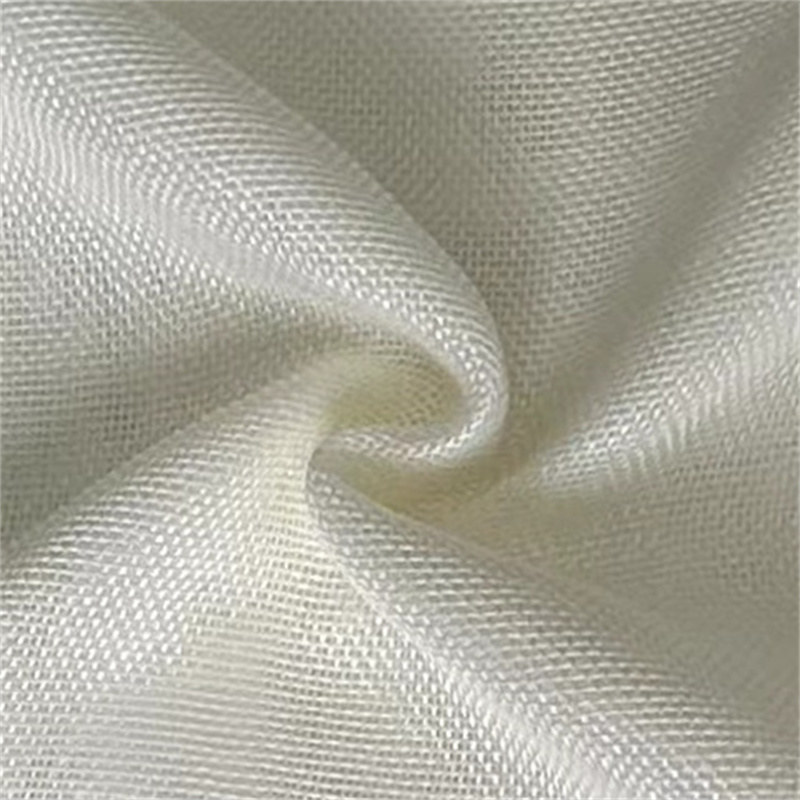
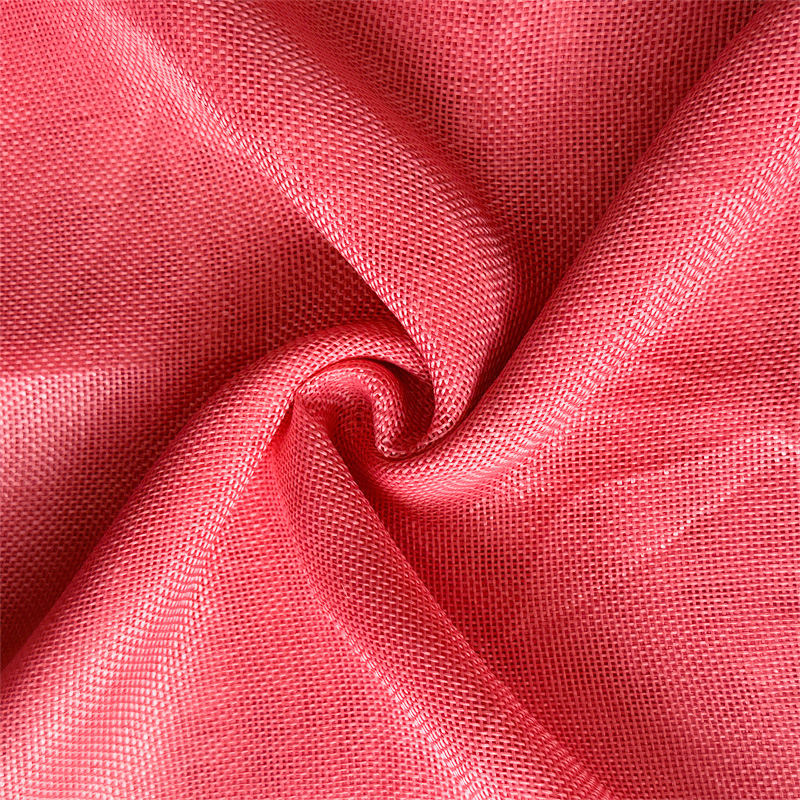
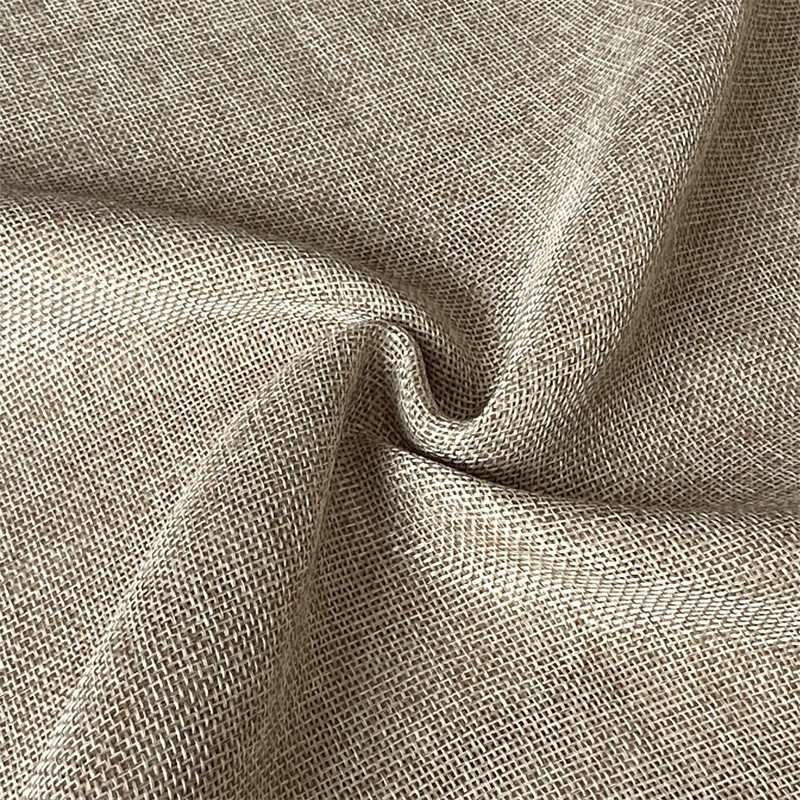
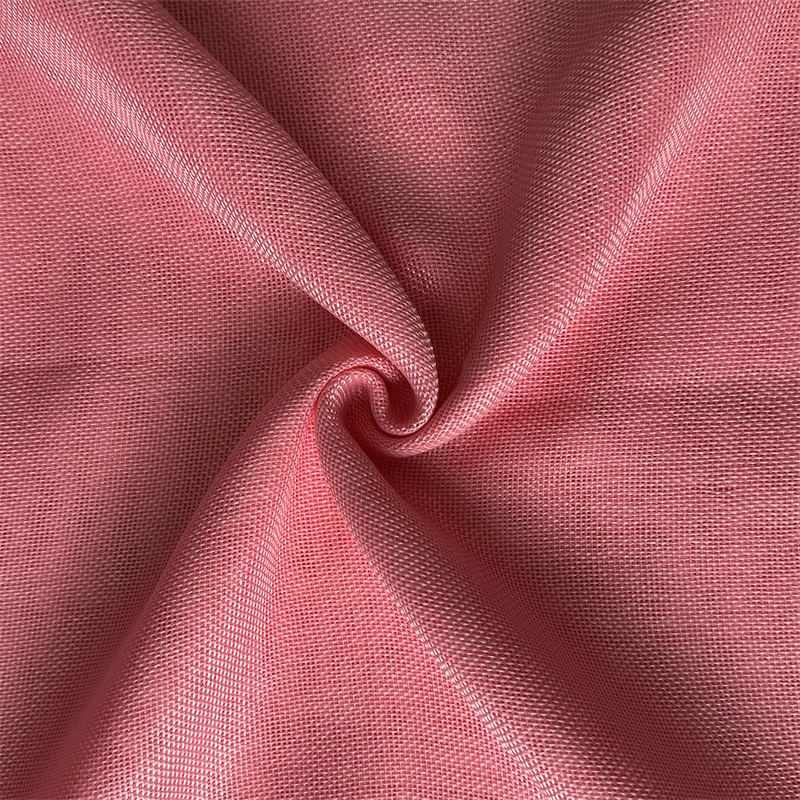
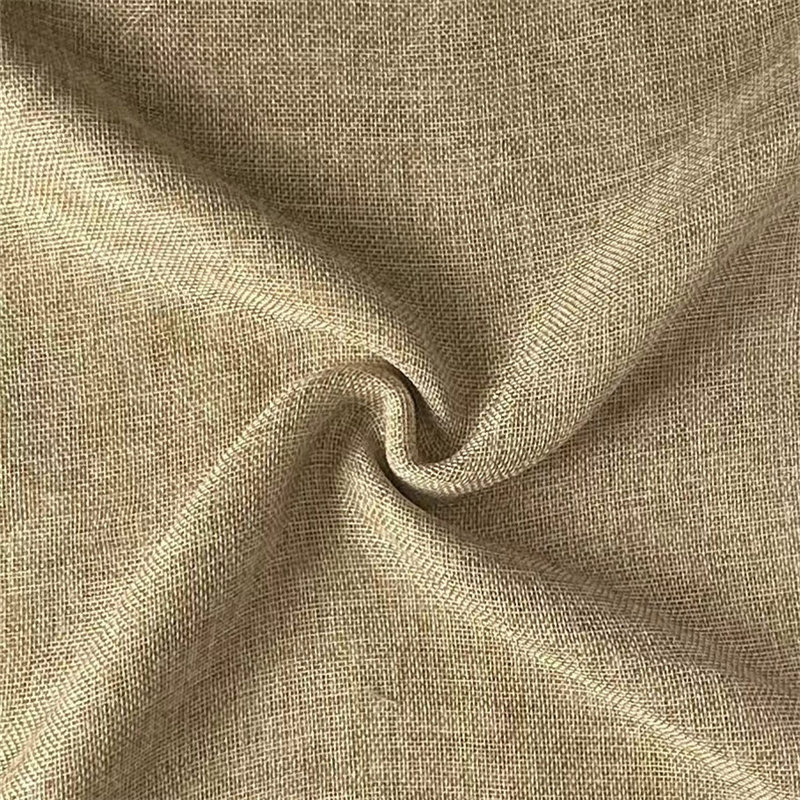
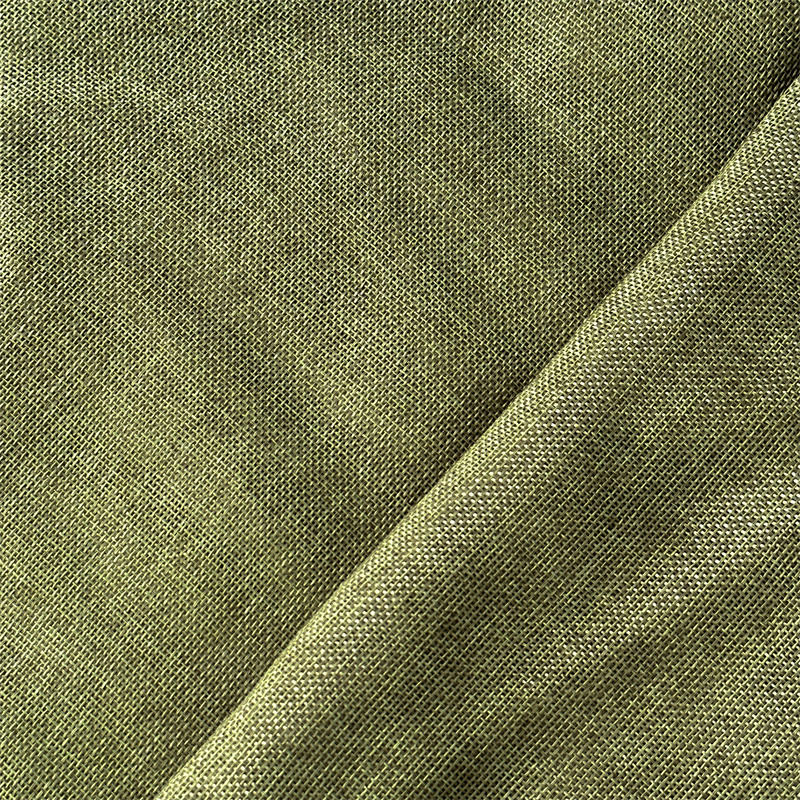
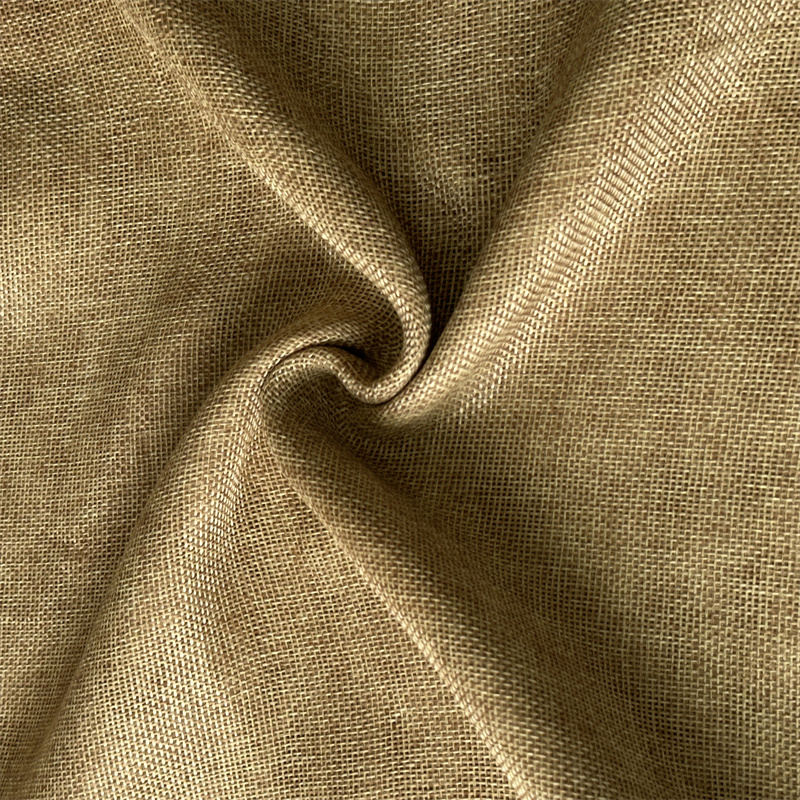
For production sewers and small brands making applique garments or home textiles in volume, polyester linen fabric is one of the most predictable grounds available. Its tightly woven construction delivers the dimensional stability that loose natural linens often lack, while the faux-linen texture reads as a natural, matte canvas for patches.
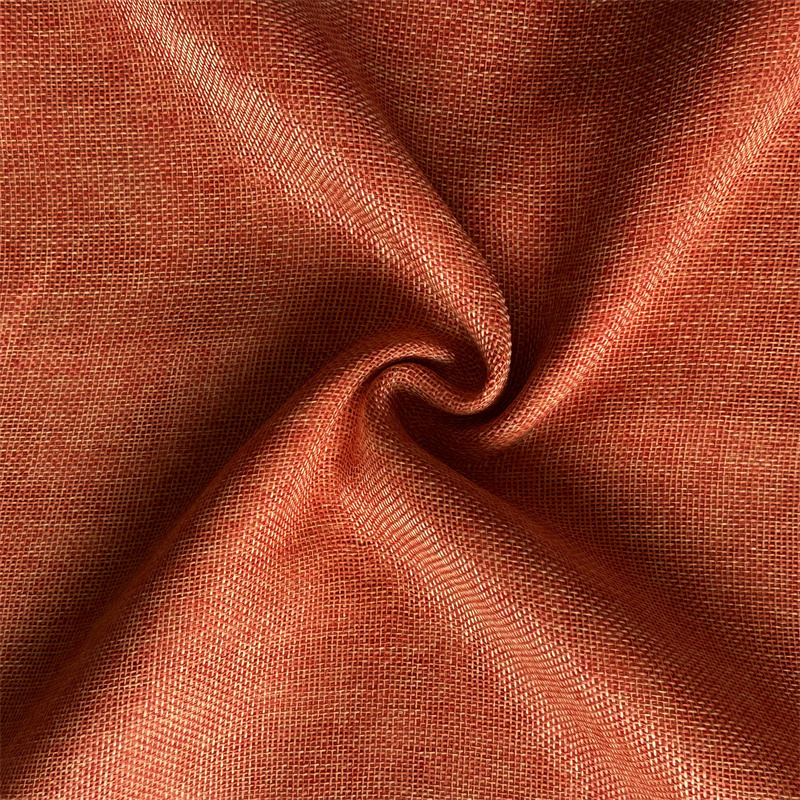 Custom Polyester Linen Fabric Manufacturers, FactoryTongxiang Miaoqisi Textile Co., Ltd. is China polyester linen fabric manufacturers and polyester linen fabric factory, manufacturing of c...View Product →
The practical advantages show up in production. Polyester faux linen resists shrinkage, accepts fusible web without discoloration, and holds its color through repeated laundering. The differences between polyester linen and natural linen come down to exactly these behaviors: less fraying, more consistency, and a lower cost per meter without sacrificing the linen look that buyers expect.
Decorative fabrics for the applique shapes themselves
The patches deserve the same scrutiny as the base. Texture contrast is what makes applique read visually, so it pays to pair a flat ground with a shaped fabric that has surface interest.
Jacquard weaves are a strong choice for ornate patches because the pattern is woven into the structure rather than printed on the surface. A good example is jacquard fabric, which holds its motif through cutting, sewing, and laundering, a critical quality for small, intricate pieces. The patch edge keeps its integrity instead of delaminating like a printed surface. For continuous texture, allover jacquard works well; for motifs that must sit in a precise position, positioned jacquard lets you cut each patch from the exact part of the design you need.
 Jacquard Fabric Manufacturer, Custom Jacquard Fabric FactoryTongxiang Miaoqisi Textile Co., Ltd. is China jacquard fabric manufacturers and jacquard fabric factory, manufacturing of custom jacquard...View Product →
For dressy or formal applique, a smooth face with a subtle sheen adds a polished contrast against a matte ground. Satin fabric is the usual answer, particularly for monogram patches and decorative panels on evening wear. Because satin frays more readily than a plain weave, reserve it for patches that will be fully enclosed by stitching or backed with fusible web.
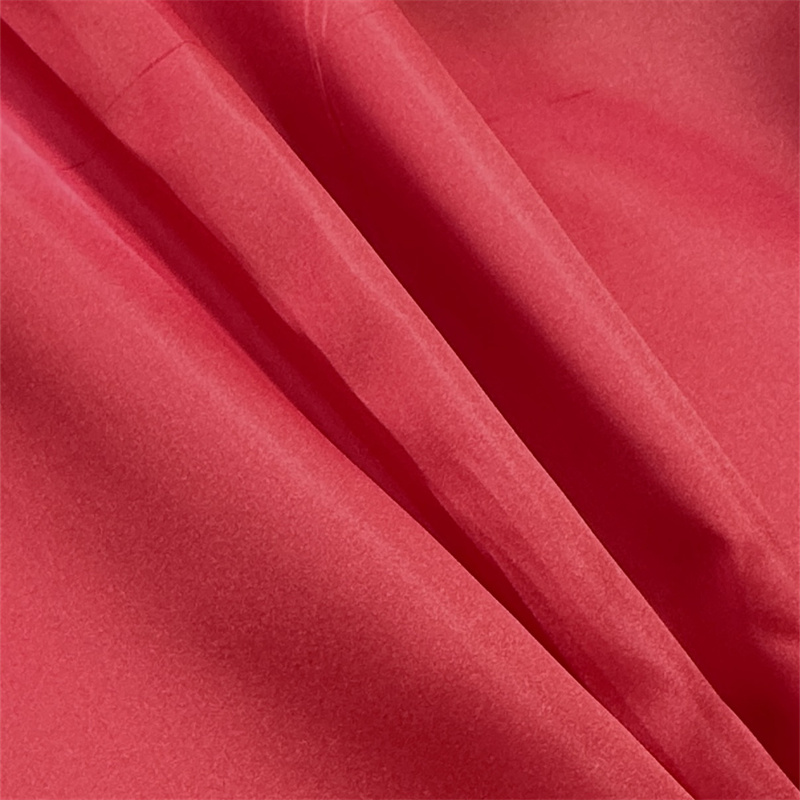 Satin Fabric Suppliers, Custom Satin Fabric ManufacturersTongxiang Miaoqisi Textile Co., Ltd. is China satin fabric suppliers and satin fabric manufacturers, focus on manufacturing of custom sat...View Product →
Buying applique fabric in production volumes
When applique moves from one-off craft to batch production, fabric consistency becomes the whole game. Dye-lot variation, roll-to-roll weight differences, and mismatched repeat orders can sink a production run. This is where a manufacturer with its own looms has a clear edge over a middleman.
Tongxiang Miaoqisi Textile Co., Ltd. is an integrated textile mill in China's Zhejiang province that operates more than 200 looms and reports a daily output of more than 60,000 meters of fabric. It keeps over 100 fabric varieties in stock, with each SKU holding at least 2,000 meters. That stock depth matters for applique production: you can test a small run for sampling and scale up later without dramatic shading shifts. The mill's polyester linen line, built for clothing and home decor, is one of the most requested grounds for this kind of work.
For buyers planning seasonal collections, the ability to specify custom colors, weights, and custom jacquard patterns directly with the manufacturer shortens the development cycle considerably. The same roll that supplies the applique ground can also provide matching fabric for self-fabric patches, which guarantees coordination without extra sourcing work.
Care practices that protect applique work
A well-made applique piece survives laundering only if the fabric selection anticipated it from the start. Pre-wash grounds and patches separately to trigger any shrinkage before stitching. On machine applique, a satin stitch that fully encloses the raw edge is the strongest defense against fraying; fusible web alone is not enough for garments that will see regular wear.
Iron from the reverse side to protect raised patches, and wash in cold water to extend the life of both threads and adhesive bonds. For polyester-based grounds, moisture-wicking and breathability behavior stays consistent over time, so apparel built on these bases does not trap heat or feel clammy in use.
Building a repeatable applique product
Applique fails most often not because of skill but because of fabric mismatch. A stable, moderately weighted ground with predictable edge behavior solves most problems before the needle touches the cloth. Polyester faux linen for the base, paired with jacquard or satin patches for texture contrast, covers the large majority of applique work, from home decor to garments and accessories.
When ordering in volume, buy from a manufacturer that can document dye lots, hold consistent stock, and scale production to your schedule. That combination of fabric knowledge and supply reliability is what turns a promising applique design into a repeatable product.