

 中文简体
中文简体 Español
Content
What Is Swiss Voile Fabric?
Attach a sheer white panel to a curtain rod and the first thing you notice is how the light changes — softer, flatter, more diffuse. That effect, combined with a lightweight hand that still has visible structure, is why Swiss voile fabric stays on the shortlist of designers, curtain makers, and garment manufacturers.
Voile takes its name from the French word for "veil," and early commercial voiles were woven from cotton or wool in a loose, square-set plain weave. The "Swiss" label came later, attached to fabrics finished with the kind of precision and consistency that Swiss mills were known for. In commercial use today, Swiss voile means a set of qualities rather than a protected regional origin: fine yarns, high twist, a close but breathable weave, and a crisp yet fluid drape. Any mill that reproduces the construction can call the result Swiss voile, and buyers rely on that consistency when they specify it.
How Swiss Voile Is Constructed
The construction is a plain 1/1 weave, but the yarn preparation is what separates voile from ordinary muslin or gauze. Both warp and weft use tightly twisted, medium-to-fine yarns. The high twist strengthens each yarn, which allows the mill to keep the fabric light — typically 60 to 110 grams per square meter — without making it fragile.
The structural result is a cloth that looks refined and almost weightless but resists tearing, holds a pressed edge, and keeps its shape after repeated handling. That combination is rare among sheer fabrics and explains why voile has survived for well over a century.
Fiber Content Shapes Performance
Traditional Swiss voile is cotton, and cotton still defines the premium tier of the market. Many commercial voiles now blend cotton with polyester, or use spun polyester entirely, to improve wrinkle recovery, colorfastness, and wash stability. When evaluating offers, confirm the fiber ratio first. A 100% cotton voile and a cotton-poly blend behave very differently in dyeing, shrinkage, and end-use performance, so the same pattern can yield two completely different products.
Key Properties at a Glance
The table below summarizes the indicators that matter most when buyers evaluate Swiss voile for apparel or interior textiles. Use it as a specification checklist rather than a fixed standard.
| Property | What It Means in Practice | Typical Range / Notes |
|---|---|---|
| Fabric weight | Affects drape, opacity, and sewing behavior | 60–110 gsm (about 1.8–3.2 oz/yd²) |
| Opacity | Lets light through while partially screening the view | Semi-sheer; denser weaves read more opaque |
| Breathability | Allows air and moisture vapor to pass | High — suits warm-weather apparel and layered curtains |
| Hand feel | Crisp but fluid; neither stiff nor slippery | Similar to a fine laundered cotton |
| Stability | Holds shape after humidity or washing | Better than chiffon or georgette thanks to the plain weave |
| Wrinkling | Creases depending on finish and fiber | Cotton versions crease; polyester blends recover faster |
For buyers working with woven polyester alternatives, it helps to look at how polyester linen fabric performs in terms of moisture-wicking and breathability — a useful baseline for how close a synthetic can come to the comfort of a natural voile.
Where Swiss Voile Is Used
Voile's combination of lightweight structure and soft translucency makes it versatile. Two application groups cover most commercial demand, though the same fabric also appears in accessories, banners, and craft textiles.
Apparel and Accessories
Blouses, dresses, scarves, and summer layering pieces are the classic apparel uses. Because the fabric is breathable and gentle on the skin, children's clothing appears regularly as well: sunsuits, christening gowns, and lightweight outerwear all benefit from its softness. Embroidery houses use fine voile as a ground cloth because the stable plain weave holds decorative stitches evenly without puckering, even on small motifs. In occasion wear, voile layers beautifully over taffeta or satin without adding bulk.
Home Textiles and Window Treatments
Curtains and sheer panels remain the strongest home-textile application. A single layer of voile filters harsh daylight while preserving the view outward; doubled layers add privacy without blocking airflow. Interior decorators also choose it for bed canopies, cushion covers, table runners, and wedding décor when the brief calls for an airy, relaxed aesthetic. The dimensional stability of voile is what separates it from flimsier sheers in every one of these uses: it hangs straight, sews cleanly, and does not sag the way loosely woven gauzes can.
Swiss Voile vs. Other Sheer Fabrics
Buyers frequently compare Swiss voile with cotton voile, organza, and chiffon. The differences come down to yarn twist, weave density, and fiber choice.
| Fabric | Hand Feel | Sheerness | Wrinkle Behavior | Typical Use |
|---|---|---|---|---|
| Swiss voile | Crisp, lightweight, fluid | Semi-sheer | Moderate; blends recover well | Shirts, sheers, embroidery base |
| Cotton voile | Softer, more relaxed | Semi-sheer | Creases easily | Casual apparel, soft furnishings |
| Organza | Stiff, crisp, taffeta-like | Clearly transparent | Wrinkles visibly, holds structure | Volume skirts, curtains, event décor |
| Chiffon | Slippery, fluid, flowing | Transparent | Drifts in creases; hard to press | Evening wear, scarves, overlays |
The practical takeaway: voile offers more structure than chiffon and more softness than organza, and it presses and sews more predictably than either. That matters in production, where mistakes are expensive and re-cutting delays shipments.
Buying and Caring for Swiss Voile
Quality Checks Before You Buy
- Fiber content: decide between cotton, cotton-poly, and polyester based on end-use and care expectations.
- Yarn twist and weave density: a proper voile has a uniform, square-set weave; unevenness shows up as puckering after dyeing or finishing.
- Shrinkage and finish: pre-shrunk or resin-finished voiles are worth paying for when the final product will be washed.
- Colorfastness: for curtains exposed to daylight, test lightfastness and washfastness before committing to large yardage.
- Lot consistency: in bulk purchases, ask for shading records across lots; shade drift between dye lots is a common sourcing headache.
Care That Keeps Voile Looking Right
Machine wash on a gentle cycle or hand wash in cold water with a mild detergent. Avoid bleach and fabric softeners; both degrade fine yarns and dull the hand feel. Iron while slightly damp on a medium setting for cotton voiles, and use a cooler iron for blends. Line drying keeps the weave even and lowers shrinkage risk. For curtains, storage on a padded hanger — or flat-folded with acid-free tissue — prevents creases from becoming permanent.
Woven Alternatives Worth a Second Look
Swiss voile is not the only way to get an airy, structured drape. For buyers who need wash-and-wear convenience or tighter cost control, woven polyester fabrics are a practical alternative. Polyester voiles exist, but so do polyester linen and polyester silk-alternative weaves, each with a different character and a different price point.
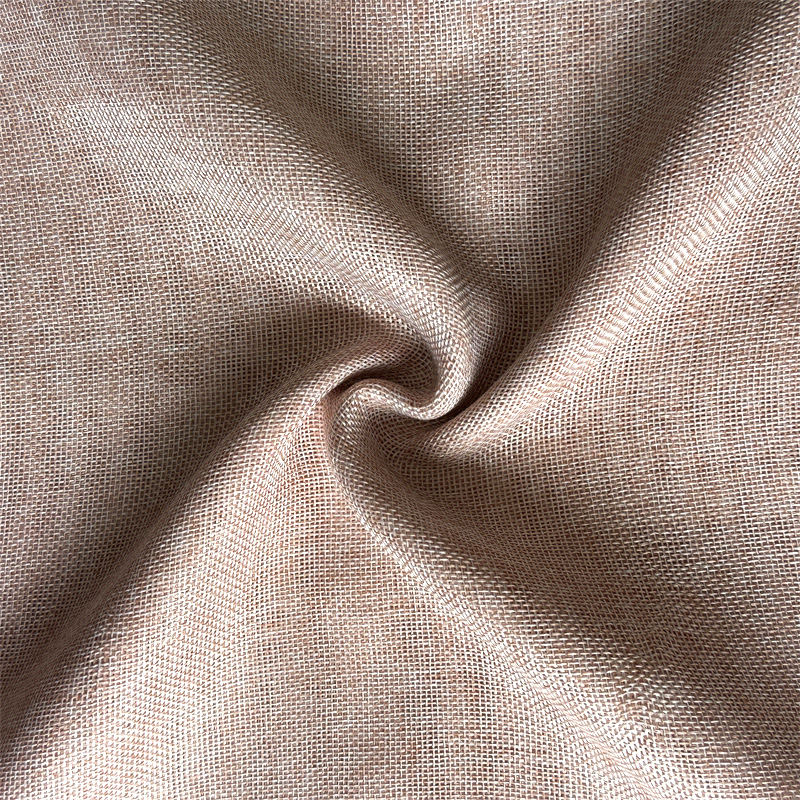
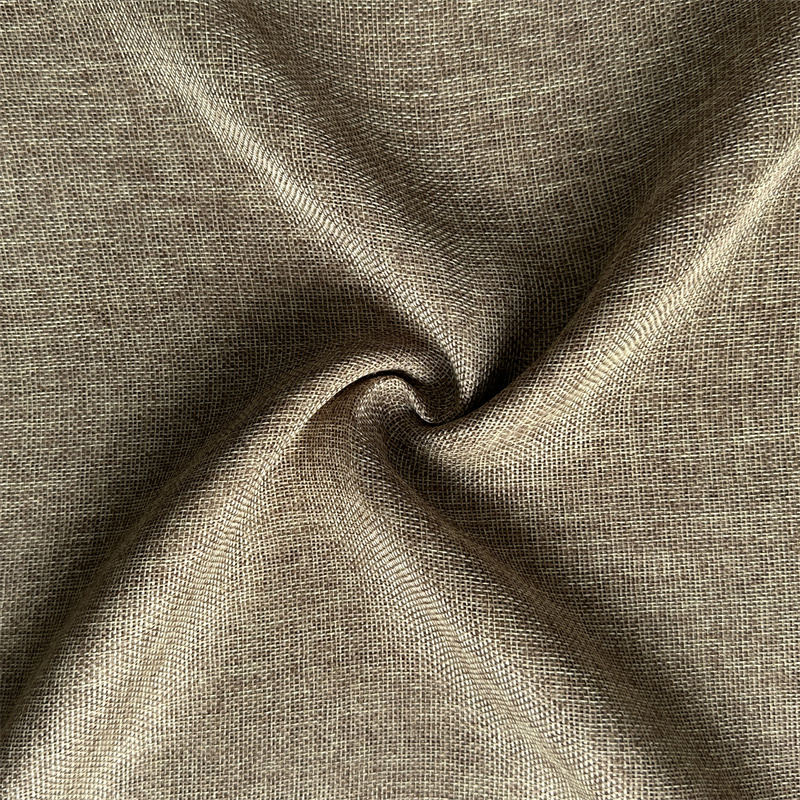
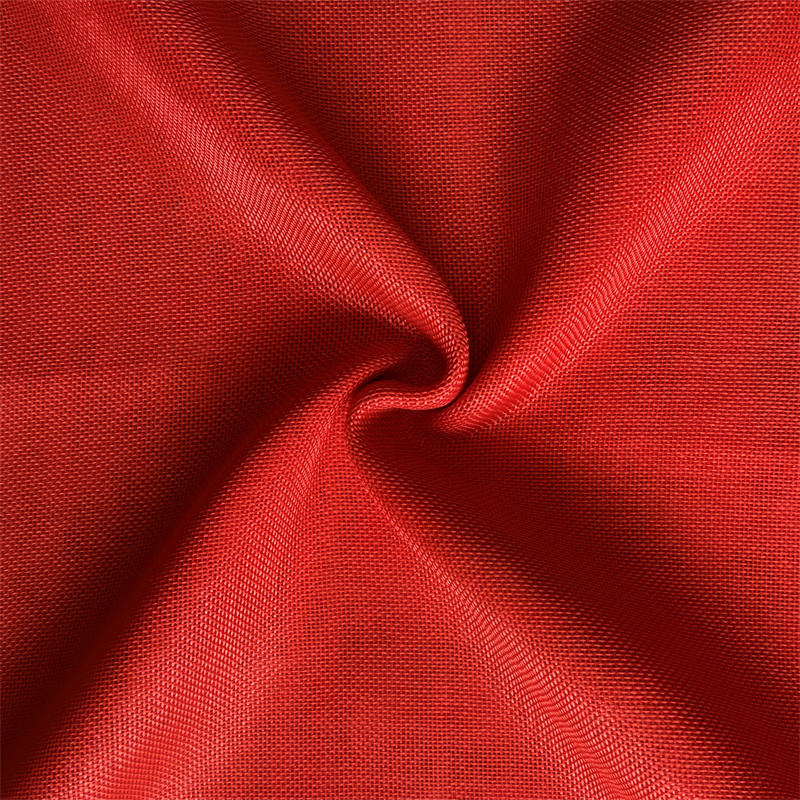
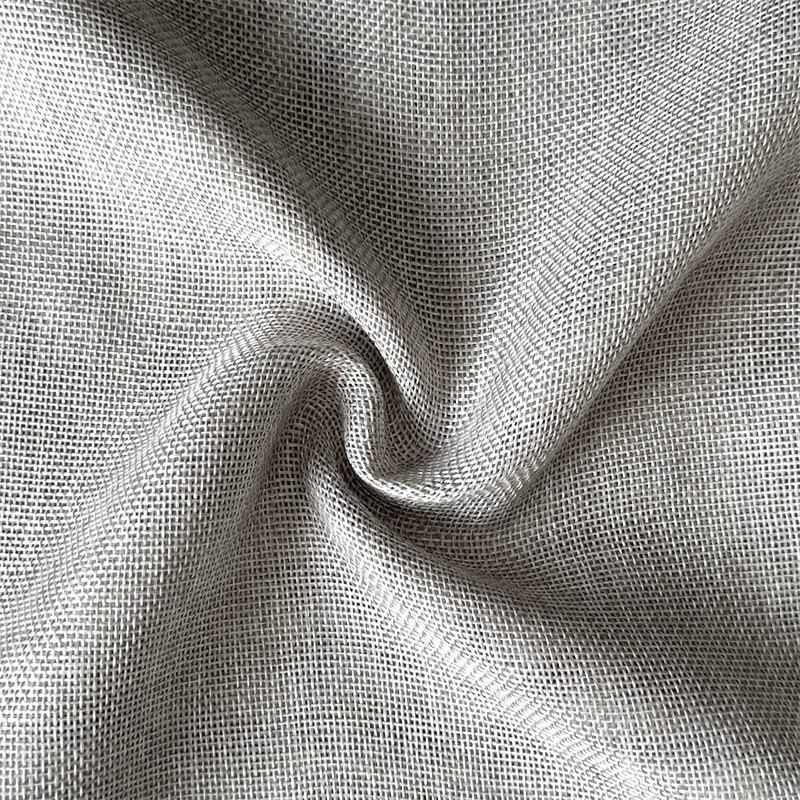
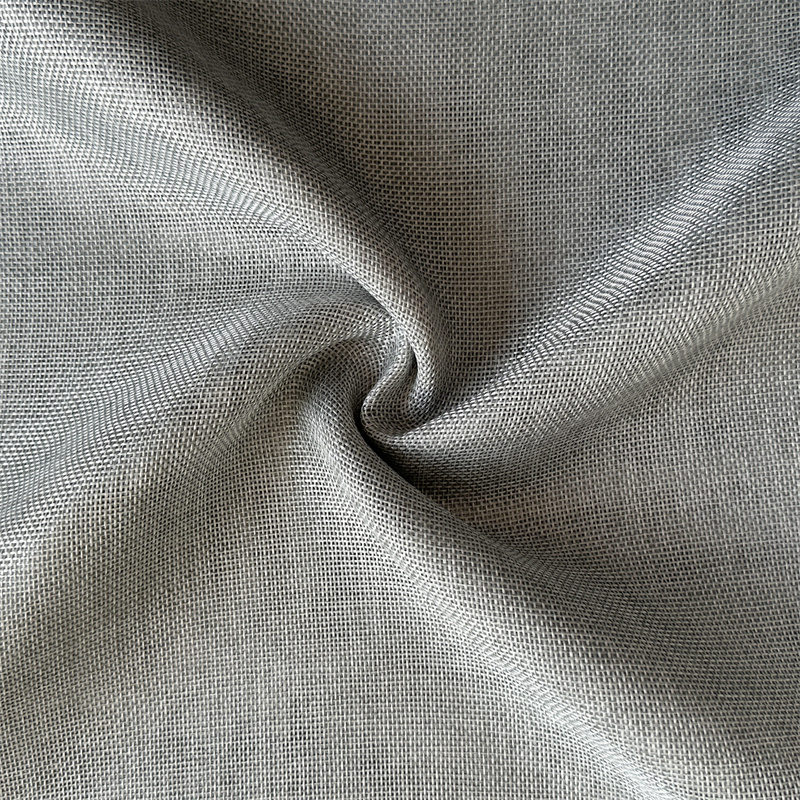
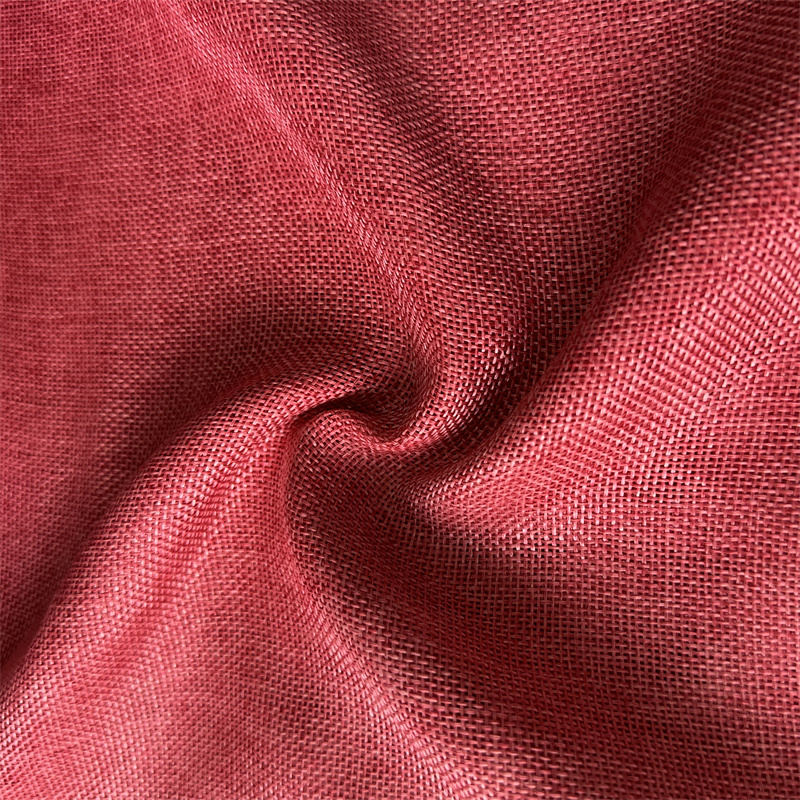
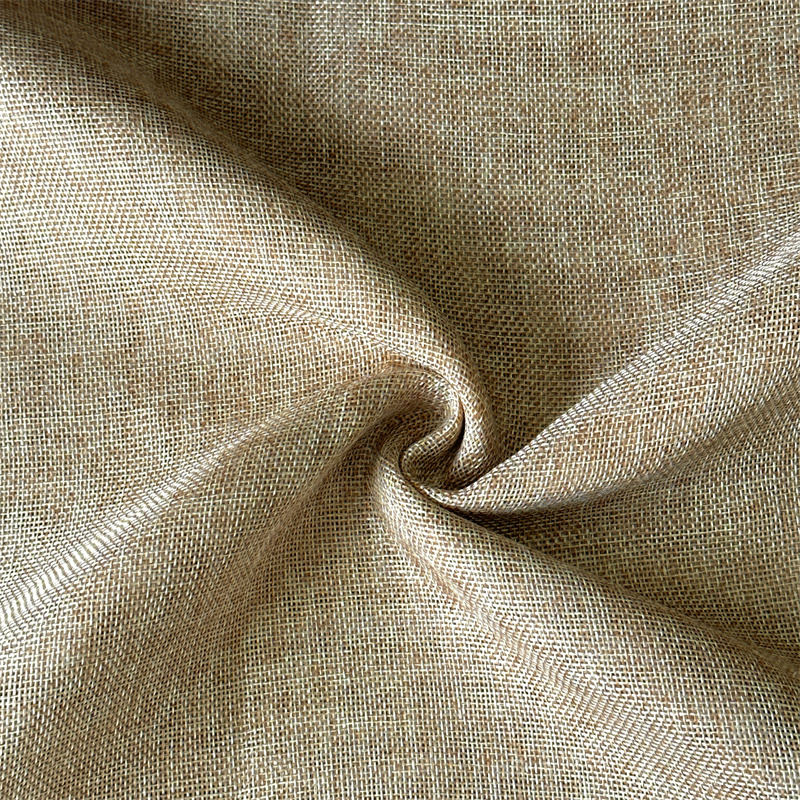
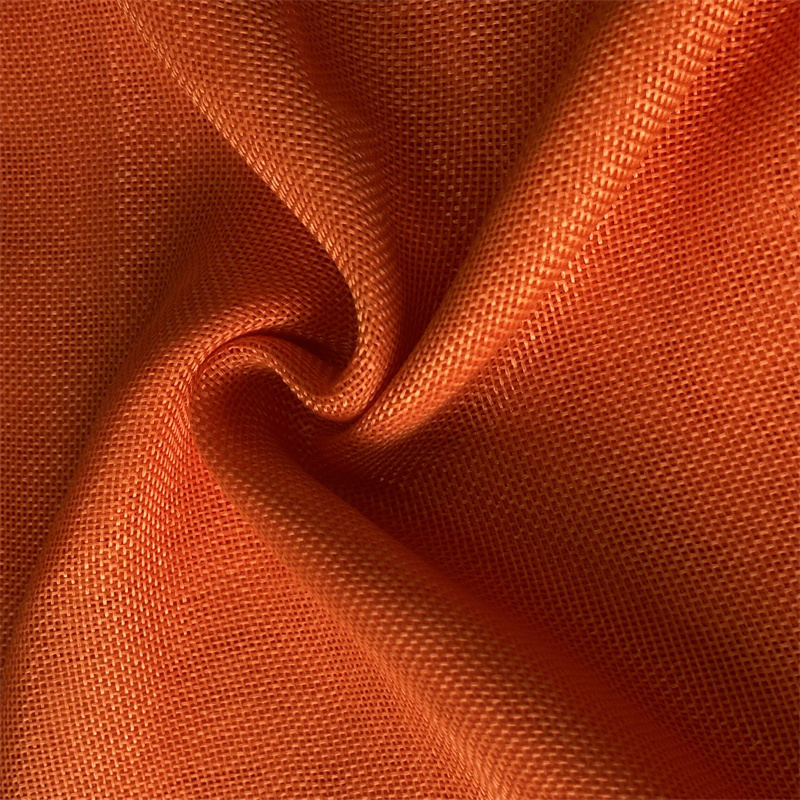
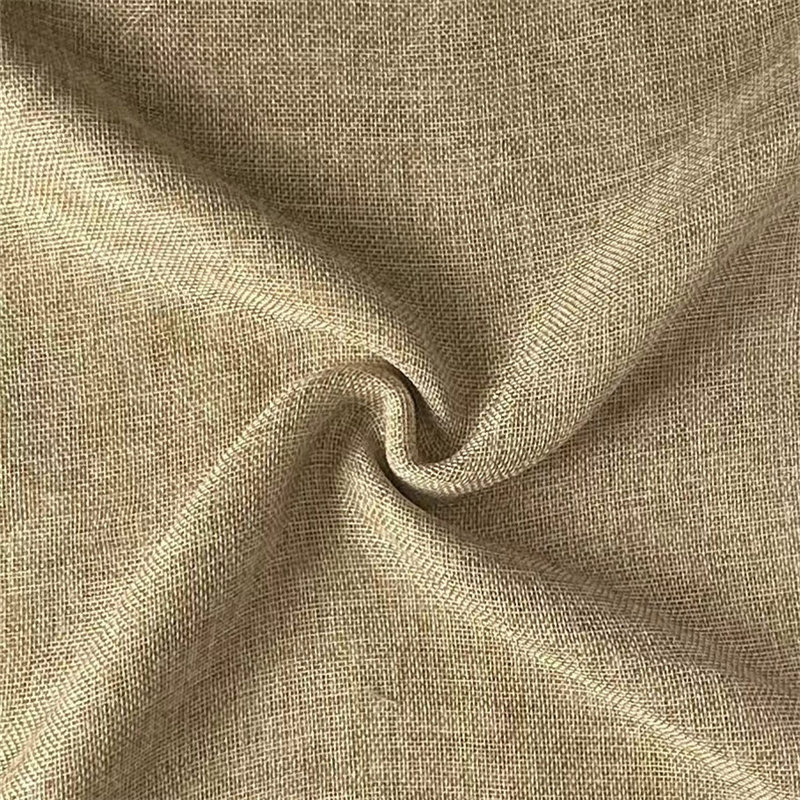
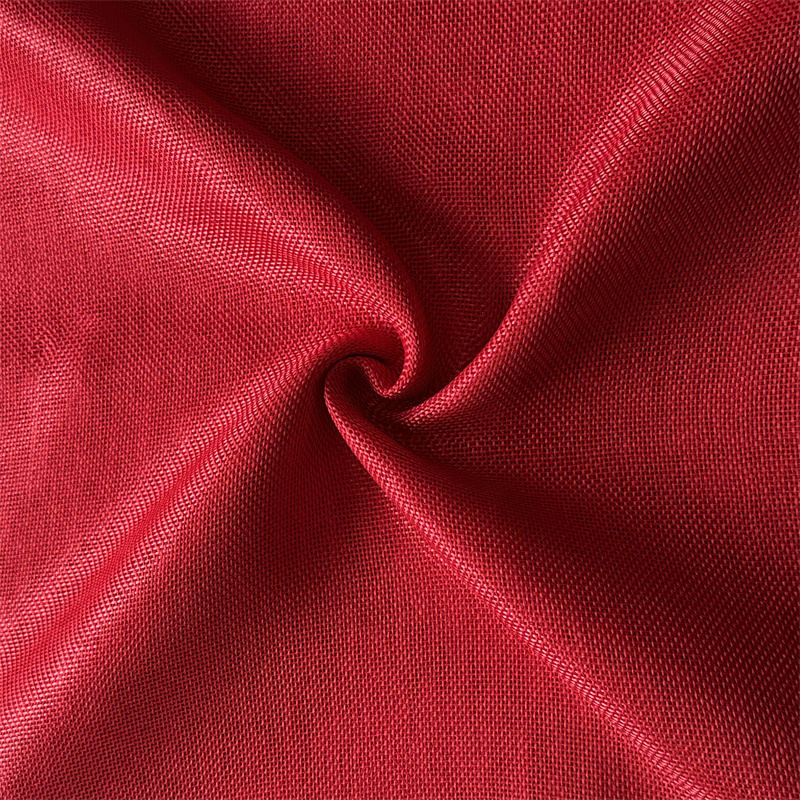
Tongxiang Miaoqisi Textile Co., Ltd., an integrated textile manufacturer and trading company in Zhejiang, China, keeps a standing inventory of woven fabrics suited to clothing and home textiles. Its polyester linen fabric line reproduces the dry, structured hand of natural linen, and the lighter weights sit close to voile territory; the same curtain or shirt patterns can be cut with only minor revisions. Our sourcing notes on the benefits of using polyester linen fabric in clothing and home decor cover the performance factors worth checking before you approve a strike-off.
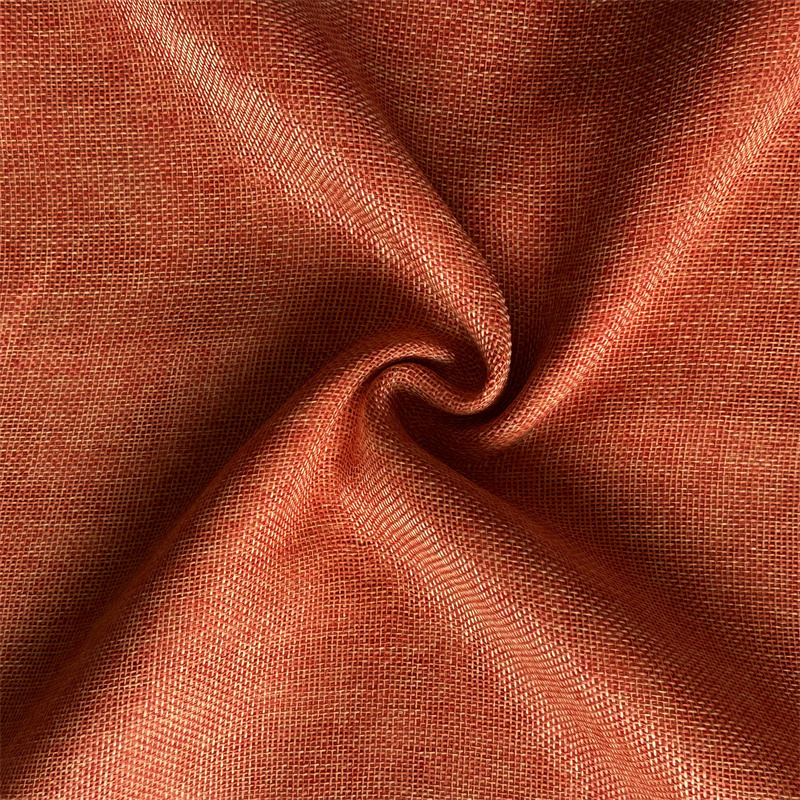 Custom Polyester Linen Fabric Manufacturers, FactoryTongxiang Miaoqisi Textile Co., Ltd. is China polyester linen fabric manufacturers and polyester linen fabric factory, manufacturing of c...View Product →
For applications that need a true lightweight feel, the 1200C 125 gsm 100% polyester faux linen fabric falls neatly in the light-to-mid range where voile-style sheers and shirts are typically specified. It washes without the creasing that gives cotton voile its high-maintenance reputation, and its uniform surface prints and embroiders well.
Custom 1200C 125gsm 99.99% Polyester Faux Linen Fabric Manufacturers, FactoryTongxiang Miaoqisi Textile Co., Ltd. is China OEM/ODM 1200C 125gsm 99.99% Polyester Faux Linen Fabrics manufacturer and factory, offer cu...View Product →
When the design brief calls for a silkier, more fluid drape, the imitation silk fabric range is the better fit. It moves like a smooth woven rather than a crisp one, which makes it a direct substitute in scarves, linings, and flowing silhouettes where voile would be too rigid.
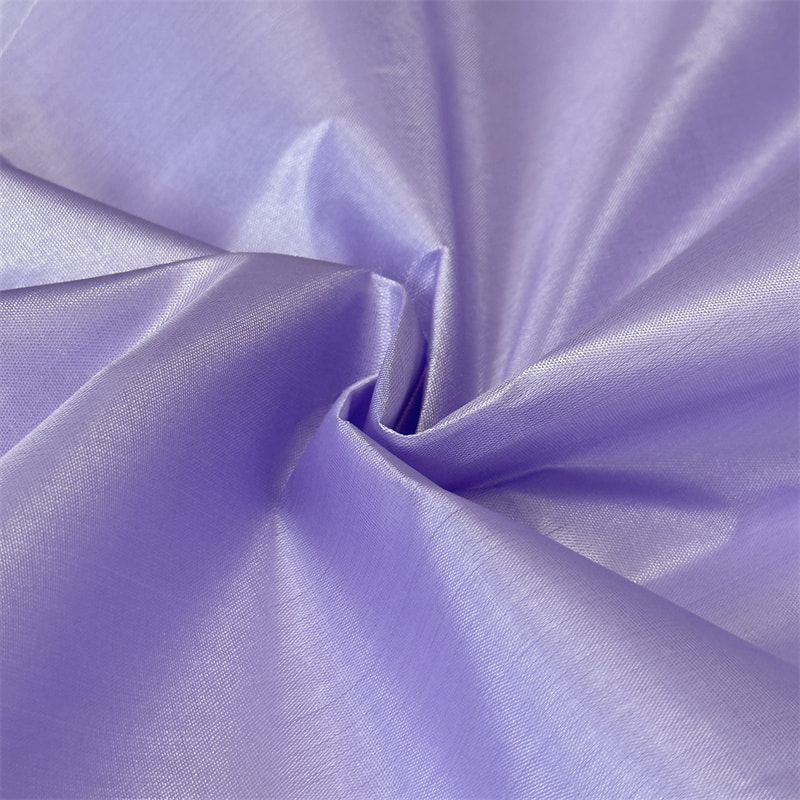 Custom Imitation Silk Fabric Manufacturers, SuppliersTongxiang Miaoqisi Textile Co., Ltd. is China imitation silk fabric manufacturers and imitation silk fabric factory, manufacturing of cus...View Product →
Before finalizing a weave structure, read our comparison of plaid polyester linen fabric and natural linen fabric. The same decision logic applies when choosing between a natural voile and a polyester stand-in: cost, care, and consistency usually settle the argument.
The best fabric is the one you can live with across washing cycles, seasons, and profit margins. Swiss voile remains the benchmark for semi-sheer woven quality. For large-scale production, the real decision is increasingly between a premium natural voile and a well-made polyester alternative — and both are respectable when the specification matches the end use.