

 中文简体
中文简体 Español
Content
Last week, a customer sent us a swatch labelled simply "viscose" and asked a very direct question: what is this fabric actually made from? It is a fair question, because viscose sits somewhere between a natural fibre and a plastic, and the name itself does not reveal much about its origin. The short answer: viscose fabric is made from wood pulp, typically sourced from pine, beech, eucalyptus, or bamboo. The pulp is chemically dissolved, regenerated into a usable fibre, and then woven or knitted into cloth.
What Viscose Fabric Is Made From
Viscose is a regenerated cellulosic fibre. That phrase breaks one common misconception: although viscose is man-made, it is not a petroleum-based synthetic like polyester. The raw material is cellulose, the structural substance in plant cell walls. Most commercial viscose uses wood from fast-growing tree species, and some products use bamboo. Whatever the plant source, the cellulose is isolated and converted, and the final fibre is nearly pure cellulose.
The distinction matters for product labelling. In the United States, viscose is usually sold under the generic name "rayon". In the European Union, the term "viscose" is more common. Both names refer to the same type of fibre. When you see a description like "viscose fabric made from bamboo", the fibre is still viscose; bamboo is simply the starting plant material.
If a customer asks whether viscose is a plastic, the answer is no. It contains no synthetic polymer chains, only regenerated cellulose. That also explains why viscose breathes better than polyester and absorbs moisture well.
How Viscose Fabric Is Made
The manufacturing route is well established, and the quality of the finished fabric depends on how carefully the mill controls each step.
- Wood is harvested, debarked, and cut into small chips.
- The chips are cooked with chemicals to extract cellulose and remove lignin.
- The cellulose is treated with caustic soda and carbon disulphide to form a viscous solution, so thick that it gave the fibre its name.
- The solution is filtered, aged, and extruded through a spinneret with many tiny holes.
- The liquid streams enter an acid coagulation bath and harden into continuous filaments.
- The filaments are washed, bleached, purified, and dried.
- The fibre is cut and spun into yarn, then woven or knitted into viscose fabric.
You do not need to memorise the chemistry to be a good buyer. But the process explains why viscose can vary: the wood source, the purity of the solution, the water quality, and the finishing steps all affect hand feel, lustre, and strength.
What This Means When You Buy Viscose
Two performance issues matter most in apparel and home textiles. The first is wet strength. Viscose is highly absorbent, and when it is wet, the fibres swell and lose a significant amount of strength. Garments should be washed gently or dry-cleaned. The second is shrinkage. Loosely woven viscose can shrink noticeably in the first wash, so a reliable supplier should give you shrinkage test data before production.
There is also a sustainability angle. Traditional viscose production uses carbon disulphide and caustic soda, and older mills often have a poor environmental record. If your brand needs to make environmental claims, look for closed-loop production systems that recover and reuse the chemicals, or for cellulose fibres certified under recognised ecolabels. Sourcing from a mill that can document its chemical management is part of responsible buying.
Viscose vs Common Alternatives: A Buyer's Comparison
To put viscose in context, the table below compares it with cotton and with two popular alternatives: polyester linen and imitation silk. These are not exact equivalents, but the comparison will help you decide which fabric fits your product brief.
| Fabric | Raw Material | Hand Feel | Breathability | Durability | Typical Care |
|---|---|---|---|---|---|
| Viscose | Wood pulp cellulose | Soft, smooth, fluid drape | Good | Weak when wet, prone to shrinkage | Gentle wash or dry clean |
| Cotton | Cotton plant fibre | Crisp to soft | Excellent | Strong and stable | Machine wash |
| Polyester linen | Polyester filament | Dry, textured, linen-like slub | Moderate | High, holds shape well | Machine wash |
| Imitation silk | Polyester filament | Smooth with a soft sheen | Moderate | High, easy care | Machine wash |
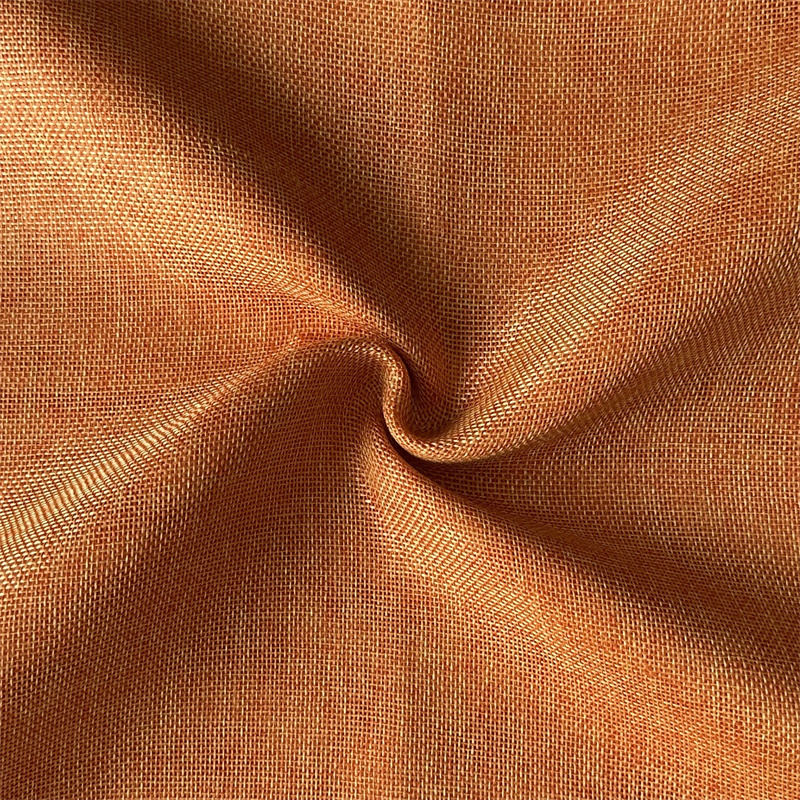
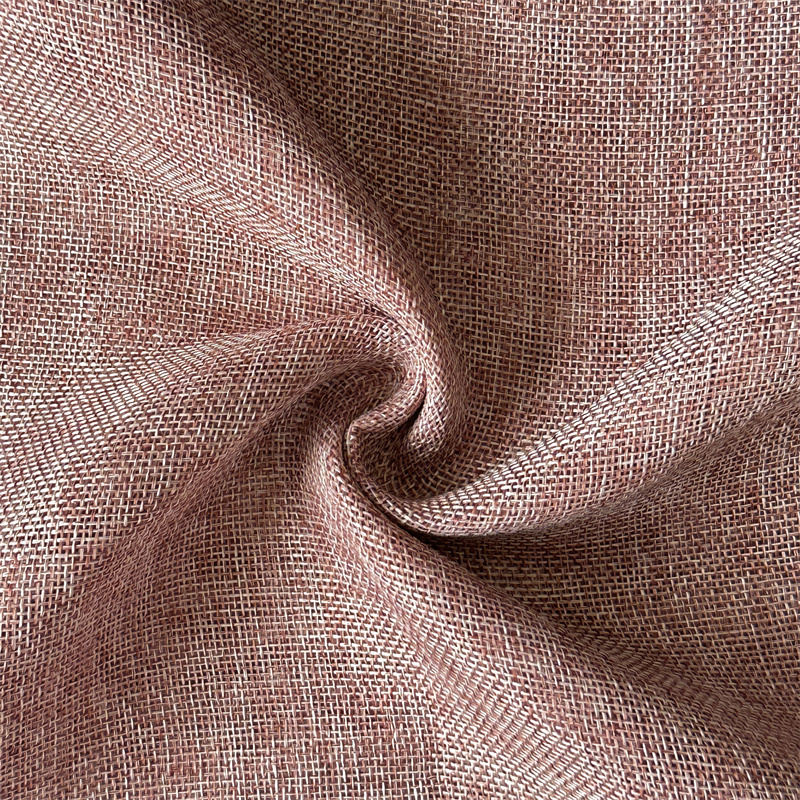
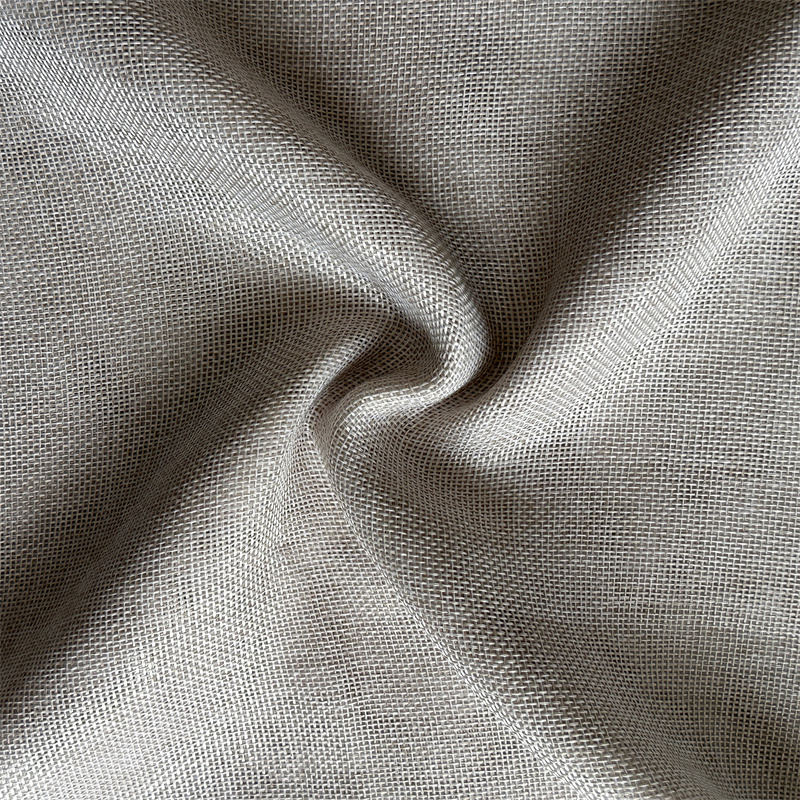
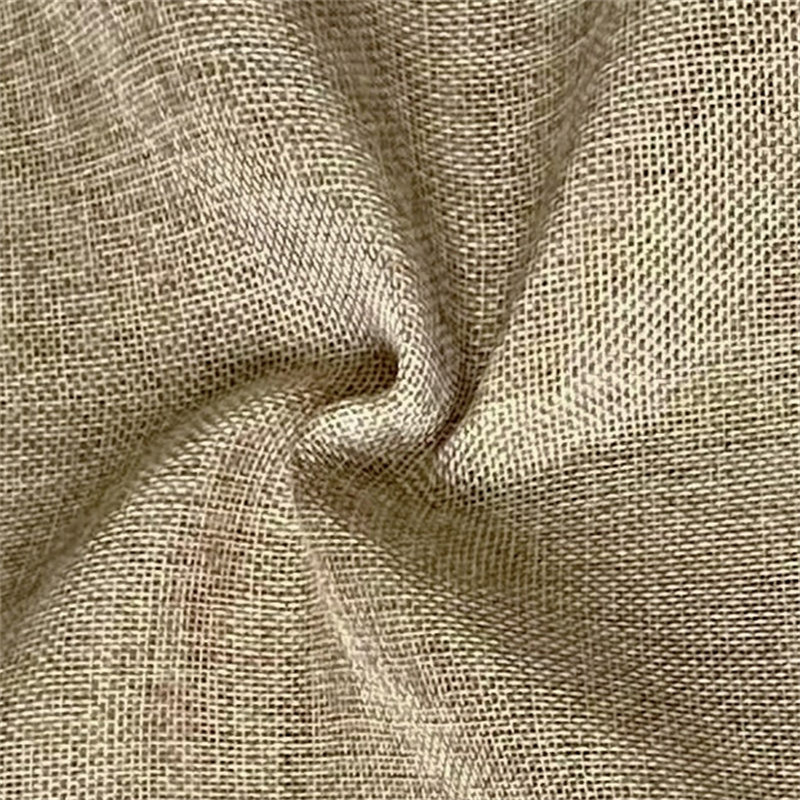
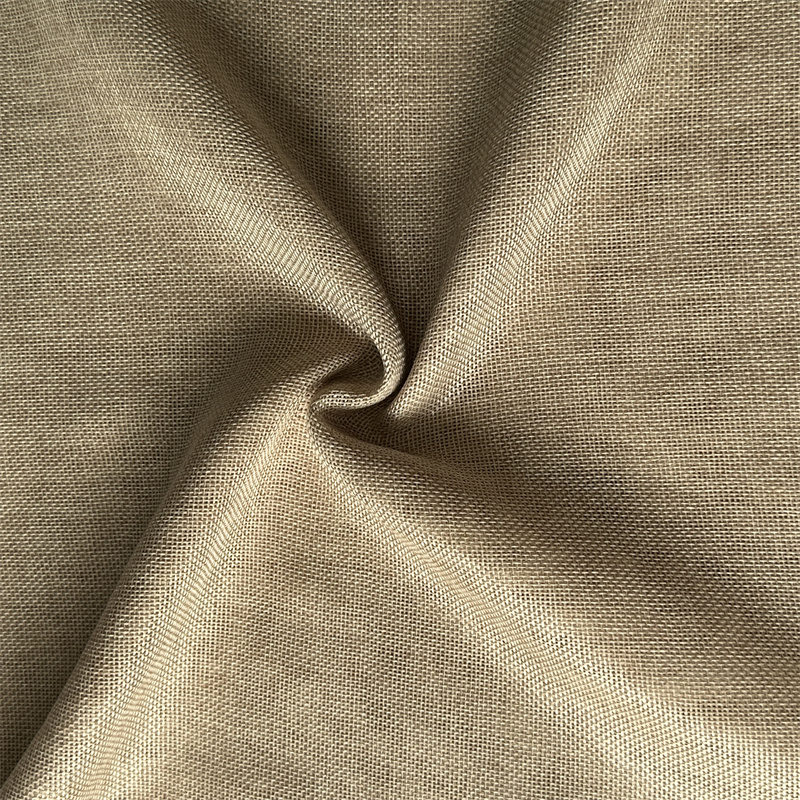
The most common reason to choose viscose is its drape. It falls smoothly over the body, absorbs dye well, and holds vivid colour. For that reason, viscose is a classic fabric for printed blouses and dresses. But if you need an easy-care product or a fabric that holds its shape after repeated washing, a woven polyester or a polyester-blend linen is often a more practical choice. Our polyester linen fabric, for example, reproduces the natural texture of linen without the same wrinkle and shrinkage issues, and it is stocked in several weights.
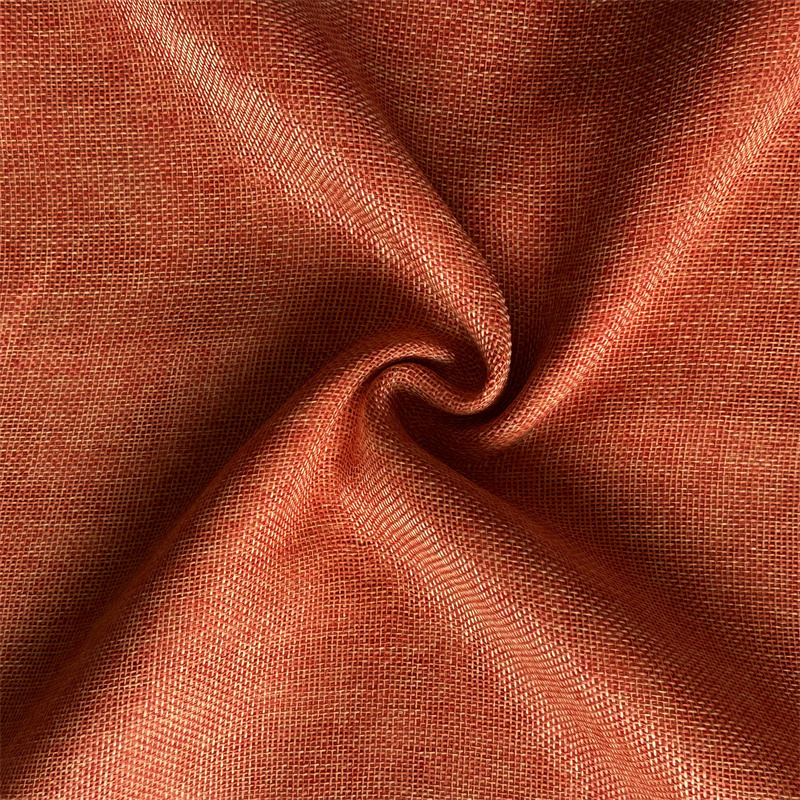 Custom Polyester Linen Fabric Manufacturers, FactoryTongxiang Miaoqisi Textile Co., Ltd. is China polyester linen fabric manufacturers and polyester linen fabric factory, manufacturing of c...View Product →
Breathability is where viscose usually wins over polyester. If your customer wants breathable garments but you prefer to work with an easy-care fibre, it is worth understanding how polyester linen fabric performs in terms of moisture-wicking and breathability in practical wear.
For a silk-like lustre, fine viscose can look convincing at a distance. Yet viscose will not have the same resilience as silk, and it weakens in the wash. When the brief calls for a silk aesthetic at a working price, our imitation silk fabric gives a smooth hand and soft sheen while remaining easier to care for.
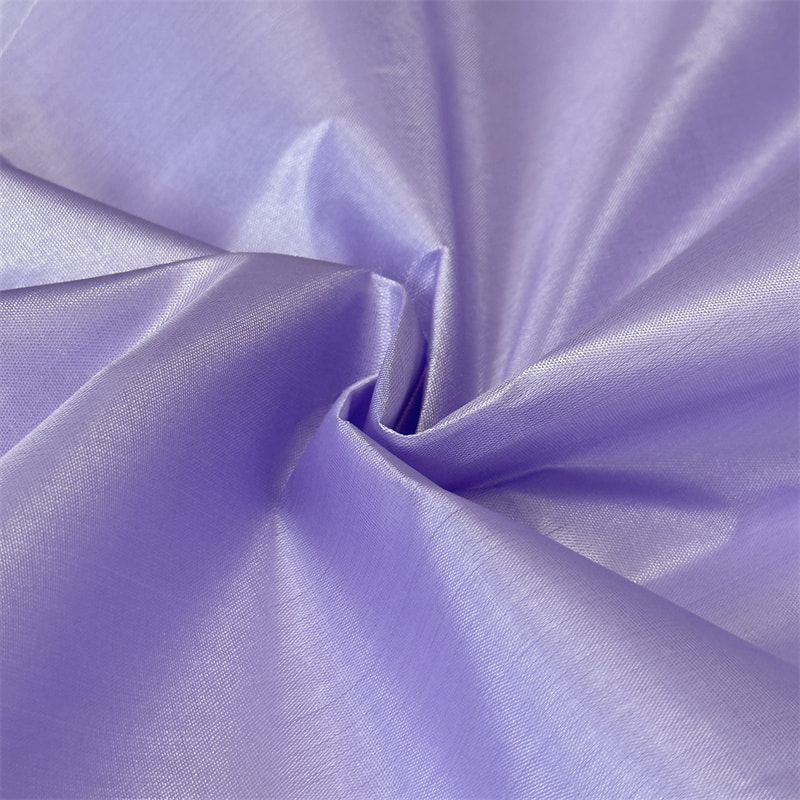 Custom Imitation Silk Fabric Manufacturers, SuppliersTongxiang Miaoqisi Textile Co., Ltd. is China imitation silk fabric manufacturers and imitation silk fabric factory, manufacturing of cus...View Product →
Where Viscose Fabric Works Best
Viscose earns its place in collections that need a soft, fluid cloth at a lower price than true silk. It is widely used for blouses, skirts, dresses, linings, scarves, and printed summer clothing. Because viscose accepts dyes well, it is a favourite for colourful print runs.
For patterned fabrics, jacquard weaves offer a textured alternative to printed cloth. A viscose jacquard gives refined drape and clear pattern detail, but a jacquard fabric with synthetic fibre content can stay crisper in daily use. The right choice depends on whether the garment should be fluid or structured.
 Jacquard Fabric Manufacturer, Custom Jacquard Fabric FactoryTongxiang Miaoqisi Textile Co., Ltd. is China jacquard fabric manufacturers and jacquard fabric factory, manufacturing of custom jacquard...View Product →
How to Care for Viscose Fabric
The end user's care habits will decide how long a viscose garment lasts. If you produce for retail, include care instructions that are easy to follow:
- Wash on a gentle cycle in cold water, or hand wash when the care label says so.
- Use a mild detergent and avoid bleach.
- Do not wring the fabric; squeeze out excess water gently.
- Dry flat, away from direct sunlight and heat.
- Iron on a low setting with steam, or dry clean if the label recommends it.
Many womenswear brands accept the care demand because the drape is worth it; others prefer synthetic blends for lighter maintenance. The product brief should decide.
A Sourcing Checklist for Your Next Order
Before you commit to a viscose order, confirm the following with your supplier: fibre source and traceability; fabric weight in grams per square metre; weave construction; shrinkage test results; torque or skew data for knits; finished width; and the type of dyeing and finishing. Ask for a sample first and run a wash test on your own pattern.
The raw material story of viscose is only one part of the decision. Fibre quality, mill discipline, and finishing are just as important as the fact that the fabric was made from wood pulp. At Miaoqisi Textile, we help buyers compare these options every week, and we can talk through the trade-offs with your production team before you place a bulk order.