

 中文简体
中文简体 Español
Content
Choosing the right fabric is often the difference between a print that pops and one that fades, bleeds, or cracks. Whether you are preparing a small collection of custom tote bags, sampling patterned apparel, or planning a home-decor line, the fabric you select matters as much as the design itself. In our experience as a textile manufacturer, we have seen buyers invest heavily in printing only to be disappointed by a base cloth that is too stretchy, too rough, or too heat-sensitive. The good news is that once you understand a few simple rules, you can avoid those problems.
For most projects, the safest starting point is a polyester-based fabric if you plan to use heat transfer or sublimation printing, and a natural-fiber fabric if you are using direct-to-garment inkjet. Below, we explain why and show you how to match the cloth to the printing method.
Understanding Fabric Printing Methods
Different printing technologies interact with fabric in different ways. The four most common methods are sublimation, direct-to-garment (DTG), screen printing, and heat transfer. Each has its own fabric requirements, and choosing the wrong combination can ruin both the fabric and the print.
| Printing Method | Best Fabric Types | Key Characteristics |
|---|---|---|
| Heat Sublimation | Polyester and high-polyester blends | Dyes convert to gas and bond with polymer; vibrant and durable; requires synthetic content |
| Direct-to-Garment (DTG) | Cotton and cotton-rich blends | Liquid inks sprayed directly onto fabric; soft hand feel; great for complex colors and short runs |
| Screen Printing | Cotton, polyester, and blends | Thick ink pressed through a stencil; very durable; economical for large quantities but higher setup cost |
| Heat Transfer Vinyl | Cotton, polyester, and blends | Cut vinyl is heat-pressed onto the surface; best for simple logos and lettering, not full-color photos |
Heat sublimation is particularly popular for polyester fabrics because the ink becomes part of the fiber, so prints do not crack or peel. Direct-to-garment works beautifully on natural fibers but has poor adhesion on synthetics unless a special pretreatment is applied. Screen printing remains a workhorse for bulk orders, but the setup cost makes it impractical for small batches or highly detailed gradients.
If you are planning to print on polyester, the next step is to think about fabric construction. A loosely woven cloth can cause the ink to bleed; a very smooth cloth can make surface texture disappear. That is why selecting the right base fabric is as important as choosing the print method.
What to Look for When Choosing a Fabric for Printing
The performance of a printed fabric depends on four main factors: fiber content, weave and surface structure, weight, and dimensional stability.
- Fiber content determines which printing technology will work. Polyester and high-synthetic blends are required for sublimation. Cotton and viscose accept direct printing inks more readily.
- Weave and surface texture affect how ink settles. Smooth surfaces like satin produce sharp, high-resolution details. Textured surfaces like faux linen create a softer, more organic look while hiding minor flaws.
- Fabric weight influences handling. Lightweight fabrics are prone to shifting and require careful stabilization. Medium to heavy weights offer a more stable printing base and are easier to cut and sew afterward.
- Dimensional stability and stretch matter for registration. If the fabric stretches during printing, colors can misalign. Woven fabrics are generally more stable than knits, which is why many printers prefer woven base cloth for patterns.
For a full discussion of why woven polyester linen deserves attention in apparel and interiors, we have covered the benefits of polyester linen fabric in a related article. The key takeaway is that a textured polyester base can deliver the look of natural linen while maintaining the print quality and durability that synthetics offer.
Fabric Types and Their Printing Characteristics
At our mill, we produce several fabric families that are well suited to printing. Here is how they behave under common printing processes.
Polyester Faux Linen
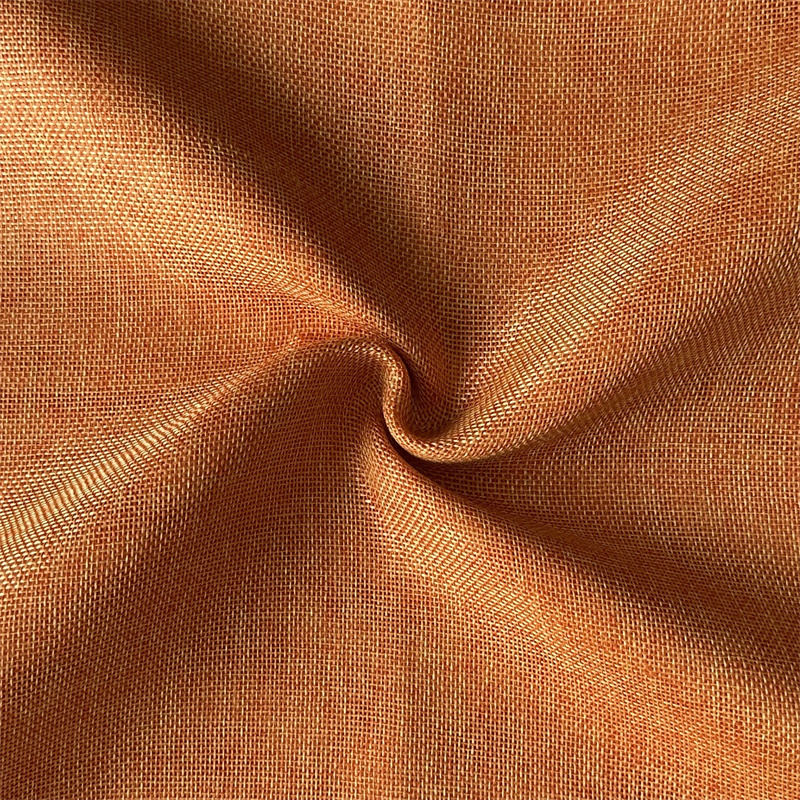
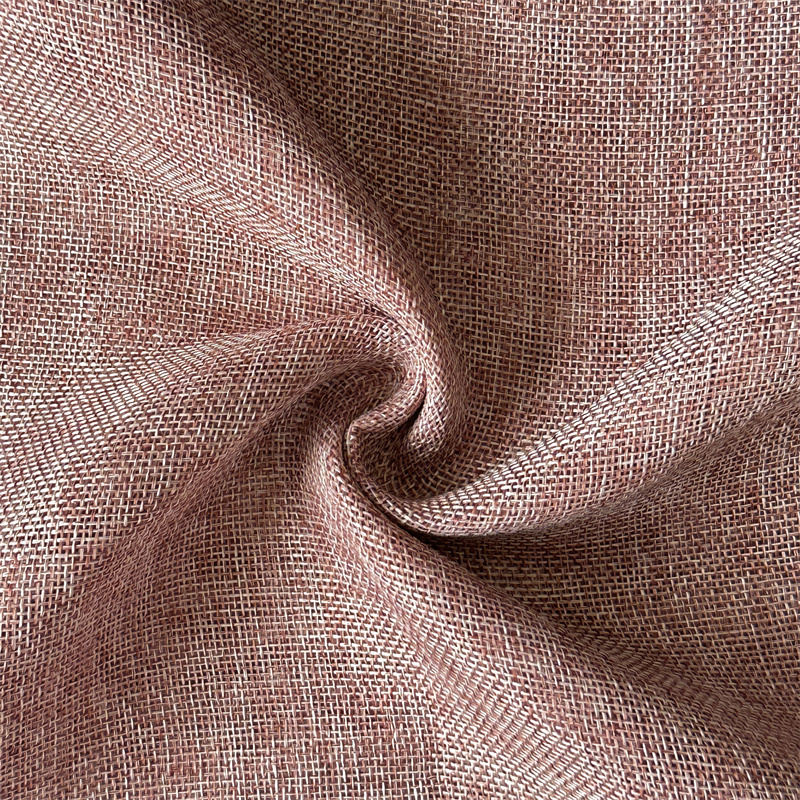
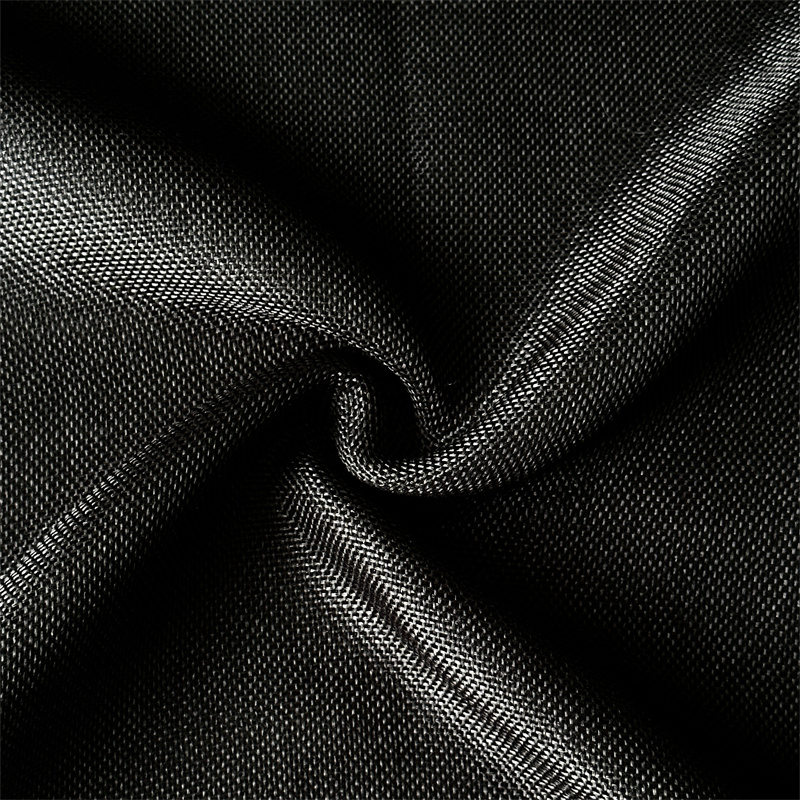
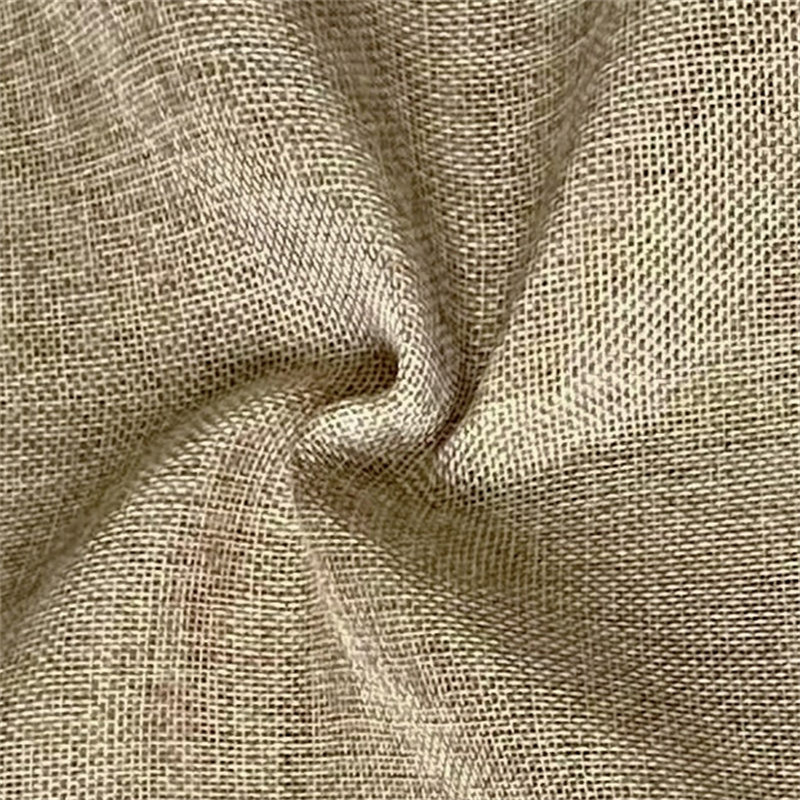
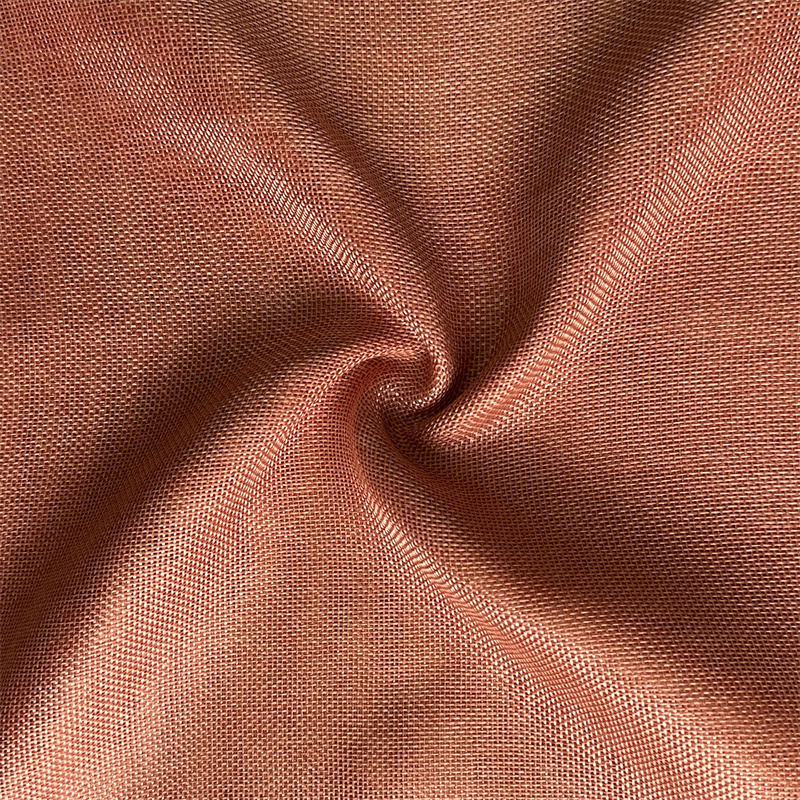
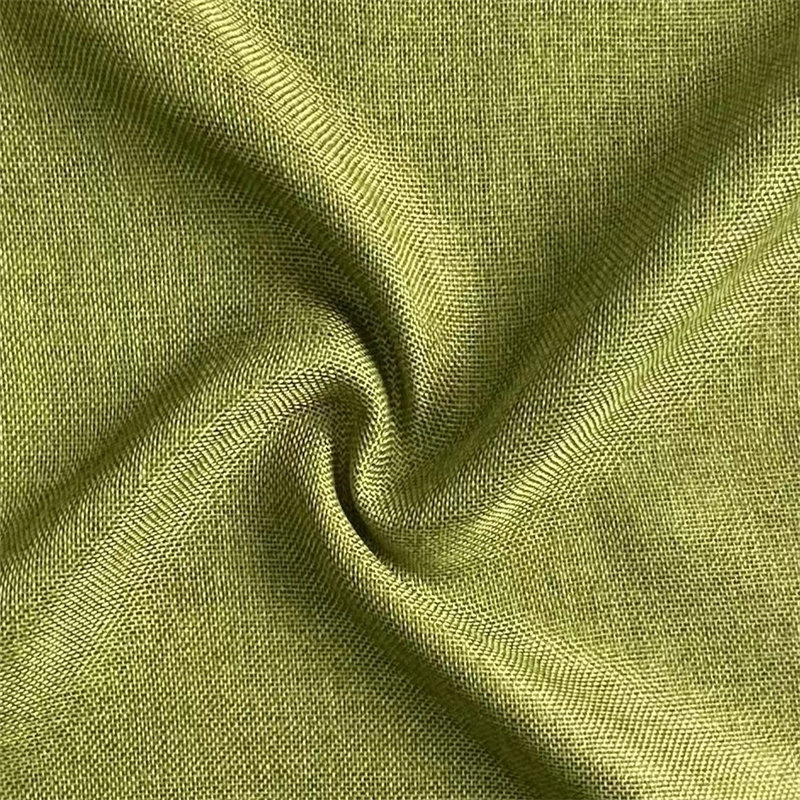
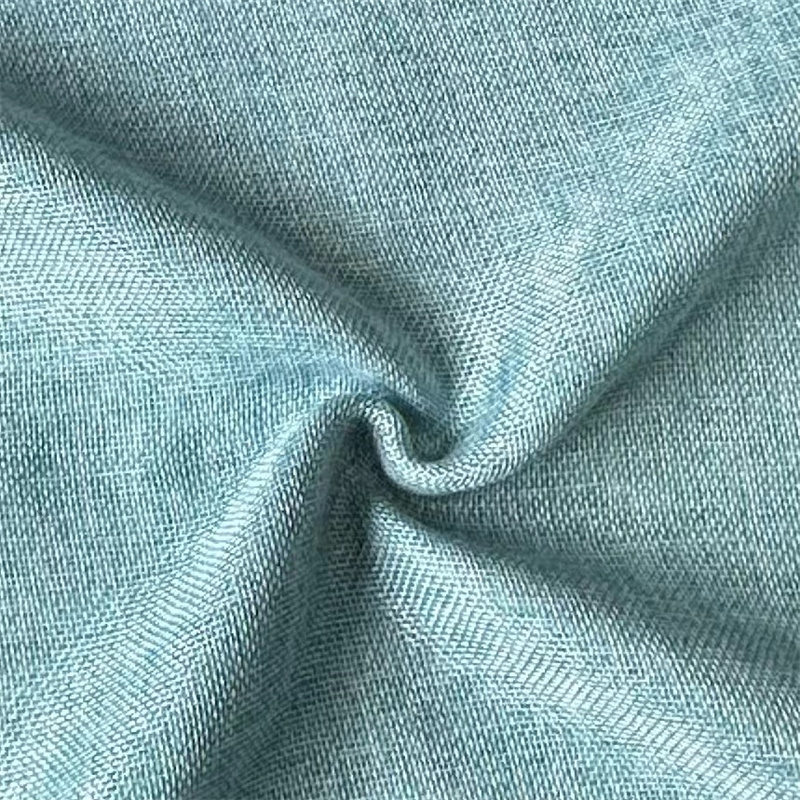
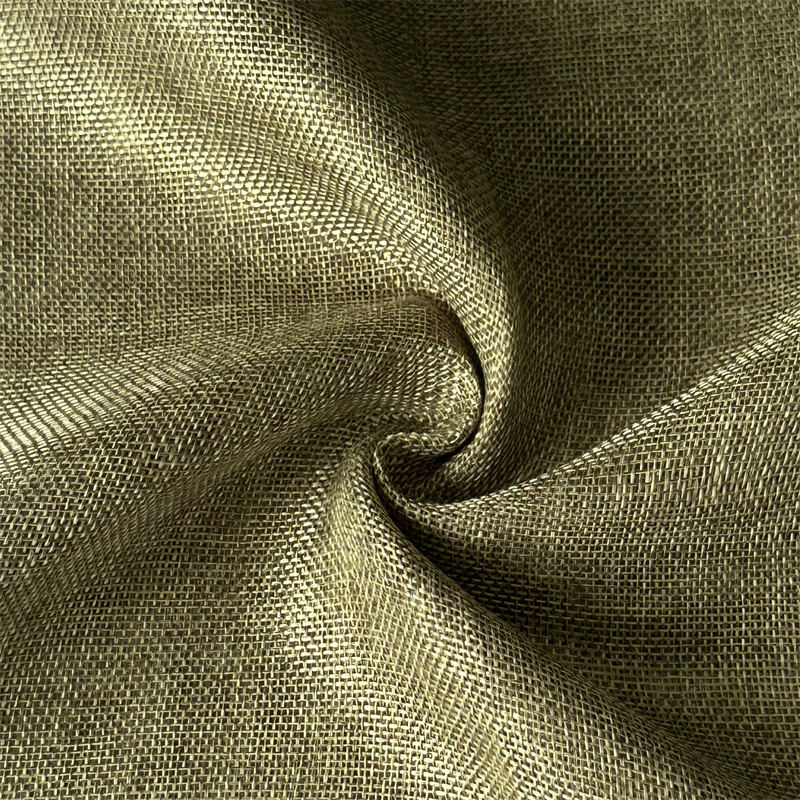
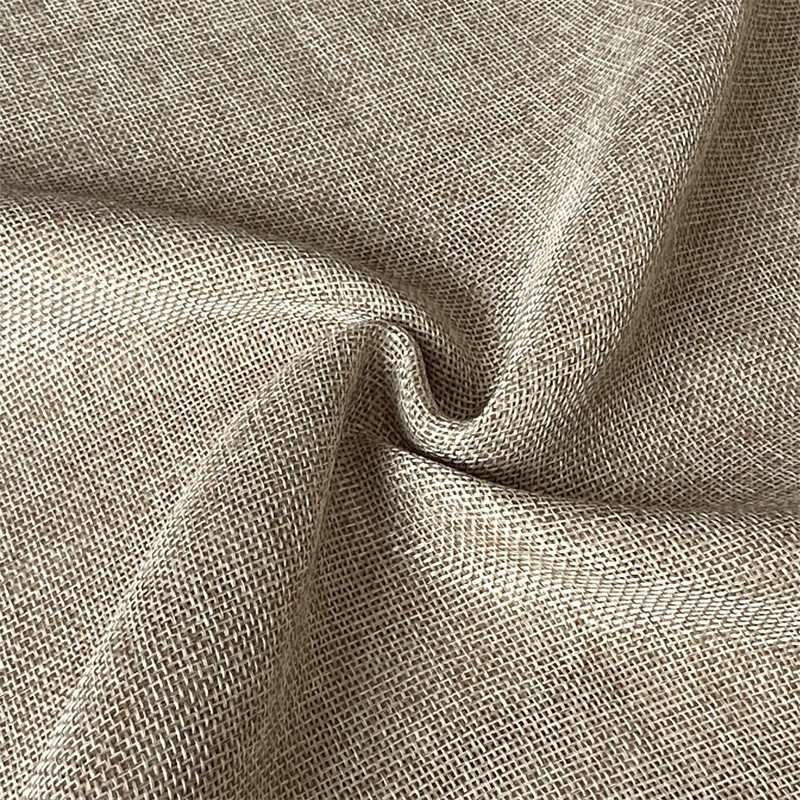
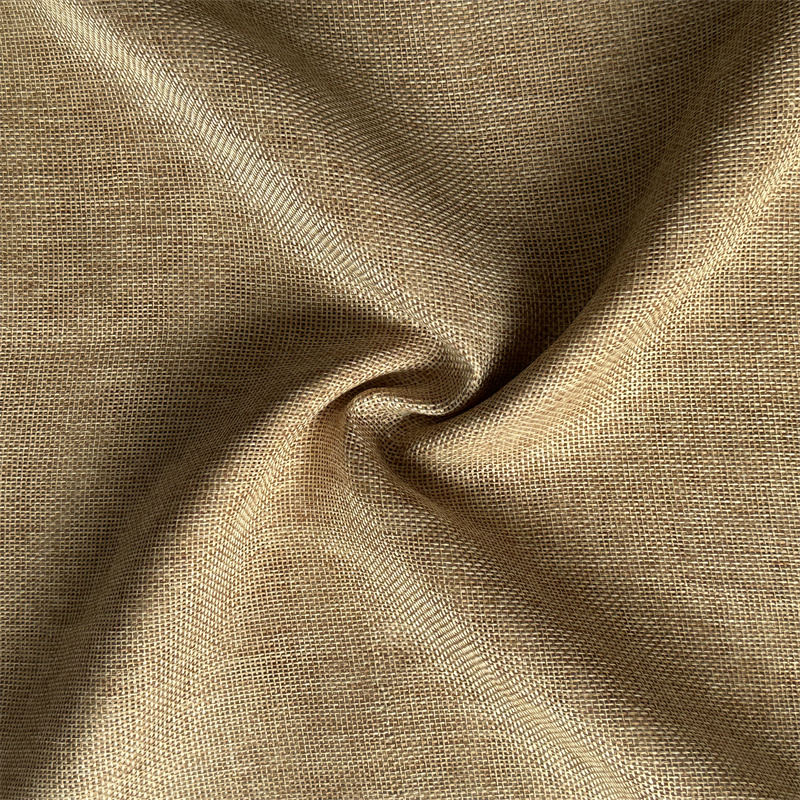
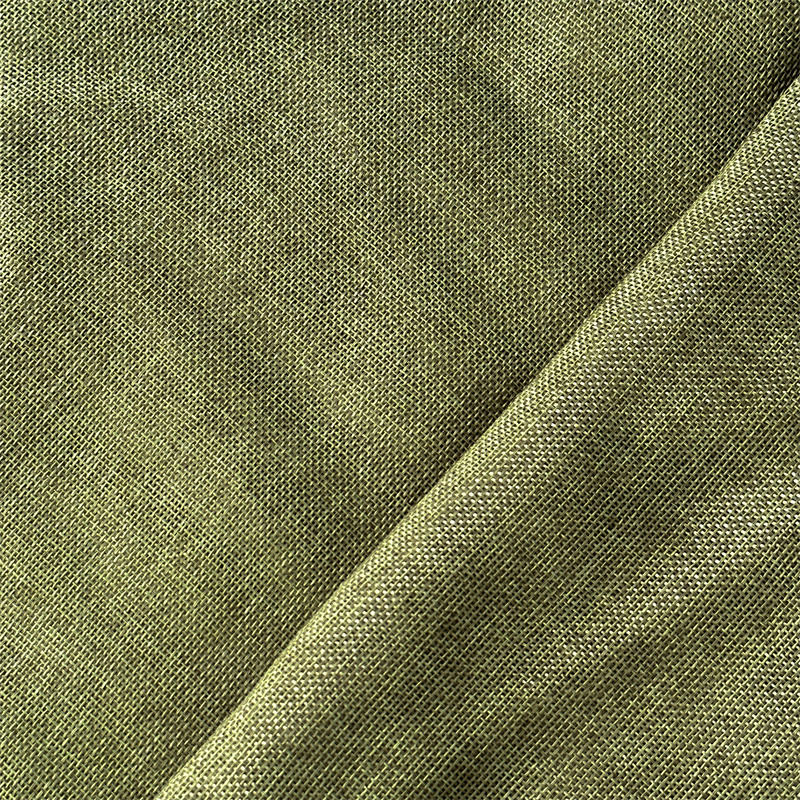
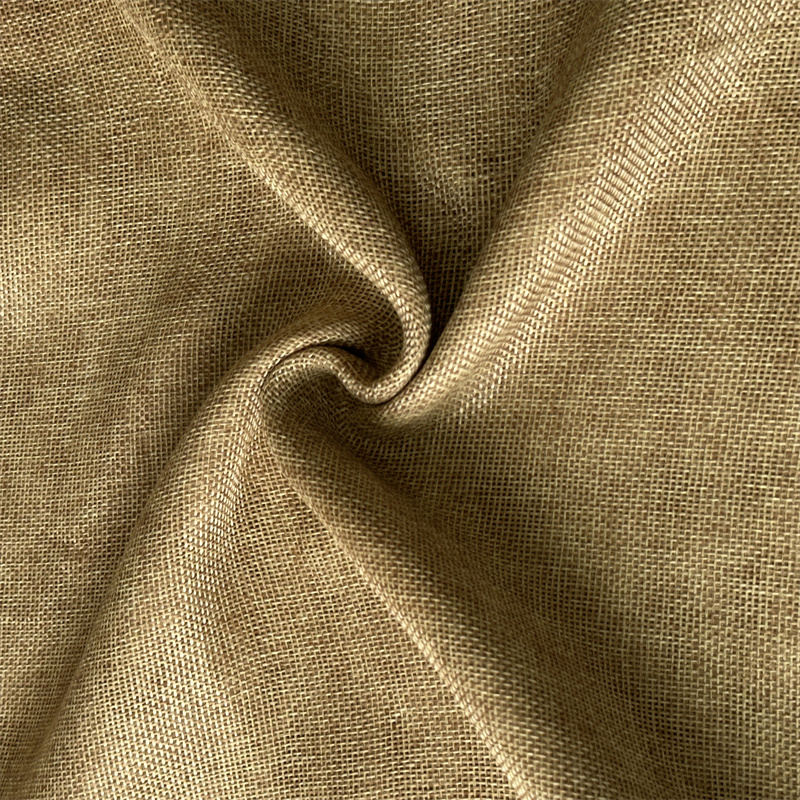
Polyester faux linen is a woven fabric that mimics the irregular, slightly textured surface of natural linen but is made entirely from polyester yarns. Because of its synthetic content, it responds excellently to sublimation printing. The visible weave adds a tactile, natural feel to the final product, which works well for cushions, table linen, and relaxed clothing. The relatively open construction also helps the fabric breathe, and the polyester base resists shrinkage.
For heavier applications such as upholstery and bags, we recommend the 1400D 300gsm polyester faux linen fabric. Its higher weight provides excellent stability during printing and sewing, and the tight yet textured weave keeps printed edges crisp.
 Custom 1400D 300gsm 99.99% Polyester Faux Linen Fabric Manufacturers, FactoryTongxiang Miaoqisi Textile Co., Ltd. is China OEM/ODM 1400D 300gsm 99.99% Polyester Faux Linen Fabrics manufacturer and factory, offer cu...View Product →
Satin Fabric
Satin has a smooth, lustrous face made from filament yarns that reflect light. This surface is ideal for high-detail sublimation prints because the ink lies on a very even plane, producing clear edges and saturated colors. Satin is commonly used in fashion garments, scarves, and decorative cushions where a premium sheen is desired. If you are printing a design with fine lines or photorealistic elements, a satin base will reproduce those details faithfully.
Our polyester satin fabric is available in multiple weights and can be supplied either prepared for digital printing or as a raw base for your own finishing.
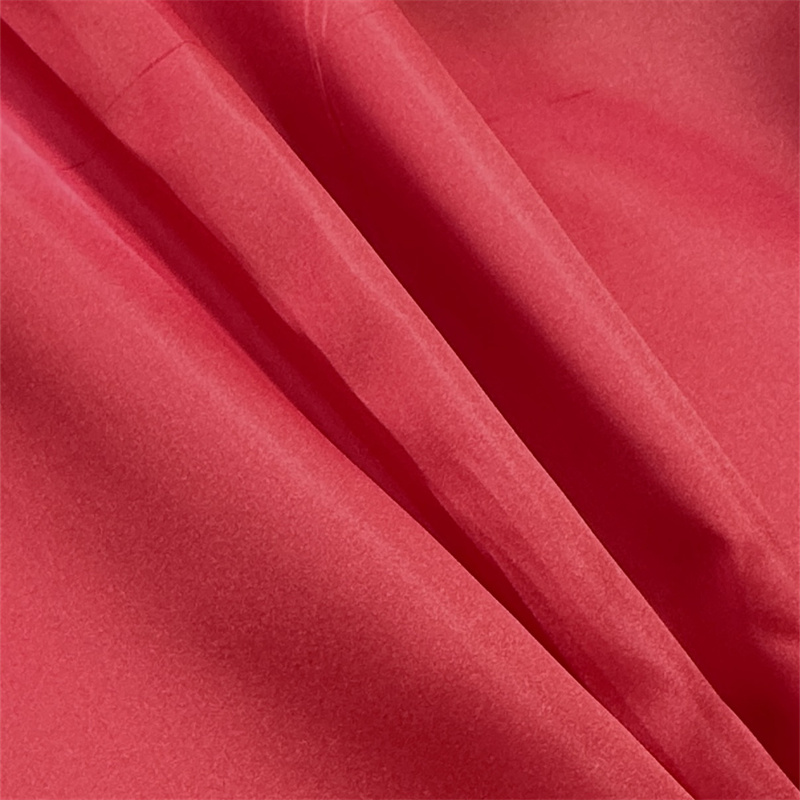 Satin Fabric Suppliers, Custom Satin Fabric ManufacturersTongxiang Miaoqisi Textile Co., Ltd. is China satin fabric suppliers and satin fabric manufacturers, focus on manufacturing of custom sat...View Product →
Imitation Silk Fabric
Imitation silk, like satin, uses polyester filaments but with a different weave and drape. It produces the soft, flowing character of silk while remaining easy to care for and more affordable. This fabric takes sublimation ink well and is an excellent choice for printed headscarves, neckties, and lightweight curtains. The subtle luster of the imitation silk gives printed colors depth without the high gloss of satin. When you need an elegant drape and a slightly brushed feel, consider our imitation silk fabric.
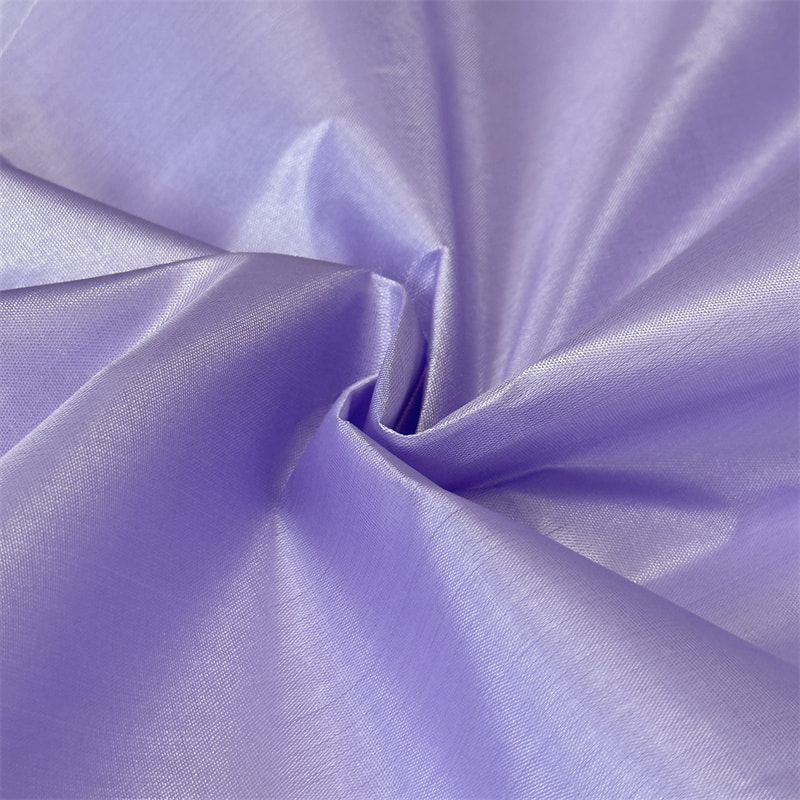 Custom Imitation Silk Fabric Manufacturers, SuppliersTongxiang Miaoqisi Textile Co., Ltd. is China imitation silk fabric manufacturers and imitation silk fabric factory, manufacturing of cus...View Product →
Jacquard Fabric
Jacquard fabric contains complex, woven-in patterns rather than printed ones. If you want to add printing on top of a jacquard base, the existing pattern must be taken into account — otherwise the print can look busy or clash with the woven motifs. We offer polyester linen blends in jacquard constructions, but for most printed projects a plain or subtly textured base gives you more design freedom.
Practical Tips for Successful Printing
Even with the right fabric, a few technical habits will save you time and material.
- Always test a sample. Print a small swatch with your design and your chosen fabric before committing to a full run. Colors can shift depending on cloth texture and weight.
- Check pressure and temperature. For sublimation, follow the ink manufacturer's recommended settings. Too much pressure can flatten the texture of faux linen; too little can result in faded colors.
- Account for fabric finish. Some fabrics are coated with softeners or anti-static agents that reduce ink uptake. If your supplier can provide an uncoated or print-ready version, that is usually safer.
- Choose the right side. Woven fabrics often have a slightly different face and back. Print on the side intended for the finished product to avoid shine differences.
- Wash test. Before finalizing an order, wash a printed sample according to the care label. This confirms whether the print will remain vibrant and whether any shrinkage will affect the design registration.
As a manufacturer, we can adjust fabric construction and finishing to suit your printing workflow. Whether you need a tighter weave, a specific weight, or a special surface treatment, we are equipped to handle custom specifications.
Final Thoughts
The best fabric for printing is not the most expensive one — it is the one that matches your printing method, end-use, and design complexity. For sublimation, choose a polyester base such as faux linen, satin, or imitation silk. For direct-to-garment, choose a cotton-rich fabric. Always test before mass production, and do not underestimate the role of weave and surface texture in the final look.
If you are sourcing fabric for your next print project, we encourage you to review our fabric product range and contact us with your specifications. We are happy to provide samples and assist with technical questions about printing compatibility.