

 中文简体
中文简体 Español
Content
With so many chenille yarn options on the market, from bargain acrylic skeins to premium cotton blends, choosing the right one for a specific project can be confusing. Beyond the soft, plush texture that makes chenille recognizable, factors like ply structure, weight, and intended end use significantly affect how a project turns out. This guide focuses on practical buying decisions, comparing chenille to other plush yarns, and matching the right type to specific projects like blankets, garments, and home decor.
Chenille Yarn Weight and Ply Explained
Chenille yarn is available in a range of weights, and choosing the correct one has a major impact on the drape, warmth, and stitch definition of the finished piece. Lighter weight chenille, often labeled as sport or DK weight, works well for garments that need to drape naturally against the body, such as cardigans or lightweight tops, since bulkier chenille can add unwanted stiffness to wearable items. Bulky and super bulky chenille yarns are popular for blankets and throws because they knit or crochet up quickly and produce a noticeably plush, thick fabric with relatively few stitches.
Ply count also affects how the yarn behaves during a project. Single-ply chenille, which consists of one core thread wrapped with pile fibers, tends to be more prone to splitting and worming than multi-ply versions, where two or more chenille strands are twisted together for added stability. This added stability makes multi-ply chenille a better choice for projects that will see frequent handling or washing, such as baby blankets or well-loved throws.
| Weight Category | Typical Gauge | Ideal Projects |
| Sport/DK | 22-24 sts per 4 inches | Garments, scarves, accessories |
| Worsted | 16-20 sts per 4 inches | Sweaters, medium-weight blankets |
| Bulky | 12-15 sts per 4 inches | Throws, quick-knit blankets |
| Super bulky | 7-11 sts per 4 inches | Statement pillows, jumbo blankets |
Chenille vs Other Plush Yarns
Shoppers browsing for soft, plush yarn often encounter velvet yarn and faux fur yarn alongside chenille, and while these materials look similar at a glance, their construction and performance differ in meaningful ways. Velvet yarn is typically a chainette-style yarn, constructed as a knitted tube filled with pile fibers rather than woven around a core thread. This gives velvet yarn a rounder, more uniform appearance with slightly less shedding than traditional chenille, though it generally has less give and can feel denser to work with.
Faux fur yarn takes a different approach entirely, using much longer pile fibers attached to a thin core to mimic the appearance of animal fur rather than a smooth velvet surface. While faux fur yarn creates a dramatic textured effect, it lacks the smooth, even drape that chenille provides, making it better suited to trim, accents, or novelty projects rather than full garments or blankets where consistent texture matters.
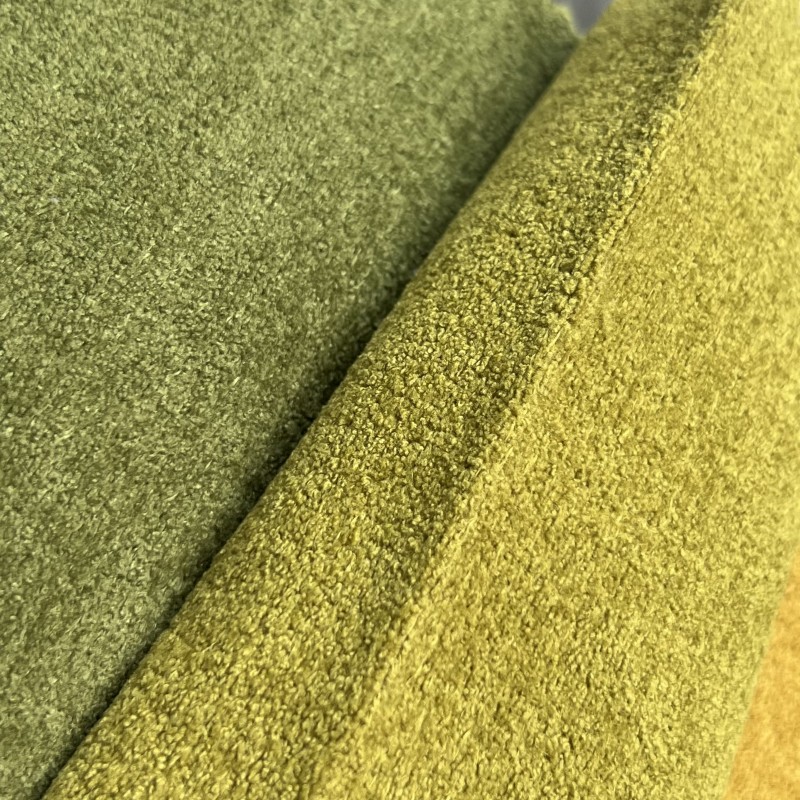
Quick Comparison
- Chenille: woven pile construction, soft drape, moderate worming risk
- Velvet yarn: chainette tube construction, rounder texture, less shedding
- Faux fur yarn: long pile fibers, dramatic texture, best for accents
Matching Chenille Yarn to Specific Projects
Blankets and throws remain one of the most popular uses for chenille yarn, and for good reason, since the yarn's inherent softness translates beautifully into a cozy finished product. For this application, acrylic or acrylic-polyester blends are usually the most practical choice, offering machine washability and resilience against the frequent use and washing that blankets typically endure. Bulky or super bulky weight yarns are ideal here, since they allow a blanket to be completed relatively quickly while still achieving substantial thickness and warmth.
For wearable garments like sweaters or cardigans, a lighter weight cotton or cotton-blend chenille offers better breathability and drape than bulkier acrylic versions, preventing the finished garment from feeling overly heavy or stiff. Amigurumi and stuffed toy makers frequently choose chenille for its soft, huggable finish, though worsted weight is generally preferred over bulky for these projects, since it allows for better stitch definition needed to shape smaller features like ears or limbs.
Project-Based Recommendations
- Blankets and throws: bulky acrylic or acrylic-polyester blend
- Garments and cardigans: lightweight cotton or cotton blend
- Amigurumi and toys: worsted weight for better stitch definition
- Scarves and accessories: DK or sport weight for drape
- Home decor pillows: bulky or super bulky for a plush statement look
What to Check Before Buying Chenille Yarn
Not all chenille yarns are created equal, and a few key details can help predict how well a particular skein will perform. Checking the ply structure listed on the label is one of the most useful indicators, since multi-ply chenille generally resists worming and pilling better than single-ply versions, even if it costs slightly more per skein. Fiber content should also be matched to the project's intended use, with acrylic offering the best value and washability for everyday items, while natural fibers like cotton or wool blends are better suited to projects where breathability or warmth is a priority.
It is also worth reading customer reviews or checking sample swatches when possible, since chenille yarn quality can vary noticeably between brands, even within the same fiber and weight category. Signs of a higher quality chenille yarn include a dense, even pile with minimal bald spots along the core thread, since sparse or uneven pile distribution often indicates a lower manufacturing standard that will show through in the finished project.
Buying Checklist
- Check ply structure for worming resistance
- Match fiber content to the project's washability and drape needs
- Inspect for even, dense pile without visible bald spots
- Buy enough skeins from the same dye lot to avoid color variation
- Read reviews for brand-specific worming or shedding issues
Storing Chenille Yarn Properly
Proper storage helps preserve chenille yarn's texture even before it becomes a finished project. Keeping skeins in a breathable bag or bin, away from direct sunlight, prevents both fading and the fiber brittleness that can result from prolonged UV exposure. Chenille yarn should also be stored loosely rather than tightly compressed under other items, since sustained pressure can flatten the pile fibers over time, reducing the yarn's characteristic softness even before it is ever used in a project.
Choosing the right chenille yarn comes down to matching weight, ply structure, and fiber content to your specific project, whether that's a quick-knit blanket or a delicate wearable garment. By understanding these practical differences and checking quality indicators before buying, you can select a chenille yarn that performs well throughout the making process and holds up beautifully in the finished piece.