

 中文简体
中文简体 Español
Content
What Is Chenille Fabric
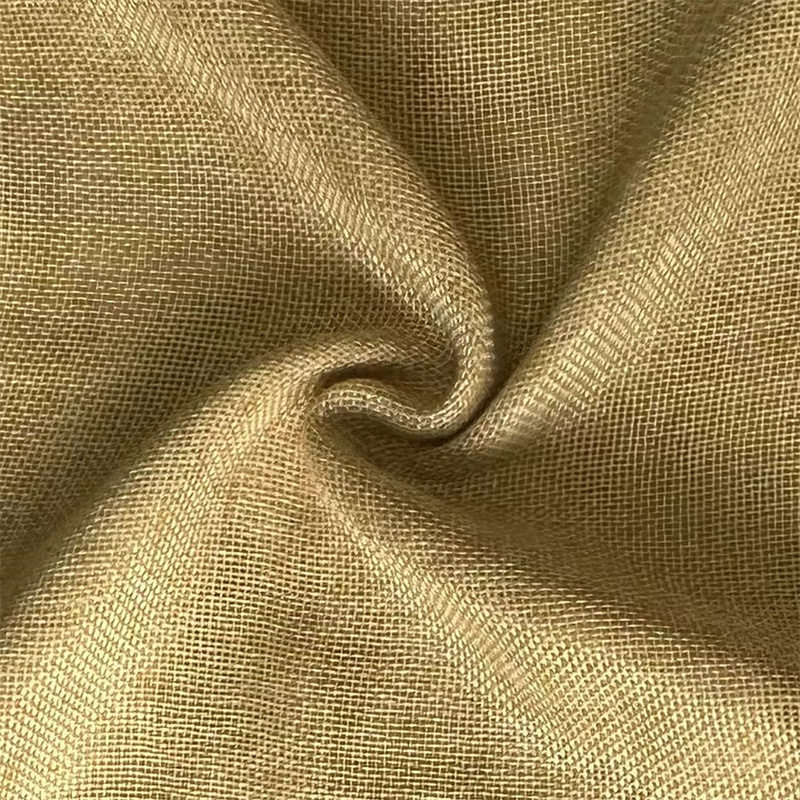
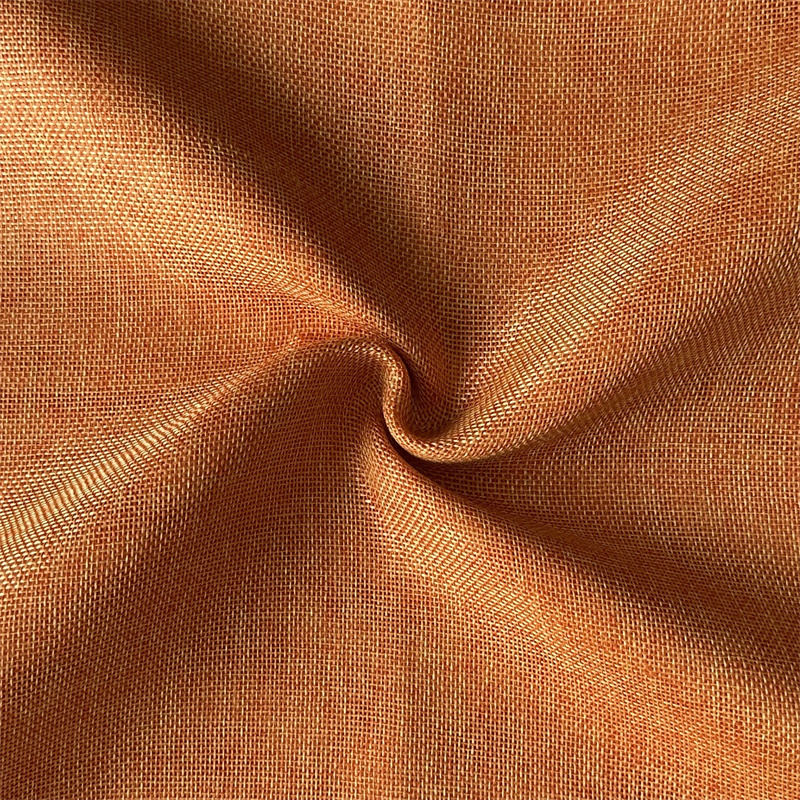
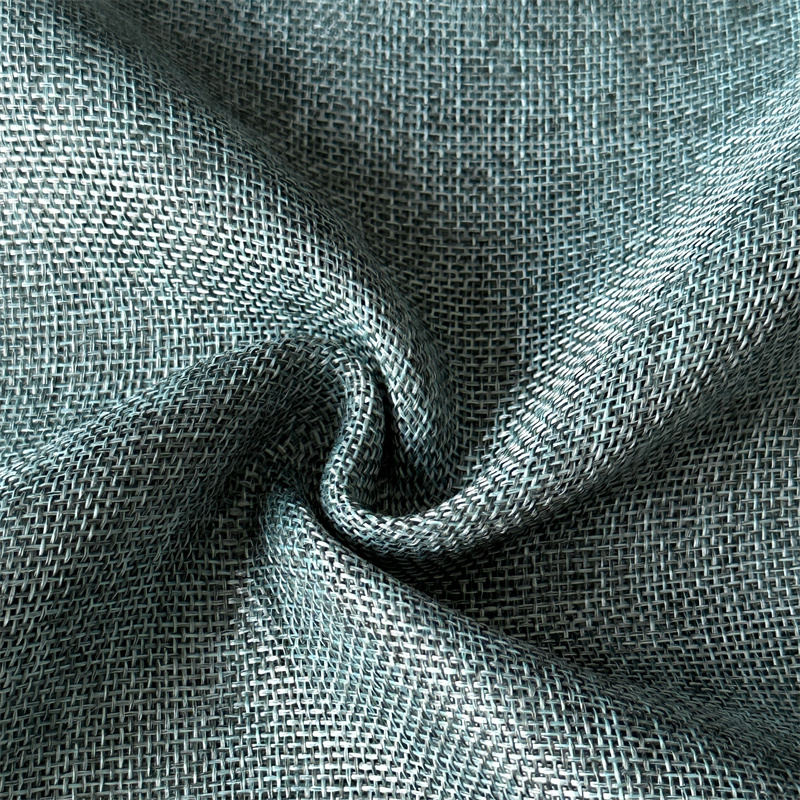
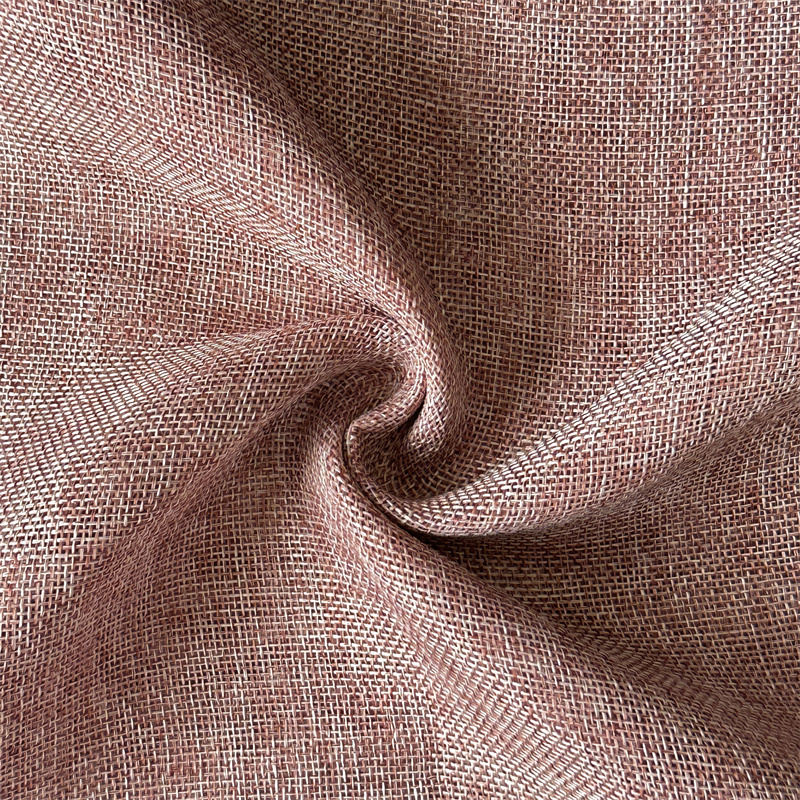
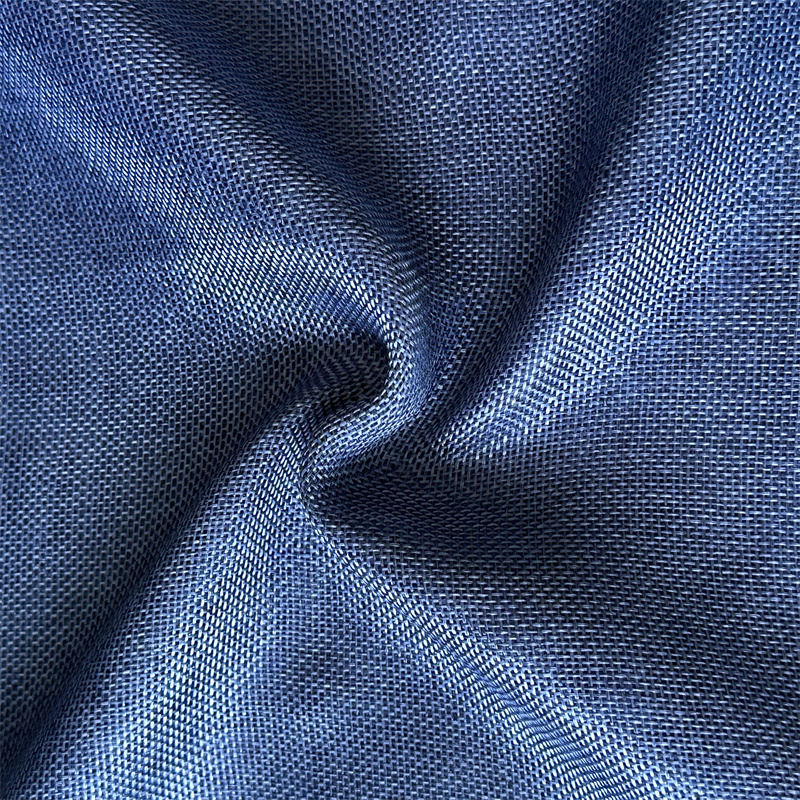
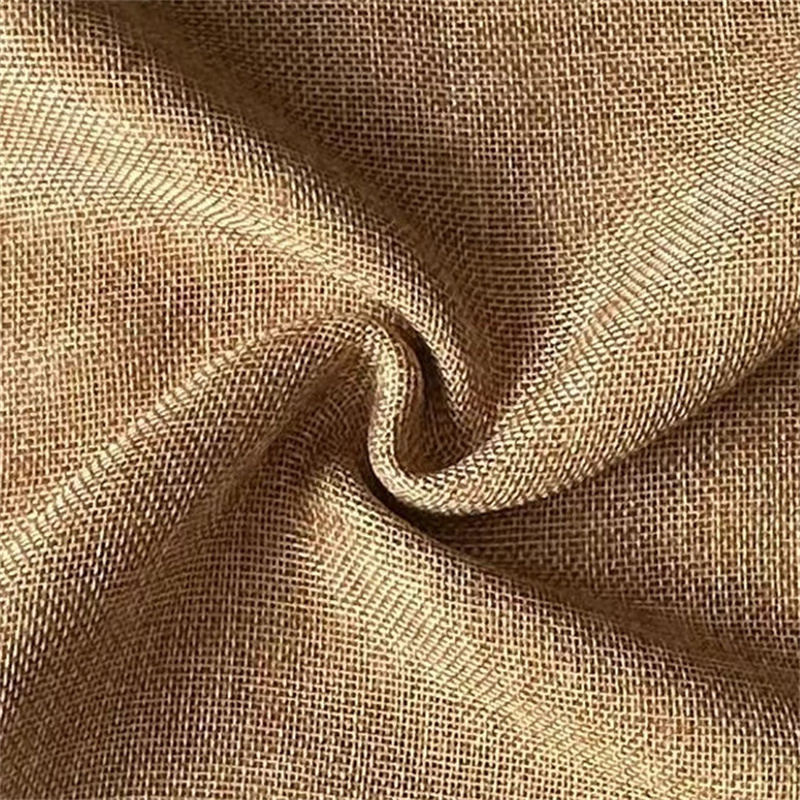
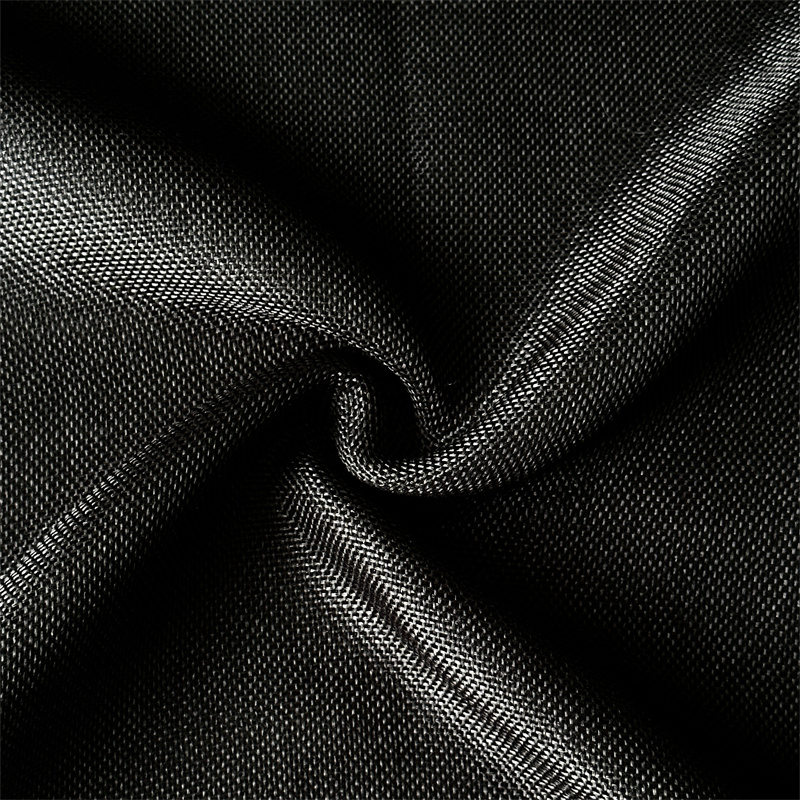
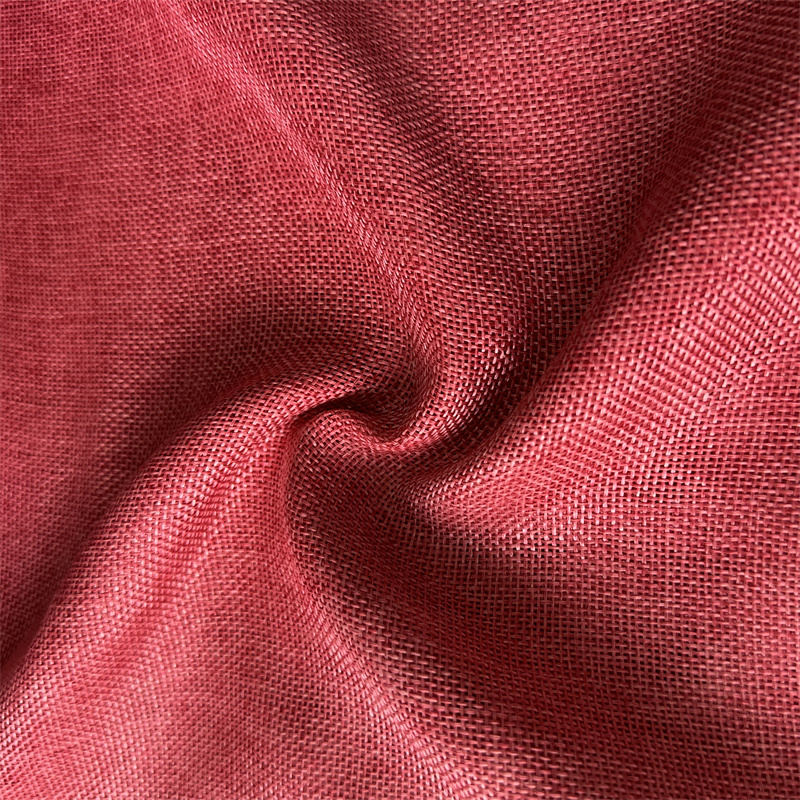
Chenille fabric is a soft, plush textile named after the French word for "caterpillar," a reference to the fabric's fuzzy, textured surface that resembles the tiny hairs on a caterpillar's body. This unique texture comes from a special weaving process in which short lengths of yarn are twisted between two core threads, then cut to create a pile that stands up from the fabric's surface. The result is a fabric that feels velvety and warm to the touch while displaying a subtle sheen that shifts depending on the viewing angle.
Because of its softness and visual depth, chenille fabric has become a staple in both apparel and home furnishings. It is commonly found in sweaters, scarves, and robes, as well as in upholstery, blankets, and curtains, where its cozy texture adds warmth and comfort to living spaces. Understanding how chenille is made and where it performs best can help buyers make informed decisions when selecting fabric for clothing or home projects.
How Chenille Fabric Is Made
The production of chenille fabric begins with the creation of chenille yarn itself, a specialized process where short pile yarns are inserted between two tightly twisted core yarns on a special loom. This intermediate yarn, sometimes called a "leno" yarn during production, is then cut at precise intervals to release the fuzzy pile fibers, giving the yarn its signature caterpillar-like appearance before it is even woven into fabric.
Once the chenille yarn is created, it can be woven or knitted into fabric using various base fibers, each contributing different characteristics to the finished textile. The table below outlines the most common fiber types used in chenille production.
| Fiber Type | Feel | Durability | Common Applications |
| Cotton Chenille | Soft, breathable | Moderate | Blankets, robes |
| Polyester Chenille | Plush, resilient | High | Upholstery, throw pillows |
| Acrylic Chenille | Lightweight, warm | Moderate | Sweaters, scarves |
| Rayon Chenille | Silky, lustrous | Lower | Decorative accents |
Key Characteristics of Chenille Fabric
Chenille's distinctive properties make it a favorite for both comfort-focused apparel and cozy home textiles. Recognizing these traits helps buyers understand what to expect from the fabric in different settings.
Softness and Warmth
The raised pile structure traps air within the fabric, giving chenille excellent insulating properties and a plush, warm feel that makes it especially popular for blankets, throws, and winter clothing.
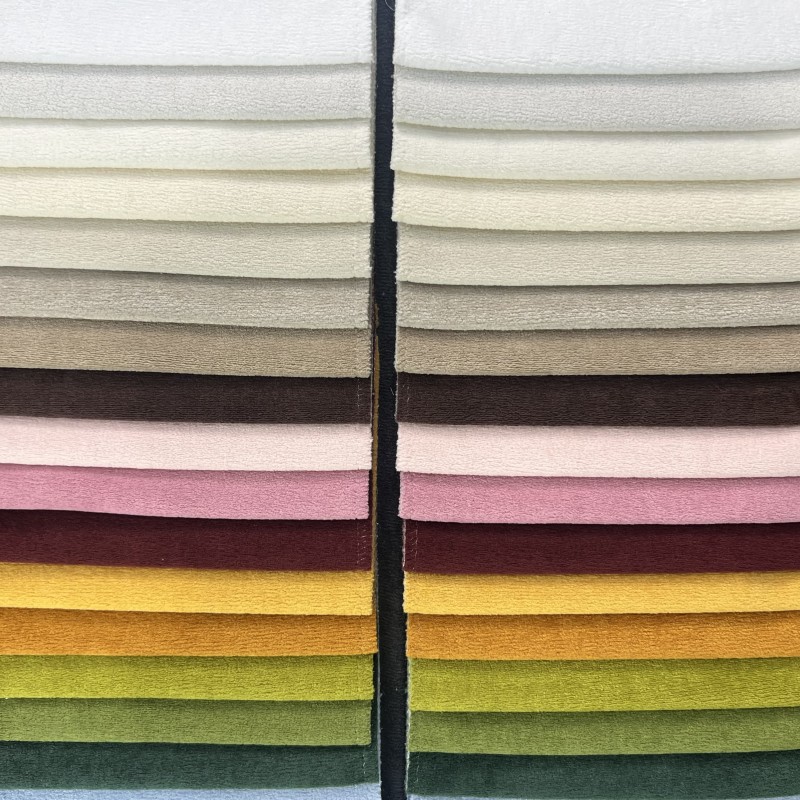
Visual Depth and Sheen
Because the pile fibers reflect light differently depending on the direction they lie, chenille fabric often displays a subtle color-shifting effect, adding richness and depth to solid-colored pieces.
Weight and Drape
Chenille tends to be heavier than many other fabrics due to its dense pile construction, which gives it a substantial drape that works well for structured upholstery and heavier garments rather than lightweight summer clothing.
Popular Uses for Chenille Fabric
Chenille's combination of softness and visual appeal has led to its widespread use across multiple product categories. In the home, it is a top choice for sofas, armchairs, and sectional upholstery, where its texture adds a cozy, inviting quality to living rooms and bedrooms. Chenille throws, blankets, and decorative pillows are also popular for adding warmth and a touch of luxury to any space.
In fashion, chenille is frequently used for sweaters, cardigans, scarves, and robes, particularly in fall and winter collections where its warmth and softness are especially valued. It is also used in some rugs and bath mats, where the dense pile provides a cushioned, comfortable surface underfoot.
How to Care for Chenille Fabric
Proper care is essential to keep chenille fabric looking plush and avoid damaging its delicate pile structure. Following these guidelines will help extend the life and appearance of chenille items.
- Check the care label first, since fiber content determines whether an item should be machine washed, hand washed, or dry cleaned only.
- Use a gentle or delicate cycle with cold water for machine-washable chenille to prevent the pile from flattening or fraying.
- Avoid wringing or twisting wet chenille fabric, as this can distort the pile and weaken the yarn structure.
- Air dry flat whenever possible, or use a low heat setting in the dryer to prevent shrinkage and pile damage.
- Vacuum upholstered chenille furniture regularly with a soft brush attachment to remove dust and prevent the pile from matting.
- Blot spills immediately with a clean cloth rather than rubbing, which can push stains deeper into the pile.
Advantages and Disadvantages of Chenille Fabric
Like any textile, chenille fabric comes with strengths and limitations that are worth considering before purchasing furniture, clothing, or home textiles made from it.
| Advantages | Disadvantages |
| Extremely soft and comfortable texture | Pile can flatten or mat with heavy use |
| Excellent warmth and insulation | Can be prone to shedding, especially when new |
| Attractive sheen and visual depth | Heavier weight limits use in summer clothing |
| Wide range of fiber and color options | Some types require careful cleaning |
Tips for Choosing Quality Chenille Products
When shopping for chenille fabric or products made from it, checking the density and evenness of the pile is one of the best indicators of quality. A well-made chenille fabric should have a dense, uniform pile with no bald patches or uneven texture, which suggests careful manufacturing and better resistance to shedding over time.
It is also helpful to consider the base fiber depending on the intended use. Polyester chenille tends to hold up best for high-traffic furniture due to its resilience, while cotton chenille is a good choice for blankets and robes where breathability and softness against the skin matter most. Reading fiber content labels and considering the item's intended use will help ensure a satisfying, long-lasting purchase.
Final Thoughts
Chenille fabric remains a beloved choice for adding softness, warmth, and visual richness to both clothing and home interiors. By understanding how it is manufactured, what its key properties are, and how to properly maintain it, shoppers can select the right chenille products for their needs and enjoy their cozy texture and appealing look for years to come.