

 中文简体
中文简体 Español
Content
What Is Imitation Silk Fabric
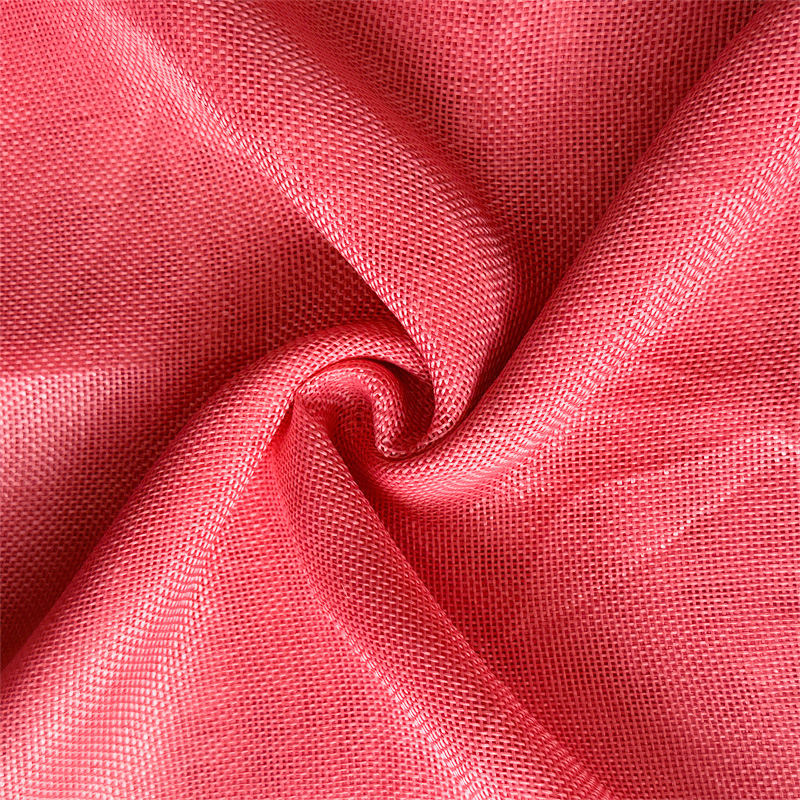
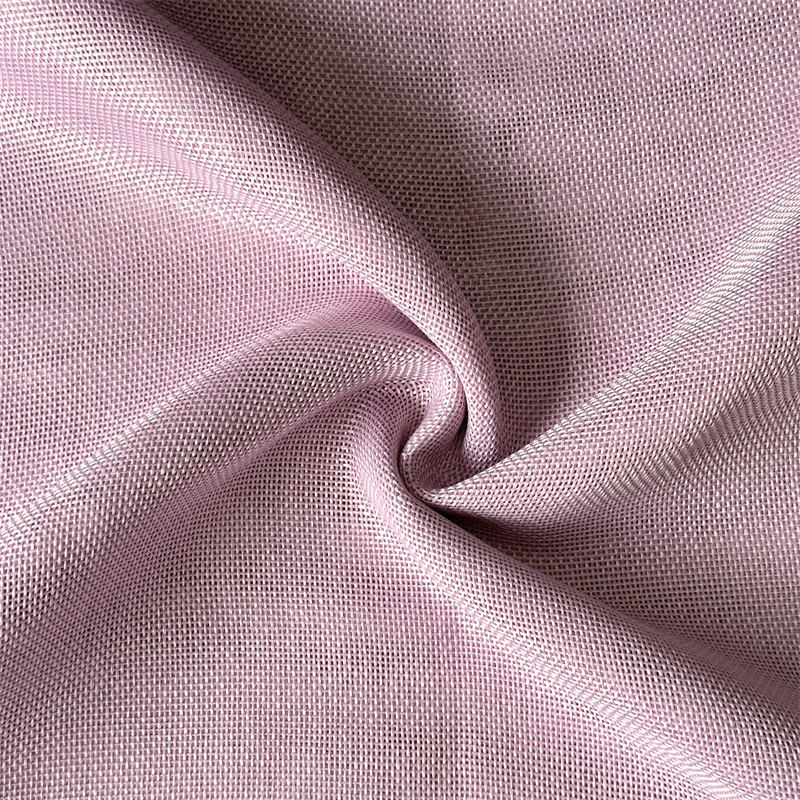
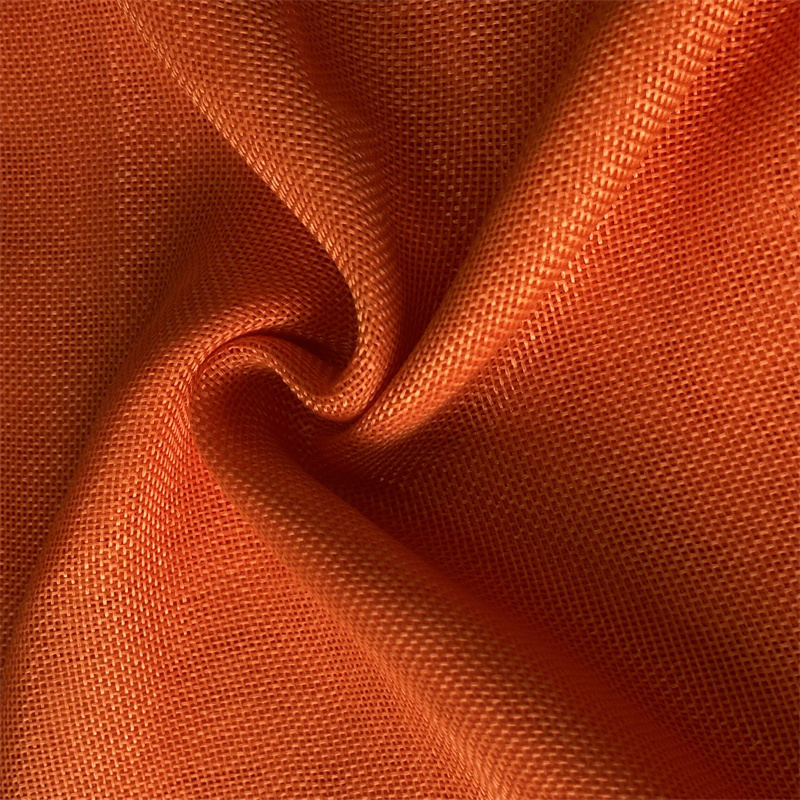
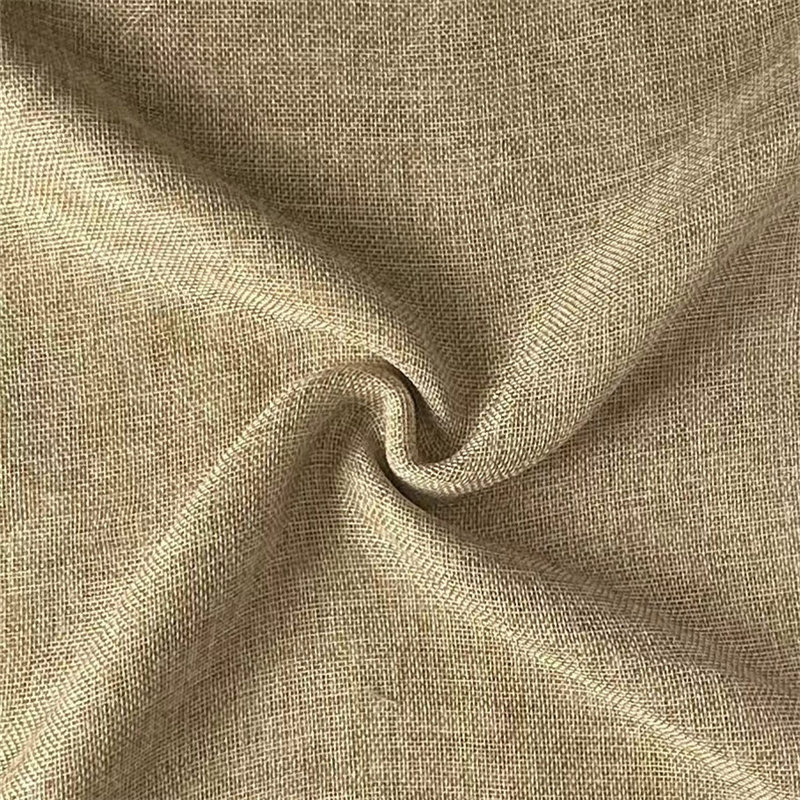
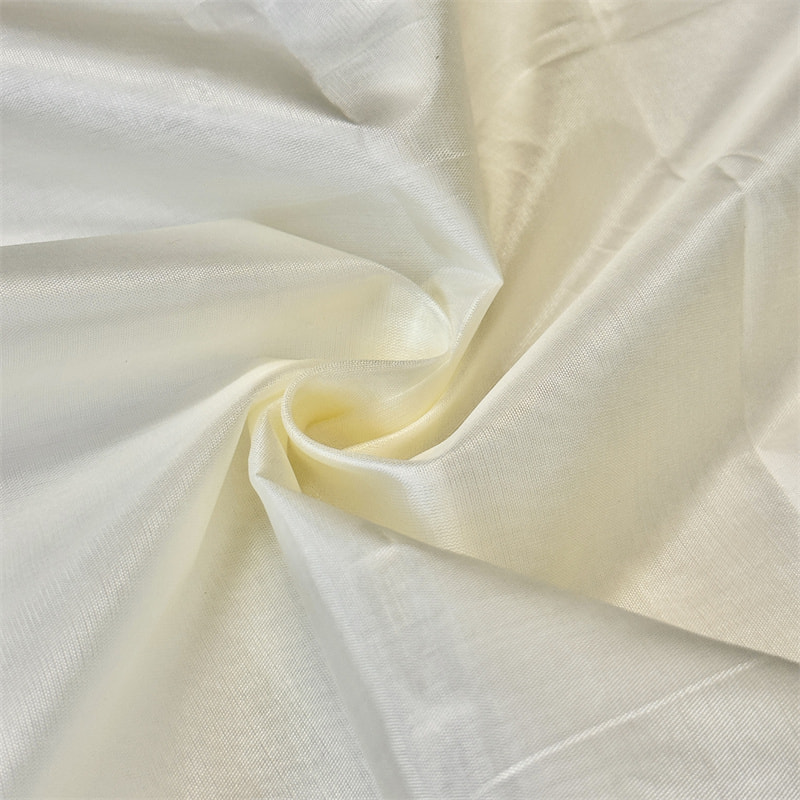
Imitation silk fabric is a broad term for man-made textiles engineered to replicate the look, feel, and drape of natural silk without using silkworm-derived fibers. Instead of relying on the protein fiber produced by silkworms, manufacturers use synthetic or semi-synthetic filaments such as polyester, nylon, or viscose rayon, then finish the fabric with special weaving and dyeing techniques to achieve a lustrous, smooth surface similar to genuine silk. This makes imitation silk a popular choice for people who want the visual elegance of silk at a fraction of the cost, with easier maintenance and greater durability.
The rise of imitation silk fabric has been driven by advances in fiber technology that allow synthetic threads to be spun extremely fine, then woven in satin, charmeuse, or twill patterns that mimic silk's characteristic sheen. As a result, imitation silk is now widely used in fashion, home décor, and even bridal wear, offering a practical alternative for budget-conscious consumers and mass-market manufacturers alike.
How Imitation Silk Is Made
Most imitation silk fabrics start with petroleum-based or cellulose-based fibers that are extruded into fine filaments, then spun and woven using techniques borrowed from traditional silk production. The weave structure plays a major role in creating the silky appearance, with satin weaves being the most common because they produce a smooth, reflective face and a duller back, just like real silk satin.
Different base materials produce different qualities of imitation silk, each with its own balance of cost, feel, and performance. The table below summarizes the most common types found on the market.
| Fabric Type | Base Material | Typical Feel | Common Uses |
| Polyester Satin | Polyester filament | Smooth, slightly cool | Dresses, linings, curtains |
| Viscose Rayon | Regenerated cellulose | Soft, breathable | Blouses, scarves |
| Nylon Charmeuse | Nylon filament | Very smooth, glossy | Lingerie, evening wear |
| Acetate Blend | Acetate fiber | Crisp, lightweight | Linings, formal wear |
Key Properties and Performance
Imitation silk fabric is valued for a set of practical performance characteristics that often make it more convenient than natural silk in everyday use. Understanding these properties helps buyers decide whether it fits their intended purpose.
Durability
Synthetic imitation silk fibers, especially polyester and nylon, resist stretching, shrinking, and tearing far better than natural silk. This makes garments and home textiles made from imitation silk more resistant to everyday wear, repeated washing, and prolonged sun exposure.
Moisture and Wrinkle Resistance
Most imitation silk fabrics dry quickly and resist wrinkling, which makes them convenient for travel and for garments that need to look neat throughout the day without constant ironing.
Color Retention
Because synthetic fibers accept dye differently than natural protein fibers, imitation silk often holds vibrant colors longer and fades less over time compared to real silk, which is more prone to sun damage and color loss.
How to Identify Imitation Silk vs Real Silk
Because imitation silk is designed to closely resemble real silk, telling them apart requires checking a few physical and sensory clues rather than relying on appearance alone.
- Touch test: Real silk feels warm and slightly textured, while imitation silk often feels cooler and perfectly uniform.
- Burn test: Natural silk burns slowly and smells like burnt hair, leaving a crushable ash, whereas synthetic imitation silk melts and often produces a plastic-like smell.
- Sound test: Rubbing real silk together produces a distinctive rustling sound sometimes called "scroop," which is usually absent or different in imitation silk.
- Price and labeling: Genuine silk is significantly more expensive, and reputable sellers will clearly label fiber content on the tag.
- Wrinkle behavior: Real silk wrinkles more easily and the creases look softer, while imitation silk tends to resist wrinkling and creases appear sharper.
Common Uses and Applications
Imitation silk fabric has found its way into a wide range of products because of its affordability and versatility. In fashion, it is frequently used for dresses, blouses, scarves, ties, and lining fabric for jackets and suits, offering a polished look without the delicate care requirements of natural silk. In home décor, imitation silk is popular for curtains, bed linens, decorative pillows, and upholstery, where its resistance to fading and wrinkling provides long-lasting visual appeal.
The fabric is also widely used in the wedding and event industry, where large quantities of fabric are needed for table linens, drapery, and sashes. Imitation silk allows event planners to achieve an elegant, luxurious atmosphere while keeping costs manageable, especially for large-scale decorations that would be prohibitively expensive in real silk.
Care and Maintenance Tips
One of the biggest advantages of imitation silk is that it is generally easier to care for than natural silk. Following a few simple guidelines will help preserve its appearance and lifespan.
- Wash in cold or lukewarm water using a gentle cycle or hand-washing to prevent snagging and pilling.
- Use a mild detergent free of bleach, as harsh chemicals can dull the fabric's sheen over time.
- Air dry whenever possible, since high heat from a dryer can cause synthetic fibers to lose their shape or shine.
- Iron on a low heat setting with a pressing cloth if needed, as most imitation silk resists wrinkles and requires minimal ironing.
- Store folded or on padded hangers away from direct sunlight to maintain color vibrancy.
Pros and Cons of Imitation Silk Fabric
Weighing the advantages and disadvantages can help buyers determine whether imitation silk suits their needs better than natural silk or other alternatives.
| Advantages | Disadvantages |
| Lower cost than natural silk | Less breathable than real silk |
| Easier to wash and maintain | Can feel warmer in hot weather |
| More resistant to wrinkles and fading | Lacks silk's natural temperature regulation |
| Wide color and pattern availability | Some types may pill over time |
How to Choose Quality Imitation Silk Fabric
Not all imitation silk fabrics are created equal, and selecting a good quality option requires attention to several details. Look for a tight, even weave with no visible loose threads, as this indicates careful manufacturing and better durability. Check the weight of the fabric, since a fabric that is too thin may feel flimsy and see-through, while a well-balanced weight offers better drape and a more luxurious feel.
It is also worth checking the fiber content label, as blends combining polyester with a small percentage of spandex or rayon often provide better stretch and comfort. Finally, examine the fabric's sheen under different lighting conditions; high-quality imitation silk should have a soft, natural-looking luster rather than an overly plastic or artificial shine, which can indicate lower-grade material.
Final Thoughts
Imitation silk fabric offers a practical, cost-effective way to enjoy the elegant look and feel of silk without the high price tag or delicate care requirements of the natural fiber. By understanding how it is made, how to identify it, and how to properly maintain it, shoppers can confidently choose imitation silk for fashion, home décor, or event needs while getting the best possible value and longevity from their purchase.