

 中文简体
中文简体 Español
Content
What Makes Satin Fabric Unique
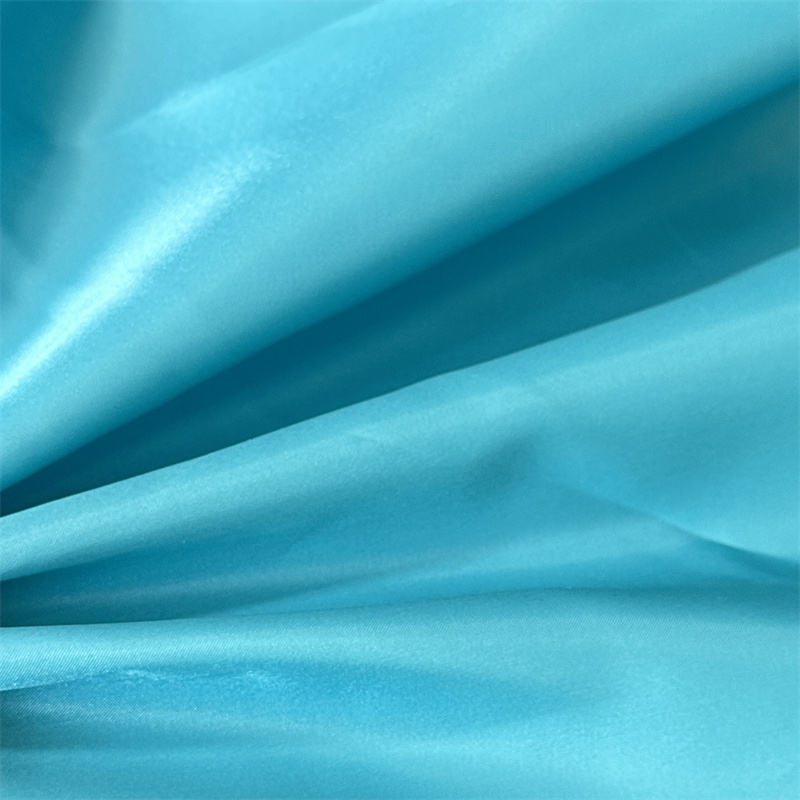
Satin is not a fiber but a weaving technique that produces a distinctively smooth, glossy surface on one side of the fabric and a duller finish on the reverse. This effect is achieved through a weave structure in which warp threads float over multiple weft threads before interlacing, typically crossing over four or more weft yarns before going under one. This construction minimizes the number of interlacing points visible on the surface, allowing light to reflect more evenly across the fabric and creating the signature sheen that satin is known for.
Because the weave structure defines satin rather than the fiber content, satin can be made from silk, polyester, nylon, rayon, or blended fibers. Each fiber choice affects the fabric's drape, durability, cost, and care requirements, which is why understanding the difference between fiber and weave is essential before purchasing satin fabric for a specific project.
The Weaving Process Behind Satin
Satin weaves are classified by the number of harnesses used in the weaving process, commonly ranging from four to eight. A higher harness count generally allows for longer floats of warp thread across the fabric surface, producing a smoother and shinier finish. The most common construction is the five-harness satin weave, in which each warp thread passes over four weft threads before going under one, though eight-harness satin is also used for premium fabrics requiring an especially lustrous finish.
Key Characteristics of the Satin Weave
- Long floats: Warp threads span multiple weft threads, minimizing visible interlacing and increasing surface smoothness.
- Two-sided contrast: The front surface is glossy while the back remains matte, a hallmark of true satin construction.
- Loose structure: The reduced interlacing makes satin more prone to snagging compared to tighter weaves like plain or twill.
- Fluid drape: The weave allows the fabric to fall smoothly, which is why satin is favored for flowing garments.
Common Types of Satin Fabric
Because satin can be produced from different fibers and weight variations, several distinct types have developed, each suited to different applications. Understanding these differences helps buyers select the right fabric for garments, bedding, or décor projects.
| Type | Fiber Base | Common Use |
| Charmeuse | Silk or Polyester | Dresses, blouses, lingerie |
| Duchess Satin | Silk blend | Wedding gowns, formal wear |
| Crepe-Back Satin | Silk or Polyester | Reversible garments, linings |
| Satin-Back Crepe | Polyester, Silk | Evening wear, skirts |
| Sateen | Cotton | Bedding, home textiles |
Where Satin Fabric Is Commonly Used
Satin's lustrous surface and fluid drape make it a popular choice across fashion, home textiles, and accessories. In apparel, it is frequently used for evening gowns, blouses, lingerie, and lining fabric because it moves smoothly against the body and reflects light in a way that enhances the visual impact of a garment. Bridal designers in particular favor duchess satin for its structured yet elegant appearance in wedding gowns.
In the home, satin and sateen weaves are widely used for bedsheets and pillowcases, valued for their smooth feel against the skin and their gentle sheen. Satin ribbon is another common application, used in gift wrapping, hair accessories, and decorative trim, while satin-lined jewelry boxes and garment bags take advantage of the fabric's low-friction surface to protect delicate items from snagging.
Advantages and Disadvantages of Satin Fabric
Advantages
- Elegant appearance: The glossy surface gives satin a luxurious look suited to formal and decorative applications.
- Smooth feel: The low-friction surface reduces friction against skin and hair, which is why it is often used for pillowcases.
- Excellent drape: The weave allows garments to flow and fall gracefully, enhancing fit and movement.
- Wide fiber options: Availability in silk, polyester, and blends allows buyers to choose based on budget and performance needs.
Disadvantages
- Snag-prone: The long floats in the weave make satin more susceptible to pulls and snags than tighter weaves.
- Slippery to sew: The smooth surface can shift during cutting and stitching, requiring extra care during garment construction.
- Shows imperfections: The glossy surface can highlight body contours and seams more than matte fabrics.
How to Care for Satin Fabric
Caring for satin properly helps preserve its shine and structural integrity over time. Silk satin generally requires gentle hand washing in cool water or professional dry cleaning, as harsh detergents and hot water can damage the fibers and dull the fabric's natural luster. Polyester satin is more forgiving and can often be machine washed on a delicate cycle, though it should still be washed in cold water to prevent fading.
When drying satin, air drying is generally preferred over machine drying, as high heat can weaken fibers and diminish shine. Ironing should be done on a low setting, ideally with a pressing cloth between the iron and the fabric surface to prevent scorching or creating unwanted shine marks. Storing satin garments on padded hangers, rather than folding them, helps prevent crease lines from forming in the smooth fabric surface.
Tips for Choosing the Right Satin Fabric
Selecting the right satin fabric depends largely on the intended project and budget. For bridal wear or formal garments where structure and a rich sheen are important, duchess satin or silk charmeuse are strong choices. For everyday items like bedding or linings, polyester satin or cotton sateen offer a more affordable and durable alternative while still providing a smooth, attractive finish.
Buyers should also pay attention to weight, measured in momme for silk satin, as heavier weights tend to drape more luxuriously and resist wrinkling better than lighter weights. Testing a swatch under different lighting conditions can also help determine whether the fabric's sheen matches the intended aesthetic before committing to a larger purchase.