

 中文简体
中文简体 Español
Content
- 1 What Is Scuba Fabric?
- 2 How Scuba Fabric Is Made
- 3 Key Properties of Scuba Fabric
- 4 What Scuba Fabric Is Used For
- 5 Scuba Fabric Compared with Other Fabrics
- 6 Advantages and Limitations of Scuba Fabric
- 7 How to Cut and Sew Scuba Fabric
- 8 Caring for Scuba Fabric Garments
- 9 Sourcing Structured Fabrics for Production
- 10 Frequently Asked Questions About Scuba Fabric
Run your hand over a scuba fabric dress the next time you are in a store, and your fingers understand it before your eyes do. The surface is smooth and dry, the cloth has real body, and yet it gives when you pull. Nothing about it feels like the rubbery sheet most people picture when they hear the word scuba.
That gap between the name and the material is where the confusion starts. Here is a plain answer to a question we hear often: what scuba fabric is, how it is made, what it does well, where it struggles, and how to work with it.
What Is Scuba Fabric?
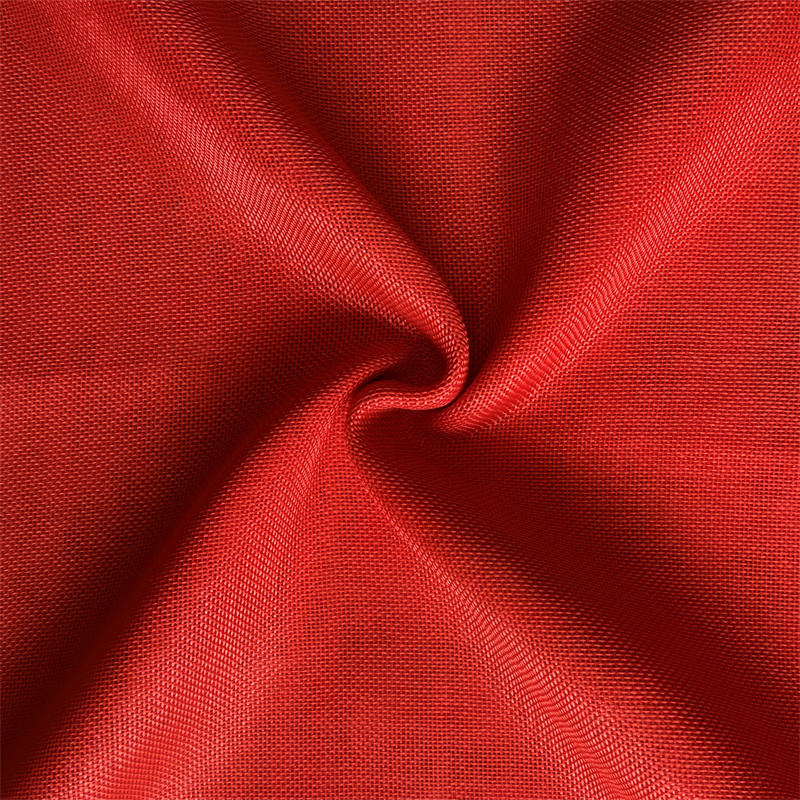
Scuba fabric is a medium-weight double knit, usually made from polyester blended with a small amount of spandex or elastane. Two details matter. It is knitted rather than woven, which is why it stretches, and it is knitted twice, with two sets of yarns interlocking on the same machine, so the cloth comes out dense and compact instead of loose and open like a basic single jersey.
The name is a leftover from the mid-twentieth century, when recreational diving was new and the thick foam rubber used in wetsuits crossed into fashion. Early scuba garments really were neoprene, and the nickname stuck even after mills replaced the foam with a knitted textile that could be dyed, printed, and stitched like ordinary cloth.
That history explains the most common mix-up: scuba fabric is not neoprene. Neoprene is a synthetic rubber foam, usually laminated to a knit backing, and it is thicker, heavier, and far stiffer. Scuba knit is a textile. In matte black it looks similar from across a room, but it drapes, creases, and washes like a heavy ponte or an interlock jersey.
How Scuba Fabric Is Made
Four stages decide how a finished roll of scuba knit behaves: fiber selection, knitting, dyeing, and finishing.
Fiber selection sets the stretch. Spandex or elastane, usually five to ten percent, gives the fabric its snap and recovery; without it, a polyester double knit feels firm but has very little give. Nylon with spandex produces a softer hand, while cotton blends add a warmer, more matte surface.
Knitting builds the structure. Interlock machines knit two yarn layers at the same time, so both faces come out smooth. That is why scuba fabric rarely curls at the edges and resists running when it is cut.
Dyeing and finishing set the final character. After dyeing, the fabric is normally heat-set to stabilize the spandex, then washed or softened. Some versions are bonded to a thin foam or tricot backing for extra body, and that is where scuba knit edges closer to its neoprene ancestor.
Key Properties of Scuba Fabric
The table below summarizes the characteristics that matter most when a designer or buyer weighs scuba knit against other options.
| Property | Typical Behavior | Practical Effect |
|---|---|---|
| Weight | 200 to 400 gsm | Firm enough for structured shapes and warm enough for cool weather |
| Stretch | 20 to 50 percent, two-way or four-way | Comfortable fit, but patterns and stitches must allow for stretch |
| Recovery | High when spandex is present | Garments return to shape after wearing and washing |
| Surface | Smooth, matte, low sheen | Takes prints and transfers well; also shows needle marks |
| Drape | Body with moderate movement | Better for structured silhouettes than for fluid ones |
| Breathability | Low to moderate | Less comfortable in hot, humid conditions |
| Heat response | Softens or glazes under high heat | Press on low heat with a cloth, never directly with a hot iron |
What Scuba Fabric Is Used For
Scuba knit earns its place whenever a designer wants shape that comes from the cloth itself rather than from interfacing and internal structure. Typical applications include:
- Statement dresses and skirts that need volume and a clean hemline
- Structured tops, peplums, and corset-style bodices
- Jackets, blazers, and coats where the fabric supplies the silhouette
- Occasion wear and professional pieces such as sheath dresses and suiting separates
- Event linens, including tablecloths and napkins that benefit from a smooth face and firm body
The pattern is consistent. If a design needs softness and flow, scuba fabric is the wrong tool. If it needs a crisp edge, a smooth surface, and forgiving stretch, it is hard to beat.
Scuba Fabric Compared with Other Fabrics
Scuba knit is rarely judged on its own. It usually sits on a sourcing list beside two or three alternatives, and the choice comes down to how much stretch and body the finished product really needs.
Neoprene is the heavy option: a foam that holds volume and insulates, but one that is bulky and rarely comfortable for all-day wear. Ponte and heavy interlock jerseys sit closest to scuba in feel, since they stretch and recover, though they drape more softly.
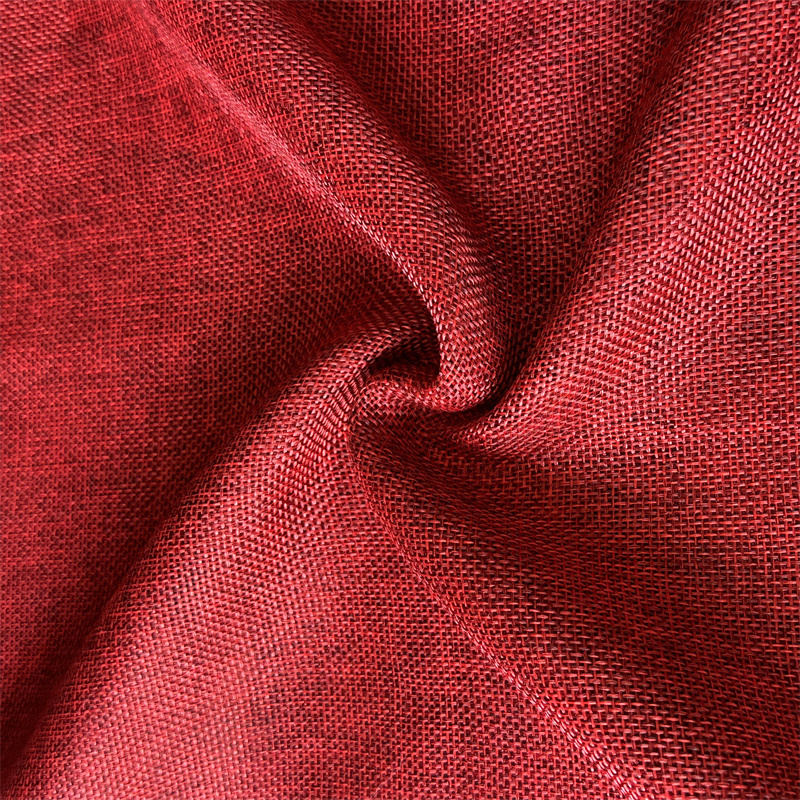
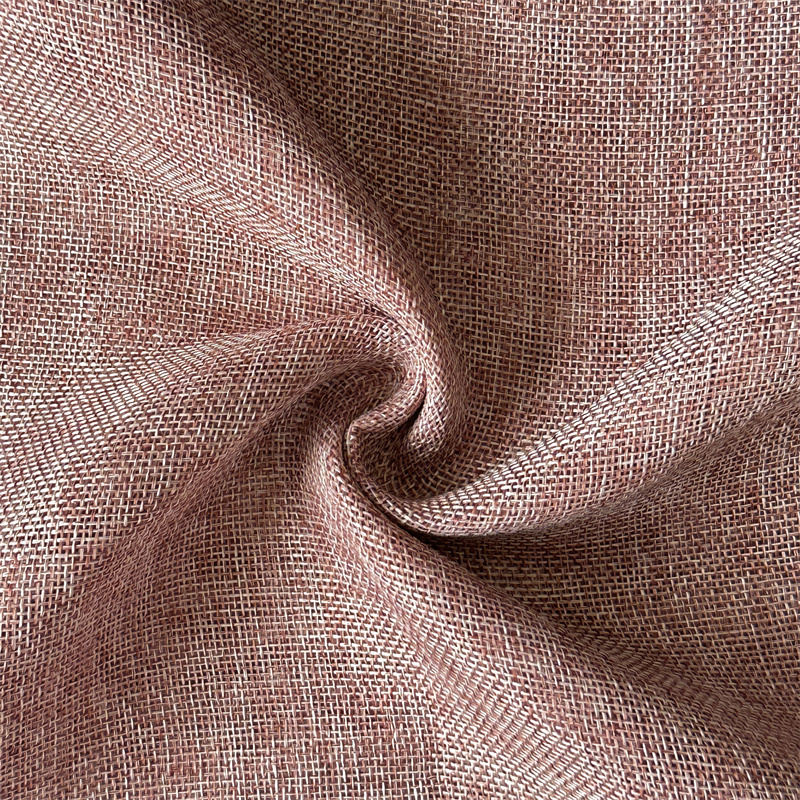
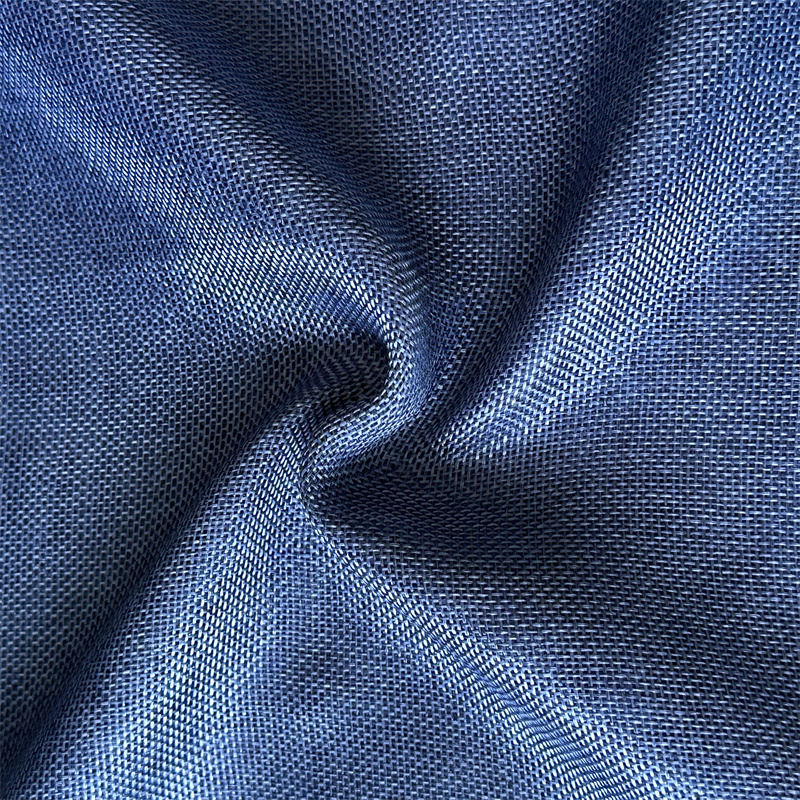
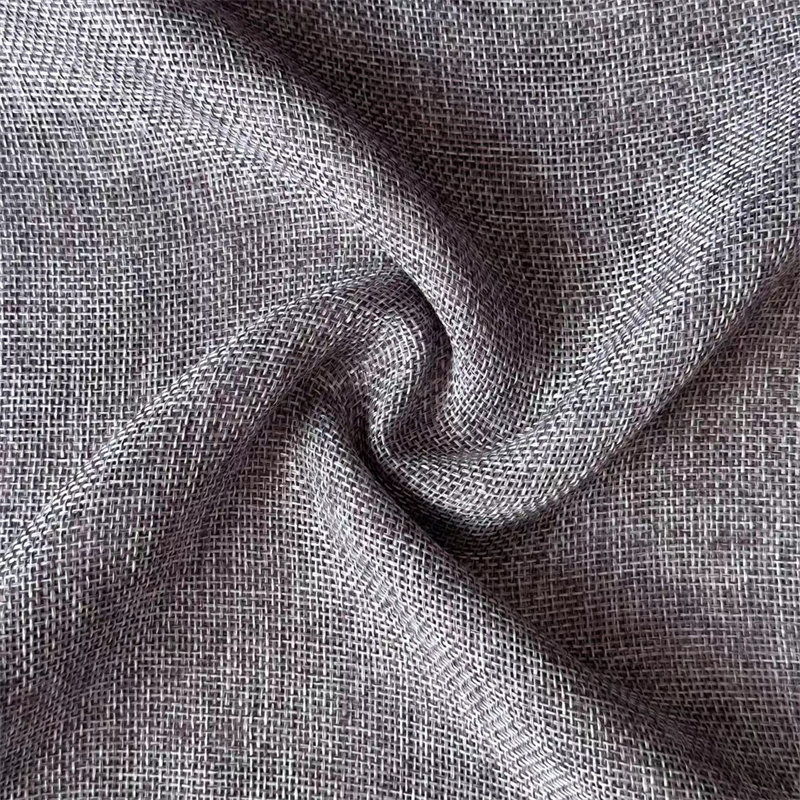
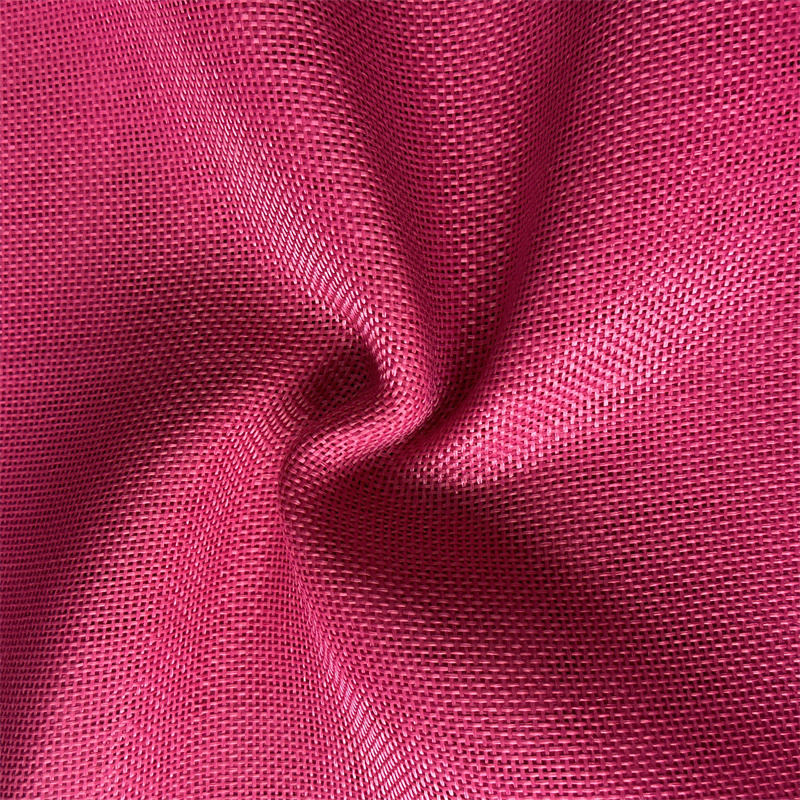
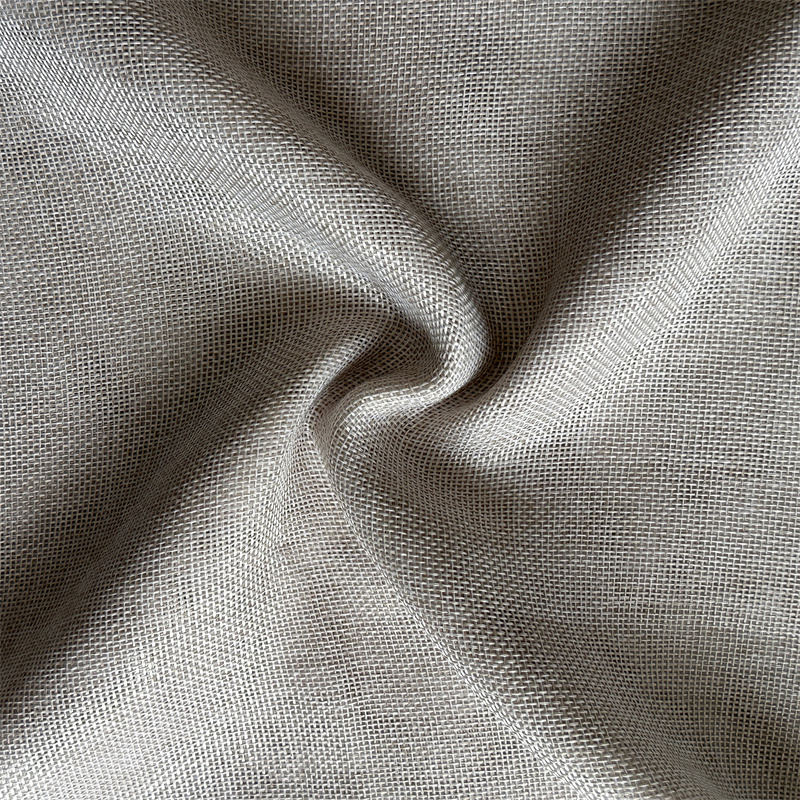
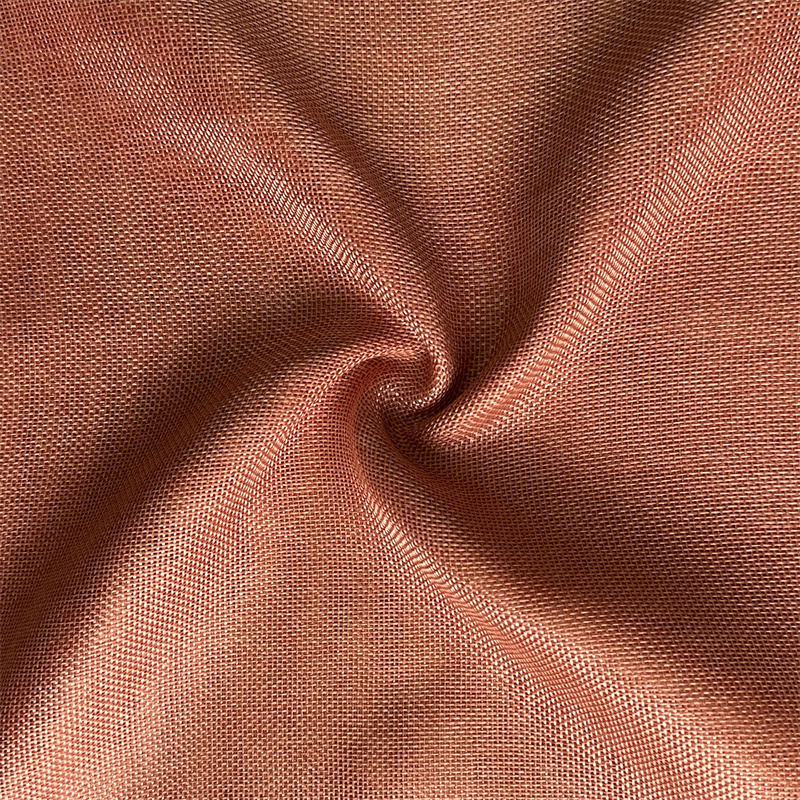
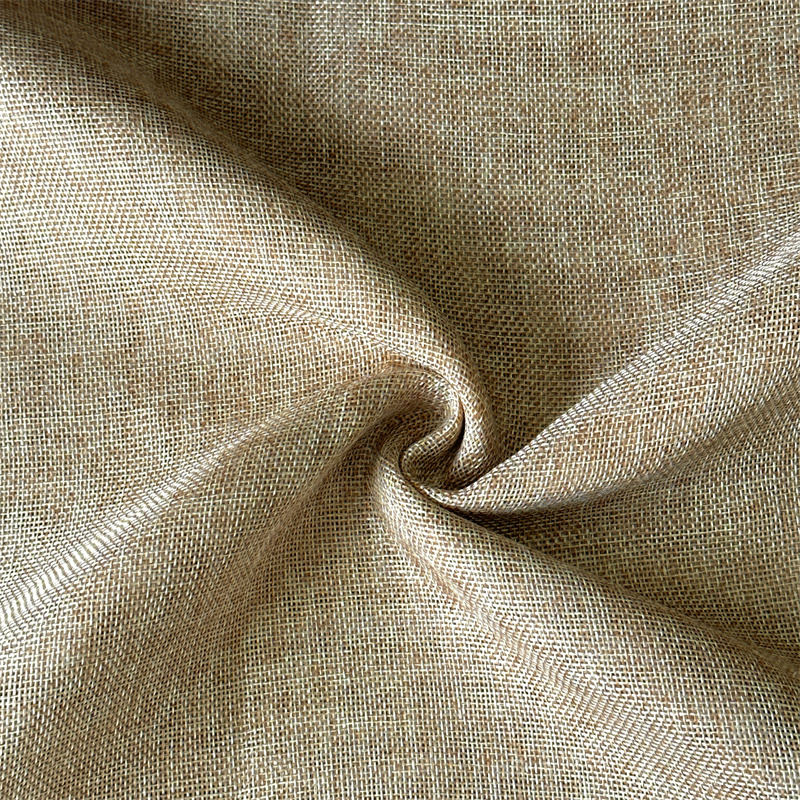
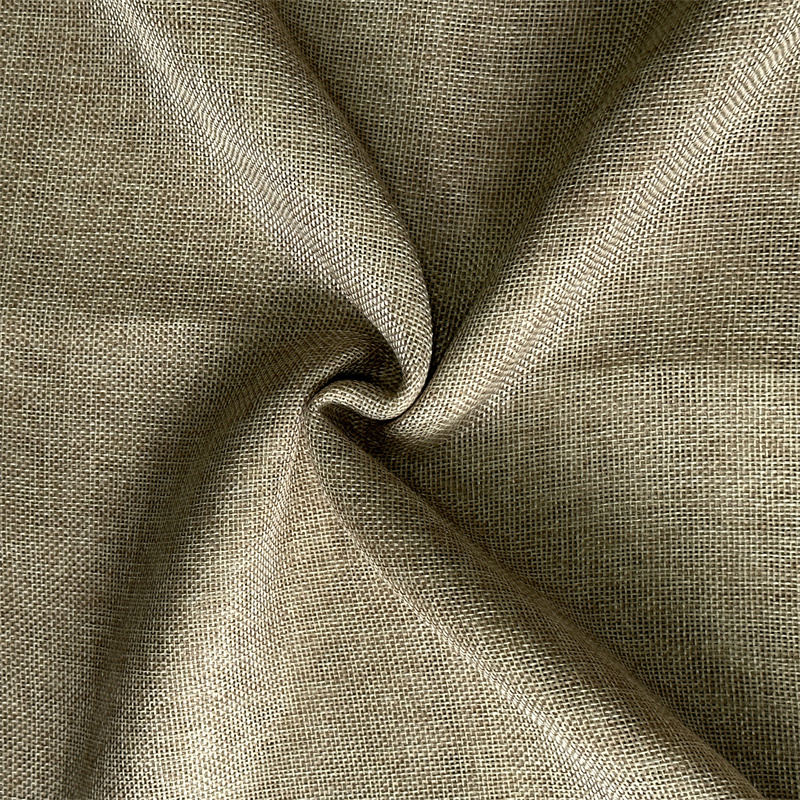
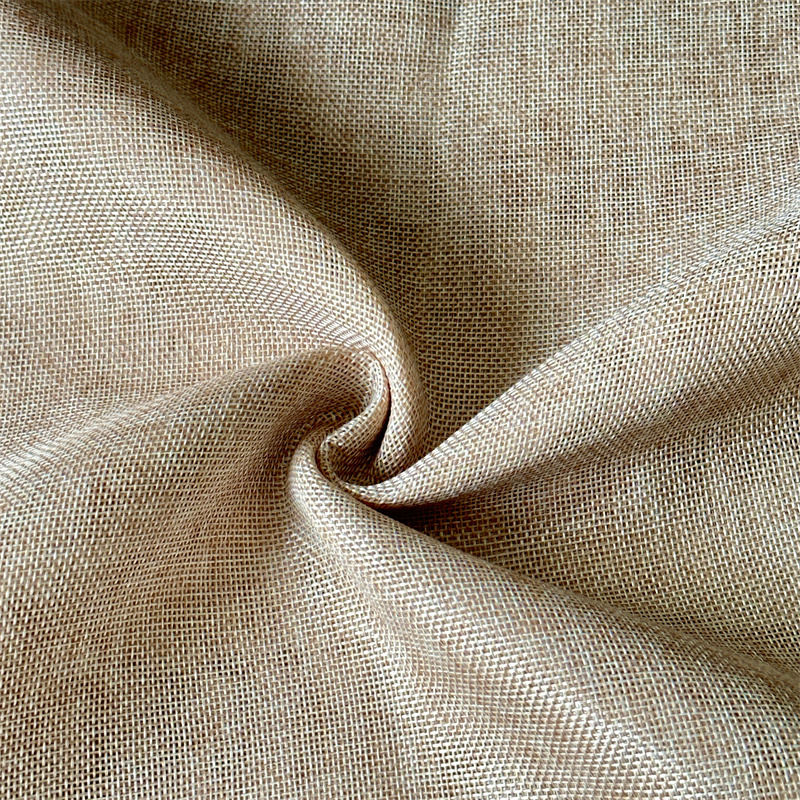
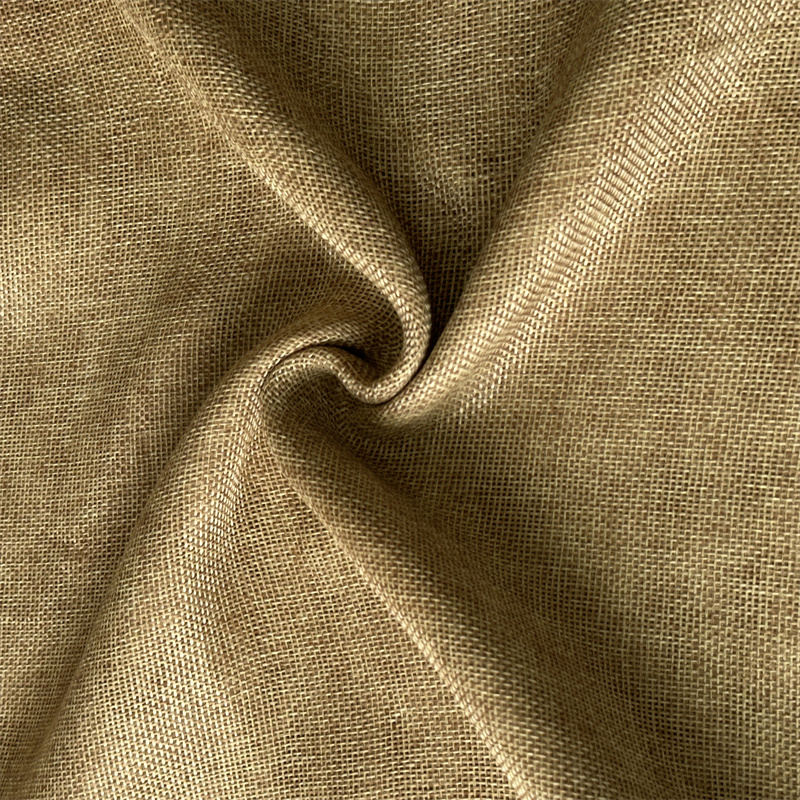
Polyester faux linen moves in the opposite direction. It has firm body and a dry, textured hand with almost no stretch, which suits crisp shirts, structured jackets, and home textiles that must hold their shape without elastane. If moisture management is part of your brief, our notes on how polyester-linen handles moisture-wicking and breathability explain where that family performs best.
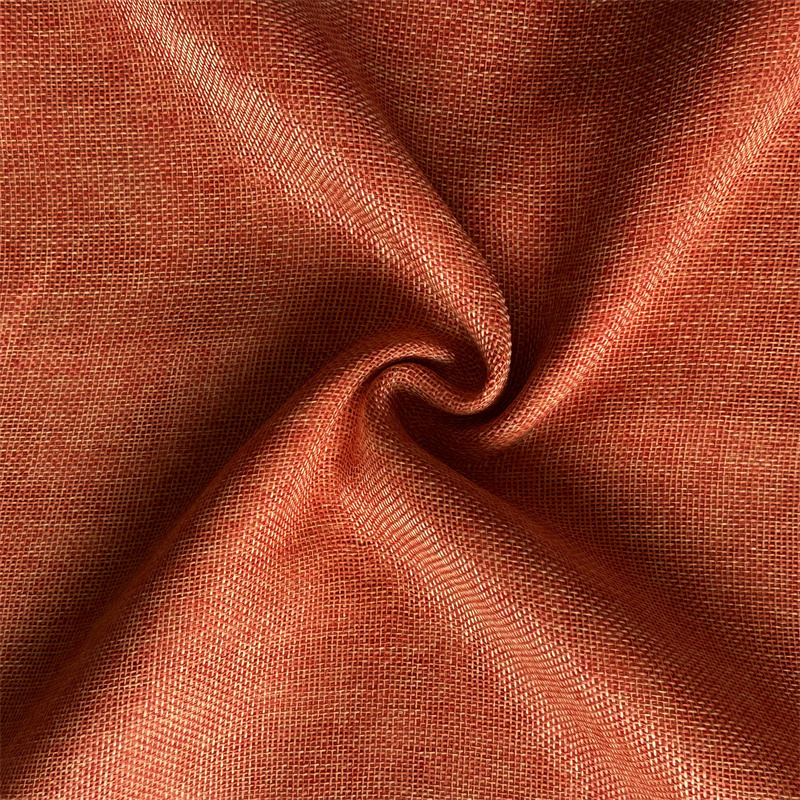 Polyester Linen Fabric ManufacturersPolyester Linen Fabric is a fabric made of 99.99% polyester fiber, which simulates the look and feel of natural linen through advanced processes. This fabric is favore...View Product →
Advantages and Limitations of Scuba Fabric
What Scuba Fabric Does Well
- Holds its shape, so simple patterns read as tailored
- Stretch and recovery keep fitted garments comfortable
- The smooth face accepts solid dyes, digital prints, and heat transfers evenly
- Resists creasing, which makes it a practical travel fabric
- Cuts cleanly and does not fray badly, so many seams need little finishing
Where Scuba Fabric Falls Short
- Limited breathability makes it warm and clammy in hot weather
- Heat sensitivity means iron marks and shine can be permanent
- Needle and pin holes may not close after stitching
- Too much body for fluid, draped, or bias-cut designs
- Synthetic content means sustainability depends on whether recycled fibers are used
How to Cut and Sew Scuba Fabric
Scuba knit is friendly to beginners and demanding for anyone chasing precision. A few habits keep results clean:
- Fit a stretch or ballpoint needle and test the stitch on a scrap first.
- Use a narrow zigzag or a serger, since a straight stitch snaps when the fabric stretches.
- Cut with sharp shears or a rotary cutter, keeping pattern pieces flat so the knit does not shift.
- Pin inside the seam allowances or use clips, because visible holes may never disappear.
- Press on low heat with a press cloth, from the wrong side wherever possible.
Because the fabric does not fray, many makers leave seam allowances raw, and the result still looks tidy after a wash.
Caring for Scuba Fabric Garments
- Wash in cold or warm water on a gentle cycle with a mild detergent
- Skip chlorine bleach, which weakens spandex over time
- Tumble dry on low or hang to dry, since high heat shortens the life of the stretch
- Remove garments from the dryer promptly so creases do not set
- Iron inside out on a low setting with a press cloth, or skip ironing altogether
Sourcing Structured Fabrics for Production
Scuba knit is a useful reference point, but it is not the only route to a garment or a home textile with real body. Jacquard fabric takes the opposite approach: instead of adding elastane, the weave itself builds the pattern, so jackets, cushions, and table linens gain texture and stability with no stretch at all.
 Jacquard Fabric ManufacturersWEIGHT: 330gsm WIDTH: 148cm MOQ: 1000M/COLOR COMPOSITION: 75% Polyester 15% Cotton 10% Viscose Jacquard fabric is woven by a special jacquard machine with a unique sof...View Product →
Satin plays a different role again. Scuba knit is matte and dry by nature, so many designers pair it with a smooth, glossy lining for contrast inside a jacket, a skirt, or a coat, and satin remains the classic answer for that job.
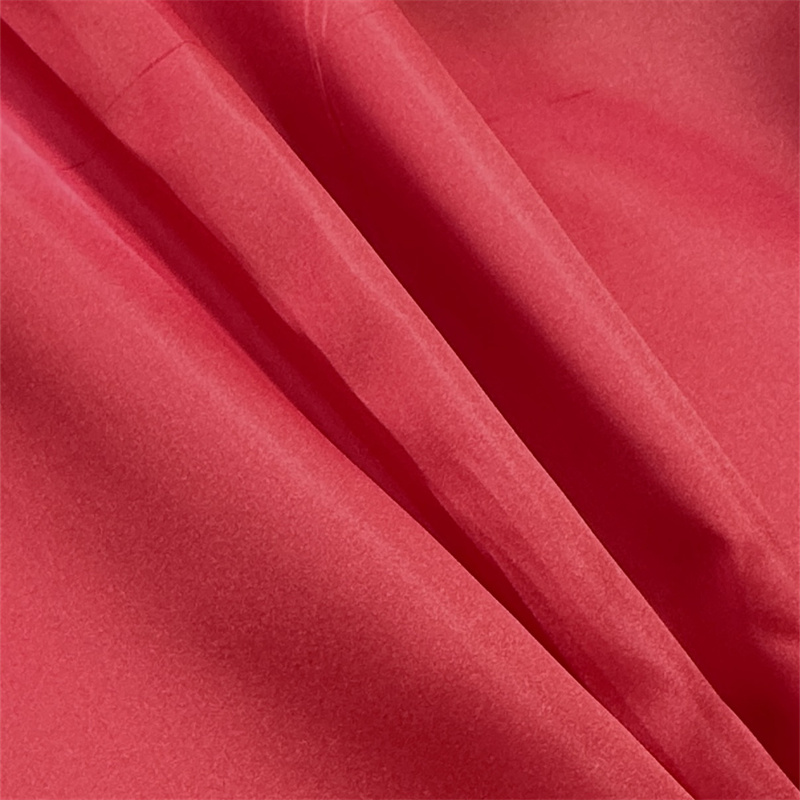 Satin Fabric SuppliersSatin Fabric is a very unique and widely used fabric known for its smooth texture and high gloss. Its satin weave gives the fabric a silky surface texture, making it v...View Product →
We are Tongxiang Miaoqisi Textile, an integrated manufacturer and trader based in Tongxiang, Zhejiang. Since 2016 we have produced and supplied fabric for customers around the world, with more than 200 looms on site, over 100 fabric varieties held in stock, and daily output above 60,000 meters. When a project calls for a specific weight, color, or finish, our custom service team can work from your specification.
Frequently Asked Questions About Scuba Fabric
Is scuba fabric the same as neoprene?
No. Neoprene is a synthetic rubber foam, while scuba fabric in fashion is a double knit textile, usually polyester with spandex. They look similar in matte black, but neoprene is heavier, stiffer, and less comfortable for everyday clothing.
Does scuba fabric stretch?
Yes. Most scuba knit contains five to ten percent spandex, which gives it noticeable two-way or four-way stretch and good recovery.
Is scuba fabric good for summer?
Usually not. Its dense structure limits airflow, so it feels warm in hot, humid weather and works better for spring, autumn, winter layers, and air-conditioned interiors.
Scuba fabric is best understood as a structured knit with a misleading name. It brings stretch, body, and a clean surface to garments that need shape, and in return it asks for care with heat, needles, and pattern choice.
If you are weighing scuba knit against woven alternatives for an upcoming order, send us your weight, width, and color requirements. We are happy to talk through what will perform best for the end product, whether that turns out to be a textured jacquard, a crisp faux linen, or something else entirely.