

 中文简体
中文简体 Español
Content
Calico is one of the most underrated fabrics in the textile world. Mention it to most consumers and they will picture a plain, off-white cotton cloth used for painting practice or home sewing. Mention it to a fabric manufacturer, and you will hear a different story. Calico is a fundamental, honest textile whose plain-weave structure, natural finish, and low cost have made it essential for more than five centuries. In this guide, we explain what calico fabric is, where it comes from, how it is made, how it is used, and how modern alternatives compare.
What Is Calico Fabric?
Calico is a heavy, plain-woven textile made from unbleached, and often not fully processed, cotton. In its most traditional form, the yarn is spun, woven, and taken off the loom without bleaching, mercerizing, or dyeing. That is why calico has its recognizable natural off-white color, sometimes called ecru or unbleached cotton. The cloth may also contain tiny fragments of cotton husk, leftover seed-coat pieces that give the surface a slightly flecked, rustic appearance. The weave itself is simple and symmetrical: each weft thread passes over and under each warp thread in a regular pattern, producing a flat, durable, breathable cloth.
The name "calico" comes from Calicut, a historic port on the southwestern coast of India. When Portuguese and later English traders arrived in the 16th and 17th centuries, they found local weavers producing handwoven cotton goods that were lighter and more affordable than anything commonly available in Europe. The fabric took the city's name with it on the long voyage to European markets, and "calico" entered the English language as a general term for this type of cotton cloth.
A Short History of Calico
Calico's history is a reminder that fabric has always been political. Indian cotton cloth, including calico, was traded across Asia, the Middle East, and East Africa long before Europeans arrived. When it reached Europe, calico was embraced because it was washable, comfortable, and inexpensive compared with wool and silk. Demand grew so quickly that British wool and silk weavers felt real pressure, and Parliament responded with a series of restrictions known collectively as the Calico Acts. These laws banned or heavily taxed the import and sale of printed calico in an attempt to protect domestic industry.
Rather than killing demand, the restrictions pushed English manufacturers to develop their own cotton and calico-printing industries. By the late 18th and early 19th centuries, Britain had become a major producer of printed cotton, and calico printing had grown into a distinct trade with elaborate roller-printing machines producing floral, geometric, and narrative designs at industrial scale. That legacy continues: even today, printers and weavers describe certain plain, undyed cotton base cloths as "calico," no matter where they are made.
How Calico Fabric Is Made
The production of calico starts with raw cotton fiber. The fiber is ginned to separate the seeds, carded into a loose web, drawn into rovings, and spun into yarn. What sets calico apart is not the machinery; it is what does not happen after spinning. Conventional cotton fabrics go through desizing, scouring, bleaching, and mercerizing to remove natural waxes, coloring, and irregularities. Calico skips most of this. The yarn is woven on standard looms into a plain weave, then finished with only minimal washing or heat-setting to stabilize the cloth.
Because the cotton is not fully processed, calico retains some natural characteristics of the raw fiber: a slight stiffness, an uneven surface texture, and a warm off-white tone. These are not defects; they are precisely the qualities that make calico so useful for sampling and prototyping.
Key Characteristics of Calico Fabric
To understand calico, it helps to look at its properties side by side.
| Characteristic | Typical Property |
|---|---|
| Weave structure | Plain weave |
| Base fiber | Cotton, unbleached |
| Color | Natural off-white (ecru) |
| Texture | Coarse and slightly rough |
| Weight | Medium to heavy |
| Moisture absorbency | High; takes dyes and paints well |
| Drape | Stiff; holds shape |
| Shrinkage | Moderate; pre-washing recommended |
| Crease resistance | Low; creases easily |
These properties explain why calico behaves the way it does in the sewing room. It is stiff enough to hold a precise silhouette during a fitting, absorbent enough to take chalk, pencil, or spray paint during design work, and inexpensive enough to be cut freely without worrying about waste.
Common Uses of Calico Fabric
Calico's versatility is the reason it has survived every shift in fashion and technology. Here are the uses that matter most.
Toiles and garment prototyping
Fashion designers and pattern cutters rely on calico to make toiles: full-scale sample garments that test fit, proportion, seam placement, and construction details before committing to the final fabric. Calico's neutral color and slightly stiff hand make it ideal for reading shapes clearly.
Home decor and soft furnishing
In home textiles, calico appears as an inner layer in upholstery, a lining for curtains, a dust cover for stored furniture, and a base cloth for embroidered or painted decorations. Its plain surface accepts thread, pigment, and adhesive with equal ease.
Crafts, quilting, and education
Sewing classes, craft workshops, and quilting circles use calico for practice blocks, patchwork backgrounds, and print tests. Because it is affordable and forgiving, it is often the first fabric a student ever sews.
Theatre and stage dressing
Stage crews paint calico to create backdrops, props, and scenery covers. Its low cost and high paint absorbency make it a practical choice for pieces that need to look rich on stage while staying within a tight budget.
Calico vs. Muslin vs. Polyester Linen
Calico is often mentioned in the same sentence as muslin, and the two are commonly confused. Both are plain-woven cotton, but they are not the same. As a fabric manufacturer, we also get asked how these natural base cloths compare with modern performance textiles such as polyester linen fabric. The table below gives a practical comparison.
| Attribute | Calico | Muslin | Polyester Linen Fabric |
|---|---|---|---|
| Fiber | Unbleached cotton | Cotton, often bleached | 100% polyester faux linen |
| Weave | Plain weave | Plain weave | Plain weave |
| Texture | Coarse and stiff | Fine and soft | Crisp linen-like texture |
| Color | Off-white or ecru | White or natural | Wide range of solid colors |
| Weight | Medium to heavy | Light to medium | Range of weights available |
| Creasing | Creases easily | Creases easily | Wrinkle-resistant |
| Shrinkage | Moderate | Moderate if not pre-washed | Low shrinkage |
| Care | Machine wash, ironing needed | Machine wash, ironing needed | Easy care, minimal ironing |
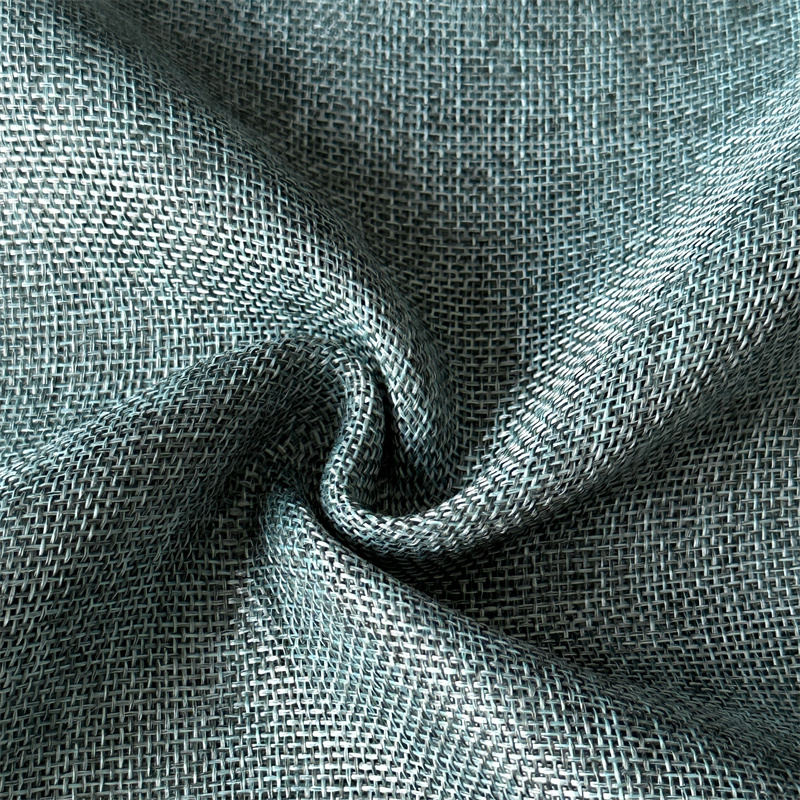
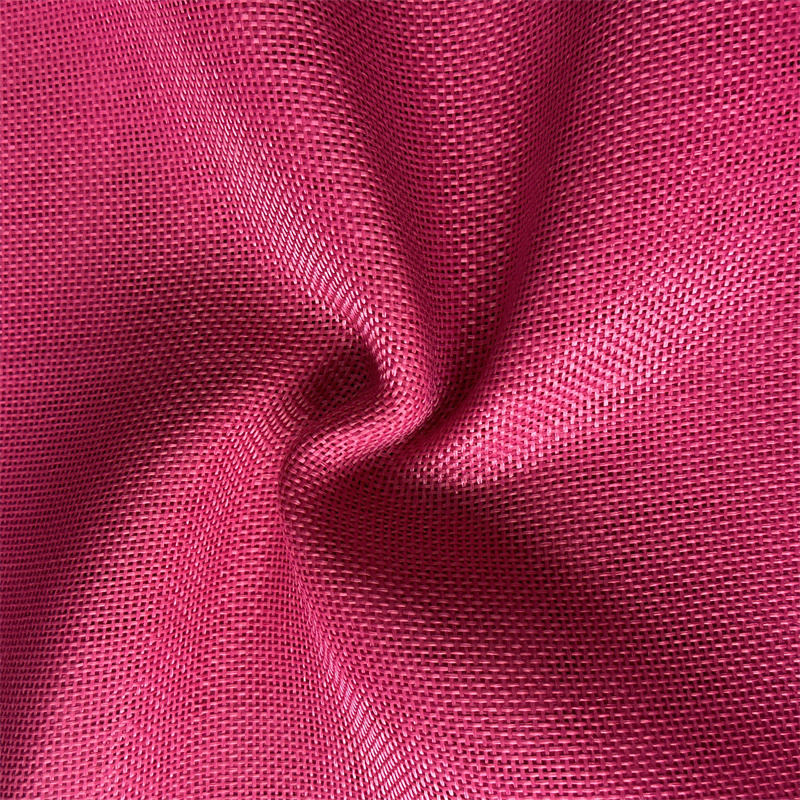
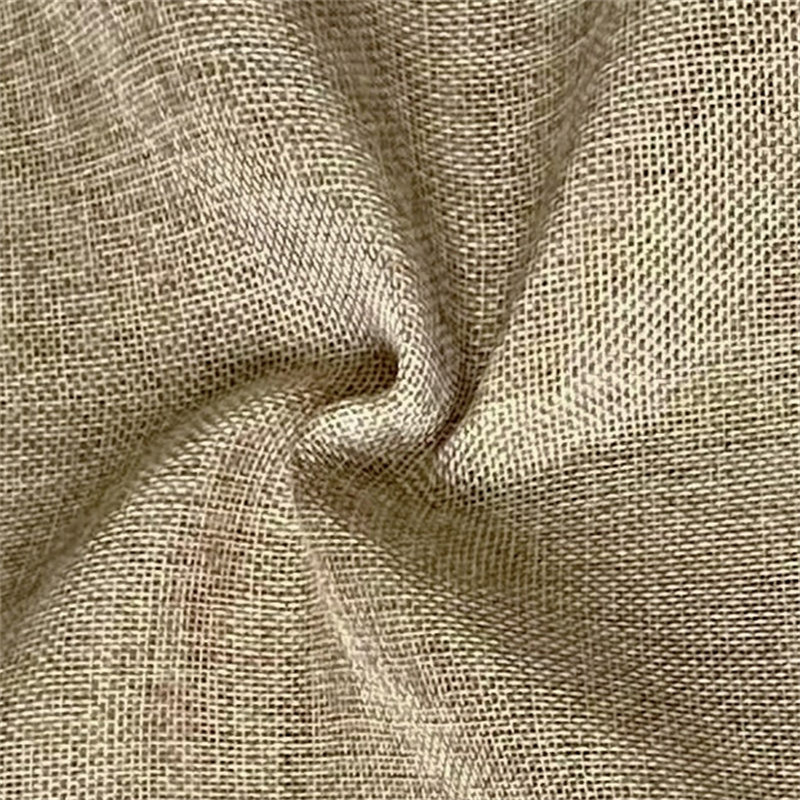
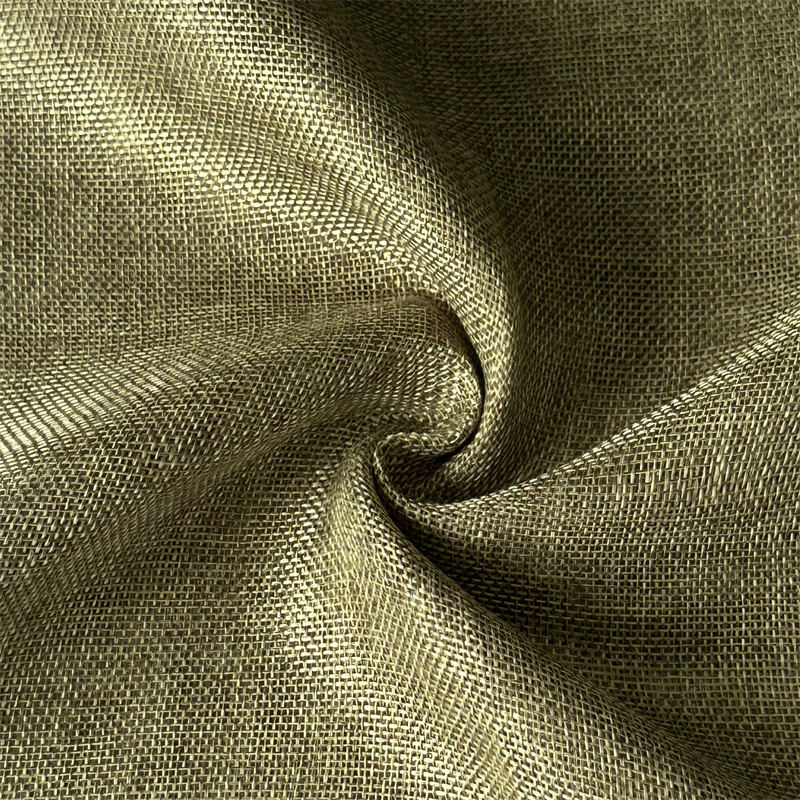
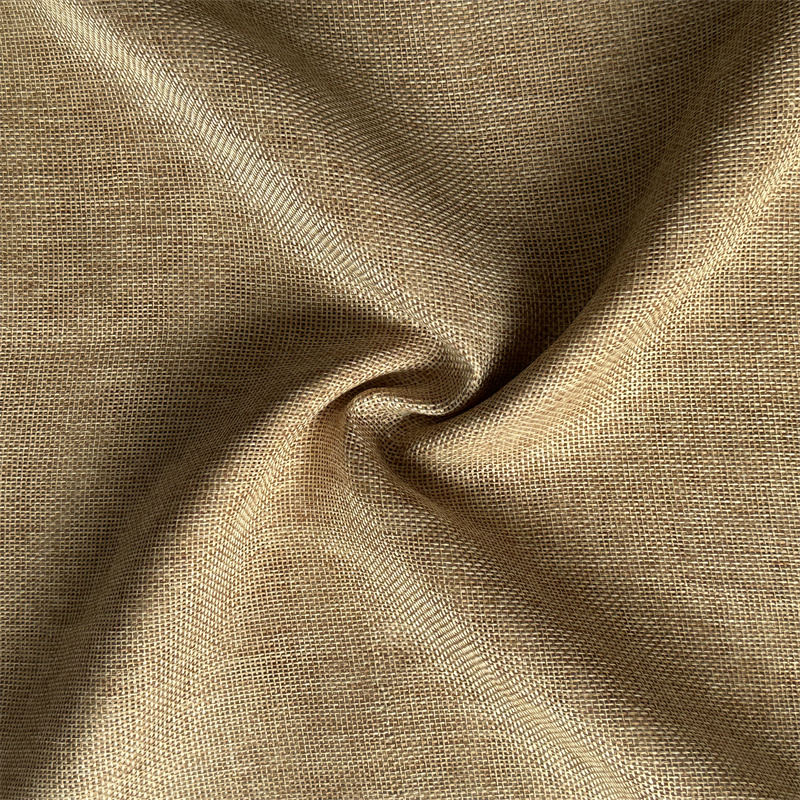
For a designer who loves the rustic, breathable look of calico but needs a fabric that will hold a clean line in a finished garment or a cushion cover, our polyester linen fabric is a strong alternative. It keeps the matte, textured character of a natural plain weave while adding durability, color fastness, and ease of care.
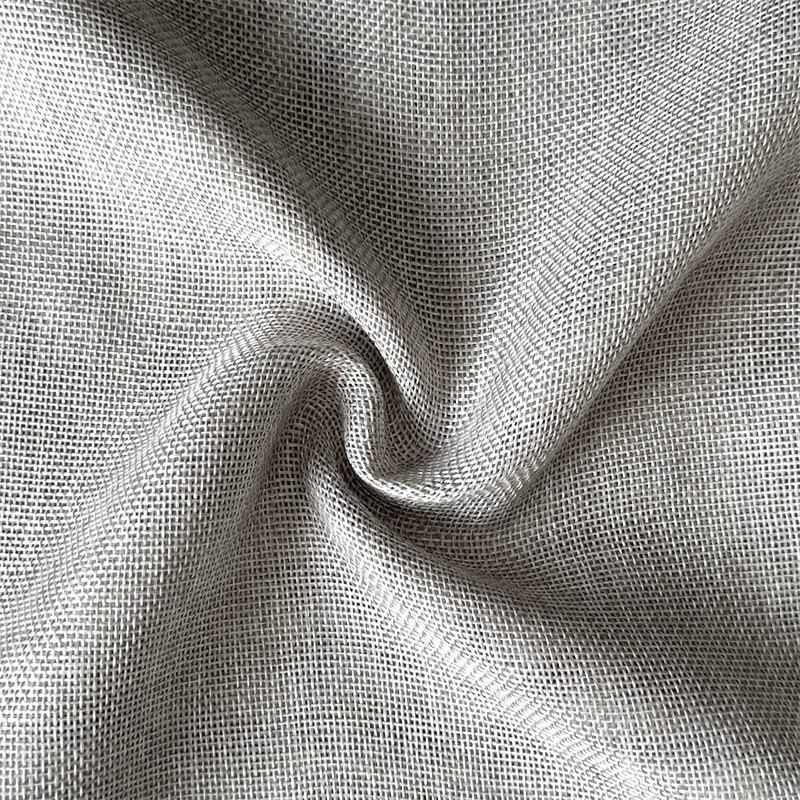
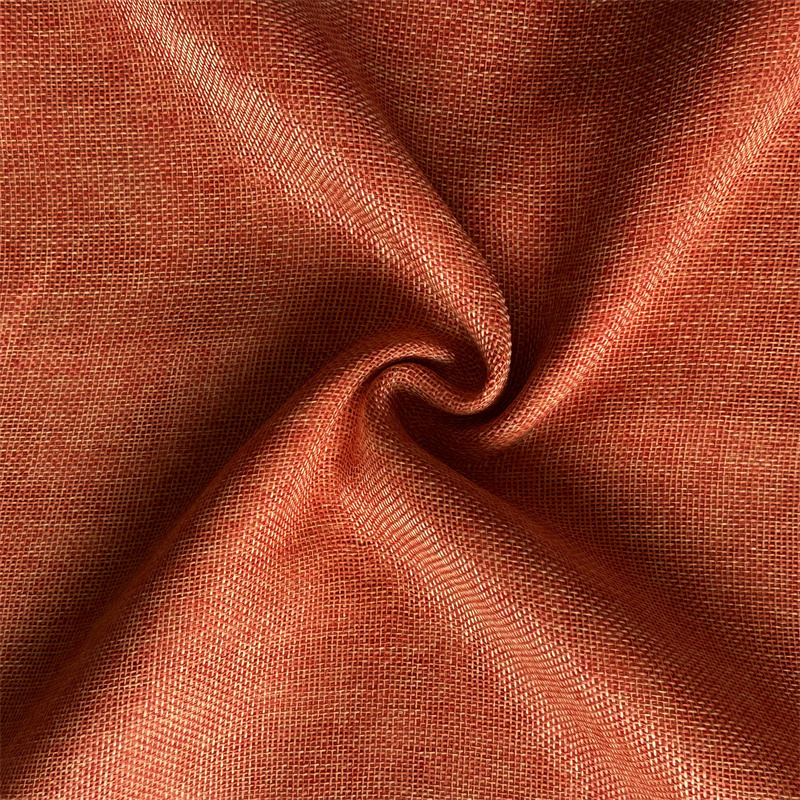 Polyester Linen Fabric for Durable, Easy-Care Calico AlternativesThis polyester imitation linen offers the matte texture of natural linen with added durability, color fastness, and low moisture absorption, making it a practical choice for home decor and outdoor products.View Product →
Calico Prints and Modern Patterned Fabrics
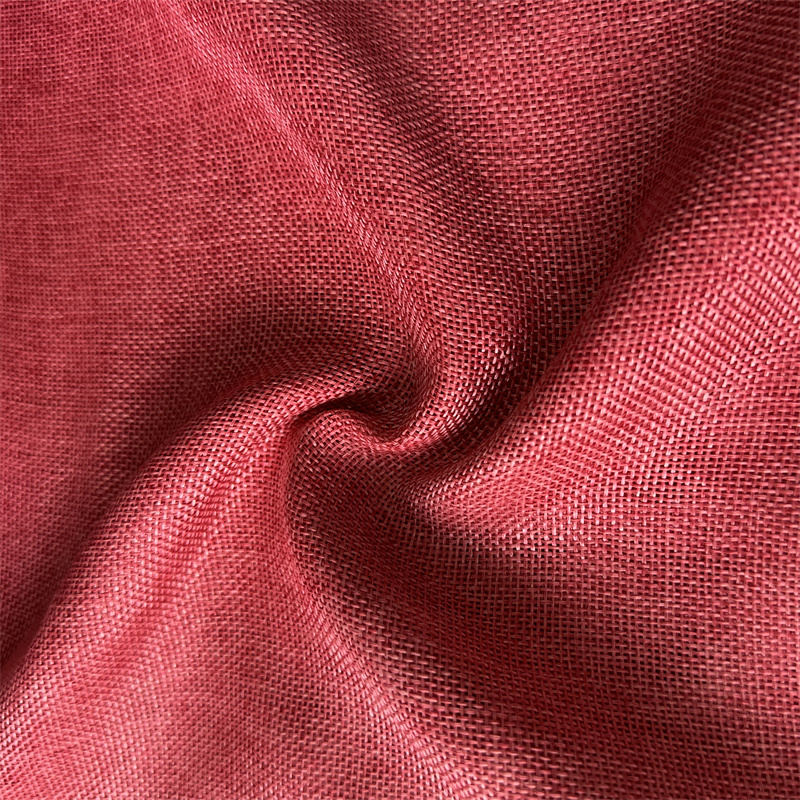
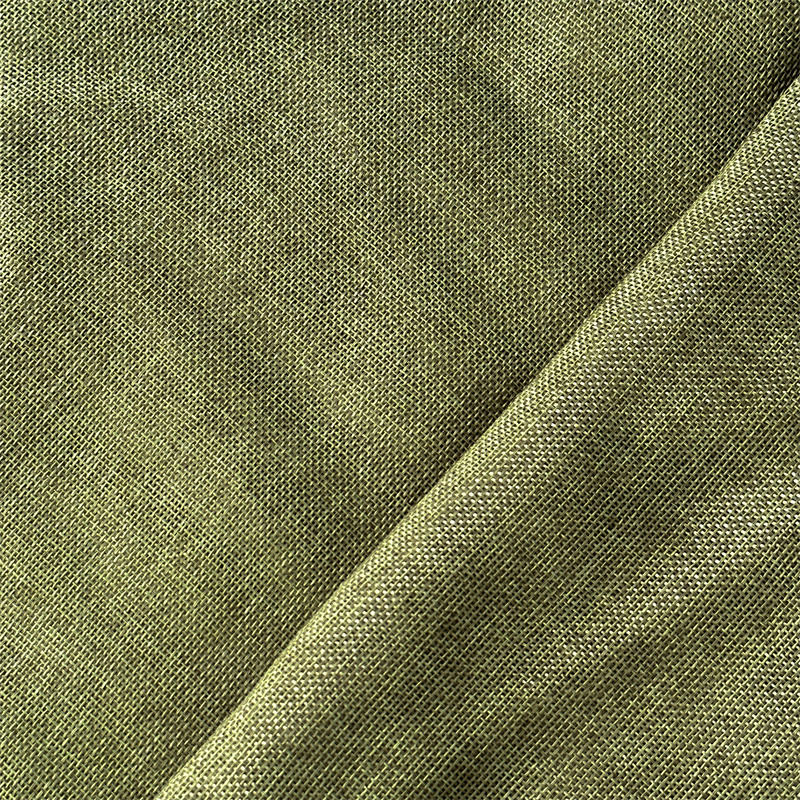
Calico and printmaking are inseparable. Since the seventeenth century, the word "calico" has also referred to cotton cloth printed with colorful patterns, and the tradition of patterned plain-weave fabric continues today. Modern designers who want the visual richness of woven patterns in a performance fabric often turn to plaid or checked styles. At our mill, plaid polyester linen fabric weaves classic tartan and checks directly into the cloth, giving a consistent pattern that will never wash out the way some printed calico designs can.
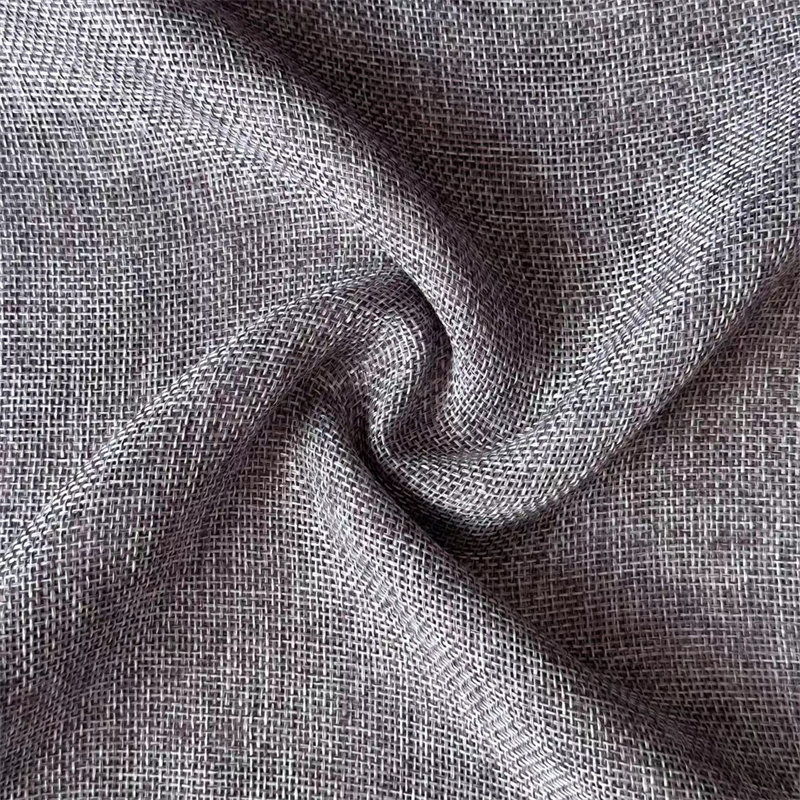
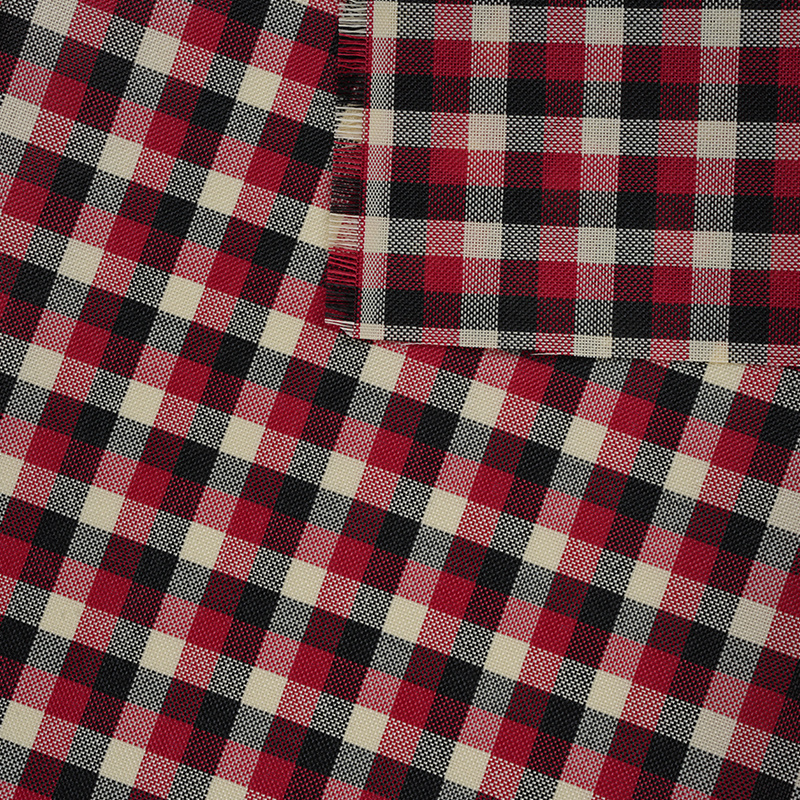 Woven Plaid Polyester Linen Fabric with Fade-Resistant PatternsUnlike printed calico, this plaid polyester linen has tartan and check patterns woven directly into the cloth, ensuring consistent, wash-resistant designs while maintaining a breathable, linen-like feel.View Product →
Choosing the Right Fabric for Your Project
Calico fabric still has a well-deserved place in every sewing room and every design studio. Its honest, unbleached surface, easy handle, and low price make it the perfect material for toiles, fittings, and creative experiments. But when your project moves beyond the sample stage, when you need a fabric that keeps its shape, resists creasing, and still has that natural, linen-like texture, it pays to look at what a modern mill can offer.
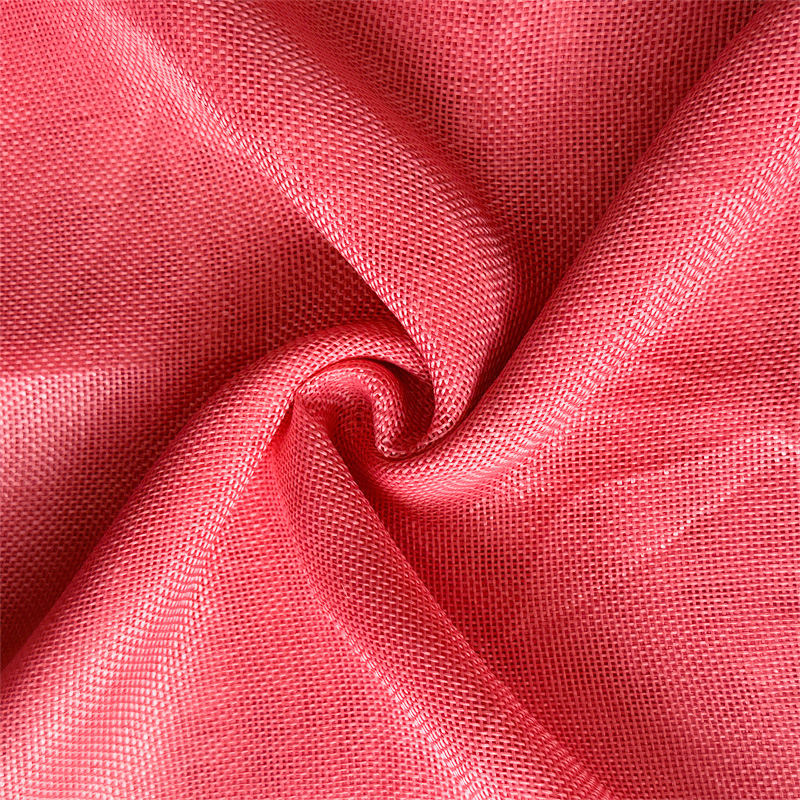
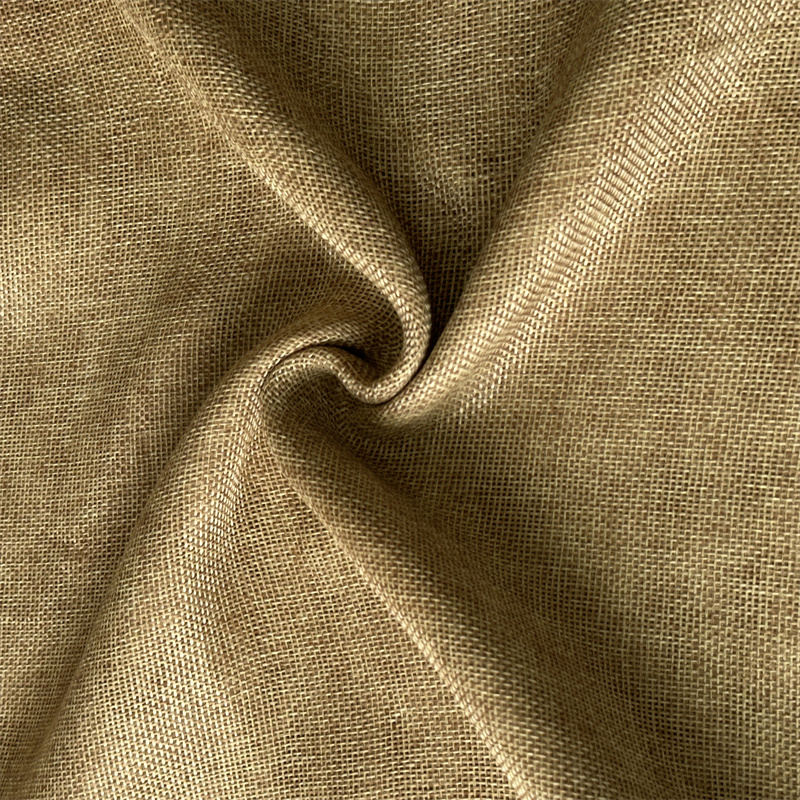
As an integrated textile manufacturer and supplier, we have produced polyester linen fabrics for clothing and home decor customers around the world since 2016. If you are comparing calico with a performance alternative, our solid-color polyester linen fabric is a good place to start: it comes in a consistent, even color, with the matte surface of linen and none of the shrinkage problems of raw cotton.
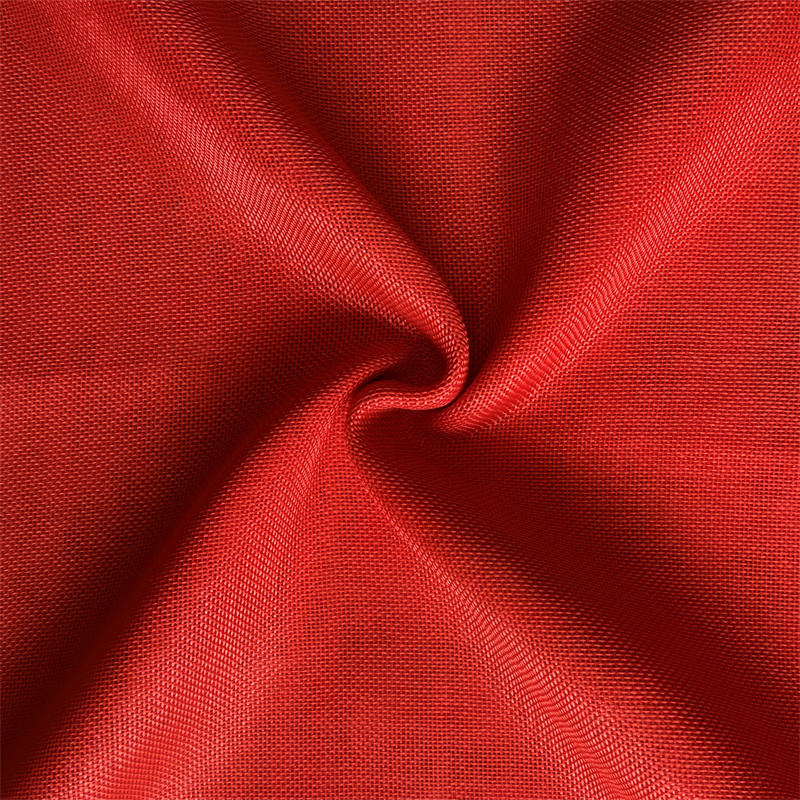
Solid Color Polyester Linen Fabric for Consistent, Shrink-Resistant ProjectsA solid-color imitation linen that delivers even color and a matte linen surface without the shrinkage of raw cotton, ideal for clothing and home furnishings that need easy care and durability.View Product →
Beyond calico, it is worth understanding how polyester linen behaves as a workhorse fabric for everyday products. We have covered the benefits of using polyester linen fabric in clothing and home decor in another article, and our team is always happy to discuss which fabric best fits your next project. You can explore our fabric collections or simply contact us with your requirements.