

 中文简体
中文简体 Español
Content
- 1 What Is Cotton Viscose Fabric?
- 2 How Cotton Viscose Yarn and Fabric Are Made
- 3 Feel and Performance: What to Expect
- 4 The Real Advantages of Cotton Viscose Fabric
- 5 Where Cotton Viscose Can Disappoint
- 6 Choosing the Right Blend Ratio
- 7 Best Uses for Cotton Viscose Fabric
- 8 Comparing Cotton Viscose with Other Blend Options
- 9 Care Recommendations to Pass On to Customers
- 10 Sourcing Cotton Viscose and Blended Fabrics with Confidence
- 11 Frequently Asked Questions
Cotton viscose fabric has quietly become a workhorse in modern collections. It feels natural in the hand, drapes like something far more expensive, and still lands on a price point that works for volume production. It is also one of those blends that buyers either love or struggle with, depending on whether the specification was written carefully at the start. Here we walk through what the blend actually is, how it is made, where it performs well, where it can go wrong, and how to care for it once it reaches the customer.
What Is Cotton Viscose Fabric?
Cotton viscose fabric is a blend of cotton fibres and viscose fibres, spun together into a single yarn and then woven or knitted into cloth. The two components bring different strengths to the same piece of fabric. Cotton contributes stability, a dry hand feel and durability, while viscose, a regenerated cellulose fibre made from wood pulp, contributes softness, a subtle sheen and fluid drape.
Blend ratios vary widely. Commercially, the most common options are 50/50, 60/40 and 65/35 cotton to viscose. The cotton share tends to rise when the end use needs more strength and shape retention, while the viscose share rises when drape, lustre and a softer hand are the priority.
One point that causes confusion in sourcing conversations: in Europe and much of Asia the fibre is called viscose, while in the United States the same fibre is usually labelled rayon. Cotton viscose and cotton rayon therefore describe the same family of blends. Fibre content labelling should always follow the regulations of the market where the finished product will be sold.
How Cotton Viscose Yarn and Fabric Are Made
Cotton arrives at the mill as ginned fibre and is cleaned, carded or combed, then spun into yarn. Viscose starts further back in the chain: wood pulp from fast-growing species such as eucalyptus, beech or pine is converted into dissolving pulp, treated with sodium hydroxide, and then extruded through a spinneret into a regeneration bath. The result is a continuous cellulose filament that is washed, finished and cut into staple lengths so it can be spun on the same systems as cotton.
The two fibre types are then opened, blended, carded and drawn together before spinning. Because both cotton and viscose are cellulose fibres, they accept reactive and direct dyes in a very similar way, which is one reason a cotton viscose blend usually dyes to a deep, even shade rather than a patchy one. After spinning, the yarn is woven or knitted, then dyed and finished according to the hand, weight and surface the buyer has asked for.
Feel and Performance: What to Expect
The table below summarises how a typical mid-weight cotton viscose blend behaves. Exact results depend on the blend ratio, yarn count, construction and finishing route, so treat these as starting points rather than fixed guarantees.
| Property | What to Expect | Note for Production |
|---|---|---|
| Hand feel | Soft, smooth, slightly cool | Improves with softener or enzyme finish |
| Drape | Fluid, with more body than plain cotton | Well suited to dresses and blouses |
| Breathability | Good | Comfortable in warm, humid conditions |
| Moisture absorbency | High, both fibres absorb water | Dries more slowly than pure polyester |
| Dyeability | Excellent, deep and even shades | Works with reactive and direct dyes |
| Dry strength | Moderate | Lower than 100% cotton of the same weight |
| Wet strength | Distinctly lower | Handle with care during washing and pressing |
| Wrinkle recovery | Limited | Blending with polyester improves it |
| Shrinkage | Possible, especially in knits | Pre-shrink or test before bulk cutting |
| Pilling | Moderate risk | Depends on yarn twist and surface finish |
The Real Advantages of Cotton Viscose Fabric
- A softer, smoother hand than most 100% cotton fabrics of a similar weight.
- Better drape and movement, which flatters dresses, skirts and wide-leg trousers.
- Breathable and moisture absorbent, so it stays comfortable in warm weather.
- Excellent dye uptake, producing rich, saturated colours that hold well.
- A natural-looking surface without the price and variability of a pure natural fibre.
- Easy to blend further, so a mill can tune the ratio to hit a specific target price or performance point.
Where Cotton Viscose Can Disappoint
- It wrinkles easily, and creases can be stubborn without a resin or blend adjustment.
- Wet strength is low, so garments need gentler handling during laundering.
- Knitted versions can shrink and torque after the first wash if the fabric is not relaxed properly.
- Pilling appears on looser, lower-twist yarns, particularly in sweater knits.
- Colour can shift between dye lots unless the mill controls its process tightly.
Choosing the Right Blend Ratio
A 50/50 blend is the balanced middle ground and the most common specification for dresses and blouses. Moving toward 60/40 or 65/35 cotton gives more body, better abrasion resistance and a slightly drier hand, which suits shirts, trousers and childrenswear. Moving the other way, toward 40/60 or 30/70, pushes the fabric toward drape and sheen for occasion wear, linings and scarf-weight cloth.
Weight matters just as much as ratio. Lightweight constructions around 100 to 150 gsm read as soft and fluid, mid-weights around 150 to 250 gsm hold shape better for dresses and trousers, and heavier qualities start to feel closer to a lightweight canvas. When you write a specification, state the ratio, the weight, the construction and the finished width, because a brief that only says cotton viscose leaves almost every important decision open.
Best Uses for Cotton Viscose Fabric
Where it works well
- Summer dresses, blouses and tunics where drape and comfort matter.
- Shirts and soft trousers in mid-weight qualities.
- Lightweight skirts, jumpsuits and resort wear.
- Lining cloth for jackets and structured garments.
- Cushion covers, throws and light curtains in the home textile sector.
Where to be careful
- High-abrasion workwear and heavy upholstery, where wet strength and durability are pushed hard.
- Performance activewear that needs quick drying and high elasticity.
- Garments that will be washed frequently at high temperature.
Comparing Cotton Viscose with Other Blend Options
Cotton viscose is rarely the only candidate for a brief. It competes with 100% cotton, cotton polyester, modal and lyocell blends, and each one trades something away. Pure cotton is stronger and easier to wash but stiffer and slower to drape. Cotton polyester holds shape and resists creasing but feels drier against the skin. Modal and lyocell sit close to viscose in feel and often bring better wet strength, at a higher fibre cost.
When customers come to us asking for a viscose-like drape but with easier care, more consistent colour across repeat orders and less risk of shrinkage, we often suggest looking at a polyester-based alternative alongside the blend. Our imitation silk fabric is a good example: it delivers the smooth, fluid surface that designers want from a viscose-rich cloth, while behaving far more predictably through washing and finishing.
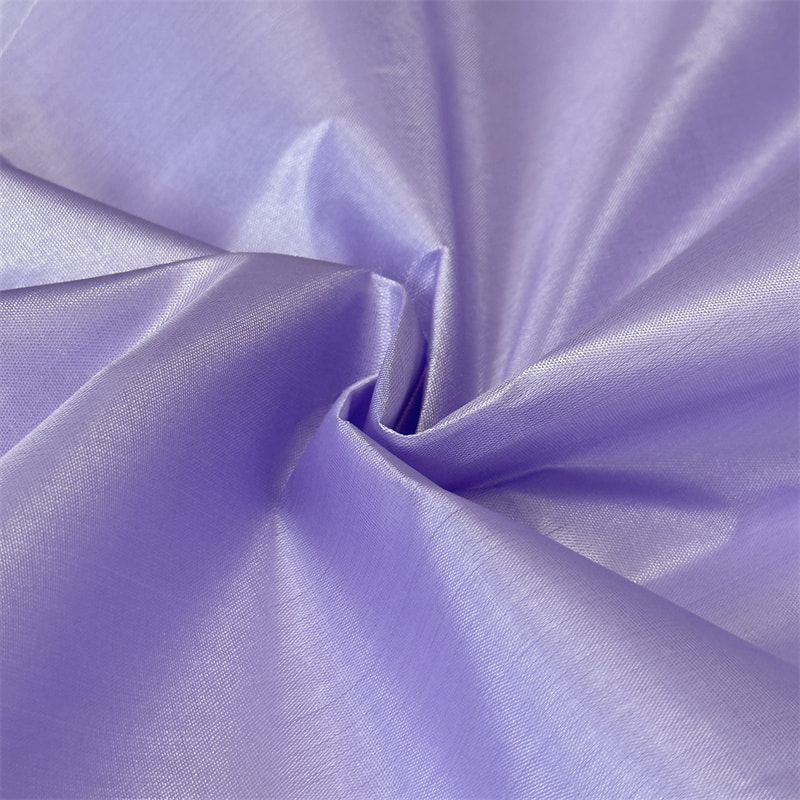 Imitation Silk Fabric ManufacturersImitation Silk Fabric is a very popular synthetic fabric designed to mimic the texture and look of natural silk. Typically made of polyester or nylon, imitation silk n...View Product →
For warm-weather styles where breathability and a dry, linen-like surface matter more than fluid drape, a polyester linen construction is usually the stronger match. It is worth reading up on how polyester linen handles moisture-wicking and breathability before you decide between the two directions.
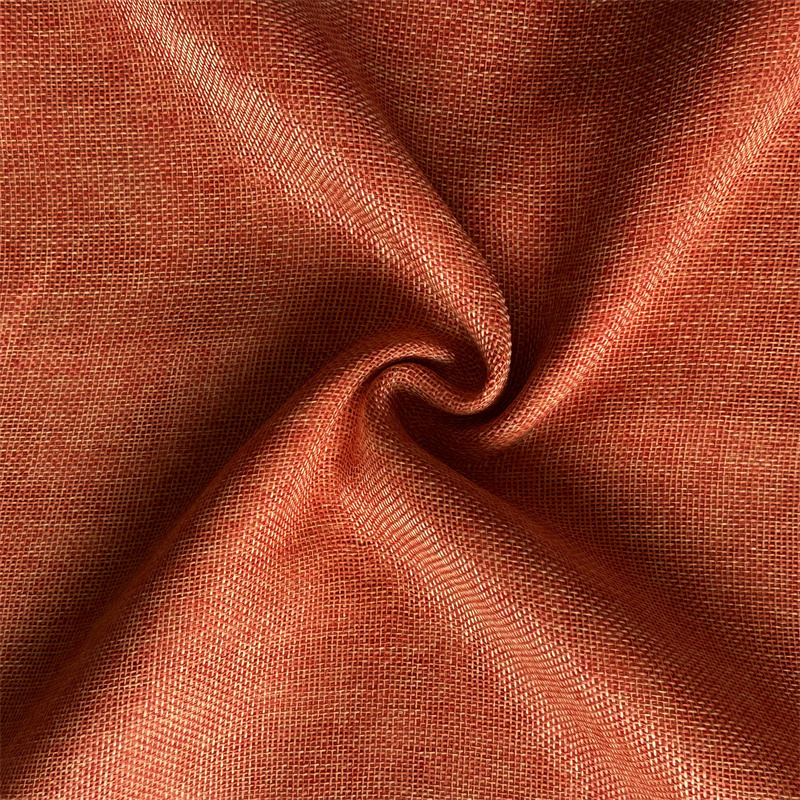 Polyester Linen Fabric ManufacturersPolyester Linen Fabric is a fabric made of 99.99% polyester fiber, which simulates the look and feel of natural linen through advanced processes. This fabric is favore...View Product →
Care Recommendations to Pass On to Customers
- Wash in cool or lukewarm water on a gentle cycle, and turn garments inside out.
- Use a mild detergent and avoid chlorine bleach, which weakens cellulose fibres.
- Do not wring or twist the fabric when wet; it is at its most fragile at this stage.
- Dry flat or hang in the shade, and keep the item out of a hot tumble dryer.
- Iron on the reverse while slightly damp, using a medium setting with steam.
- Store folded rather than on a hanger for knits, so the fabric does not stretch out of shape.
Sourcing Cotton Viscose and Blended Fabrics with Confidence
Blended fabrics live or die on consistency. A beautiful sample means very little if the tenth shipment feels different from the first, so the questions worth asking a supplier are about repeatability: how the mill controls blend ratio, how it tests shrinkage and colour fastness, and what happens when a dye lot drifts.
Our own story began in 2016 in Tongxiang, Zhejiang, where we work as an integrated manufacturer and trader covering production, processing and sales. Our mill covers more than 10,000 square metres and runs over 200 looms, with daily output of more than 60,000 metres. We keep over 100 fabric qualities in stock, each with more than 2,000 metres on hand, which helps when a customer needs a quick trial before committing to a bulk run. We also offer a customisation service for buyers who need a specific weight, surface or colour direction.
If you are weighing up a cotton viscose blend against a polyester alternative, it helps to compare specifications side by side rather than in isolation. You are welcome to browse our mill and fabric range to see the qualities we hold in stock, or send us your brief and we will suggest the most practical route.
Frequently Asked Questions
Is cotton viscose the same as cotton rayon?
In practical terms, yes. Viscose and rayon are two names for the same regenerated cellulose fibre, and the choice of word usually depends on the market. The fibre content label should follow local labelling rules, but the performance you get from the fabric is the same.
Is cotton viscose fabric breathable?
Yes. Both cotton and viscose absorb moisture and allow air to pass, so the blend stays comfortable in warm weather. It dries more slowly than a synthetic fabric, which is the trade-off for that soft, absorbent feel.
Does cotton viscose shrink?
It can, particularly in knitted constructions. Shrinkage is manageable when the fabric is properly relaxed and pre-shrunk before cutting, but it should always be tested before a bulk order is approved.
Can cotton viscose be machine washed?
Generally yes, on a cool, gentle cycle. The fabric loses strength when wet, so high temperatures, harsh detergents and tumble drying are the three things most likely to shorten a garment's life.
Cotton viscose fabric earns its place because it solves a specific problem: it gives designers a soft, draping, natural-feeling cloth without the cost of a premium fibre. Treat the blend ratio, construction and finishing as one decision rather than three separate ones, test for shrinkage and pilling before you commit, and the result is a fabric that performs as well on the shelf as it does in the sample room.