

 中文简体
中文简体 Español
Content
What Makes Satin Different From Other Fabrics
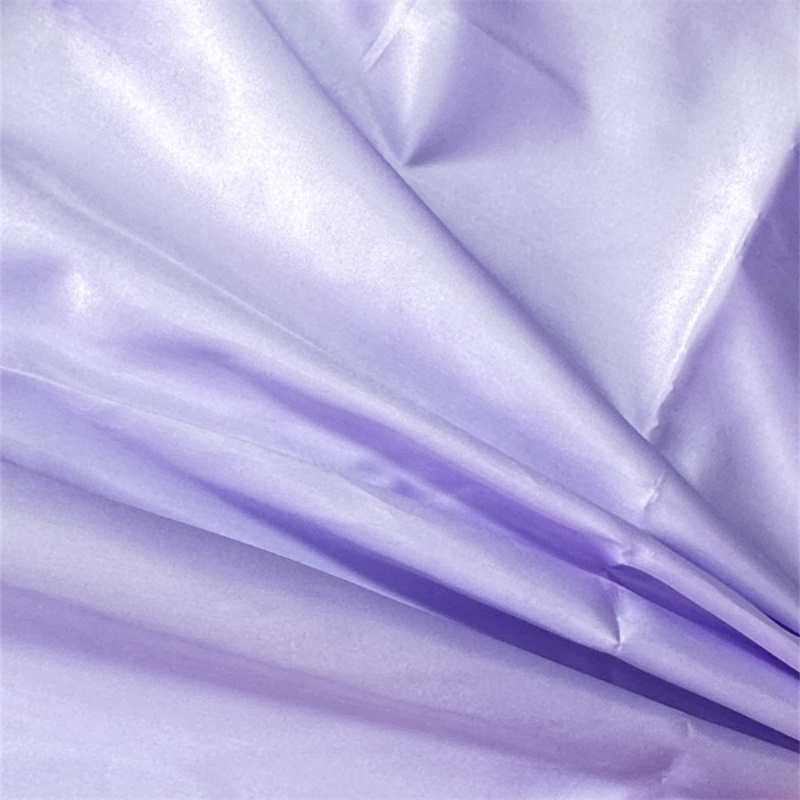
Satin is not a fiber but a weave structure, which is an important distinction for anyone shopping for fabric. The satin weave is created by floating warp yarns over multiple weft yarns before interlacing, which produces a smooth, glossy surface on one side and a duller, more matte finish on the reverse. This weaving technique is what gives satin its signature sheen, rather than any single type of thread.
Because satin can be woven from silk, polyester, nylon, rayon, or blends, the feel, drape, and price of satin fabric can vary dramatically between products labeled the same way. Understanding both the weave and the fiber content behind a specific satin is essential before committing to a purchase for garments, bedding, or décor.
The Role of Fiber Content
Silk satin is considered the traditional benchmark, prized for its natural luster and breathability, but it comes at a significantly higher cost than synthetic alternatives. Polyester satin has become the most common substitute because it mimics the glossy appearance of silk while being far more affordable and easier to care for, though it lacks the same breathability.
Common Types of Satin Fabric
Not all satin is created equal, and different variations are engineered for specific purposes. Knowing the distinctions can help buyers avoid mismatched expectations, especially when shopping online where fabric cannot be touched before purchase.
| Satin Type | Typical Fiber | Best Uses |
| Charmeuse | Silk or polyester | Blouses, lingerie, evening wear |
| Duchess Satin | Silk-rayon blend | Bridal gowns, structured dresses |
| Crepe-Back Satin | Silk or polyester | Reversible garments, draping fabric |
| Satin-Backed Crepe | Polyester blends | Affordable formal wear, linings |
| Stretch Satin | Polyester with spandex | Fitted dresses, dancewear |
Choosing Based on Drape and Weight
Lightweight satins like charmeuse drape closely to the body and are best suited to flowing garments, while heavier options like duchess satin hold structure and volume, making them ideal for gowns that need to keep their shape without additional support.
Practical Uses for Satin Fabric
Satin's glossy finish and smooth hand feel make it a popular choice across fashion, home textiles, and even accessories. Selecting the right satin type for each application ensures the finished product performs as expected.
- Bedding: Satin pillowcases and sheets are valued for reducing friction on hair and skin, often recommended for those prone to frizz or fine lines.
- Bridal and evening wear: Duchess or charmeuse satin is commonly used for gowns due to its elegant sheen and photogenic quality under lighting.
- Linings: Lightweight satin is frequently used inside jackets and coats to allow garments to slide on and off smoothly.
- Ribbons and trims: Satin ribbon is widely used for gift wrapping, hair accessories, and decorative edging due to its glossy finish.
- Home décor: Satin is often chosen for drapery, cushion covers, and table runners where a subtle shine adds visual interest.
How to Care for Satin Fabric
Proper care extends the life of satin fabric significantly, but the correct method depends heavily on fiber content. Silk satin generally requires hand washing in cold water with a mild detergent, or dry cleaning for structured garments like bridal gowns. Wringing or twisting silk satin should always be avoided, as this can damage the delicate fibers and dull the fabric's natural sheen.
Polyester satin is more forgiving and can typically be machine washed on a gentle cycle using cold water, though it should still be air-dried or tumble-dried on low heat to prevent damage to the glossy finish. Ironing satin, regardless of fiber, should be done on the reverse side using a low heat setting, since direct high heat can melt or flatten the characteristic shine.
Storage Tips to Prevent Snags
Satin is prone to snagging on rough surfaces, jewelry, or Velcro, so garments should be stored away from these materials whenever possible. Hanging satin dresses on padded hangers, rather than wire ones, helps preserve the fabric's shape and prevents stretching at the shoulders over time.
Tips for Buying Satin Fabric
When purchasing satin, checking the fiber content listed on the label is the most reliable way to predict how the fabric will feel, drape, and wash. Requesting a fabric swatch before buying larger quantities is especially useful for online purchases, since photographs often cannot accurately capture satin's sheen or weight.
Buyers should also consider the intended use of the finished product when weighing cost against quality. For special-occasion pieces meant to last, investing in silk or silk-blend satin often pays off in both appearance and longevity, while polyester satin remains a practical, budget-friendly choice for everyday items, costumes, or décor that will be replaced more frequently.