

 中文简体
中文简体 Español
Content
What Is Jacquard Fabric and How Is It Made
Jacquard fabric refers to any textile woven on a jacquard loom, a specialized weaving machine that allows intricate patterns to be built directly into the fabric structure rather than printed or embroidered on top. This process was named after Joseph Marie Jacquard, who invented the mechanism in the early nineteenth century using punch cards to control individual warp threads, a system often cited as an early precursor to computer programming.
Because the pattern is woven rather than applied, jacquard fabric tends to be more durable and dimensional than printed textiles. The design appears on both sides of the fabric, often in reversed colors, which gives jacquard its recognizable textured, almost sculptural quality. This technique can be used with nearly any fiber, including cotton, silk, wool, polyester, and various blends.
How Jacquard Differs From Printed Fabric
Printed fabric applies color and pattern to the surface of an already-woven cloth, meaning the design can fade, crack, or peel over time with repeated washing. Jacquard patterns, by contrast, are built into the weave itself, so the design remains intact for the life of the fabric and typically feels more substantial to the touch.
Common Types of Jacquard Fabric
Jacquard is a weaving technique rather than a single fabric, so it appears in many different forms depending on the fiber and finishing process used. The table below outlines several common jacquard variations and their typical applications.
| Jacquard Type | Typical Fiber | Common Uses |
| Brocade | Silk or silk blends | Formal wear, upholstery, drapery |
| Damask | Cotton, linen, silk | Tablecloths, napkins, curtains |
| Matelassé | Cotton or cotton blends | Bedspreads, quilted jackets |
| Jacquard Knit | Cotton, wool, polyester | Sweaters, knitwear with patterns |
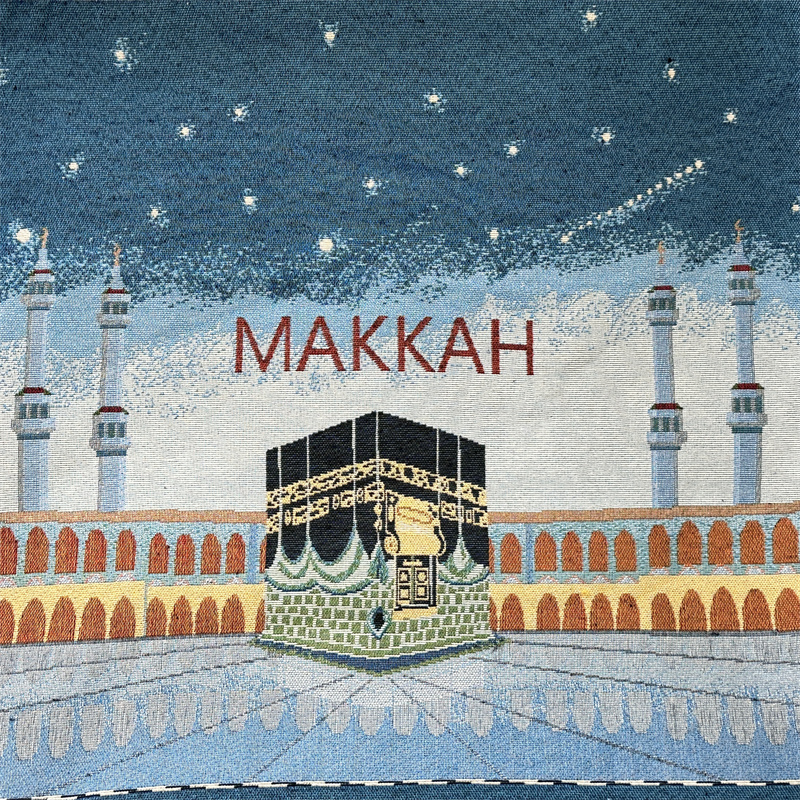
| Tapestry Jacquard | Cotton, polyester blends | Wall hangings, heavy upholstery |
Choosing Between Woven and Knit Jacquard
Woven jacquards like brocade and damask tend to be stiffer and better suited to structured items such as curtains or formal garments, while jacquard knits offer more stretch and flexibility, making them a popular choice for sweaters and casual apparel that require some give.
Best Uses for Jacquard Fabric
Because jacquard fabric can range from lightweight silk to heavy upholstery-grade cotton, its applications span fashion, home décor, and interior design. Matching the right jacquard weight and fiber to the intended project is key to a successful outcome.
- Upholstery: Heavier jacquard weaves like tapestry and brocade hold up well to daily wear on sofas and chairs due to their dense construction.
- Formal apparel: Silk jacquard and brocade are frequently used in eveningwear, suits, and ceremonial garments for their rich, dimensional patterns.
- Home textiles: Damask jacquard is a traditional choice for tablecloths and napkins because it launders well and resists wrinkling.
- Bedding: Matelassé jacquard is often used for bedspreads and shams thanks to its quilted, textured appearance that adds visual depth to a room.
- Sweaters and knitwear: Jacquard knit fabric allows patterned sweaters to be produced without separate embroidery or printing steps.
How to Care for Jacquard Fabric
Care requirements for jacquard fabric vary widely depending on fiber content, so checking the care label before washing is essential. Silk jacquard, such as brocade, typically requires dry cleaning to avoid water spots and preserve the integrity of the woven pattern, since hand washing can cause uneven shrinkage between the base weave and raised design.
Cotton jacquard, including damask and matelassé, is generally more forgiving and can often be machine washed on a gentle cycle with cold water. However, because the woven texture can trap detergent residue, an extra rinse cycle is sometimes recommended to keep the fabric looking crisp and prevent stiffness over time.
Preventing Snags and Pattern Distortion
The raised threads in jacquard weaves are more prone to snagging than flat fabrics, so garments and home textiles should be kept away from rough surfaces, hooks, and Velcro. When ironing jacquard, using a pressing cloth and moderate heat helps protect the raised pattern from flattening or scorching.
Tips for Buying Jacquard Fabric
When shopping for jacquard fabric, examining the reverse side can reveal a lot about quality, since a well-constructed jacquard will show a clean, mirrored pattern rather than loose or uneven threads. Requesting a swatch is especially useful for large projects like upholstery or drapery, where color and pattern scale need to be evaluated in the actual room lighting before committing to a full order.
Buyers should also weigh fiber content against the project's practical demands. Silk jacquard offers unmatched luxury and sheen for special-occasion or decorative use, while cotton and polyester jacquards provide more durable, budget-friendly options suited to everyday upholstery, apparel, and home textiles that need to withstand frequent use and cleaning.