

 中文简体
中文简体 Español
Content
Jacquard fabric is instantly recognizable for its intricate, woven-in patterns, but understanding what actually makes this textile unique requires looking beyond its appearance to the mechanics of how it is produced. From the specialized looms that create it to the specific fiber properties that determine its feel and durability, jacquard represents a distinct category within woven textiles rather than a single fabric type. This guide covers the defining properties of jacquard fabric, walks through how it is manufactured, and explains where it typically comes from and where it ends up being used.
Defining Properties of Jacquard Fabric
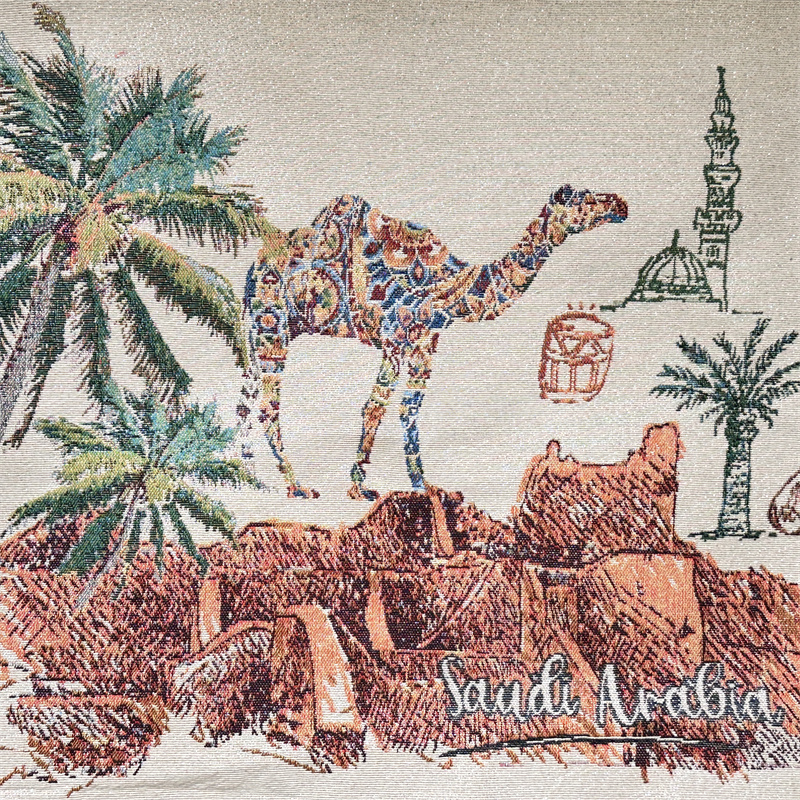
What sets jacquard apart from other patterned textiles is that its design exists as part of the fabric's woven structure rather than being applied afterward through printing or embroidery. This structural characteristic gives jacquard several properties that distinguish it clearly from surface-decorated alternatives.
Dimensional Texture
Because different sections of the pattern are formed by varying the weave structure itself, jacquard fabric often has a raised, tactile quality where certain areas of the design sit slightly higher or lower than the surrounding fabric. This gives the surface a dimensional quality that flat printed fabrics cannot replicate.
Reversibility
Since the pattern is woven through the entire thickness of the cloth, jacquard fabric typically shows a version of the design on both sides, though the back side often displays the pattern in reverse or with inverted color placement depending on the weave configuration used.
Weight and Density
Jacquard weaving generally requires a denser thread count to support complex pattern detail, which typically results in a heavier, more substantial fabric compared to plain weaves made from the same fiber. This added density contributes to jacquard's characteristic drape and structure.
Pattern Longevity
Because the design is integrated into the weave rather than sitting on the surface, jacquard patterns resist fading, cracking, and peeling far better than printed designs, even after repeated washing or years of use.
How Jacquard Fabric Is Manufactured
The production of jacquard fabric relies on a specialized loom mechanism capable of controlling individual warp threads independently, a level of precision that ordinary looms cannot achieve.
The Jacquard Loom Mechanism
Traditional looms raise and lower entire groups of warp threads together in fixed patterns, which limits the complexity of designs that can be produced. The jacquard loom, originally developed using a punched card system, instead controls each warp thread individually, allowing far more intricate and detailed patterns to be woven directly into the cloth.
Modern jacquard looms have replaced punched cards with computerized controls, but the underlying principle remains the same: a program dictates precisely which warp threads are raised or lowered for each pass of the weft thread, building the pattern row by row across the width of the fabric.
Fiber Preparation and Selection
Before weaving begins, manufacturers select and prepare the fiber content based on the intended end use. Silk, cotton, wool, polyester, rayon, and various blends are all commonly used in jacquard production, with fiber choice significantly influencing the fabric's final weight, sheen, and care requirements.
Weaving and Finishing
Once the pattern program is set and threads are loaded, the loom weaves the fabric according to the programmed design. After weaving, the fabric often undergoes finishing processes such as steaming, calendaring, or chemical treatments to enhance sheen, softness, or wrinkle resistance depending on the intended application.
Common Fiber Types Used in Jacquard Production
The choice of fiber has a major impact on how a jacquard fabric looks, feels, and performs, which is why manufacturers select different fiber types depending on the intended product.
| Fiber | Characteristics | Typical Products |
| Silk | Lustrous, lightweight, luxurious | Formal wear, scarves, neckties |
| Cotton | Breathable, matte, durable | Bedding, casual apparel |
| Wool | Warm, textured, resilient | Coats, blankets, upholstery |
| Polyester | Affordable, wrinkle-resistant | Curtains, upholstery, blends |
| Rayon | Soft, silk-like drape | Dresses, decorative textiles |
Blended jacquard fabrics, which combine two or more fiber types, are also widely produced to balance cost, durability, and aesthetic qualities, such as pairing polyester for wrinkle resistance with a small percentage of spandex for added stretch in fitted garments.
Where Jacquard Fabric Is Sourced and Produced
Jacquard fabric production is concentrated in regions with established textile manufacturing infrastructure and access to jacquard loom technology. Major production hubs include parts of China, India, and Italy, each known for different specializations within jacquard weaving.
Italian mills, particularly in regions like Como, have long been associated with high-end silk jacquard production for luxury fashion houses, while Chinese manufacturers produce a broad range of jacquard fabrics spanning both budget-friendly polyester blends and premium silk textiles at large commercial scale. India also maintains a significant jacquard weaving tradition, particularly for home textiles and decorative fabrics, drawing on centuries of woven textile craftsmanship combined with modern computerized loom technology.
Where Jacquard Fabric Is Commonly Used
The combination of durability, visual richness, and structural pattern integration makes jacquard suitable for a wide range of end uses across both fashion and home textile categories.
- Upholstery for sofas, chairs, and formal furniture pieces
- Formal apparel including dresses, suits, and evening wear
- Curtains and drapery in residential and hospitality settings
- Bedding, including duvet covers and decorative pillow shams
- Accessories such as neckties, scarves, and handbags
Hospitality and hotel industries in particular rely heavily on jacquard fabrics for curtains and bedding, since the fabric's durability under frequent laundering and its resistance to pattern fading make it well suited to commercial-grade textile applications that need to maintain their appearance over years of heavy use.
Evaluating Jacquard Fabric Quality Before You Buy
When sourcing jacquard fabric, whether for a manufacturing project or a personal sewing endeavor, checking a few key indicators can help distinguish higher-quality material from lower-grade alternatives. Thread count and weave density are strong indicators of durability, with tighter weaves generally producing crisper pattern definition and better long-term wear resistance.
Examining the fabric under good lighting to check pattern clarity and consistency across the width of the material can also reveal manufacturing quality issues, such as uneven tension or misaligned pattern repeats. Requesting a fabric swatch before committing to a bulk purchase allows for a hands-on assessment of drape, texture, and colorfastness, which are difficult to judge accurately from photographs alone. By understanding the properties that define jacquard fabric and how its production process shapes those characteristics, buyers can make more informed decisions when selecting material for apparel, upholstery, or home textile projects.