

 中文简体
中文简体 Español
Content
Chenille fabric is instantly recognizable by its plush, velvety texture and the soft, fuzzy pile that catches light differently depending on the viewing angle. Named after the French word for caterpillar, a nod to the fabric's fuzzy yarn structure, chenille has become a popular choice for cozy home textiles, apparel, and decorative accents. This guide explains what makes chenille fabric distinct, how it is produced, and how to choose and care for it based on the intended use.
What Makes Chenille Fabric Unique
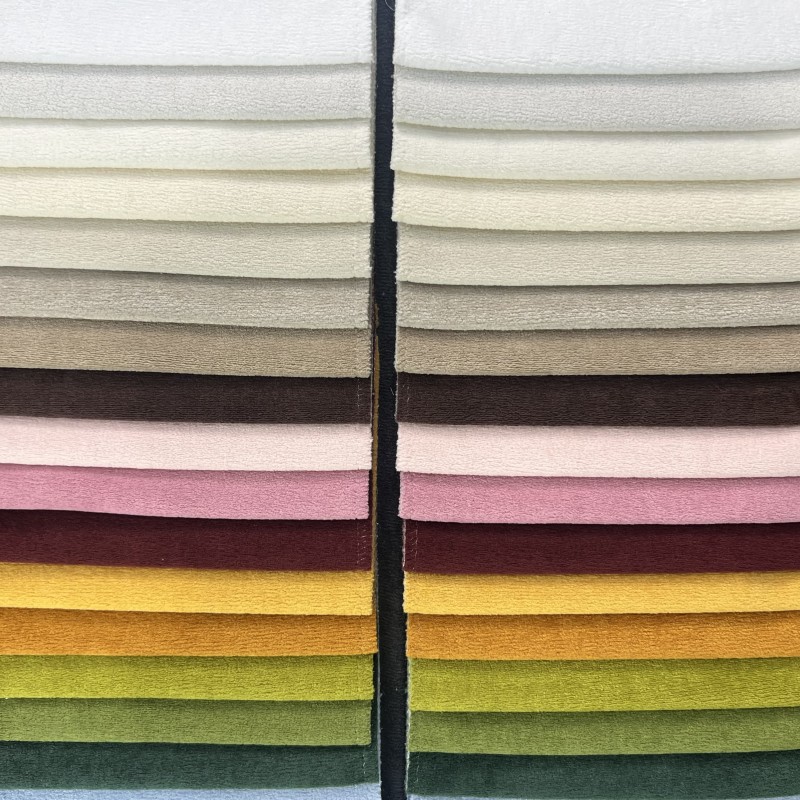
Chenille refers specifically to a type of yarn construction rather than a single fiber, which means the fabric can be produced from cotton, polyester, acrylic, rayon, or various blends depending on the intended application. What defines chenille is the way short lengths of fiber, called the pile, are twisted between two core yarns, creating a fuzzy, caterpillar-like strand that stands out on all sides.
When this specialized yarn is woven or knitted into fabric, the protruding pile fibers create a soft, textured surface with a distinctive sheen that shifts depending on the direction the fabric is viewed from, similar to velvet but generally softer and less structured. This construction method gives chenille its characteristic plush hand-feel, which is why it is so frequently chosen for cozy, comfort-focused textile products.
How Chenille Yarn and Fabric Are Made
The production of chenille fabric involves a distinct yarn-making process before any weaving or knitting takes place, which sets it apart from many other textured fabrics.
Creating the Chenille Yarn
Chenille yarn production begins by weaving a special leno-weave fabric where short lengths of pile fiber are held loosely between core yarns. This intermediate fabric is then cut into narrow strips along the warp direction, and each strip becomes a single strand of chenille yarn, with the cut pile fibers standing outward from the twisted core to create the fuzzy texture.
Weaving or Knitting the Final Fabric
Once the chenille yarn is produced, it can be woven or knitted into the final fabric structure, often combined with a stronger, smoother yarn to provide structural support, since chenille yarn itself is relatively delicate and prone to shedding if used alone without reinforcement.
Common Fiber Types Used in Chenille Fabric
The fiber content used to produce chenille significantly affects the fabric's softness, durability, sheen, and price point.
| Fiber | Feel | Common Applications |
| Cotton | Soft, breathable | Bedspreads, robes, casual apparel |
| Polyester | Durable, easy-care | Upholstery, throws, curtains |
| Acrylic | Lightweight, warm | Blankets, scarves |
| Rayon | Silky, lustrous | Decorative pillows, apparel accents |
Polyester chenille has become particularly popular in upholstery applications because it combines the soft texture chenille is known for with better resistance to staining, fading, and wear compared to natural fiber alternatives, making it practical for furniture that sees regular daily use.
Where Chenille Fabric Is Commonly Used
Chenille's soft texture and visual depth make it a popular choice across a range of home and apparel applications.
- Upholstery for sofas, armchairs, and accent furniture
- Throw blankets and decorative pillows
- Bedspreads and bedroom textiles
- Sweaters, robes, and cozy loungewear
- Curtains and drapery in living spaces
Because of its plush texture and warmth, chenille is especially popular in cold-weather home décor and apparel, where comfort and tactile appeal are just as important as visual style.
Chenille Compared to Other Plush Fabrics
Shoppers often compare chenille to other textured fabrics like velvet and velour, but the underlying construction methods create meaningful differences in feel, durability, and cost.
Velvet is produced using a woven pile technique where loops of fiber are cut to create a dense, upright pile, resulting in a fabric that is typically smoother and more formal in appearance than chenille. Velour, often knitted rather than woven, tends to be stretchier and is commonly used in activewear and loungewear. Chenille's twisted-yarn construction gives it a softer, more irregular pile that produces a cozier, more casual look compared to the uniform sheen of velvet, making it better suited to relaxed home décor settings rather than formal apparel.
Choosing Quality Chenille Fabric
When shopping for chenille, whether for upholstery, a sewing project, or ready-made home textiles, a few quality indicators can help distinguish durable material from products likely to shed or wear out quickly.
Pile Density
Denser pile construction generally indicates a higher-quality chenille that will hold up better over time and resist matting or thinning in high-contact areas like armrests and cushion edges.
Backing Yarn Strength
Since chenille yarn itself is relatively delicate, the strength of the core or backing yarn used in the weave significantly affects how well the fabric resists stretching, sagging, or losing its shape after repeated use.
Shedding Test
Running a hand firmly across the fabric surface can reveal how much loose fiber sheds, which is a useful indicator of overall construction quality, since excessive shedding often signals a lower-grade chenille that will continue losing fiber over its lifespan.
Caring for Chenille Fabric
Proper care significantly extends the life and appearance of chenille textiles, though the correct approach depends on fiber content and the specific product. Many chenille throws and apparel items made from cotton or acrylic can be machine washed on a gentle cycle with cold water, while chenille upholstery typically requires professional cleaning or spot treatment to avoid damaging the pile structure.
Regardless of fiber content, air drying or using a low-heat tumble dry setting helps preserve the pile's texture, since high heat can cause certain synthetic chenille fibers to flatten or lose their characteristic softness. Gently shaking or brushing chenille items periodically also helps redistribute the pile and maintain its plush appearance over time. With attention to fiber content, construction quality, and appropriate care practices, chenille fabric can provide long-lasting comfort and visual warmth across a wide range of home and apparel applications.