

 中文简体
中文简体 Español
Content
- 1 How Imitation Silk Fabric Is Manufactured
- 2 Common Types of Imitation Silk Fabric
- 3 Key Performance Characteristics
- 4 Comparison Between Imitation Silk and Natural Silk
- 5 Applications in Apparel Manufacturing
- 6 Use in Home Textiles and Decorative Products
- 7 Care and Maintenance Advantages
- 8 Sustainability and Environmental Considerations
- 9 How to Choose the Right Imitation Silk Fabric
- 10 Conclusion: The Practical Value of Imitation Silk Fabric
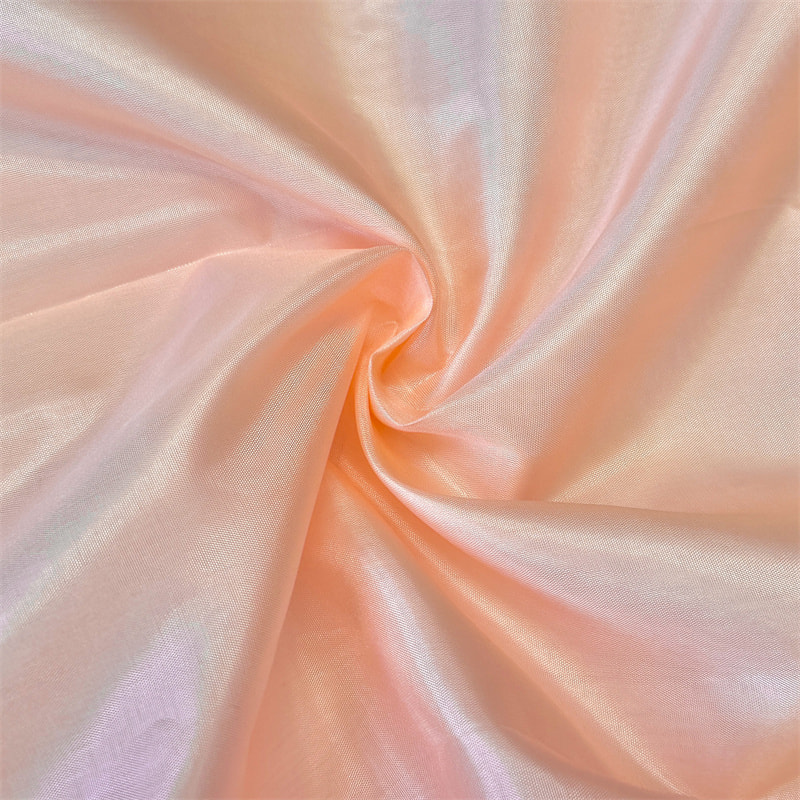
Imitation silk fabric refers to a category of man-made textiles designed to replicate the smooth texture, natural sheen, and fluid drape of genuine silk. Unlike natural silk, which is derived from silkworm cocoons, imitation silk is produced using synthetic or semi-synthetic fibers such as polyester, viscose, rayon, or acetate. These fabrics aim to capture silk’s luxurious appearance while offering improved durability, easier maintenance, and significantly lower cost.
In modern textile markets, imitation silk fabric plays a vital role in apparel, home furnishings, and decorative applications. Its popularity stems from the balance it achieves between aesthetics and practicality, making it suitable for mass production and everyday use without sacrificing elegance.
How Imitation Silk Fabric Is Manufactured
The manufacturing process of imitation silk fabric varies depending on the fiber type used, but it generally involves controlled spinning, weaving or knitting, and surface finishing to enhance luster and softness. Synthetic fibers such as polyester are melt-spun, while regenerated fibers like viscose are produced through chemical processing of cellulose.
Fiber Selection and Spinning
High-quality imitation silk starts with fine denier fibers that can mimic the smoothness of silk filaments. These fibers are engineered for uniform thickness, strength, and flexibility. Advanced spinning techniques allow manufacturers to create continuous filaments that resemble silk’s natural structure.
Weaving and Surface Finishing
After spinning, the yarns are woven using satin, twill, or plain weave structures, depending on the desired hand feel and drape. Finishing treatments such as calendaring, brushing, or chemical softening are applied to enhance gloss, smoothness, and fluidity, which are critical characteristics of imitation silk fabric.
Common Types of Imitation Silk Fabric
Imitation silk fabric is not a single material but a broad category encompassing multiple fiber-based variants. Each type offers distinct performance characteristics and visual effects, allowing manufacturers and designers to select the most suitable option for specific applications.
- Polyester imitation silk: Known for durability, colorfastness, and wrinkle resistance
- Viscose or rayon silk-like fabric: Offers excellent drape and breathability
- Acetate imitation silk: Features high luster and a soft, luxurious hand feel
- Blended imitation silk: Combines fibers to balance cost, performance, and aesthetics
Key Performance Characteristics
Imitation silk fabric is engineered to deliver consistent quality and functional advantages that natural silk may lack in demanding environments. These characteristics make it highly attractive for large-scale production and frequent use.
Durability and Strength
Compared to natural silk, imitation silk fabric generally offers higher tensile strength and abrasion resistance. This allows garments and furnishings to retain their appearance over time, even with regular washing and handling.
Color Retention and Uniformity
Synthetic fibers used in imitation silk accept dyes evenly, resulting in vibrant, uniform colors. Many variants also demonstrate excellent colorfastness, making them suitable for bright or dark shades without fading.
Comparison Between Imitation Silk and Natural Silk
Understanding the differences between imitation silk fabric and natural silk is essential for informed material selection. While both share visual similarities, their performance, care requirements, and cost structures differ significantly.
| Aspect | Imitation Silk Fabric | Natural Silk |
| Raw Material | Synthetic or regenerated fibers | Silkworm cocoons |
| Cost | Lower and more stable | High and variable |
| Maintenance | Easy care, often machine washable | Delicate care required |
| Durability | High resistance to wear | More prone to damage |
Applications in Apparel Manufacturing
Imitation silk fabric is widely used in the apparel industry for dresses, blouses, scarves, linings, and eveningwear. Its consistent quality and adaptability to different designs make it a preferred option for fashion brands targeting both mid-range and mass markets.
Designers appreciate its fluid drape and elegant sheen, which allow garments to mimic high-end silk aesthetics while maintaining cost efficiency and production scalability.
Use in Home Textiles and Decorative Products
Beyond apparel, imitation silk fabric is commonly found in curtains, cushion covers, bed skirts, and decorative upholstery. Its resistance to sunlight fading and ease of cleaning make it especially suitable for interior environments.
In hospitality and commercial spaces, imitation silk provides a luxurious visual effect without the maintenance challenges associated with natural silk, supporting long-term cost control.
Care and Maintenance Advantages
One of the most practical benefits of imitation silk fabric is its simplified care requirements. Many variants are wrinkle-resistant, quick-drying, and compatible with standard laundering processes.
- Less prone to shrinking or deformation
- Can often be machine washed on gentle cycles
- Requires minimal ironing compared to natural silk
Sustainability and Environmental Considerations
While traditional imitation silk fabrics are petroleum-based, ongoing innovations are improving their environmental profile. Recycled polyester and responsibly sourced viscose are increasingly used to reduce environmental impact.
For buyers concerned with sustainability, selecting certified materials and responsible suppliers can help balance performance needs with environmental responsibility.
How to Choose the Right Imitation Silk Fabric
Choosing the right imitation silk fabric requires evaluating end-use requirements, budget constraints, and desired aesthetics. Factors such as fiber type, fabric weight, surface finish, and color performance should be carefully assessed.
By aligning these factors with application needs, manufacturers and buyers can achieve optimal results in both appearance and long-term performance.
Conclusion: The Practical Value of Imitation Silk Fabric
Imitation silk fabric successfully bridges the gap between luxury appearance and everyday practicality. With its versatile applications, consistent quality, and cost efficiency, it has become an essential material across apparel and home textile industries.
As manufacturing technologies continue to advance, imitation silk fabric is expected to further enhance its realism, performance, and sustainability, reinforcing its role as a smart alternative to natural silk.