

 中文简体
中文简体 Español
Content
- 1 How Chenille Fabric Is Made
- 2 Common Fiber Types Used in Chenille Fabric
- 3 Key Characteristics of Chenille Fabric
- 4 Durability and Performance Considerations
- 5 Chenille Fabric vs Other Upholstery Fabrics
- 6 Applications in Upholstery and Furniture
- 7 Use of Chenille Fabric in Home Textiles
- 8 Care and Maintenance Guidelines
- 9 Sustainability and Material Innovation
- 10 How to Choose the Right Chenille Fabric
- 11 Conclusion: Why Chenille Fabric Remains a Popular Choice
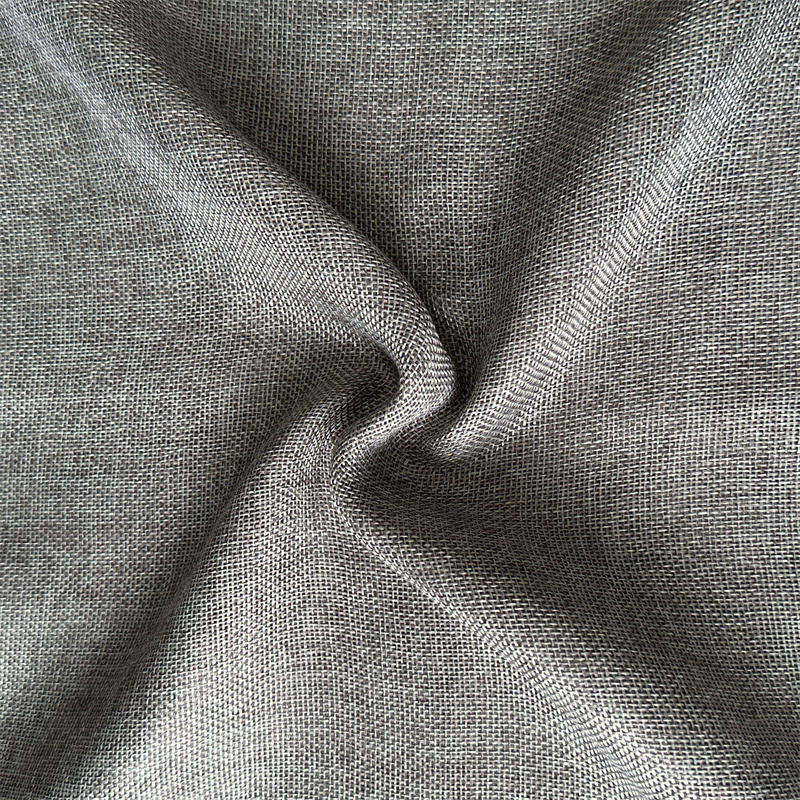
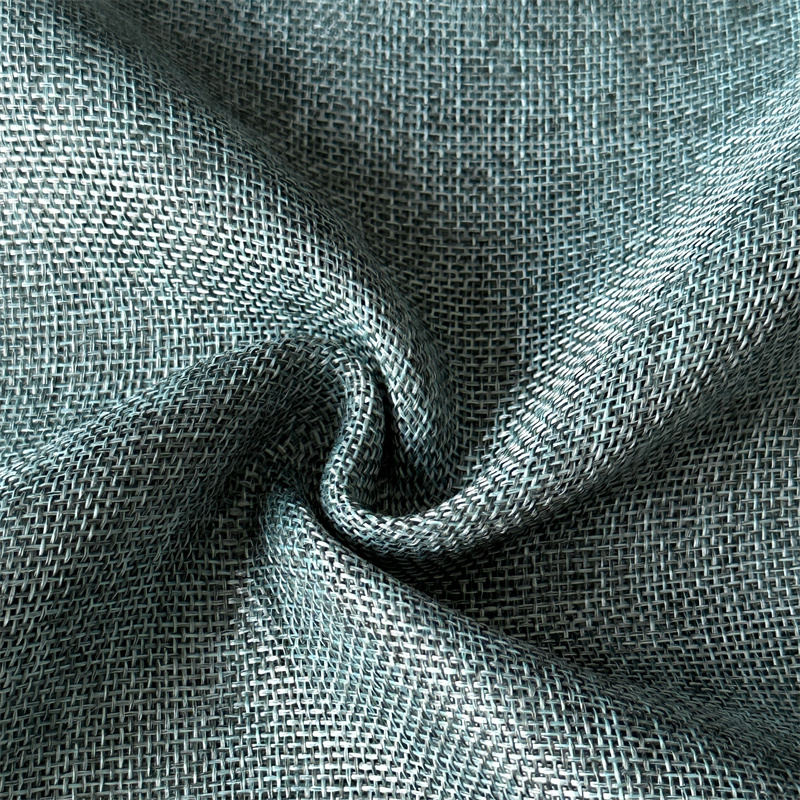
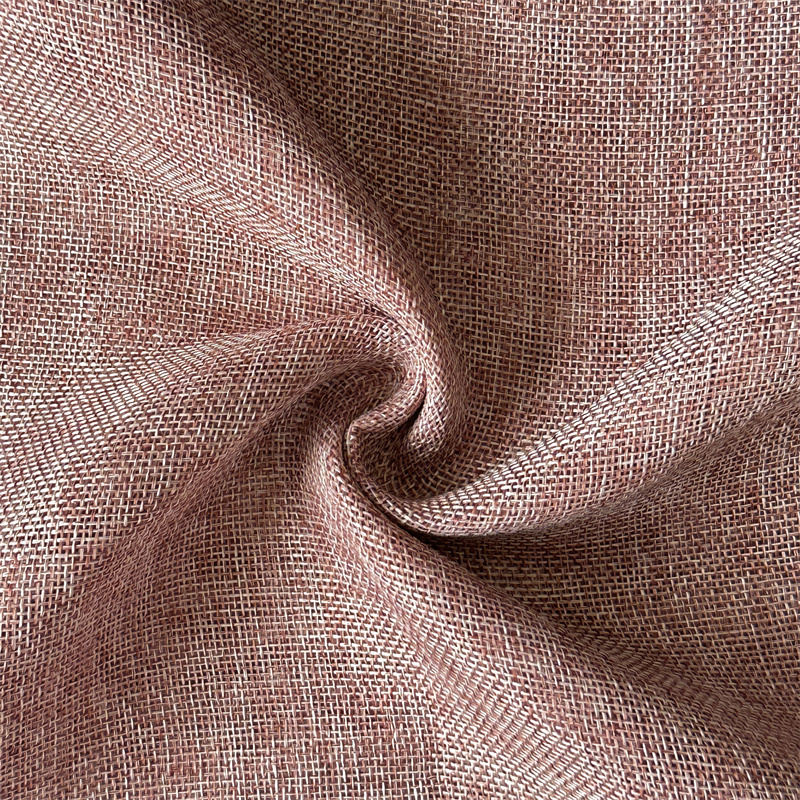
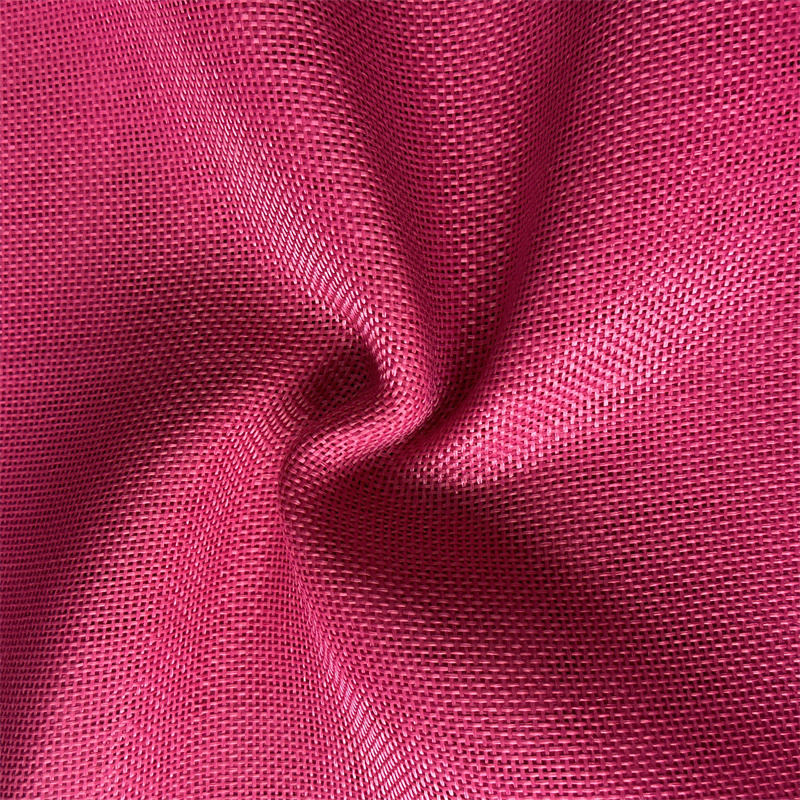
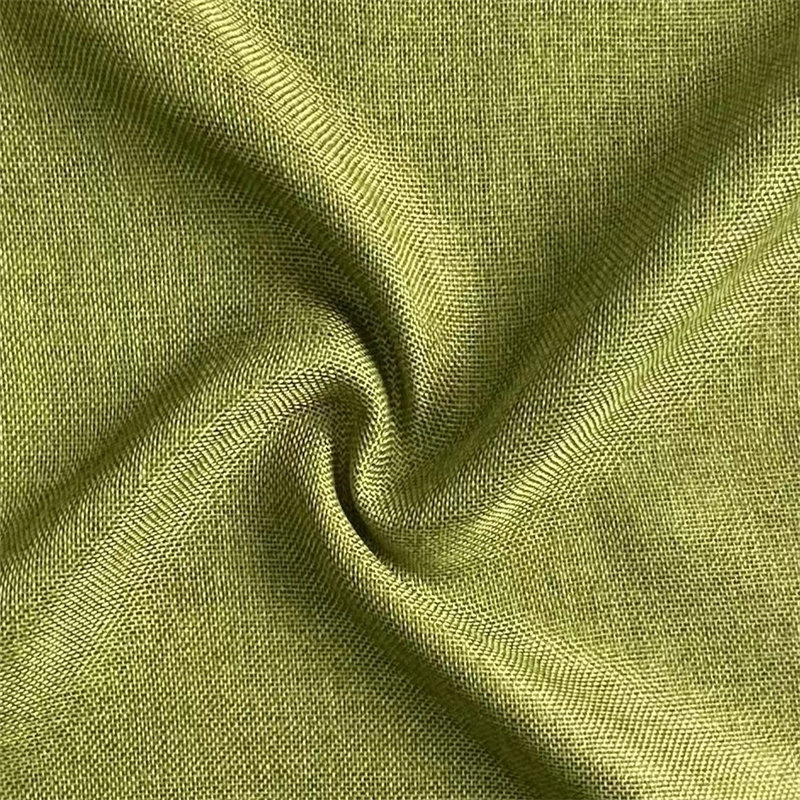
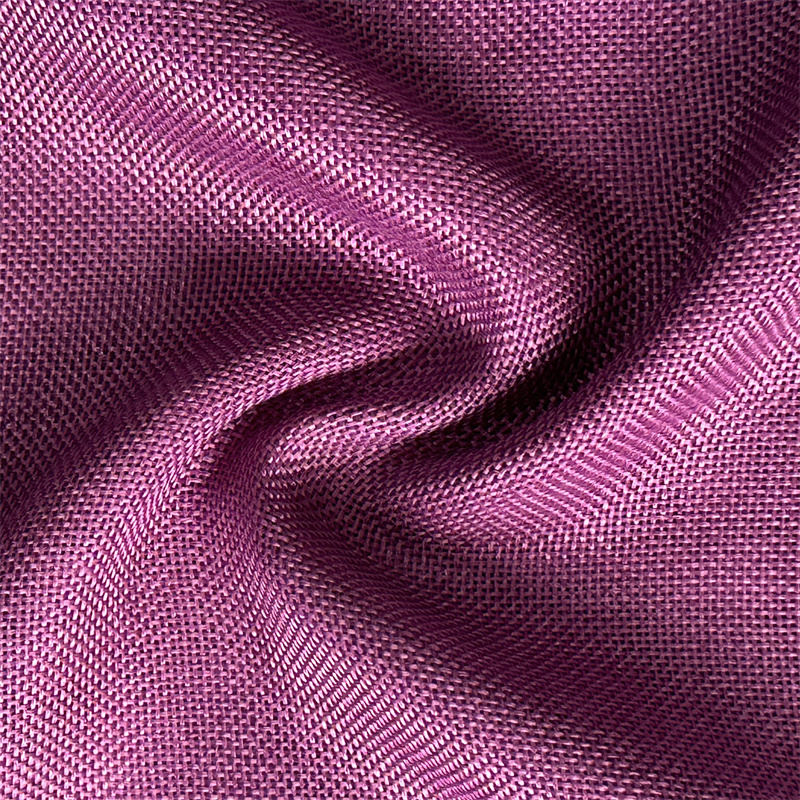
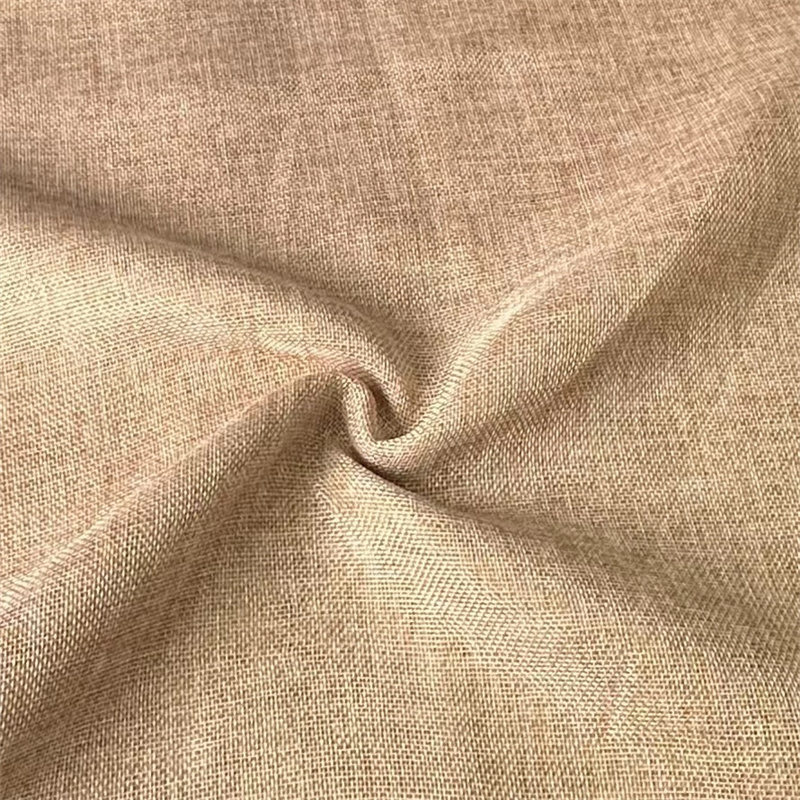
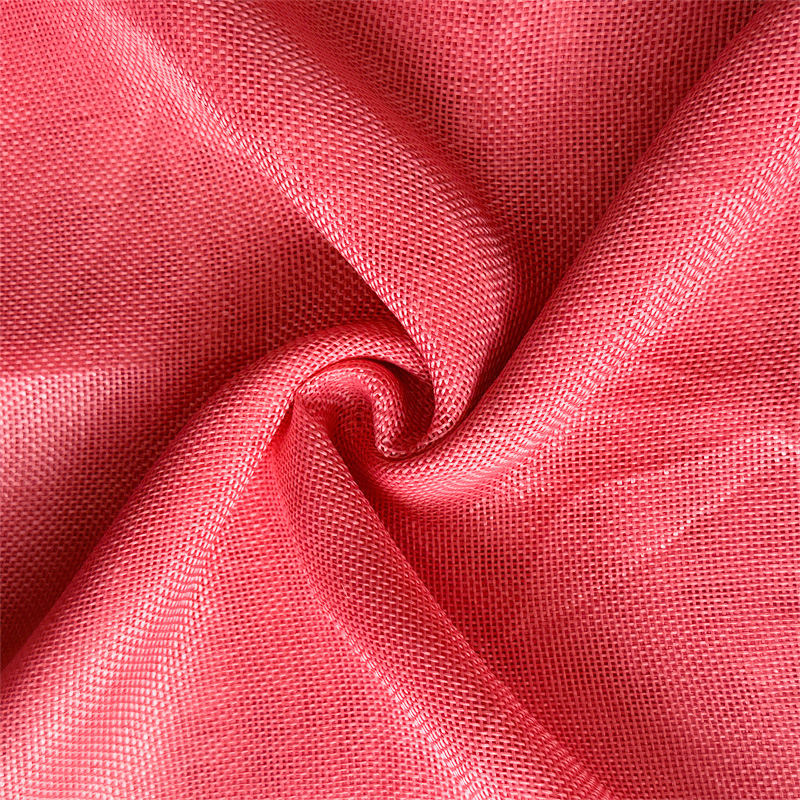
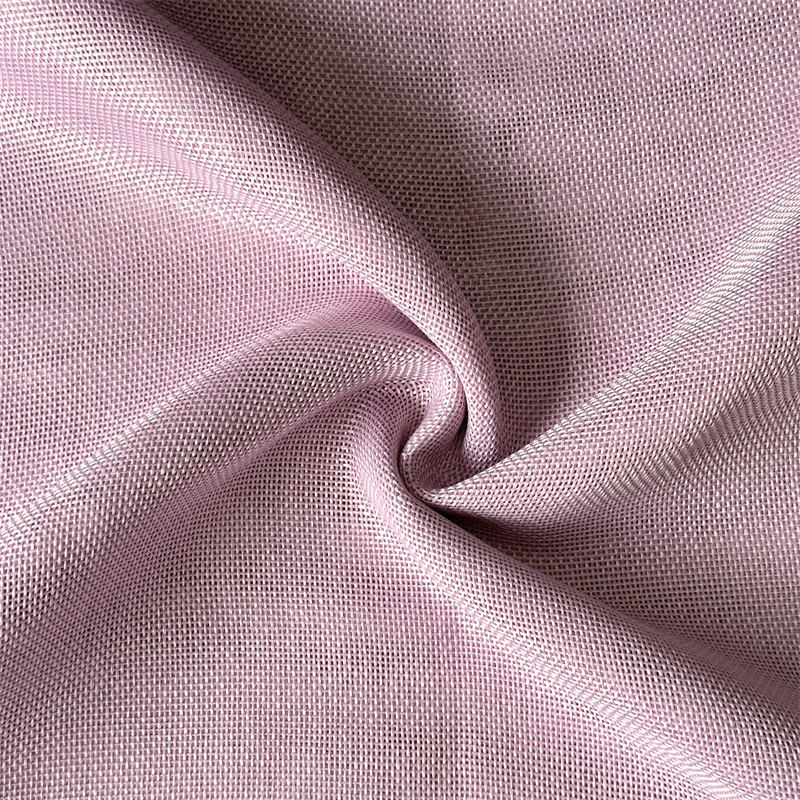
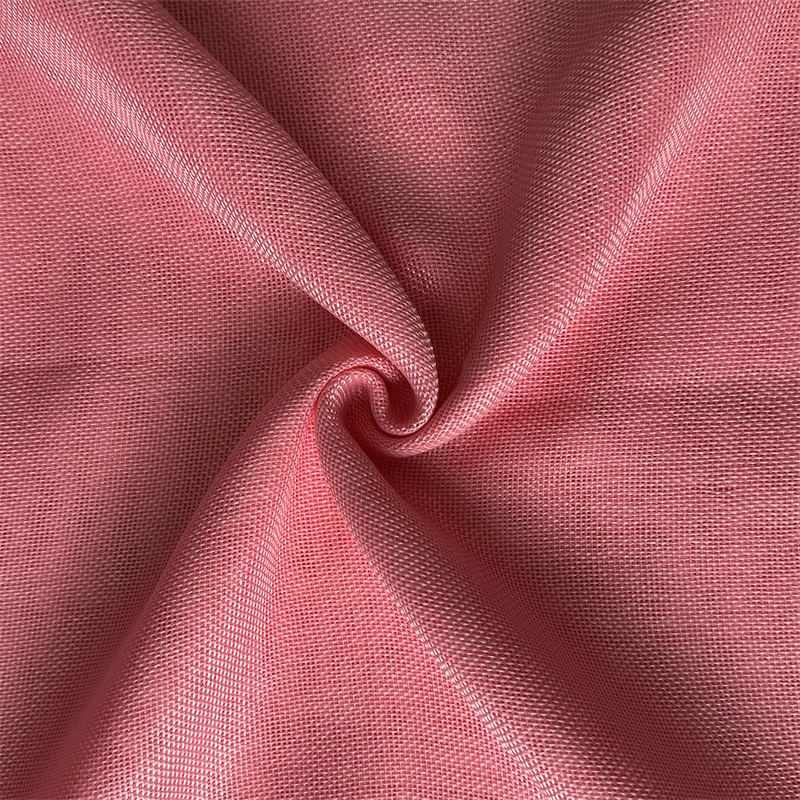
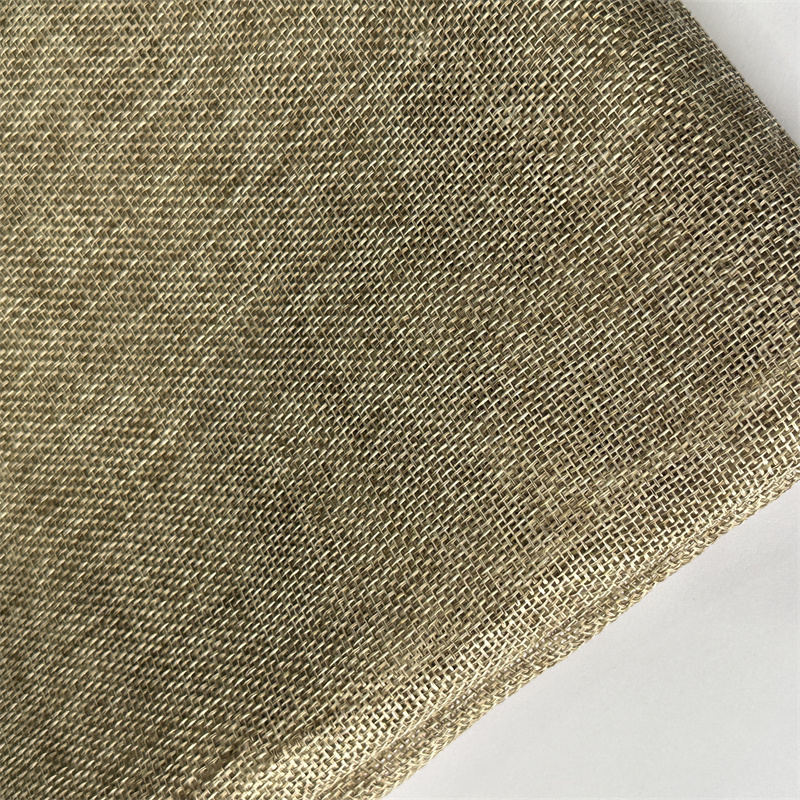
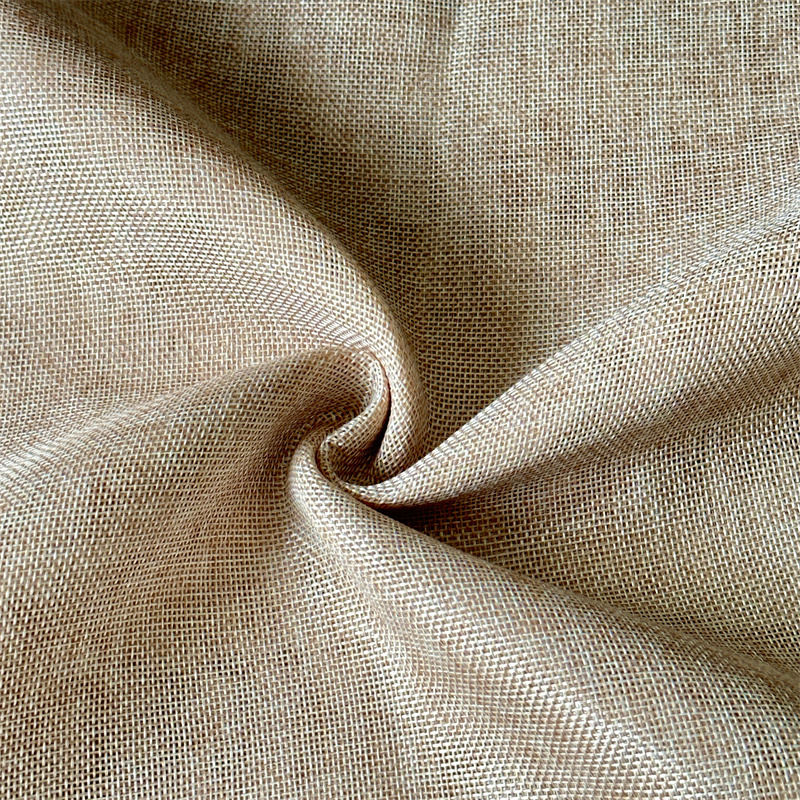
Chenille fabric is a soft, textured textile recognized for its plush feel and distinctive fuzzy surface. The name “chenille” comes from the French word for caterpillar, reflecting the fabric’s characteristic pile that resembles fine, velvety hairs. Unlike flat-woven fabrics, chenille is created using a special yarn construction that gives it depth, warmth, and a luxurious appearance.
Widely used in upholstery, home textiles, and apparel, chenille fabric is valued for its comfort and visual richness. Its ability to combine softness with durability makes it a practical choice for both decorative and functional applications across residential and commercial settings.
How Chenille Fabric Is Made
The defining feature of chenille fabric lies in its yarn construction rather than the weaving method alone. Chenille yarn is produced by placing short lengths of fiber, known as pile, between two core yarns and twisting them together. Once secured, the fibers stand out from the core, forming the soft, fuzzy surface associated with chenille.
Yarn Formation Process
During production, the pile fibers may be made from cotton, polyester, acrylic, rayon, or blends. These fibers are cut evenly to ensure uniform texture. The twisted yarn is then woven or knitted into fabric using standard textile machinery, with careful tension control to preserve pile integrity.
Weaving and Finishing
After weaving, chenille fabric often undergoes finishing treatments to enhance softness, color consistency, and durability. Brushing and shearing processes help refine the surface, while dyeing methods ensure deep, even coloration that complements the fabric’s rich texture.
Common Fiber Types Used in Chenille Fabric
Chenille fabric can be produced using a variety of fibers, each influencing performance, appearance, and maintenance requirements. Understanding these fiber options helps buyers select the most suitable material for their intended use.
- Cotton chenille: Soft, breathable, and natural in feel
- Polyester chenille: Durable, colorfast, and easy to maintain
- Acrylic chenille: Lightweight with good resistance to fading
- Blended chenille: Balanced softness, strength, and cost efficiency
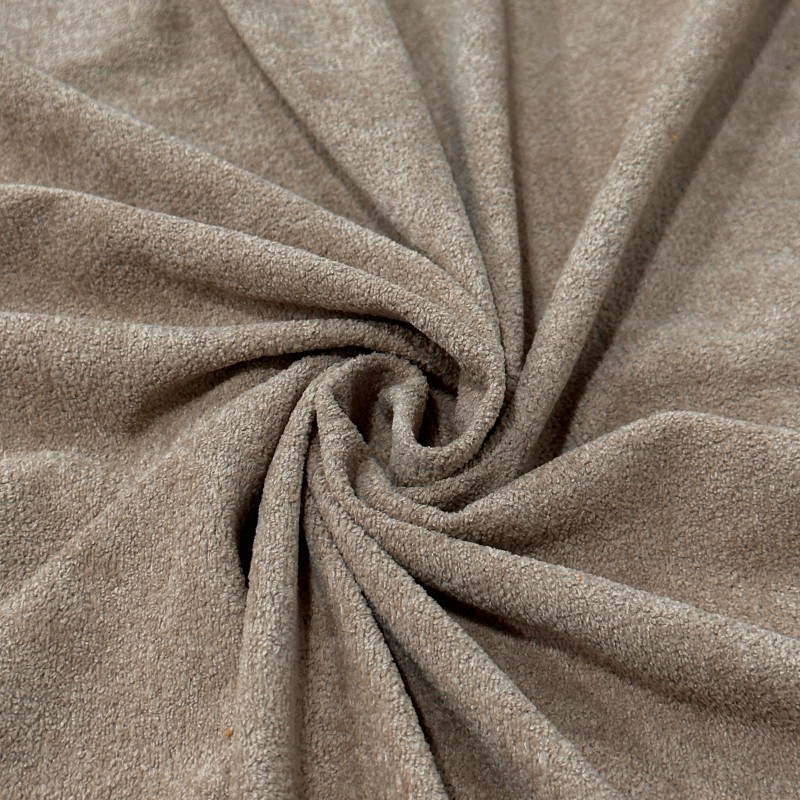
Key Characteristics of Chenille Fabric
Chenille fabric is appreciated for a combination of tactile comfort and functional performance. Its structure gives it several distinguishing characteristics that set it apart from other pile or flat-woven fabrics.
Softness and Comfort
The raised pile fibers create a plush surface that feels warm and inviting. This makes chenille fabric especially popular for upholstery, throws, and cushions where comfort is a primary concern.
Visual Depth and Texture
Chenille reflects light differently across its pile, producing subtle shading and color variation. This visual depth enhances interior spaces and adds a sense of luxury without relying on complex patterns.
Durability and Performance Considerations
Despite its soft appearance, chenille fabric can offer strong performance when properly constructed. Durability depends on fiber choice, yarn density, and backing support.
High-quality chenille used for upholstery often incorporates reinforced backing to reduce stretching and pile loss. Polyester-based chenille, in particular, performs well in high-traffic environments due to its resistance to abrasion and pilling.
Chenille Fabric vs Other Upholstery Fabrics
Comparing chenille fabric with other popular upholstery materials helps clarify its advantages and limitations in real-world applications.
| Feature | Chenille Fabric | Velvet | Plain Woven Fabric |
| Texture | Soft, fuzzy pile | Smooth, dense pile | Flat surface |
| Comfort | Very high | High | Moderate |
| Durability | Medium to high | Medium | High |
| Maintenance | Moderate | High care required | Easy |
Applications in Upholstery and Furniture
Chenille fabric is widely used in sofas, armchairs, ottomans, and headboards. Its inviting texture enhances seating comfort, while its aesthetic versatility allows it to suit both classic and contemporary interior designs.
In residential settings, chenille adds warmth to living rooms and bedrooms. In commercial spaces such as hotels and lounges, performance-grade chenille provides a balance between comfort and visual appeal.
Use of Chenille Fabric in Home Textiles
Beyond furniture, chenille fabric is commonly found in throws, cushions, bedspreads, and curtains. Its insulating properties make it suitable for cooler climates or seasonal home décor.
Decorative chenille textiles often emphasize color richness and pattern definition, leveraging the fabric’s ability to highlight woven designs through pile variation.
Care and Maintenance Guidelines
Proper care is essential to preserve the appearance and lifespan of chenille fabric. While specific instructions vary by fiber type, general maintenance practices help prevent damage and pile flattening.
- Regular vacuuming with a soft brush attachment
- Spot cleaning spills promptly with mild solutions
- Avoid excessive friction to reduce pile wear
Sustainability and Material Innovation
As sustainability becomes a priority, chenille fabric production is evolving to include recycled polyester and responsibly sourced fibers. These innovations help reduce environmental impact while maintaining performance standards.
Buyers seeking eco-conscious options should look for certifications and transparent sourcing practices when selecting chenille materials.
How to Choose the Right Chenille Fabric
Selecting the right chenille fabric involves assessing usage intensity, desired softness, color preferences, and maintenance expectations. Upholstery applications benefit from higher-density, polyester-rich chenille, while decorative uses allow for softer, cotton-based options.
By matching fabric characteristics to functional needs, designers and buyers can maximize both comfort and longevity.
Conclusion: Why Chenille Fabric Remains a Popular Choice
Chenille fabric continues to be a favored material due to its unique combination of softness, visual depth, and adaptability. Its broad range of fiber options and applications allows it to meet diverse design and performance requirements.
With proper selection and care, chenille fabric delivers lasting comfort and aesthetic value, making it a reliable choice for upholstery and home textiles alike.