

 中文简体
中文简体 Español
Content
- 1 What Defines Natural Linen Fabric
- 2 Visual and Textural Comparison
- 3 Durability and Wear Resistance
- 4 Wrinkle Resistance and Shape Retention
- 5 Care and Maintenance Requirements
- 6 Breathability and Comfort
- 7 Color Consistency and Dye Performance
- 8 Cost and Value Considerations
- 9 Environmental and Sustainability Factors
- 10 Typical Applications of Polyester Faux Linen
- 11 Side-by-Side Comparison
- 12 Is Polyester Faux Linen a Good Alternative?
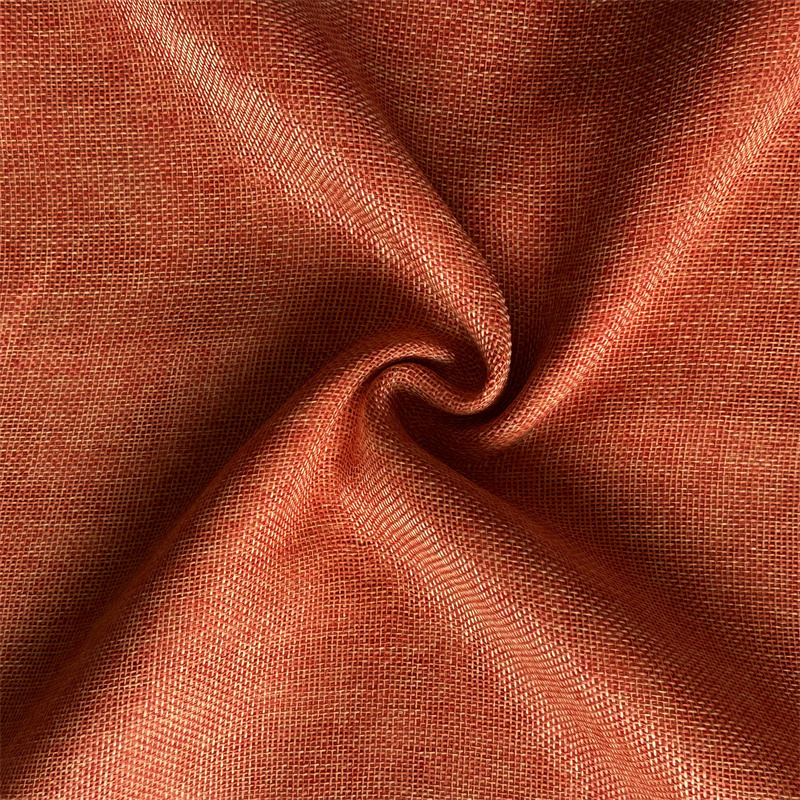
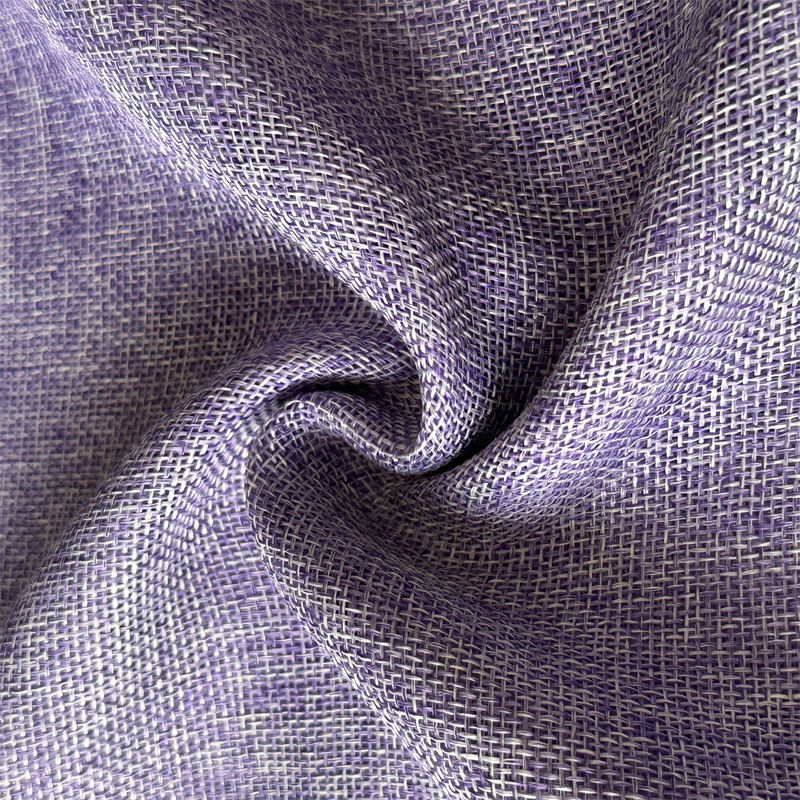
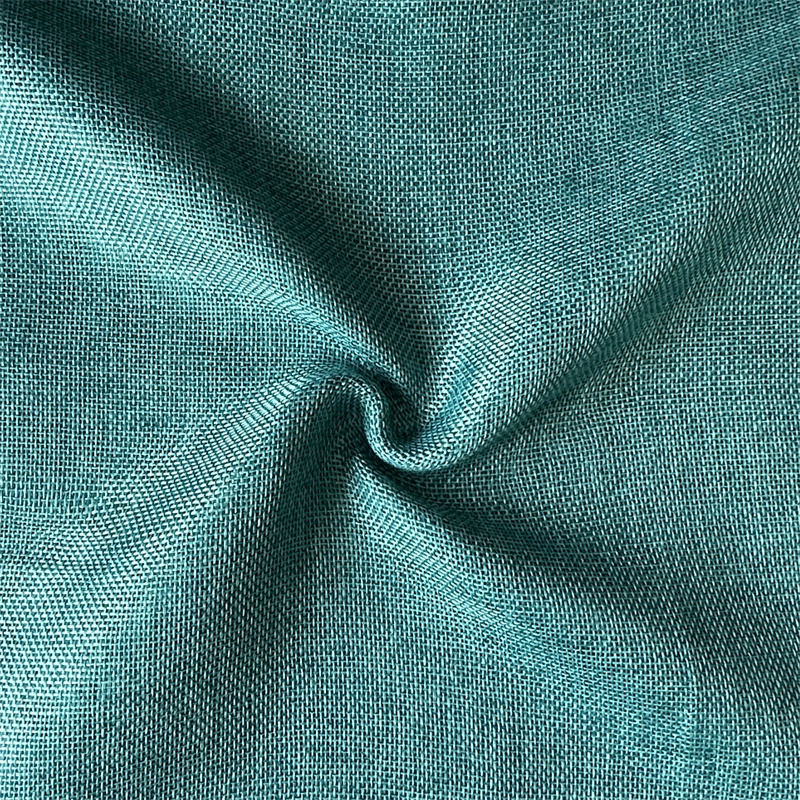
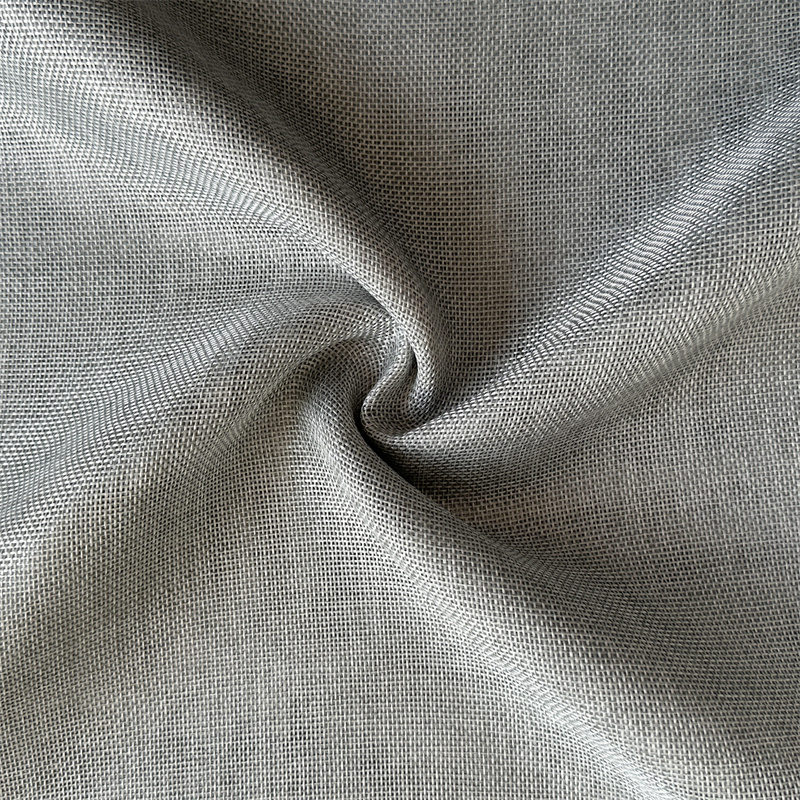
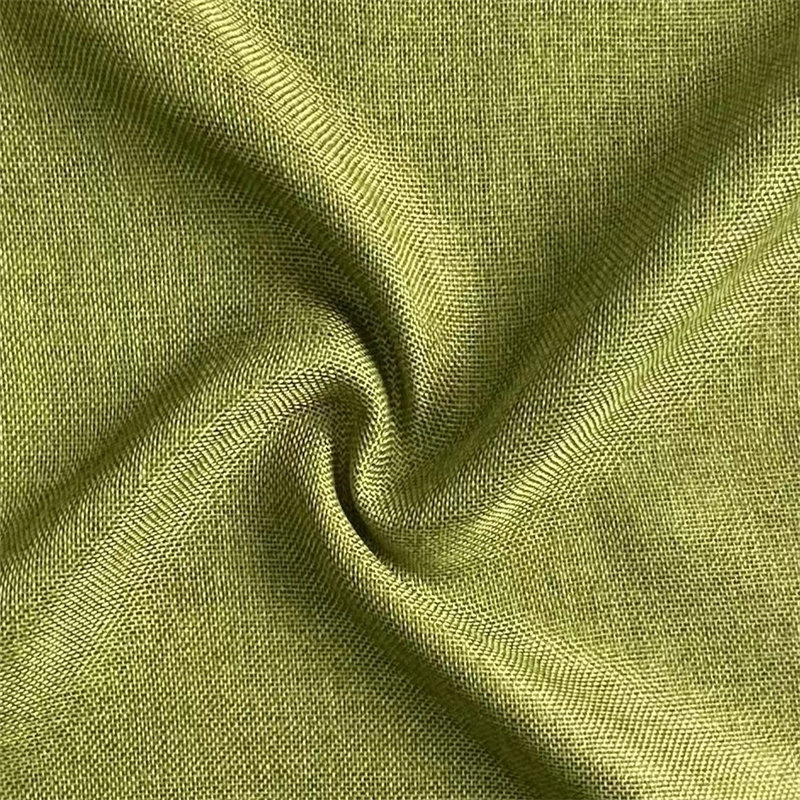
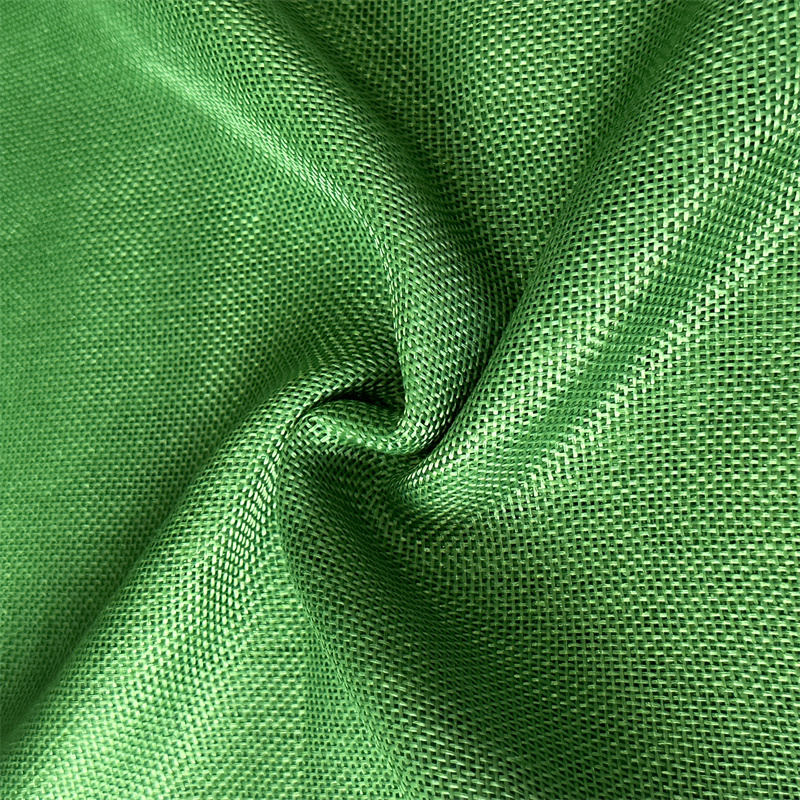
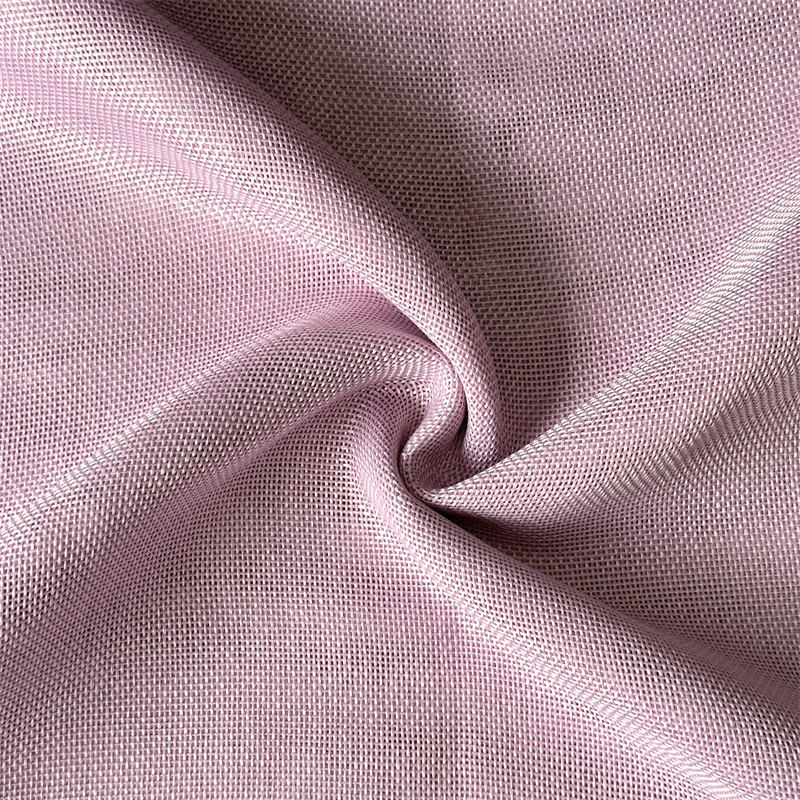
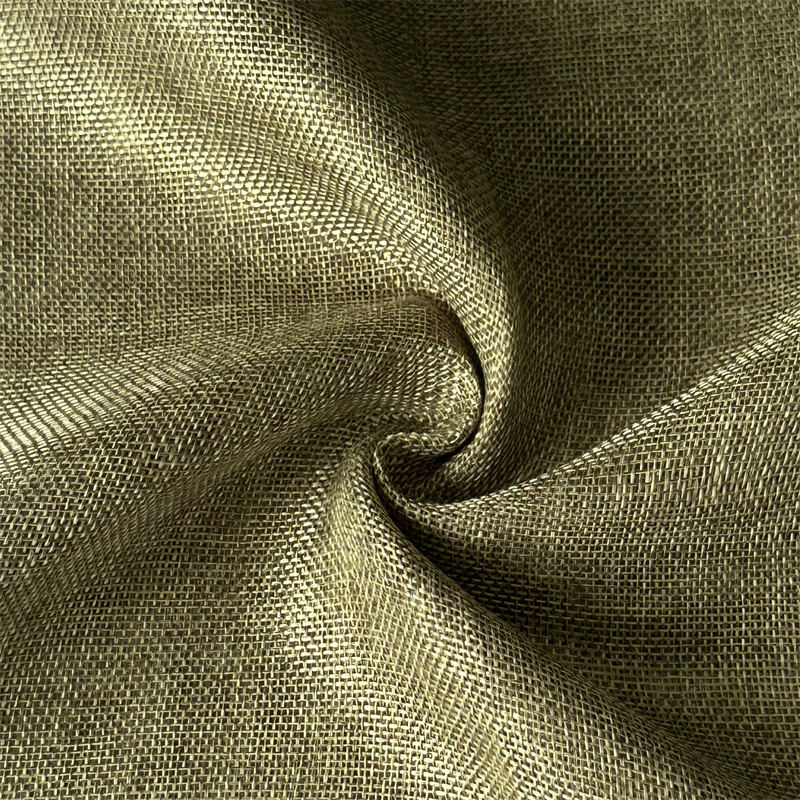
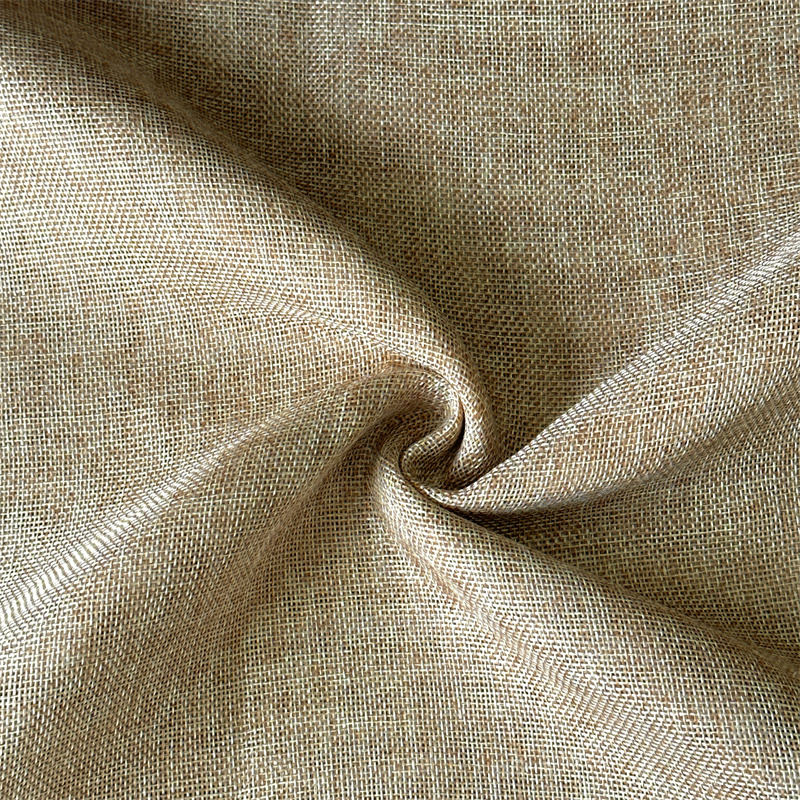
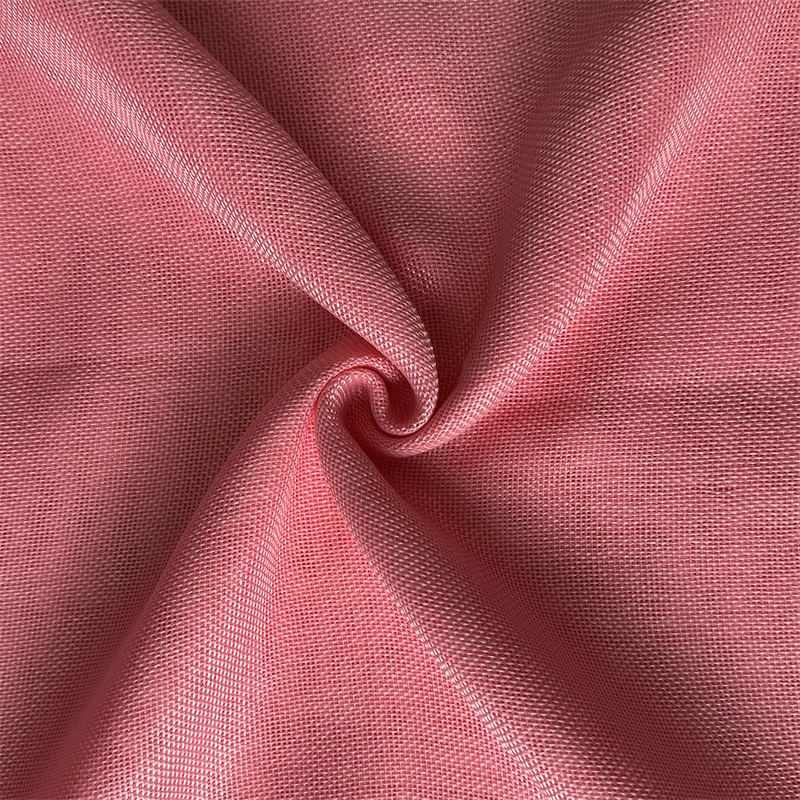
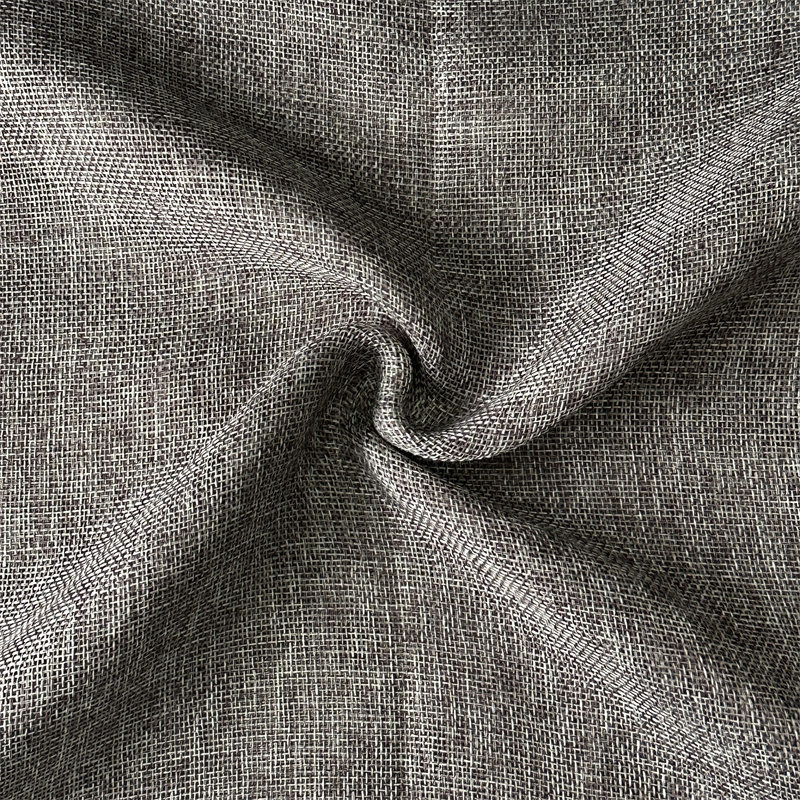
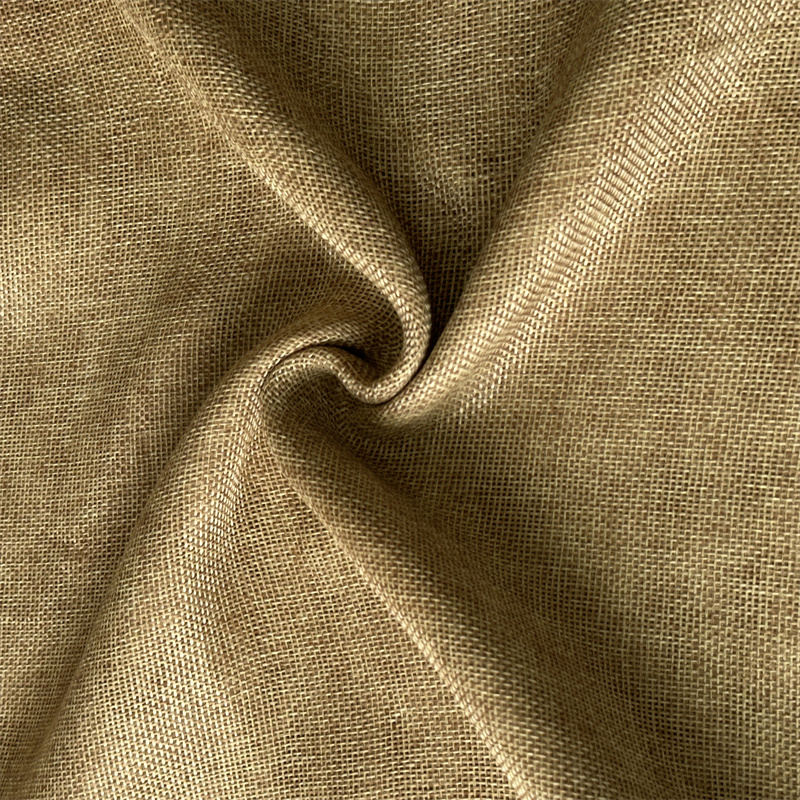
99.99% polyester faux linen fabric is a synthetic textile engineered to closely replicate the appearance, texture, and drape of natural linen. Using advanced weaving techniques and yarn texturing processes, manufacturers create a fabric that visually resembles flax-based linen while offering the performance benefits of polyester. This material has become increasingly popular in home textiles, upholstery, curtains, apparel, and commercial interiors where consistency and durability are critical.
Unlike blended fabrics, a 99.99% polyester composition ensures uniform behavior across the entire textile. This consistency allows designers and manufacturers to predict shrinkage, colorfastness, and wear resistance more accurately than with natural fibers. As a result, faux linen made from polyester is often chosen for large-scale projects and repeat production runs.
What Defines Natural Linen Fabric
Natural linen is produced from flax fibers and has been valued for centuries for its breathability, crisp hand feel, and organic texture. Linen fabric is known for its natural slubs, irregular weave, and matte appearance, all of which contribute to its premium and artisanal appeal. These characteristics make linen a favored choice for summer clothing, luxury bedding, and high-end interior decor.
However, natural linen also has inherent limitations. It wrinkles easily, can shrink if not properly treated, and often requires special care during washing and ironing. Additionally, linen production is more resource-intensive, which affects cost and availability.
Visual and Textural Comparison
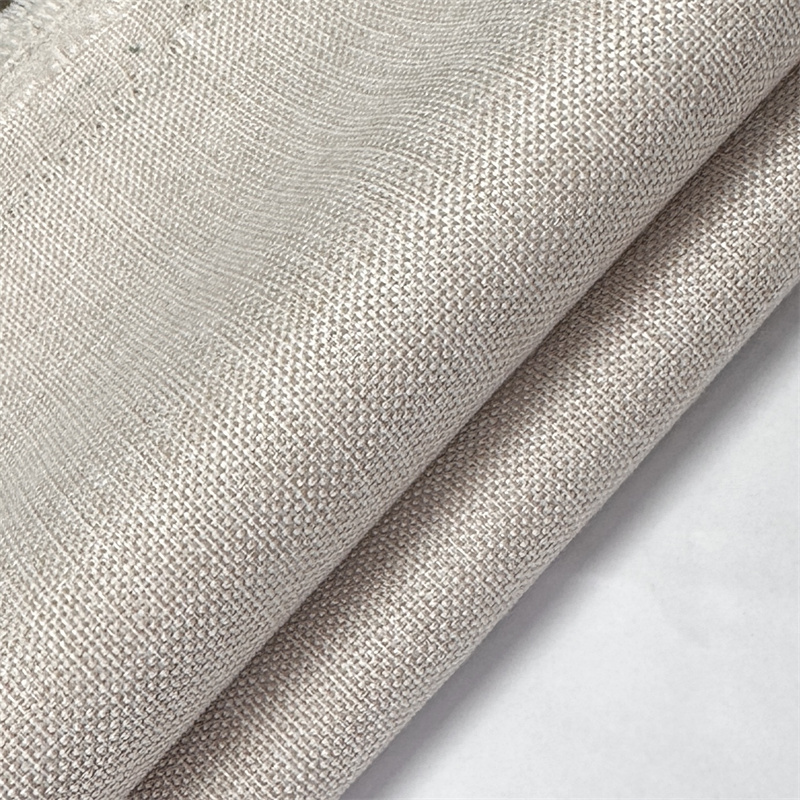
One of the primary reasons buyers consider 99.99% polyester faux linen fabric is its close visual similarity to natural linen. Modern faux linen fabrics replicate the uneven yarn thickness and subtle surface texture that characterize genuine linen. When used in curtains, sofa covers, or decorative cushions, the difference is often indistinguishable to the untrained eye.
In terms of hand feel, polyester faux linen tends to be slightly smoother and softer than natural linen. While some purists prefer the crispness of flax fibers, many consumers appreciate the softer touch of faux linen, especially in upholstery and apparel where comfort is a priority.
Durability and Wear Resistance
Durability is one of the strongest advantages of 99.99% polyester faux linen fabric. Polyester fibers have high tensile strength and excellent resistance to abrasion, making them suitable for high-traffic environments. This makes faux linen ideal for sofas, dining chairs, hotel furnishings, and commercial applications where frequent use is expected.
Natural linen, while strong for a natural fiber, tends to weaken over time with repeated washing and exposure to sunlight. Polyester faux linen maintains its structural integrity and appearance longer, especially in environments with heavy use or frequent cleaning.
Wrinkle Resistance and Shape Retention
Wrinkling is one of the most common concerns associated with natural linen. The rigid structure of flax fibers causes linen to crease easily, often requiring ironing or steaming to maintain a neat appearance. While some consider wrinkles part of linen’s charm, they are not always practical in everyday use.
In contrast, 99.99% polyester faux linen fabric offers excellent wrinkle resistance. The fabric retains its shape after sitting, folding, or washing, making it particularly suitable for curtains, table linens, and upholstery where a tidy look is preferred with minimal maintenance.
Care and Maintenance Requirements
Ease of care is a major factor when comparing faux linen and natural linen. Polyester faux linen is typically machine washable, quick-drying, and resistant to shrinking. It does not require special detergents or careful handling, which simplifies everyday maintenance for households and commercial users.
Natural linen often requires gentle washing, lower spin speeds, and careful drying to prevent shrinkage and fiber damage. Over time, improper care can lead to fabric distortion or loss of texture, increasing long-term maintenance costs.
Breathability and Comfort
Breathability is one area where natural linen traditionally excels. Flax fibers allow air to circulate freely, making linen comfortable in warm and humid conditions. This property makes linen especially popular for summer garments and bedding.
While polyester is generally less breathable than natural fibers, modern faux linen fabrics are often engineered with looser weaves and moisture-wicking finishes to enhance comfort. For most home textile and upholstery applications, the difference in breathability is minimal and rarely impacts user satisfaction.
Color Consistency and Dye Performance
Polyester faux linen fabric offers superior color consistency and dye retention. Polyester fibers bond well with disperse dyes, resulting in vibrant, long-lasting colors that resist fading from washing or sunlight exposure.
Natural linen, on the other hand, may exhibit slight color variations due to the organic nature of flax fibers. While this can add to its natural appeal, it may be less desirable for projects requiring strict color matching or uniform appearance across large production batches.
Cost and Value Considerations
Cost is a decisive factor for many buyers. 99.99% polyester faux linen fabric is generally more affordable than natural linen, both in raw material cost and finished product pricing. This affordability allows wider application across mass-market and commercial projects.
Natural linen commands a higher price due to agricultural production constraints, processing complexity, and limited supply. While it offers a premium feel, the higher cost may not always translate into better long-term value for all use cases.
Environmental and Sustainability Factors
Sustainability is an increasingly important consideration in fabric selection. Natural linen is biodegradable and derived from a renewable plant source, which appeals to environmentally conscious consumers. However, flax cultivation and processing still require water, energy, and land resources.
Polyester faux linen is petroleum-based and not biodegradable, but its durability and long lifespan can offset environmental impact by reducing replacement frequency. Additionally, recycled polyester options are becoming more common, offering a more sustainable alternative within the synthetic fabric category.
Typical Applications of Polyester Faux Linen
Due to its balanced performance and cost efficiency, 99.99% polyester faux linen fabric is widely used across various industries. Common applications include:
- Sofa and chair upholstery
- Curtains and drapery
- Decorative cushions and throws
- Table linens and runners
- Commercial interiors and hospitality projects
Side-by-Side Comparison
| Feature | Polyester Faux Linen | Natural Linen |
| Wrinkle Resistance | High | Low |
| Durability | Excellent | Moderate |
| Care Requirements | Low | High |
| Cost | Lower | Higher |
| Natural Fiber | No | Yes |
Is Polyester Faux Linen a Good Alternative?
For many applications, 99.99% polyester faux linen fabric is an excellent alternative to natural linen. It delivers a similar aesthetic while offering superior durability, easier care, and better cost efficiency. These advantages make it especially suitable for modern lifestyles, commercial use, and projects where maintenance and longevity are key considerations.
While natural linen still holds value for those who prioritize organic materials and traditional texture, polyester faux linen provides a practical and versatile solution that meets the demands of contemporary design and everyday use.