

 中文简体
中文简体 Español
Content
- 1 What Imitation Silk Fabric Actually Is
- 2 The Main Types of Imitation Silk and How They Differ
- 3 Imitation Silk vs. Real Silk: A Practical Comparison
- 4 Best Uses for Imitation Silk Fabric
- 5 How to Identify Quality Imitation Silk Before Buying
- 6 Sewing with Imitation Silk: Tips for Better Results
- 7 Caring for Imitation Silk to Extend Its Life
Imitation silk fabric has grown into one of the most popular textile categories across fashion, home décor, and craft markets worldwide. It delivers the lustrous sheen, smooth drape, and elegant appearance that silk is famous for — at a fraction of the cost and with far less demanding care requirements. But not all imitation silk is the same, and understanding the differences between fabric types, fiber compositions, and quality levels will help you choose the right material for your specific project or purchase. Whether you're a sewist, an interior designer, or simply shopping for bedding or clothing, this guide covers everything you need to know.
What Imitation Silk Fabric Actually Is
Imitation silk, also called faux silk or art silk, refers to any fabric engineered to replicate the visual and tactile qualities of natural silk without using silkworm-derived fibers. Natural silk is produced by Bombyx mori silkworms and has been prized for thousands of years for its unique combination of softness, sheen, and drape. However, it is expensive to produce, sensitive to care, and not vegan-friendly — all factors that have driven the development and wide adoption of convincing synthetic and semi-synthetic alternatives.
Imitation silk fabrics are made from a range of different fibers, each with its own performance characteristics. The most common include polyester, rayon (viscose), acetate, nylon, and cupro. In some cases, these fibers are blended together or woven with specialty techniques to enhance their silk-like qualities. The result is a broad family of fabrics that share the glossy, fluid appearance of real silk but differ significantly in terms of breathability, durability, stretch, cost, and environmental impact.
The Main Types of Imitation Silk and How They Differ
Each type of faux silk fabric has a distinct fiber base, manufacturing process, and set of performance traits. Knowing these differences is essential for matching the right fabric to your intended use.
Polyester Satin and Charmeuse
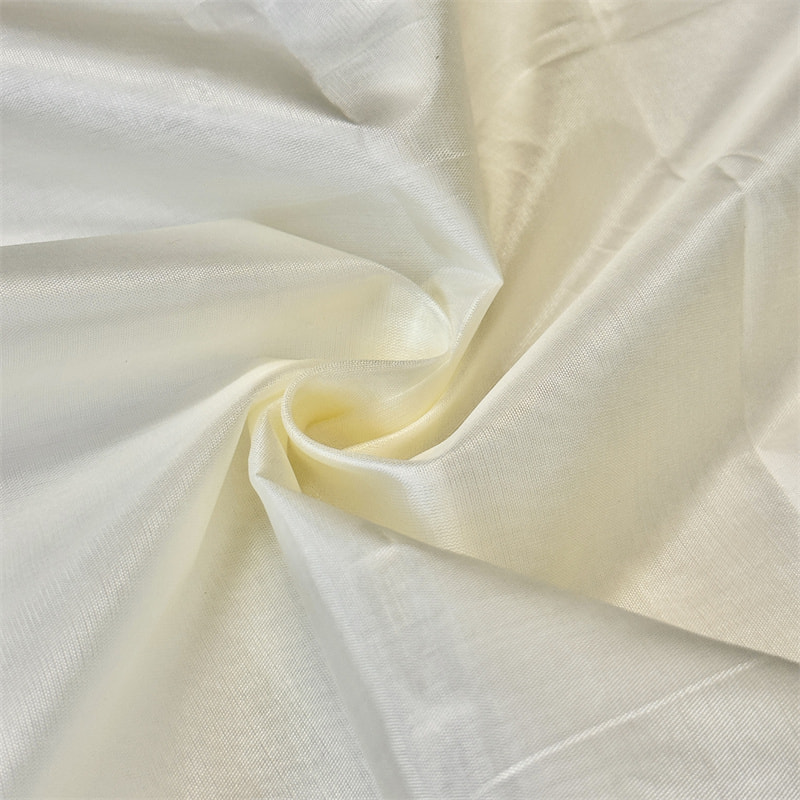
Polyester is the most widely used base fiber for imitation silk. When woven in a satin weave structure — where the warp threads float over multiple weft threads — polyester produces a brilliant, glossy surface that closely resembles silk charmeuse or silk satin. It is inexpensive, extremely durable, machine washable, and available in an almost limitless range of colors. The downside is that polyester is non-breathable and can feel clammy against the skin in warm conditions. It also has a slightly synthetic sheen that experienced eyes can distinguish from the deeper, more complex luster of real silk.
Rayon and Viscose
Rayon (also sold as viscose) is a semi-synthetic fiber made by chemically processing cellulose from wood pulp. It is often considered the closest natural alternative to silk in terms of hand feel and drape. Rayon is soft, breathable, and absorbs moisture well, making it far more comfortable against the skin than polyester. It has a subtle sheen that reads as more natural and less "plastic" than polyester satin. However, rayon is weaker when wet, prone to shrinkage, and requires more careful laundering. Modal and lyocell (Tencel) are improved generations of rayon with better strength and sustainability profiles.
Acetate
Acetate is derived from cellulose acetate and was one of the earliest imitation silk fabrics developed in the early twentieth century. It produces a bright, silk-like sheen and drapes beautifully, making it a historically popular choice for linings, evening wear, and bridal fabrics. Acetate is sensitive to heat, moisture, and certain chemicals, and it wrinkles easily. It is less commonly used today than polyester or rayon but remains a feature in vintage and formal garment construction.
Cupro
Cupro is a regenerated cellulose fiber made from cotton linter waste and is sometimes marketed as a more sustainable and luxurious alternative to other faux silks. It has an exceptionally soft, fluid drape that is often compared to silk charmeuse, and it is breathable and naturally antistatic. Cupro is more expensive than polyester and rayon but significantly cheaper than real silk. It is used in high-end fast fashion and sustainable garment lines as a lining and outer fabric material.
Nylon
Nylon is sometimes woven into silk-like fabrics, particularly for activewear, lingerie, and lightweight scarves. It is stronger and more abrasion-resistant than polyester but less commonly used as a pure imitation silk outside of specialty applications. Nylon satin is frequently used for lining athletic jackets and performance outerwear due to its durability and smooth surface.
Imitation Silk vs. Real Silk: A Practical Comparison
Understanding where imitation silk falls short — and where it actually surpasses real silk — helps you make practical decisions rather than just aspirational ones.
| Feature | Real Silk | Polyester Faux Silk | Rayon / Viscose |
| Sheen Quality | Deep, multi-dimensional | Bright, surface-level | Soft, natural-looking |
| Breathability | Excellent | Poor | Good |
| Durability | Moderate | High | Moderate |
| Care Requirements | Delicate, dry clean | Machine washable | Hand wash / gentle |
| Cost | Very high | Low | Low–Medium |
| Vegan-Friendly | No | Yes | Yes |
For most everyday applications — including garment sewing, home décor, and event styling — imitation silk performs admirably and offers real practical advantages over genuine silk in terms of washability, cost, and resilience. The gap in quality is most apparent in high-end fashion and luxury bedding, where the tactile and thermoregulating superiority of real silk is genuinely noticeable.
Best Uses for Imitation Silk Fabric
Imitation silk's versatility is one of its most compelling selling points. Its visual appeal and relatively low cost make it appropriate across a wide spectrum of applications, from everyday garments to elaborate event décor.
Fashion and Garment Construction
Imitation silk is used extensively in ready-to-wear fashion for blouses, evening gowns, lingerie, kimonos, and slip dresses. Polyester charmeuse is especially popular for flowing bias-cut garments and slip-style dresses because it drapes fluidly and holds vivid print colors extremely well. Rayon and cupro are preferred for garments where comfort and breathability are priorities — such as summer blouses and lined jackets. Both are significantly easier to source and sew with than real silk, which shifts and frays unpredictably under the needle.
Bridal and Formal Wear
Wedding dresses, bridesmaid gowns, and formal event attire frequently use polyester satin or acetate as a more affordable alternative to silk duchess satin or silk taffeta. The visual result under event lighting is often indistinguishable from real silk to untrained eyes. Polyester faux silk also photographs brilliantly, which is a meaningful consideration for weddings and formal occasions where imagery matters.
Bedding and Pillowcases
Faux silk pillowcases and sheets — typically made from polyester satin or microfiber — have become extremely popular as budget-friendly alternatives to silk bedding. They reduce friction on hair and skin during sleep, making them a practical choice for people with curly hair or sensitive skin. While they don't offer the natural thermoregulating properties of real silk, they provide the smooth surface benefit at a dramatically lower price point and with easy machine-washability.
Home Décor and Soft Furnishings
Curtains, throw pillow covers, table runners, and decorative scarves made from imitation silk add a luxurious visual quality to interiors without the fragility of genuine silk. Polyester faux silk is particularly well-suited to curtains because it is UV-resistant, washable, and holds its shape without sagging over time — properties that real silk struggles with when exposed to sunlight and humidity.
How to Identify Quality Imitation Silk Before Buying
The imitation silk market ranges from cheap, stiff polyester that looks obviously synthetic to high-quality blends that genuinely rival the appearance of real silk. Here are the key factors to evaluate before purchasing:
- Check the fiber content label: Always read what the fabric is made from. Look for rayon, cupro, or high-grade polyester for better quality. Ambiguous labels like "art silk" with no fiber details are a warning sign.
- Assess the drape: Quality faux silk should drape smoothly and fluidly when held up. Stiff or rigid fabric that doesn't flow is low-grade and will not sew or wear well.
- Evaluate the sheen: High-quality imitation silk has a rich, reflective sheen with depth. Very flat or overly mirror-like sheens suggest inferior polyester weaves.
- Feel the weight: Better faux silk has a satisfying weight and substance. Lightweight, flimsy versions tend to look cheap and won't photograph or hang as well.
- Check color saturation: High-quality imitation silk should show deep, even color across the entire piece with no streaking or patchiness in the dye application.
- Test for static: Rub a section between your fingers. Excessive static is a hallmark of low-grade polyester. Better quality fabrics have anti-static treatments or contain fiber blends that reduce this effect.
Sewing with Imitation Silk: Tips for Better Results
Imitation silk fabrics — particularly polyester charmeuse and rayon — can be slippery and challenging to cut and sew accurately. The right preparation and technique make a significant difference in the quality of the finished result.
- Use sharp, fine pins and a microtex needle (size 70/10 or 80/12) to prevent snagging and pulling the fabric threads during stitching.
- Cut on a single layer when possible and secure the fabric to the cutting surface with pattern weights rather than pins, which can distort slippery fabric.
- Use a shorter stitch length (around 1.8–2.0mm) to maintain control on lightweight, fluid faux silk fabric.
- Finish all seam allowances with a serger or narrow rolled hem, as imitation silk frays readily along cut edges.
- Press with a low to medium heat setting and always use a pressing cloth. Polyester faux silk in particular can melt or develop permanent sheen marks under a direct hot iron.
Caring for Imitation Silk to Extend Its Life
Proper care dramatically extends the life and appearance of imitation silk garments and home textiles. Unlike real silk, which almost always requires dry cleaning, most imitation silk can be laundered at home with the right approach.
- Polyester faux silk can be machine washed on a gentle cycle in cool water and tumble dried on low. Avoid high heat in both washing and drying to prevent distortion.
- Rayon and viscose should be hand washed in cool water with a mild detergent, or dry cleaned. Machine washing rayon — especially at warm temperatures — risks significant shrinkage and loss of shape.
- Store imitation silk hanging or loosely folded to avoid deep permanent creases. Keep away from prolonged direct sunlight, which can cause color fading over time.
- Treat stains promptly by blotting — never rubbing — with a clean cloth and cool water. Rubbing can permanently distort the weave structure of delicate faux silk fabrics.
Imitation silk fabric continues to evolve as textile technology advances, with newer fiber processing methods producing increasingly convincing alternatives to genuine silk. For the vast majority of practical applications — from everyday fashion to event styling and home décor — modern faux silk delivers an impressive combination of beauty, durability, and value that makes it a genuinely compelling choice in its own right, not simply a poor substitute for the real thing.