

 中文简体
中文简体 Español
Content
- 1 What Is Polyester Linen Fabric?
- 2 Key Properties That Make It Stand Out
- 3 Common Applications Across Industries
- 4 Polyester Linen vs. Pure Linen: A Practical Comparison
- 5 How to Choose the Right Polyester Linen Fabric
- 6 Care and Maintenance Tips
- 7 Sustainability Considerations
- 8 Final Verdict: Is Polyester Linen Fabric Worth It?
When it comes to choosing the right fabric for home décor, apparel, or upholstery, the options can feel overwhelming. Polyester linen fabric has quietly become one of the most sought-after textile choices among designers, DIY enthusiasts, and manufacturers alike. But what exactly makes it stand out? This article dives deep into the composition, benefits, applications, and care tips for polyester linen fabric — giving you everything you need to make an informed decision.
What Is Polyester Linen Fabric?
Polyester linen fabric is a blended textile that combines natural linen fibers with synthetic polyester. True linen is derived from the flax plant and has been used for thousands of years for its breathability and strength. Polyester, on the other hand, is a man-made fiber known for its resilience, wrinkle resistance, and affordability. When these two fibers are woven or blended together, the result is a fabric that captures the aesthetic charm of linen while addressing its key weaknesses — such as excessive wrinkling, shrinkage, and high cost.
The blend ratio can vary significantly depending on the intended end use. Common ratios include 55% linen / 45% polyester, 30% linen / 70% polyester, or even higher polyester content for budget-friendly options. Each ratio delivers a slightly different texture, drape, and performance profile, giving manufacturers and consumers flexibility to choose based on their specific needs.
Key Properties That Make It Stand Out
Understanding why polyester linen fabric has grown so popular requires a closer look at its physical and performance characteristics. The blend is engineered to preserve the best qualities of both fibers while minimizing their individual drawbacks.
Texture and Appearance
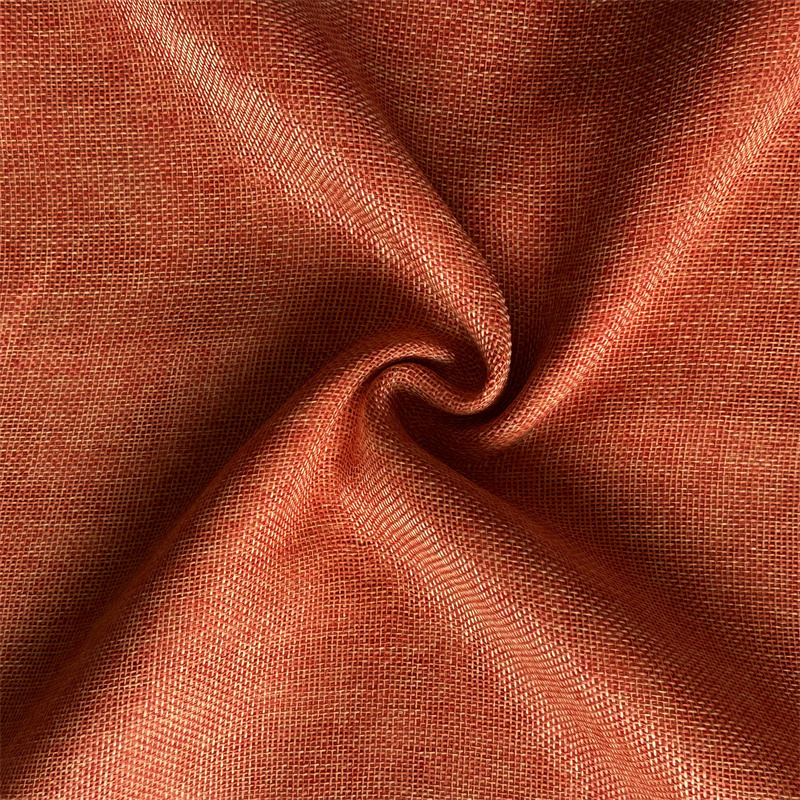
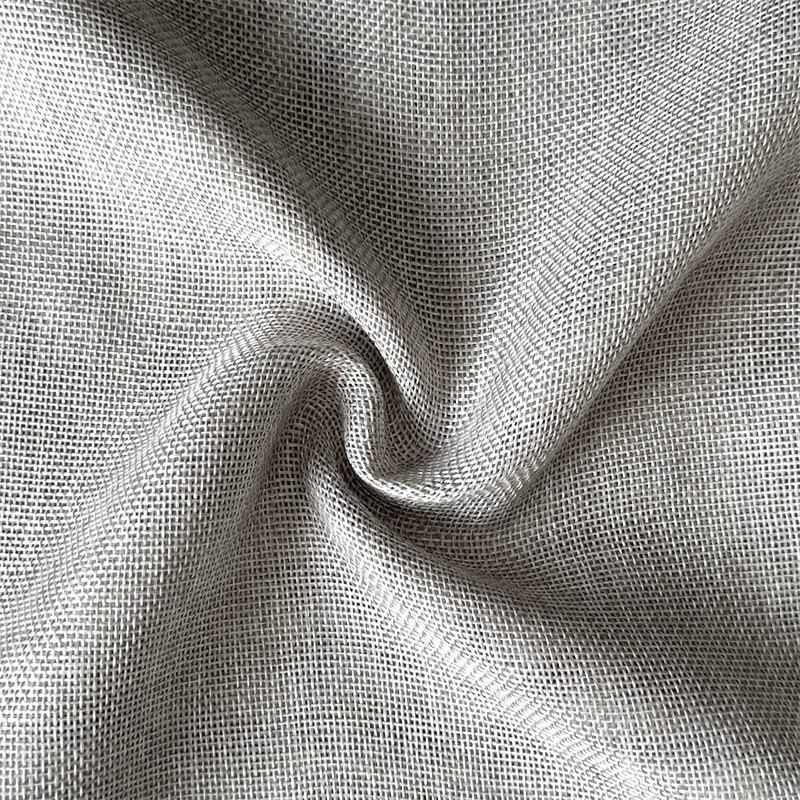
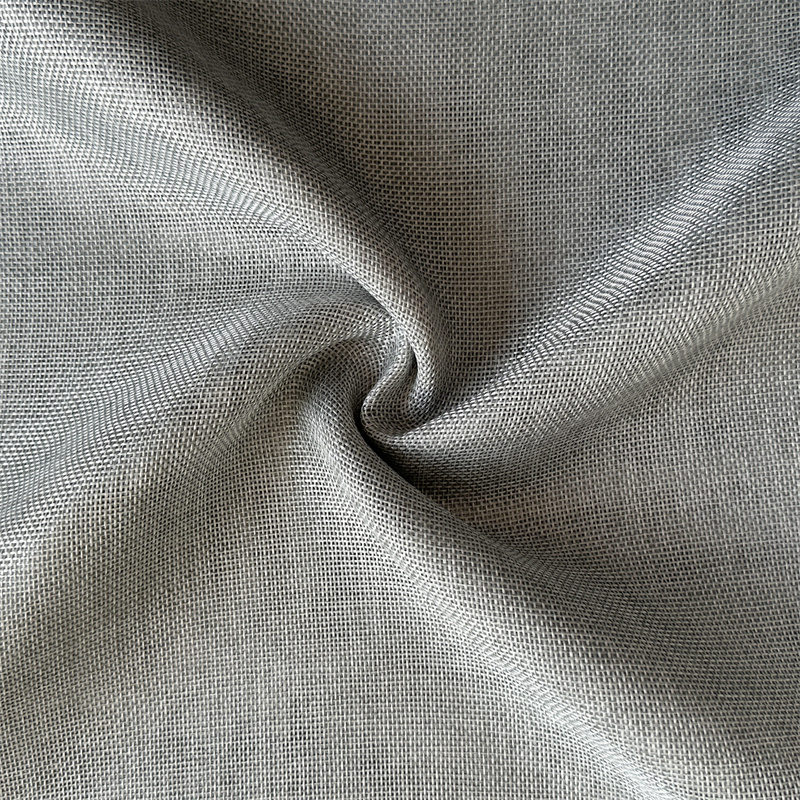
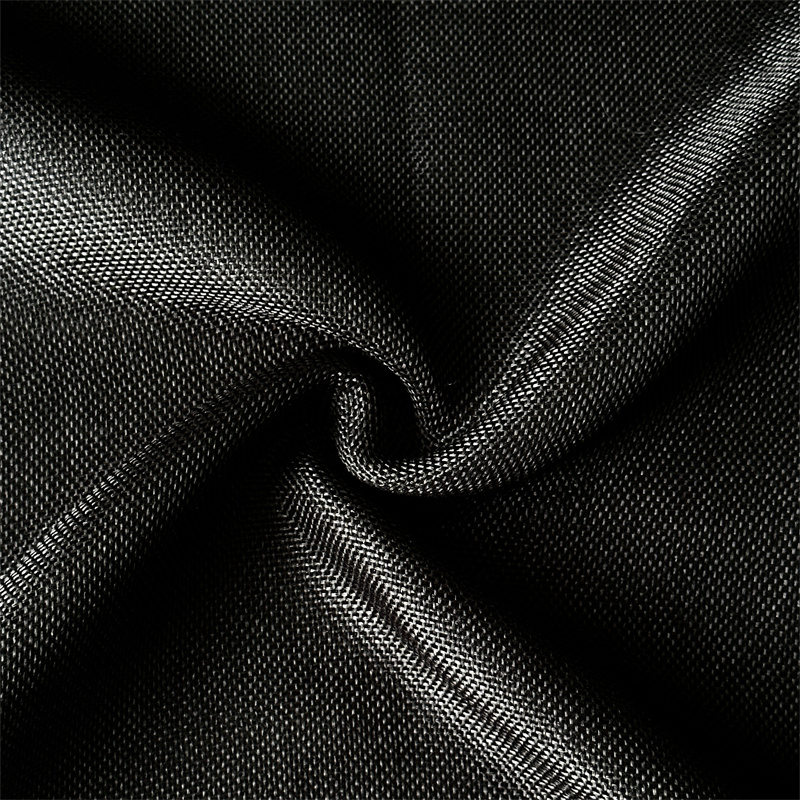
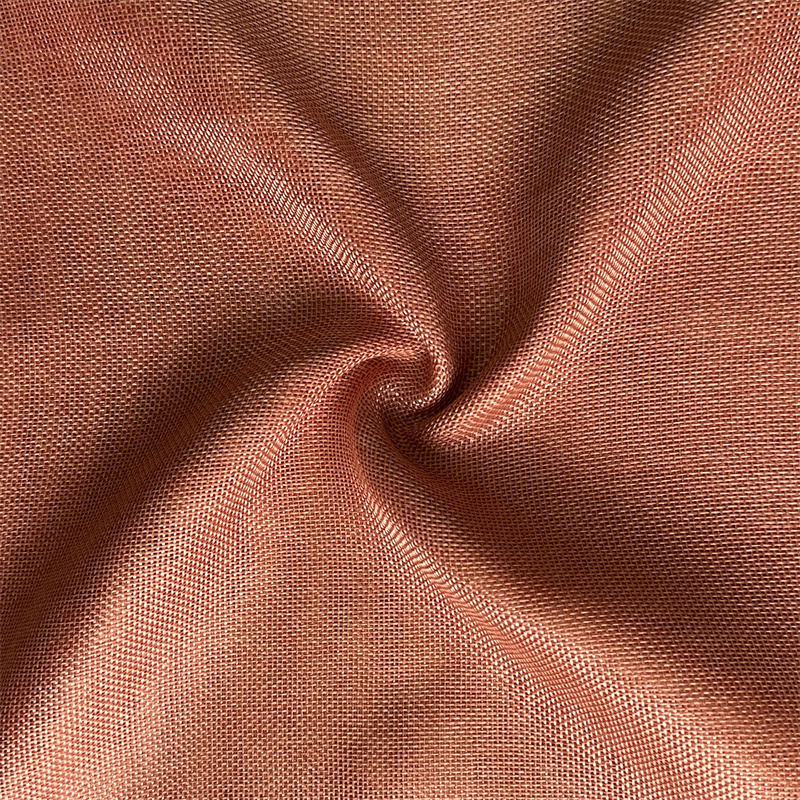
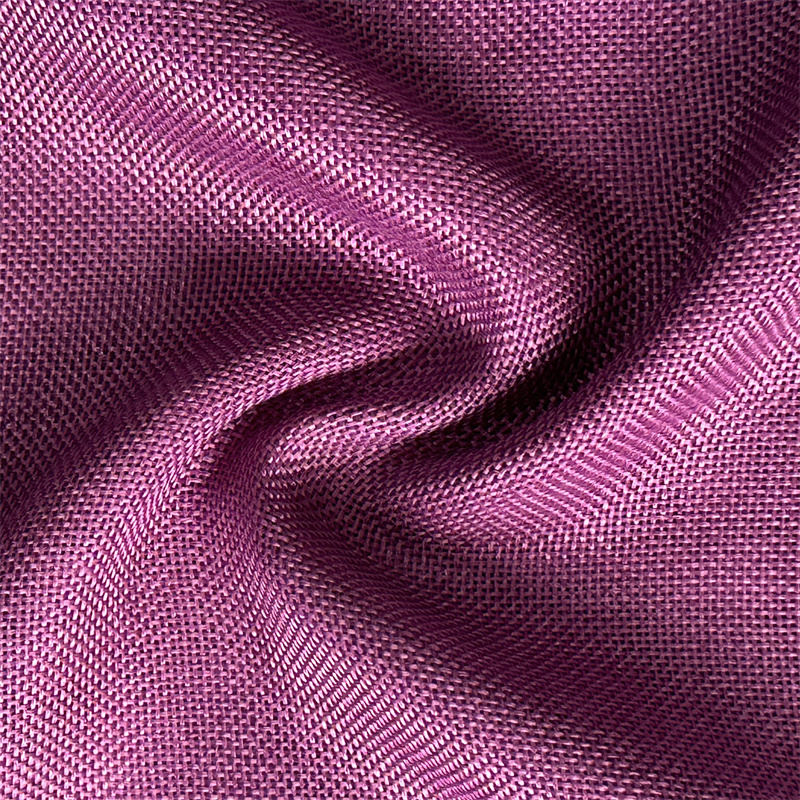
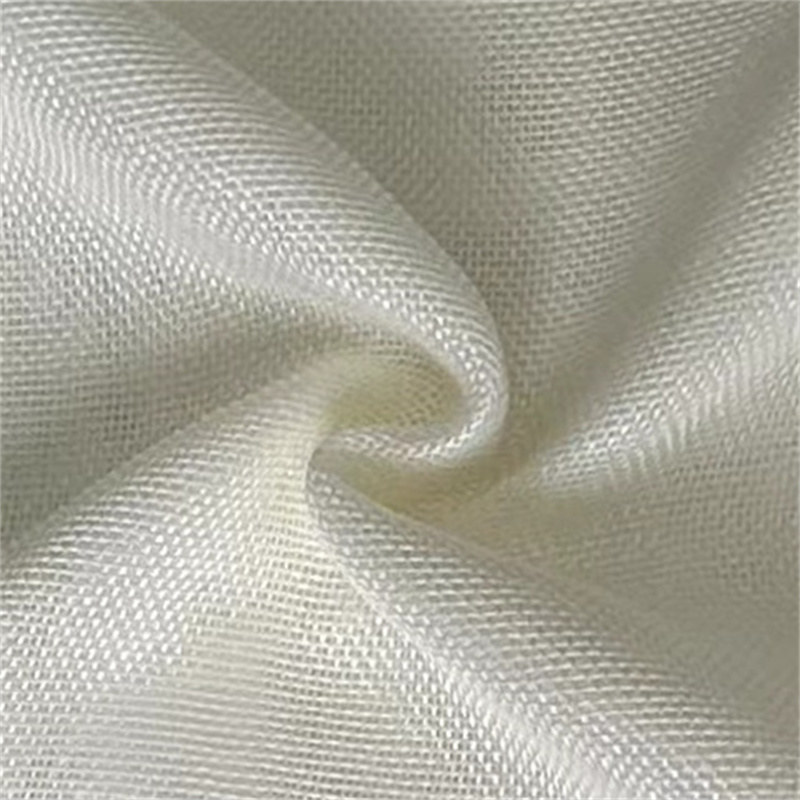
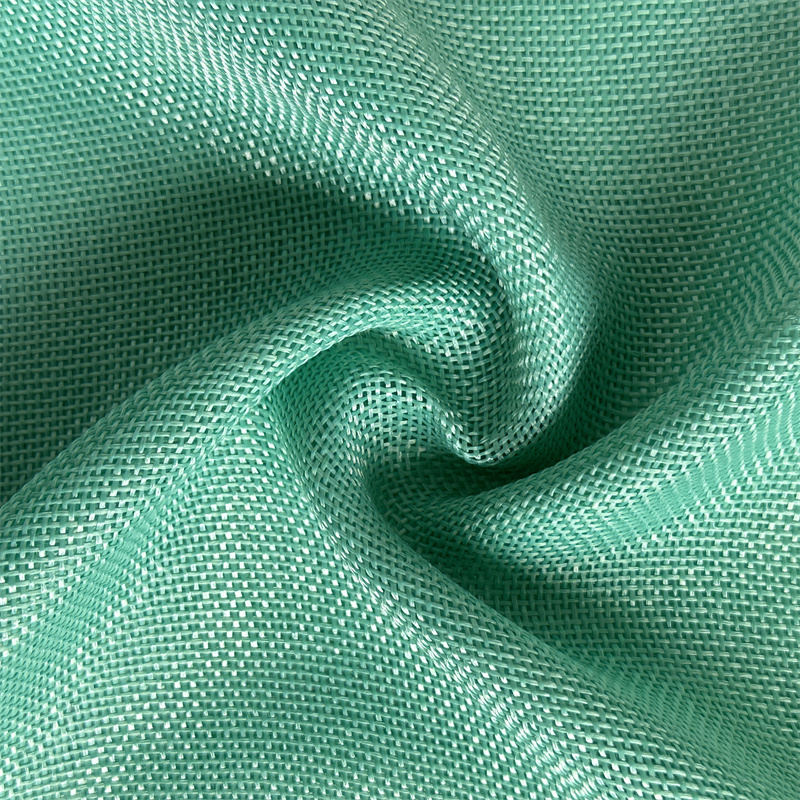
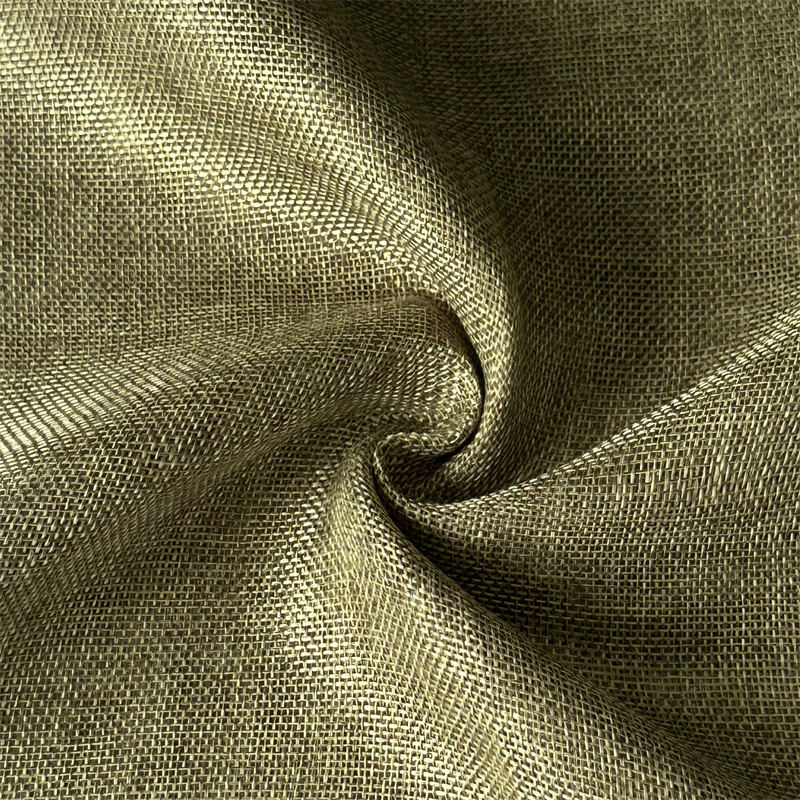
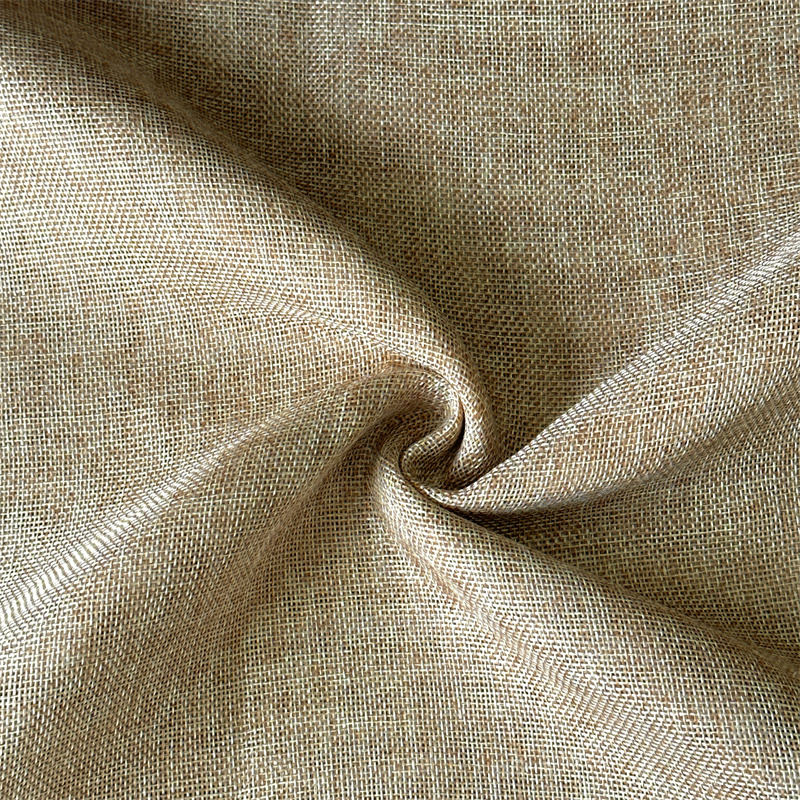
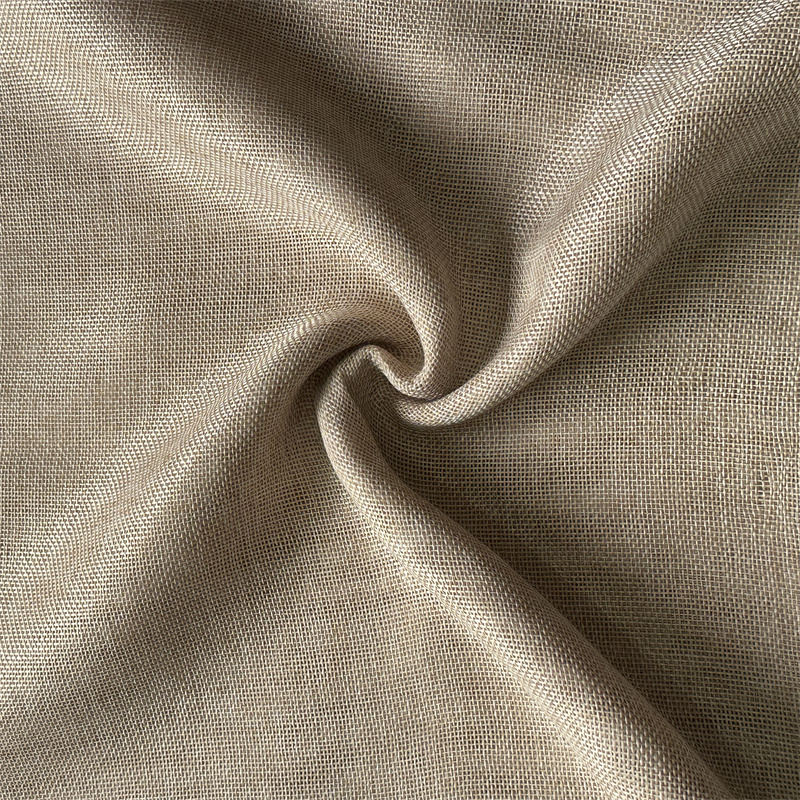
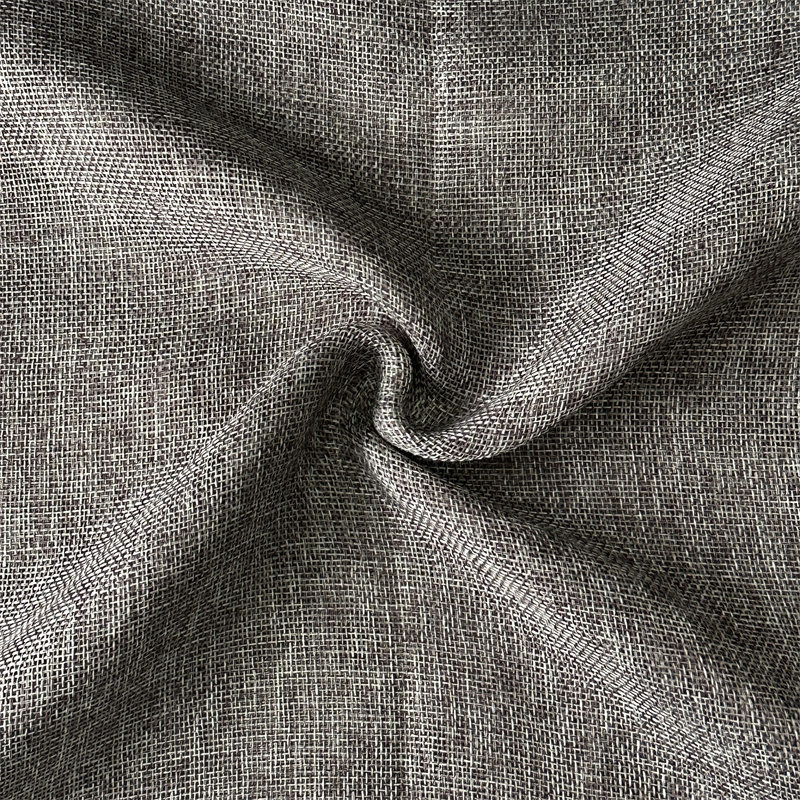
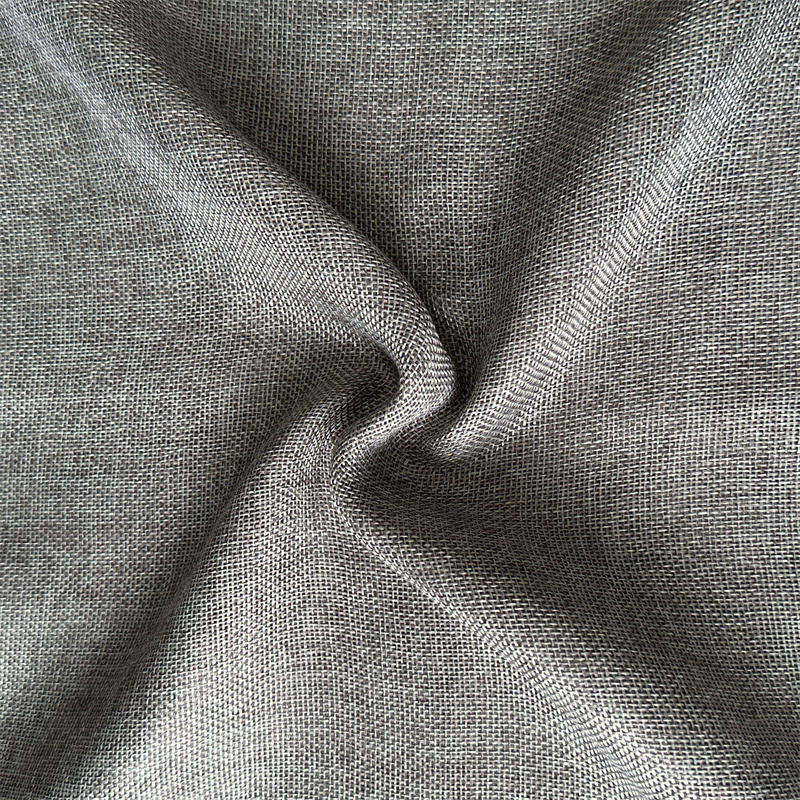
Polyester linen fabric mimics the natural, slightly textured surface of pure linen. It has a refined grain that gives it an organic, earthy appearance — ideal for achieving a sophisticated yet casual aesthetic in both interior design and fashion. The subtle slub texture characteristic of linen is retained even in high-polyester blends, making it visually indistinguishable from 100% linen in many applications.
Durability and Strength
One of the biggest advantages of adding polyester to linen is the significant boost in tensile strength. Pure linen, while strong, can become brittle and prone to tearing over time. Polyester fibers add elasticity and resistance to mechanical stress, meaning the blended fabric holds up far better under repeated use, washing, and stretching — particularly important for upholstery and heavy-use home textiles.
Wrinkle and Shrink Resistance
Pure linen is notorious for wrinkling easily and shrinking when washed improperly. Polyester linen blends dramatically reduce both of these issues. The polyester component acts as a stabilizer, helping the fabric maintain its shape and smooth appearance even after multiple washes. This property makes it especially practical for curtains, tablecloths, and garments that need to look presentable with minimal ironing.
Common Applications Across Industries
The versatility of polyester linen fabric is one of its most compelling selling points. It is used across a wide range of industries and product categories, each taking advantage of different aspects of the blend's performance profile.
- Home Décor: Curtains, drapes, throw pillow covers, and duvet covers all benefit from the fabric's natural appearance combined with easy-care properties.
- Upholstery: Sofas, chairs, and ottomans upholstered in polyester linen blend offer durability without sacrificing the premium linen look that many interior designers favor.
- Fashion and Apparel: Blazers, trousers, skirts, and lightweight summer shirts made from polyester linen are comfortable, breathable, and far easier to maintain than pure linen garments.
- Table Linens: Tablecloths, napkins, and placemats crafted from this blend resist staining and wrinkling better than natural linen alternatives.
- Bags and Accessories: Tote bags, clutches, and storage baskets made with polyester linen combine structure, style, and practicality.
Polyester Linen vs. Pure Linen: A Practical Comparison
To better understand where polyester linen fabric fits into the textile landscape, it helps to compare it directly with 100% natural linen across several performance categories.
| Feature | Polyester Linen Blend | 100% Pure Linen |
| Wrinkle Resistance | High | Low |
| Shrinkage After Washing | Minimal | Moderate to High |
| Cost | Affordable | Premium |
| Breathability | Moderate | Excellent |
| Durability | Very High | High |
| Eco-Friendliness | Moderate | High |
| Ease of Care | Easy | Moderate |
As the table clearly shows, polyester linen fabric excels in everyday practicality and cost-efficiency, while pure linen holds the edge in breathability and environmental impact. The choice between them ultimately depends on the application, budget, and how much maintenance the user is willing to invest.
How to Choose the Right Polyester Linen Fabric
Not all polyester linen fabrics are created equal. When shopping for this material, there are several factors worth evaluating to ensure you get the right product for your project.
Blend Ratio
Higher linen content (e.g., 55% or more) delivers a more authentic linen feel and improved breathability. Higher polyester content (70% or above) offers greater wrinkle resistance and lower cost. For upholstery or heavily used items, a higher polyester ratio is often the better investment. For fashion or bed linens where comfort is prioritized, a linen-dominant blend is preferable.
Weight and Weave
Fabric weight is measured in GSM (grams per square meter). Lightweight polyester linen (100–150 GSM) is ideal for curtains and summer garments. Medium-weight fabric (150–250 GSM) works well for cushion covers and table linens. Heavyweight options (250 GSM and above) are best suited for upholstery and structured bags. The weave pattern also affects texture, opacity, and drape, so examine swatches whenever possible before committing to bulk purchases.
Color and Finish
Polyester linen blends are available in a vast range of colors, from natural undyed tones to rich dyed hues. Because polyester absorbs dye differently than linen, blended fabrics sometimes have a slightly different color saturation than expected. Always request a fabric swatch before bulk ordering to confirm color accuracy. Some finishes, such as anti-pill or stain-resistant coatings, can also enhance the fabric's practical performance in specific applications.
Care and Maintenance Tips
One of the greatest advantages of polyester linen fabric is its relatively easy care compared to pure linen. However, following the right practices ensures your fabric maintains its texture, color, and structure for years.
- Machine wash on a gentle or delicate cycle using cold or warm water (not hot, to prevent the polyester from deforming).
- Use a mild detergent and avoid bleach, which can weaken fibers and cause discoloration over time.
- Tumble dry on low heat or air dry flat to maintain shape and prevent excessive shrinkage.
- Iron on a medium setting if needed, using a pressing cloth to protect the fabric surface from direct heat.
- Store folded (not hung for heavy pieces) to avoid stretching and misshaping over time.
Most polyester linen blends come out of the wash looking neat with minimal ironing required — a significant advantage for busy households and commercial applications where quick turnaround and low maintenance are priorities.
Sustainability Considerations
While polyester linen fabric offers many practical benefits, it is worth acknowledging its environmental footprint. Polyester is derived from petroleum-based products and is not biodegradable. When washed, polyester fabrics can shed microplastic fibers that enter waterways. Linen, by contrast, is a highly sustainable natural fiber — flax plants require minimal water and pesticides and are fully biodegradable.
Consumers who are environmentally conscious can take steps to offset the impact of polyester linen blends: using a microfiber laundry bag to capture shedding during washing, choosing blends with a higher linen content, and investing in quality pieces that last longer rather than disposable fast-fashion alternatives. Some manufacturers are now exploring recycled polyester (rPET) blended with linen, which significantly reduces the environmental cost of the synthetic component while maintaining all the performance advantages.
Final Verdict: Is Polyester Linen Fabric Worth It?
For most applications — from home interiors to everyday fashion — polyester linen fabric delivers an exceptional balance of aesthetics, durability, and practicality. It brings the timeless, natural look of linen to projects where pure linen would be either too expensive, too delicate, or too demanding to maintain. Whether you are a professional interior designer sourcing materials for a large-scale project, a fashion designer crafting a ready-to-wear collection, or a home crafter looking for fabric that is both beautiful and forgiving, polyester linen is a reliable and versatile choice.
By understanding the blend ratios, weight options, and proper care techniques outlined in this guide, you can confidently select and use polyester linen fabric to achieve stunning, long-lasting results in any creative or functional application.