

 中文简体
中文简体 Español
Content
What Is Chenille Fabric and Why Is It So Popular?
Chenille fabric is one of the most recognizable and beloved textiles in both home décor and fashion. Known for its distinctively soft, velvety texture and rich appearance, chenille has been a staple in upholstery, bedding, and garments for centuries. The name "chenille" comes from the French word for "caterpillar," a nod to the fabric's fuzzy, tufted surface that resembles the insect's body. Whether you're shopping for a cozy throw blanket, a plush sofa covering, or a warm sweater, chenille fabric is a material worth understanding in depth.
Its popularity stems from a unique combination of aesthetics and functionality. Chenille strikes a rare balance: it looks luxurious and feels incredibly soft against the skin, yet it is also durable enough for everyday use in high-traffic home environments. This versatility has kept chenille relevant across changing design trends and consumer preferences over generations.
How Chenille Fabric Is Made
Understanding how chenille is manufactured helps explain why it has such a distinctive feel and appearance. The production process is quite different from most standard woven or knitted fabrics, and it directly contributes to the fabric's signature pile texture.
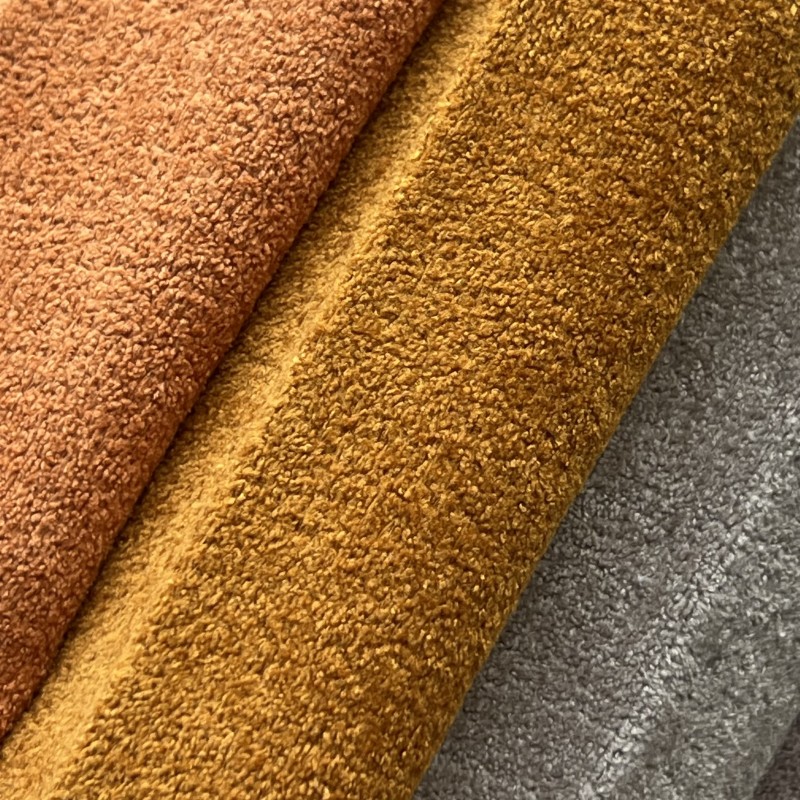
Chenille yarn is created by placing short lengths of fiber — called pile — between two core yarns and then twisting them together tightly. This traps the pile fibers at right angles to the core, creating a fuzzy, caterpillar-like yarn. When this yarn is woven or knitted into fabric, the result is a surface covered in soft, protruding fibers that catch the light and feel plush to the touch.
The pile fibers used in chenille can vary widely depending on the intended use and price point of the fabric:
- Cotton chenille — Breathable, soft, and ideal for bedroom textiles and casual garments.
- Polyester chenille — More affordable, highly durable, and resistant to fading, often used in furniture upholstery.
- Acrylic chenille — Lightweight and color-fast, commonly used in throws and decorative pillows.
- Rayon or silk chenille — Luxurious and lustrous, used in high-end apparel and decorative applications.
- Wool chenille — Warm and naturally resilient, suitable for cold-weather garments and rugs.
The fiber choice significantly affects the final fabric's weight, sheen, durability, and care requirements, so it's important to check the composition label before purchasing.
Key Properties of Chenille Fabric
Chenille fabric has a set of defining characteristics that make it stand out from other textiles. These properties determine where and how it performs best.
Exceptional Softness
The defining feature of chenille is its softness. The tufted pile creates a plush, cushioned surface that feels gentle against bare skin. This makes it a top choice for throws, robes, and upholstery where comfort is a priority.
Visual Depth and Sheen
Chenille has a subtle, directional sheen that changes slightly depending on the angle of light. Running your hand in one direction produces a darker tone, while reversing it reveals a lighter, almost shimmering quality. This visual depth gives chenille a rich, dimensional appearance that flat-woven fabrics cannot replicate.
Good Durability
When properly cared for, chenille is a durable fabric. Polyester and acrylic blends in particular are resistant to wear and abrasion, making them suitable for sofas, armchairs, and other heavily used furnishings. However, it's worth noting that chenille can be susceptible to snagging if exposed to sharp objects or rough surfaces.
Warmth and Insulation
The thick pile structure of chenille traps air effectively, providing natural insulation. This makes it especially warm and cozy, which is why chenille blankets and sweaters are particularly popular during cooler months.
Weight and Drape
Chenille tends to be heavier than many other fabrics due to its dense pile. This gives it a substantial drape that works beautifully for curtains, upholstery, and heavy throws, though it may be less suitable for lightweight garment applications.
Common Uses of Chenille Fabric
Chenille's versatility is one of its greatest strengths. It appears across a wide range of applications in both interior design and fashion.
| Application Category | Common Products | Best Fiber Type |
| Home Décor | Sofas, cushions, curtains, rugs | Polyester, acrylic |
| Bedding | Blankets, bedspreads, pillow covers | Cotton, acrylic |
| Fashion | Sweaters, scarves, robes, hats | Cotton, wool, rayon |
| Accessories | Bags, slippers, decorative trims | Polyester, silk blend |
| Craft & DIY | Yarn projects, wall hangings, tufting | Acrylic, cotton |
In interior design, chenille upholstery fabric is particularly prized for living rooms and reading nooks where comfort and visual appeal must coexist. Its ability to anchor a room's color scheme — thanks to its deep, rich hues and the way it absorbs dye evenly — makes it a designer favorite for statement furniture pieces.
Chenille Fabric vs. Other Similar Fabrics
Shoppers often confuse chenille with other plush fabrics like velvet, velour, or microfiber. While they share some aesthetic qualities, they differ significantly in construction, feel, and use case.
- Chenille vs. Velvet: Velvet has a shorter, more uniform pile cut from continuous loops on a loom, giving it a smoother, flatter surface. Chenille's pile is longer and less uniform, producing a softer, more casual look. Velvet is more formal; chenille is more relaxed and cozy.
- Chenille vs. Velour: Velour is a knitted fabric with a cut pile, making it stretchier than chenille. Chenille is woven and has less stretch, which makes it better for structured applications like upholstery.
- Chenille vs. Microfiber: Microfiber is a tightly woven synthetic fabric with a smooth, ultra-fine surface. It's more stain-resistant and easier to clean than chenille, but lacks chenille's distinctive texture and visual warmth.
- Chenille vs. Fleece: Fleece is a knitted fabric, usually polyester, that is brushed to create softness. It's lighter and less structured than chenille, making it better for activewear and casual blankets rather than furniture or formal fashion.
How to Care for Chenille Fabric
Proper care is essential to maintain chenille's soft texture and prevent damage over time. The care routine will vary slightly depending on the fiber content, but the following general guidelines apply to most chenille products.
Washing Instructions
Always check the care label first. Many chenille items can be machine washed on a gentle or delicate cycle using cold water. Avoid using hot water, as it can cause the pile to mat or the fabric to shrink. Use a mild detergent and avoid bleach or fabric softeners, which can break down the pile fibers over time.
Drying Tips
Tumble drying on a low heat setting is acceptable for most synthetic chenille fabrics. For natural fiber chenille (cotton, wool), air drying flat is strongly recommended to prevent stretching or shrinkage. Never wring chenille fabric, as this can permanently distort the pile and shape of the item.
Ironing and Steaming
Chenille should generally not be ironed directly, as the heat and pressure can flatten the pile permanently. If wrinkles need to be removed, use a garment steamer held a few inches from the surface, or place a pressing cloth between the iron and the fabric and use the lowest heat setting available.
Dealing With Shedding and Pilling
New chenille items may shed loose fibers during the first few washes — this is normal and will diminish over time. If pilling occurs, use a fabric shaver or lint roller to gently remove the pills without pulling on the fabric. Avoid using hook-and-loop fasteners (like Velcro) near chenille, as they are particularly prone to catching and pulling the pile.
Tips for Buying Quality Chenille Fabric
Not all chenille is created equal. When purchasing chenille fabric or products, keep these practical considerations in mind to ensure you're getting good value and performance.
- Check the pile density: Higher-quality chenille has a denser pile that feels more substantial and wears better over time. Thin or sparse pile is a sign of lower quality.
- Examine the backing: For upholstery chenille, a tightly woven backing adds stability and prevents stretching. Look for fabrics with a reinforced or double-woven backing.
- Consider the fiber blend: A blend of natural and synthetic fibers often offers the best of both worlds — the softness of cotton or rayon with the durability of polyester.
- Assess colorfastness: Rub a white cloth against the fabric. If significant color transfers, the dye may not be set properly and could bleed in the wash.
- Request a sample: When buying chenille for upholstery or large projects, always request a fabric swatch first to assess texture, color accuracy, and how it responds to light in your specific space.
Chenille fabric continues to earn its place in homes and wardrobes around the world because it delivers on its core promise: a material that looks beautiful, feels exceptional, and holds up to the demands of daily life. By understanding its construction, properties, and care needs, you can make smarter purchasing decisions and enjoy chenille products for years to come.