

 中文简体
中文简体 Español
Content
- 1 What Polyester Linen Fabric Actually Is
- 2 Key Properties of Polyester Linen Fabric
- 3 Common Uses of Polyester Linen Fabric
- 4 How to Identify Quality Polyester Linen Fabric
- 5 Washing and Care Instructions for Polyester Linen
- 6 Sewing Tips for Working with Polyester Linen
- 7 Environmental Considerations of Polyester Linen Blends
Polyester linen fabric has become one of the most widely used textile blends in both fashion and home furnishings. It combines the classic, textured appearance of natural linen with the practical performance characteristics of polyester — creating a fabric that looks refined but handles everyday use with far less fuss. Whether you're shopping for upholstery fabric, planning a sewing project, or sourcing material for curtains and tablecloths, understanding exactly what polyester linen is and how it behaves will help you make a smarter, more informed purchase.
What Polyester Linen Fabric Actually Is
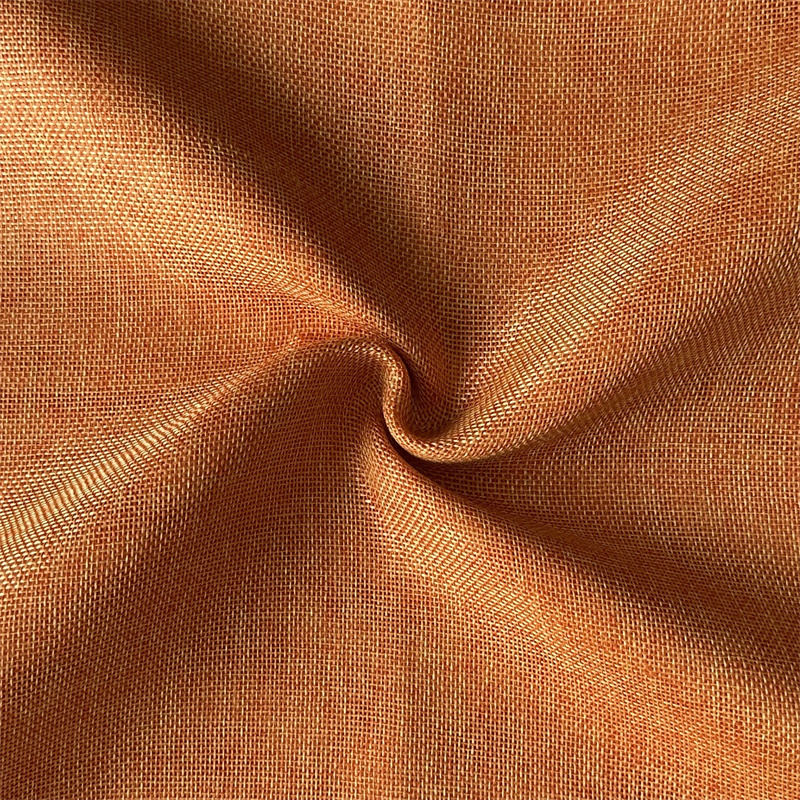
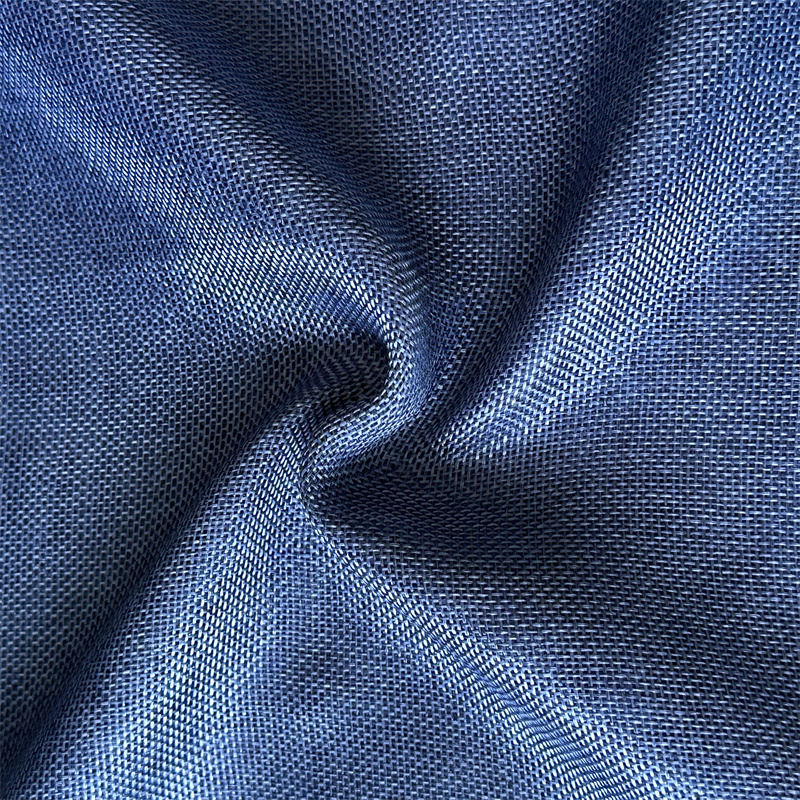
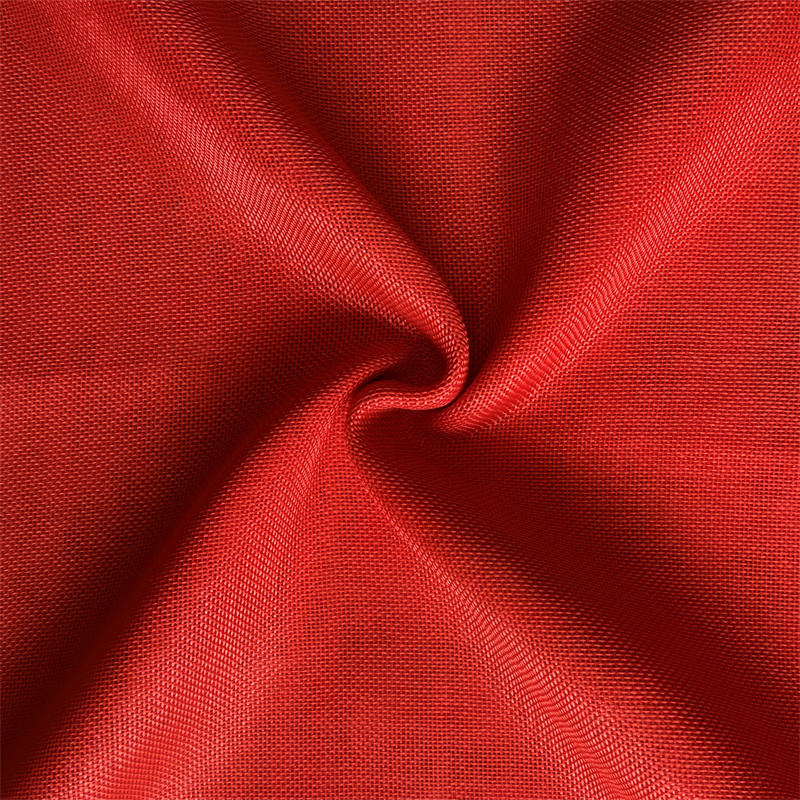
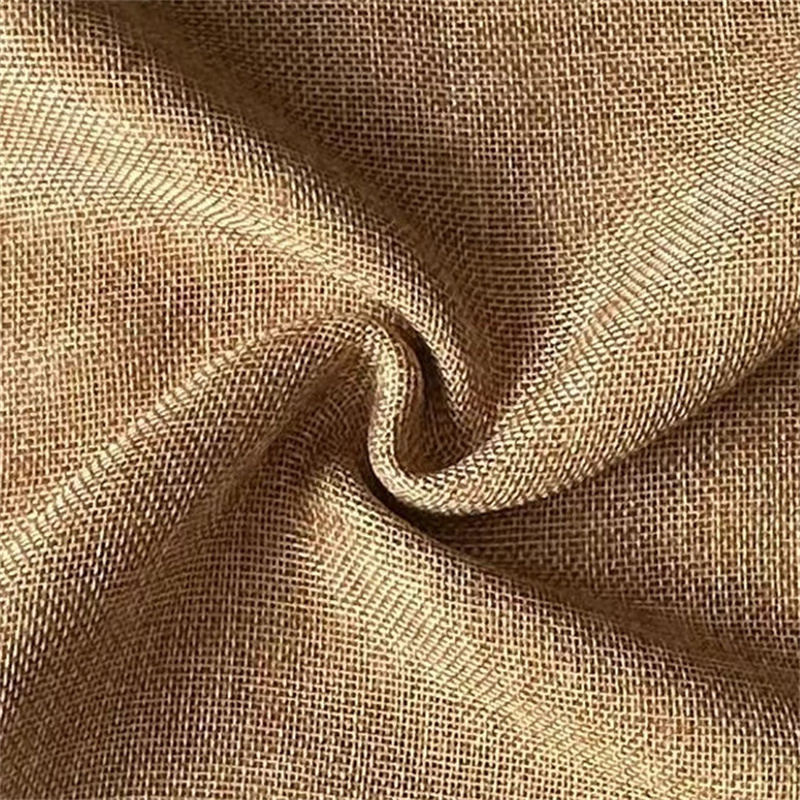
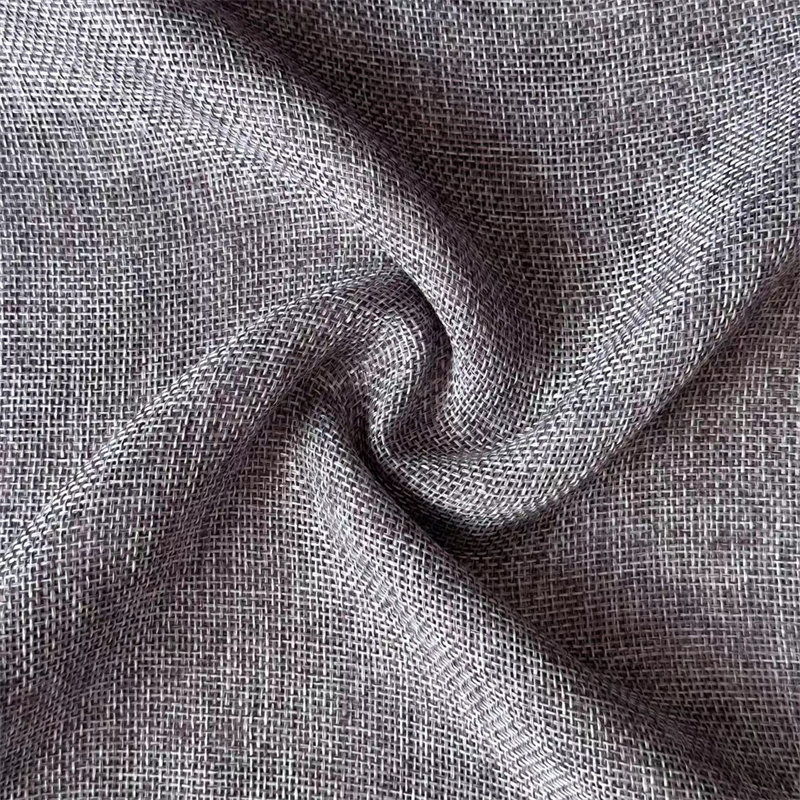
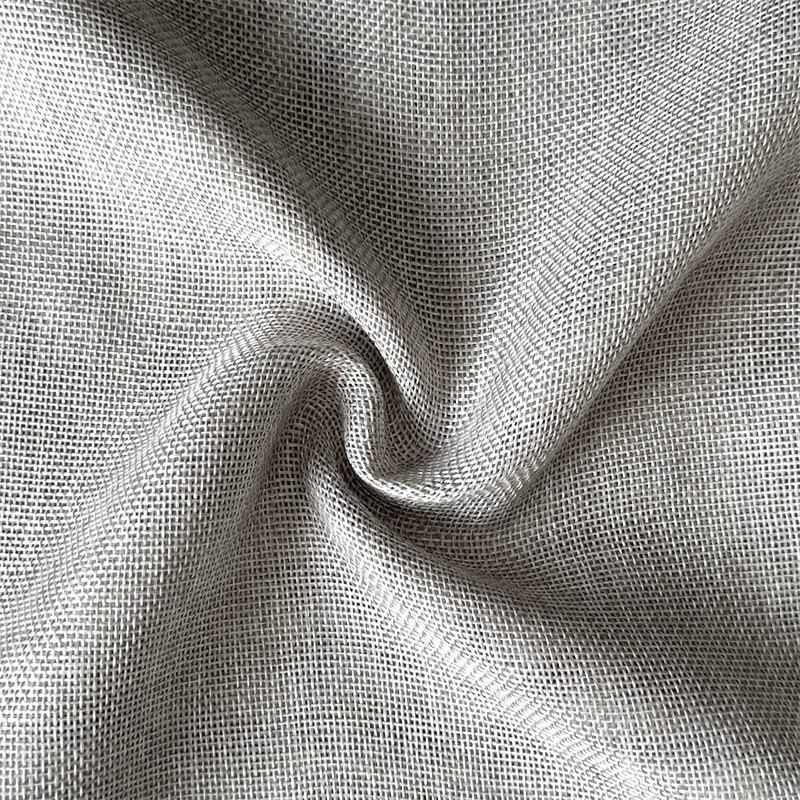
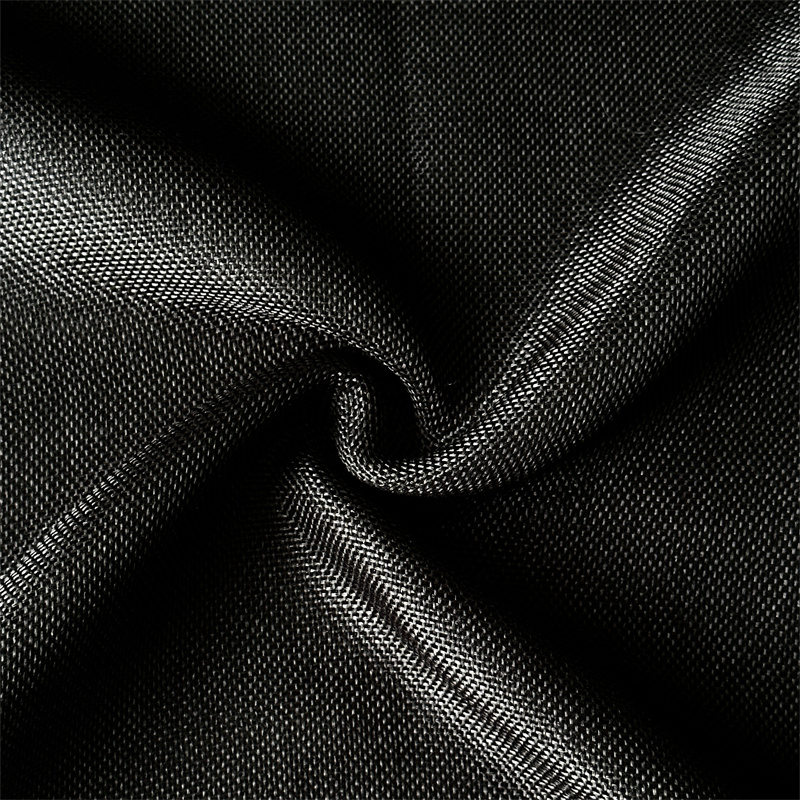
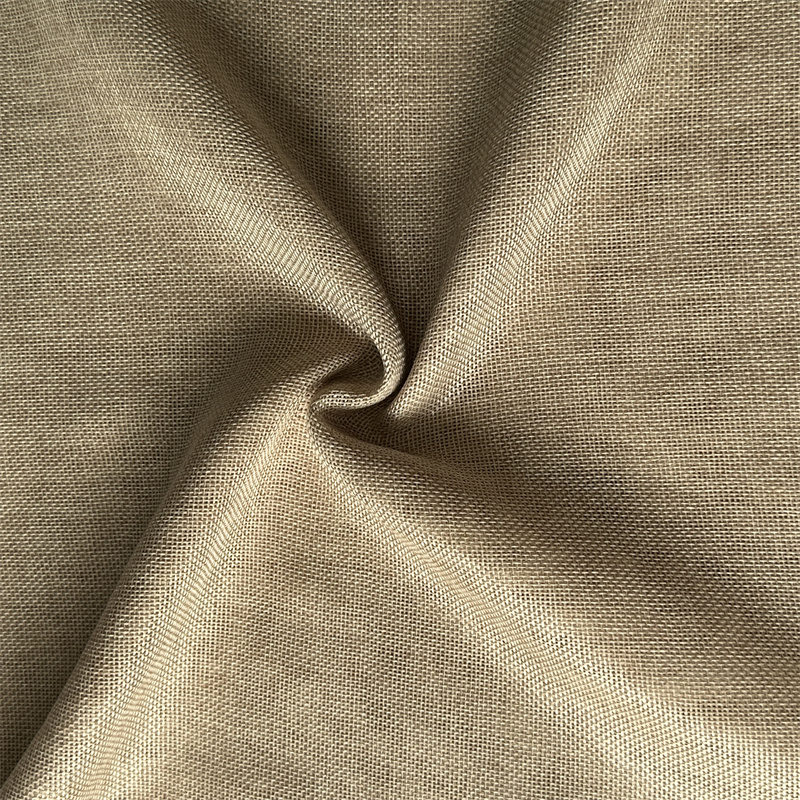
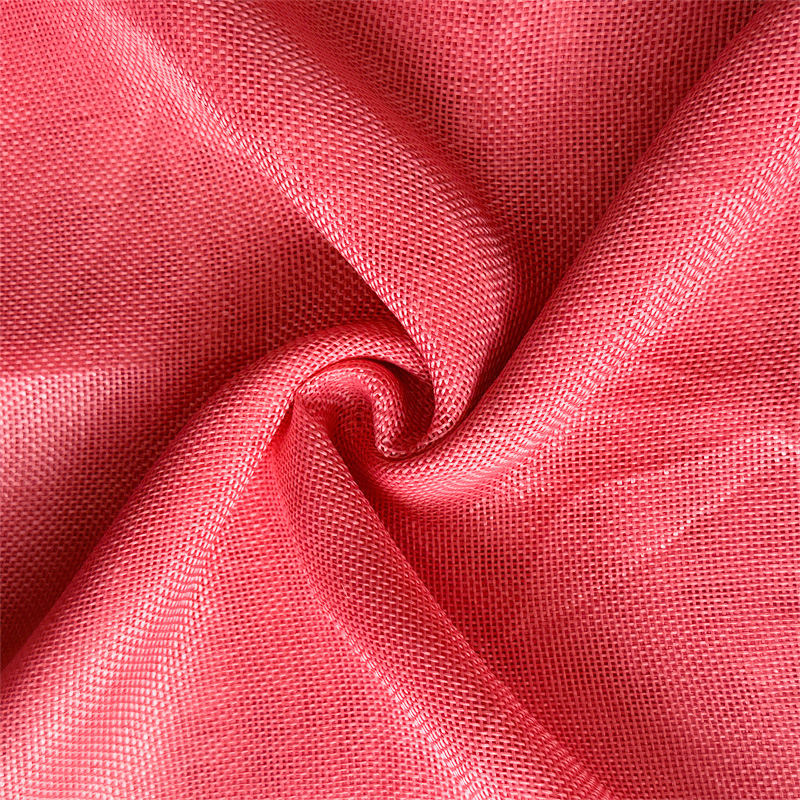
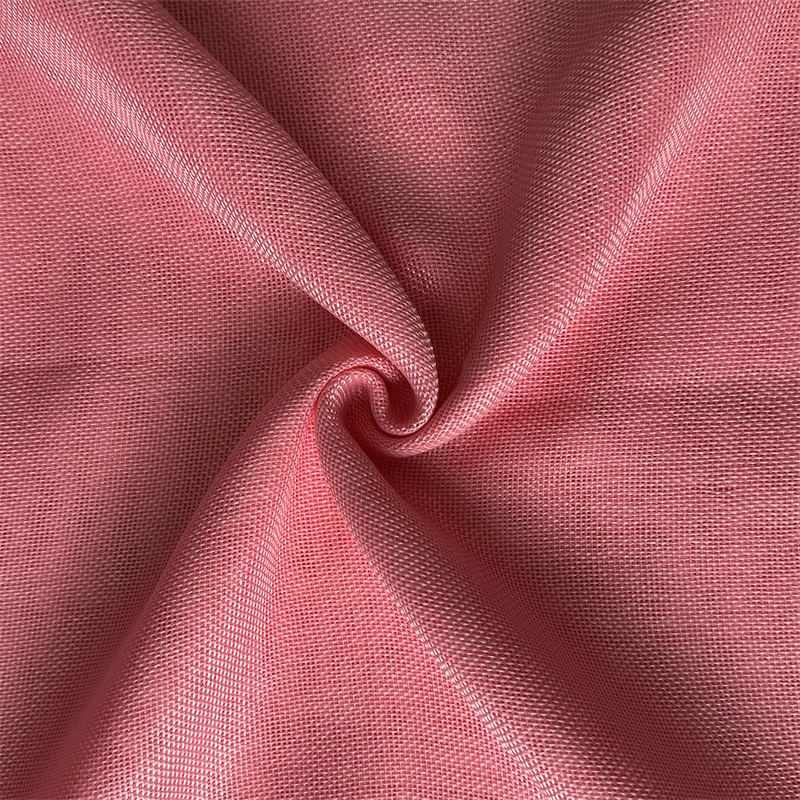
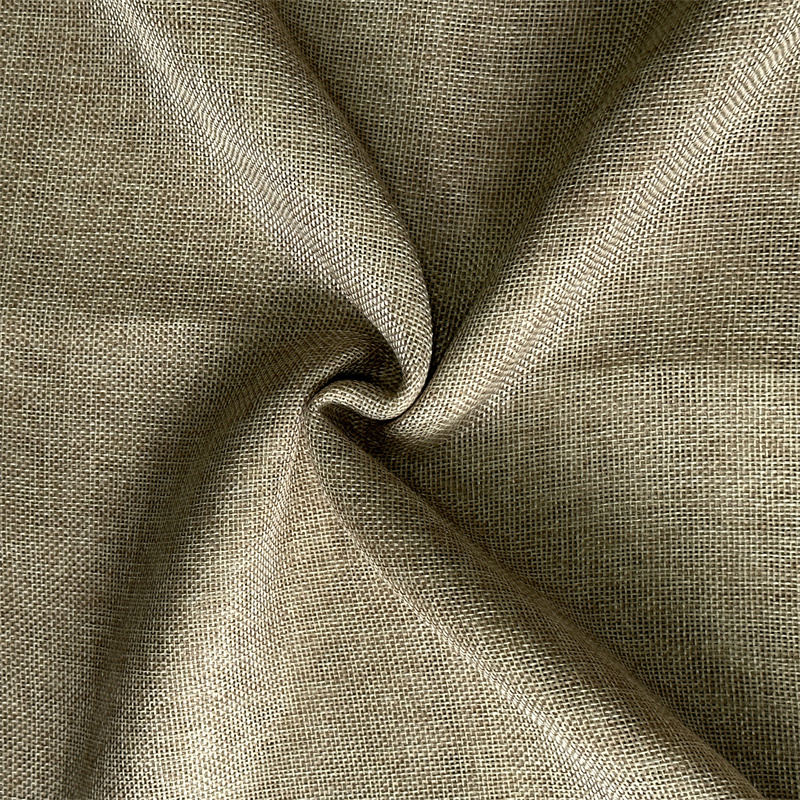
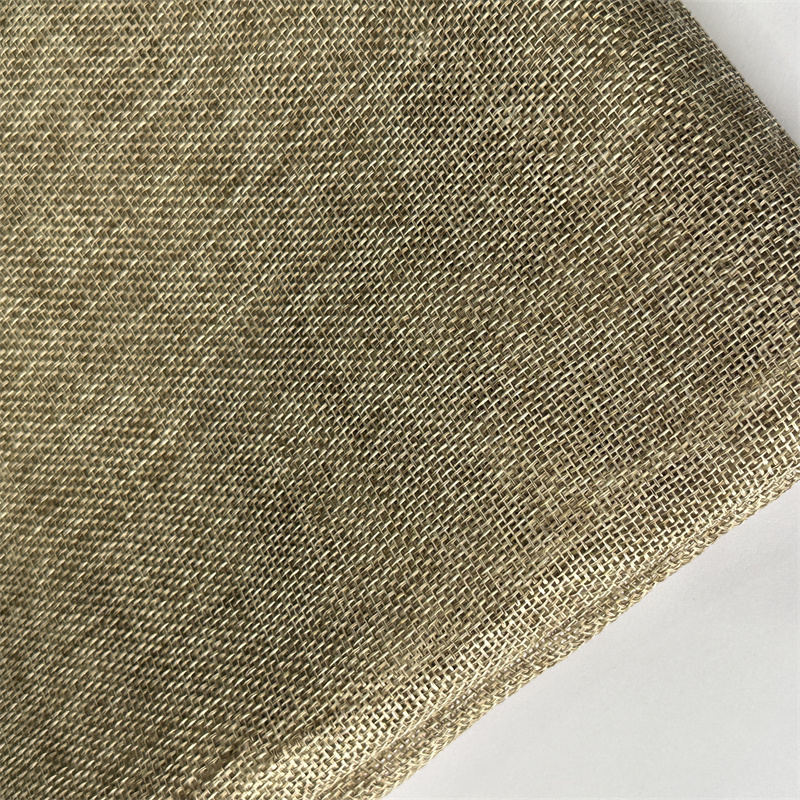
Polyester linen is a blended fabric made by combining polyester fibers with linen fibers — or in many cases, by weaving polyester in a way that mimics the look and feel of natural linen. The blend ratio varies widely between manufacturers, with common compositions ranging from 30% linen / 70% polyester to 55% linen / 45% polyester. Some budget-friendly versions are made entirely from polyester but are woven with a slub texture that imitates linen's characteristic nubby surface.
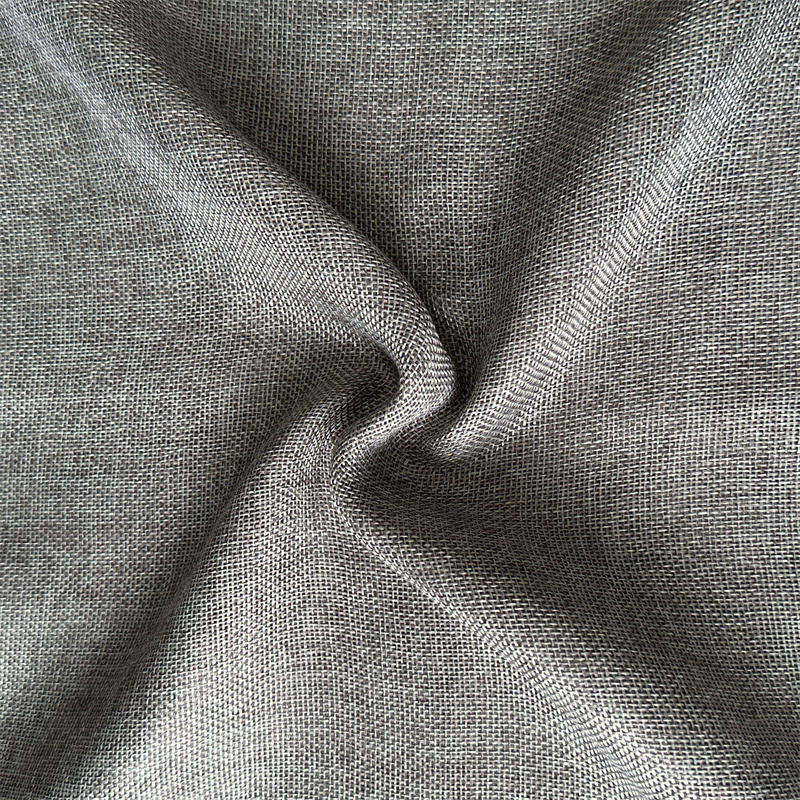
True polyester-linen blends retain some of the breathability and natural texture of linen while gaining the wrinkle resistance, dimensional stability, and affordability of polyester. The result is a fabric that occupies a practical middle ground — not as premium as 100% linen, but far more functional for everyday applications. It's widely used in ready-to-wear clothing, curtain panels, throw pillow covers, tablecloths, and lightweight upholstery.
Key Properties of Polyester Linen Fabric
Understanding the physical and performance characteristics of polyester linen helps you decide whether it's suited to your specific needs. The blend brings together traits from both fiber types, and the resulting fabric behaves quite differently from either pure polyester or pure linen alone.
| Property | 100% Linen | Polyester Linen Blend | 100% Polyester |
| Wrinkle Resistance | Low | Medium–High | High |
| Breathability | Excellent | Moderate | Low |
| Durability | High | High | Very High |
| Shrinkage Risk | High | Low | Very Low |
| Cost | High | Low–Medium | Low |
| Linen Appearance | Authentic | Close Imitation | Imitation Only |
The blend delivers a noticeably more stable fabric than pure linen. It resists the deep creasing that makes 100% linen garments look rumpled after a few hours of wear, and it holds its shape through repeated washing without the significant shrinkage that pure linen often experiences on its first wash.
Common Uses of Polyester Linen Fabric
Polyester linen's combination of aesthetics and practicality makes it suitable for a remarkably wide range of applications. Its natural-looking texture gives it visual warmth and elegance, while its performance characteristics make it genuinely usable in demanding contexts.
Home Furnishings and Upholstery
Polyester linen is one of the most popular fabrics for curtains, drapes, and Roman blinds. It hangs beautifully, doesn't sag or stretch over time, and filters light in a soft, diffused way that pure synthetics often can't match. For throw pillow covers, table runners, and placemats, the textured surface adds tactile interest and visual depth to interiors without the high price tag of genuine linen. Lightweight polyester linen blends are also used for sofa slipcovers and accent chair upholstery in lower-traffic spaces.
Apparel and Fashion
In clothing, polyester linen is commonly used for summer shirts, blazers, wide-leg trousers, and flowy dresses. It delivers the breezy, textured aesthetic of linen without the heavy creasing that frustrates many wearers. Garment sewers particularly appreciate it for structured pieces like blazers and tailored pants, where the polyester content helps the fabric maintain crisp lines without constant pressing. The blend also takes dye evenly, producing vibrant, colorfast results across a wide palette.
Event and Table Linens
Restaurants, event rental companies, and catering services frequently choose polyester linen tablecloths and napkins over pure linen. The reason is purely practical: polyester linen withstands industrial washing at high temperatures, resists staining more effectively than natural fibers, and comes out of the dryer with minimal wrinkles. This makes it far more economical for high-turnover commercial settings while still presenting an upscale, textured appearance on the table.
Craft and DIY Projects
For crafters and sewists, polyester linen is a go-to fabric for tote bags, book covers, storage baskets, fabric boxes, and wall art. Its slight stiffness gives structure to projects that need to hold a shape, and its affordability makes it ideal for experimental or practice projects. It's widely available in craft stores by the yard in dozens of neutral and earthy tones that complement natural and Scandinavian-inspired aesthetics.
How to Identify Quality Polyester Linen Fabric
Not all polyester linen fabric is created equal. The market includes everything from high-quality blends with a genuine linen component to all-polyester imitations sold under the "linen look" label. Knowing how to assess quality before purchasing — whether in-store or online — saves you from disappointment.
- Check the fiber content label: A true polyester-linen blend will list both fibers and their percentages. If the label says 100% polyester with a linen-look description, it's an imitation, not a blend.
- Feel the texture: Genuine blends feel slightly rougher and more natural than pure polyester. Run your fingers across the surface — there should be some variation and natural slub in the weave, not a perfectly uniform synthetic surface.
- Check the weight: Quality polyester linen has a satisfying weight and drape. Lightweight, flimsy versions tend to look cheap and don't hang or sew as well.
- Assess color consistency: Higher-quality blends show even, deep color saturation. Uneven or faded coloring across the fabric surface can indicate poor dyeing processes.
- Test for pilling: Rub a section of the fabric briskly with your fingers. If it pills quickly, the polyester content is low-grade and will show wear rapidly with use or washing.
Washing and Care Instructions for Polyester Linen
One of the greatest practical advantages of polyester linen over pure linen is how easy it is to care for. Most polyester linen blends are fully machine washable and far more forgiving than their natural-fiber counterpart. However, following the right care routine will extend the life and appearance of the fabric significantly.
- Machine wash on a gentle or normal cycle in cool to warm water (30–40°C / 85–105°F). Avoid hot water, which can cause the linen component to shrink and the polyester to warp slightly.
- Use a mild detergent without bleach or optical brighteners, which can yellow synthetic fibers over time.
- Tumble dry on low heat or hang to dry. High heat in the dryer can cause shrinkage and may damage the linen fibers in the blend.
- Iron on a medium setting while slightly damp if needed. Unlike 100% polyester, polyester linen blends can usually tolerate a medium iron, especially if the linen content is 40% or higher.
- Avoid prolonged direct sunlight exposure for items like curtains in very sunny rooms. While polyester linen is more UV-resistant than natural linen alone, extended sun exposure will eventually cause fading in both fiber types.
Sewing Tips for Working with Polyester Linen
Polyester linen is generally beginner-friendly to sew, but a few preparation and technique steps will make the process smoother and your results more professional.
Pre-Wash Before Cutting
Always pre-wash and dry your polyester linen before cutting and sewing. Even though polyester linen shrinks far less than pure linen, it can still shift slightly after its first wash. Pre-washing also removes any sizing or finishing chemicals added during manufacturing, making the fabric softer and easier to handle at the sewing machine.
Needle and Thread Selection
Use a universal sewing machine needle in size 80/12 or 90/14, depending on the weight of your fabric. A sharp or microtex needle works particularly well for tighter weaves. For thread, an all-purpose polyester thread in a matching color provides the best strength and flexibility — it will stretch slightly with the fabric under stress rather than snapping like cotton thread.
Finishing Raw Edges
Polyester linen frays moderately at the cut edges. Finish all raw seams with an overlock/serger stitch, a zigzag stitch on a regular machine, or a Hong Kong seam finish for a more polished interior. French seams also work beautifully for lighter-weight polyester linen, particularly for garments and pillowcases where internal seam neatness matters.
Environmental Considerations of Polyester Linen Blends
For environmentally conscious shoppers, polyester linen blends present a mixed picture. The linen component is derived from the flax plant, which is one of the most sustainable textile crops — it requires minimal water and pesticides compared to cotton and grows well in poor soil. However, the polyester component is petroleum-derived and non-biodegradable, meaning blended fabrics cannot decompose fully at end of life and are difficult to recycle because the two fiber types are bonded together.
From a sustainability standpoint, choosing a higher linen percentage blend (50% or more) is preferable to a mostly polyester version. Some manufacturers are also beginning to offer blends using recycled polyester, which reduces the reliance on virgin petroleum-based fiber. If environmental impact matters to you, look specifically for blends labeled with recycled polyester content or certified by organizations such as OEKO-TEX, which verifies that the fabric is free from harmful chemicals throughout production.
Ultimately, polyester linen fabric is a versatile, cost-effective, and highly practical textile that bridges the gap between the natural beauty of linen and the functional resilience of synthetic fiber. Understanding its composition, properties, and best-use scenarios puts you in the best position to choose wisely — whether you're shopping for home décor, planning a sewing project, or sourcing fabric for a commercial application.