

 中文简体
中文简体 Español
Content
You are holding a fabric specification sheet. Under "Weight" it says "165 GSM." That number is the fabric's gram per square meter value, and it is one of the most useful quick indicators of how a fabric will behave in production and in daily use. What it does not tell you is whether the fabric feels soft, drapes well, or holds up to repeated washing. The practical conclusion is simple: use GSM as a first filter to narrow down your options, then confirm with hand feel and the intended application before placing a bulk order.
What Does GSM Mean in Fabric?
GSM stands for grams per square meter (g/m²). The measurement is straightforward: take a one-meter by one-meter square of fabric, weigh it, and the result in grams is the GSM value. It is the global standard for fabric weight because it is objective, repeatable, and comparable across suppliers, regardless of whether the fabric is woven, knitted, or non-woven.
Some markets still use ounces per square yard (oz/yd²). To convert, multiply the GSM value by 0.0295, or divide by 33.9 to go the other way. Knowing both units helps you compare fabrics from suppliers who quote differently.
Most woven fabrics fall between 80 GSM and 400 GSM. A fabric at 100 GSM is noticeably light and often slightly translucent. A fabric at 300 GSM feels substantial, opaque, and structured. The pattern is intuitive: more fiber per square meter means more weight, and more weight usually means more body, coverage, and durability.
What GSM Does Not Tell You
GSM is not the same as thickness. A high-GSM fabric can be thin and dense, while a low-GSM fabric can be thick and fluffy because of its structure. Relying on GSM alone can lead you to expect the wrong hand feel, especially across different weave types.
Consider two fabrics at exactly 125 GSM. One is a tightly woven polyester faux linen; the other is a loose, open-weave cotton. The polyester feels crisp and holds a firm drape, while the cotton may feel soft and airy. They weigh the same per square meter, but they will perform differently in a garment, a curtain, or an upholstery application.
Yarn count, yarn twist, weave structure, and finishing processes all interact with GSM. If a supplier offers two fabrics with the same GSM, ask about the fiber composition and the weave before you decide. Those details will tell you more about the final performance than the weight number alone.
Common GSM Ranges and Their Typical Uses
| GSM Range | Typical Uses | What to Expect |
|---|---|---|
| 80-120 | Blouses, linings, summer shirts, lightweight scarves | Light, airy, some sheerness, drapey |
| 120-180 | Shirts, dresses, lightweight pants, home decor | Balanced weight, good drape, modest opacity |
| 180-250 | Casual jackets, trousers, upholstery, bedding | Substantial, opaque, versatile |
| 250-350 | Heavy outerwear, structured garments, thick upholstery | Firm, durable, minimal drape |
| 350+ | Canvas, technical fabrics, heavy-duty curtains | Very stiff, maximum durability |
A 165 GSM faux linen fabric sits in the balanced range. It is opaque enough for casual shirts and dresses, yet still moves with the body. The same style at 300 GSM shifts toward outerwear and structured uses. The same fiber and weave, different GSM, completely different end-use.
Why GSM Drives Cost and Purchase Risk
GSM directly reflects fiber consumption. A 300 GSM fabric uses roughly 2.4 times the fiber of a 125 GSM fabric at the same width. When you order thousands of meters, that difference compounds quickly and becomes a major line item in your budget.
Most purchasing mistakes come from mismatching GSM to the application. Ordering a 300 GSM fabric for a summer blouse creates a garment that feels heavy and traps heat. Ordering a 110 GSM fabric for a sofa cushion creates a cover that stretches, pills, and wears through too fast. The fabric is not inherently poor quality; it is simply the wrong weight for the job.
Always verify GSM together with fiber content and intended use. A supplier that lists a specific GSM is giving you useful data, but you still need to confirm the actual hand feel with a swatch before committing to a large production run.
How to Choose the Right GSM for Your Product
Start by asking what the fabric will become. A summer wrap needs airiness and drape. A lined jacket needs body and structure. A sofa cover needs wear resistance and opacity. Define the end use first, then choose the GSM range that supports it.
For lightweight summer garments, the 100-140 GSM range is usually the right fit. A 125 GSM polyester faux linen gives you airiness without sheerness, which makes it a strong candidate for blouses and casual dresses.
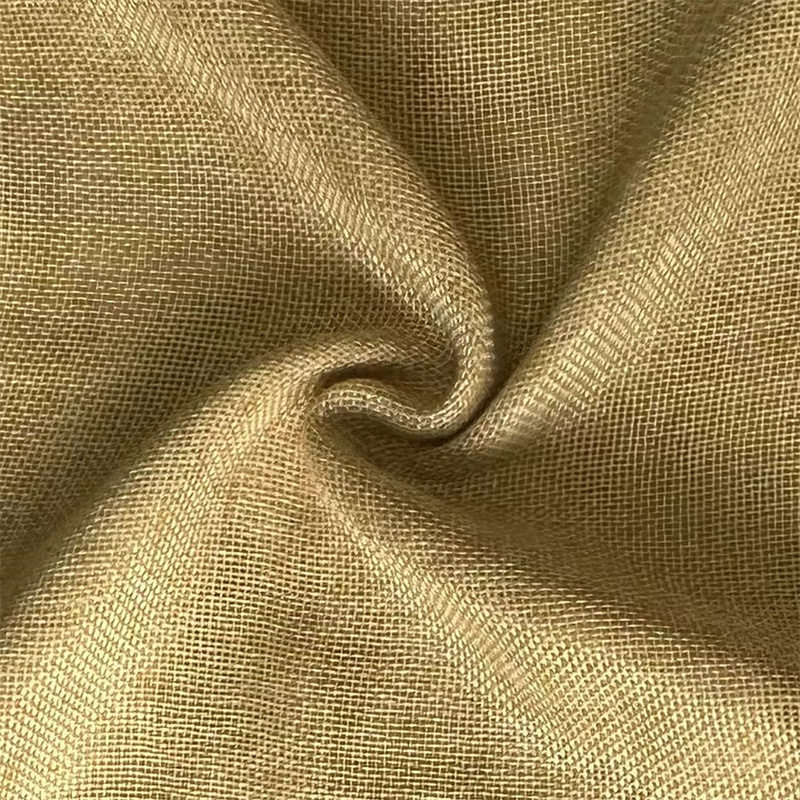
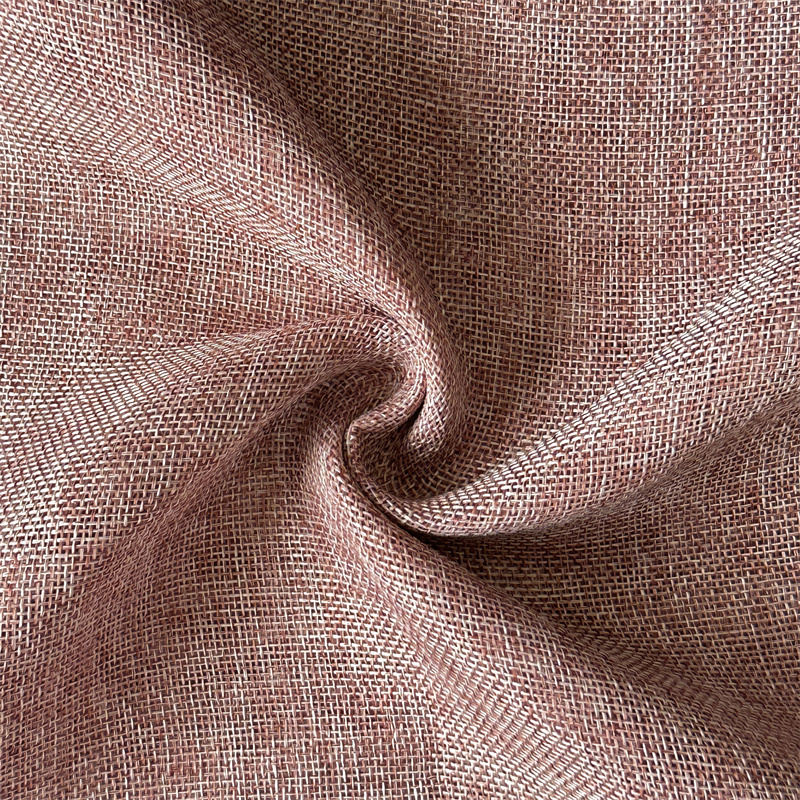
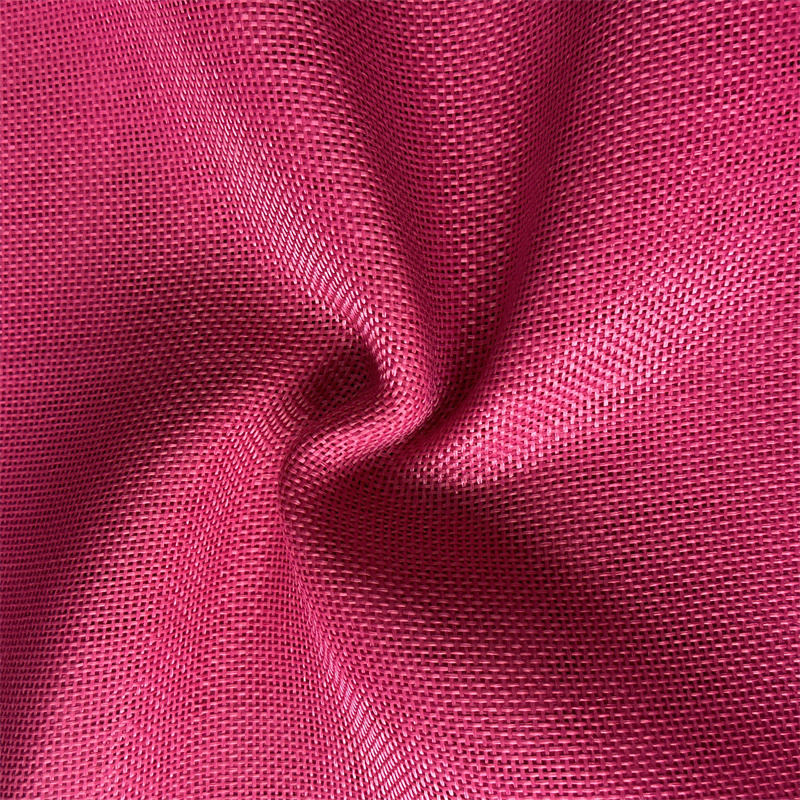
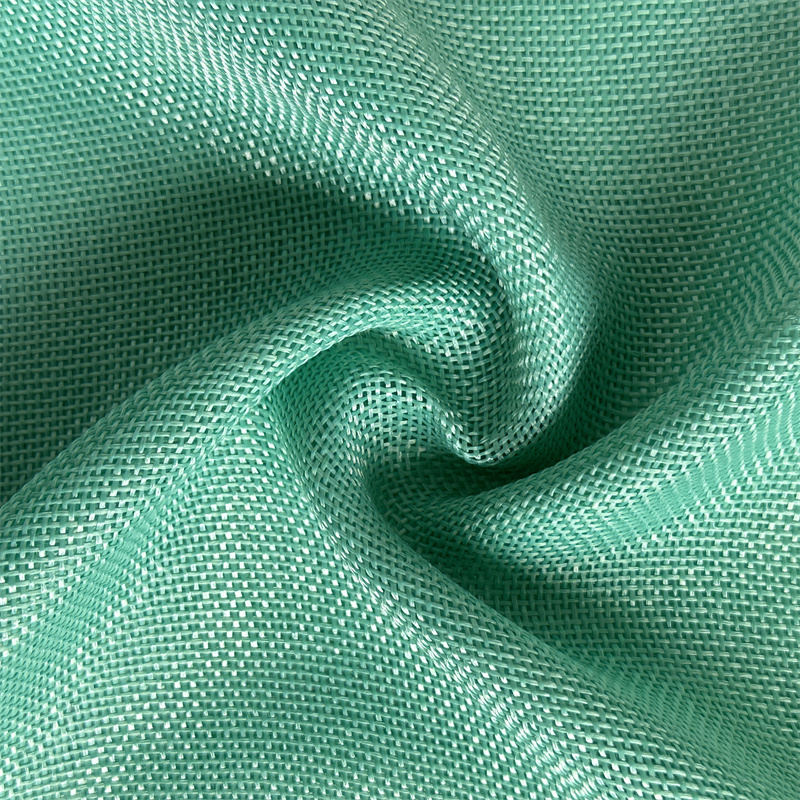
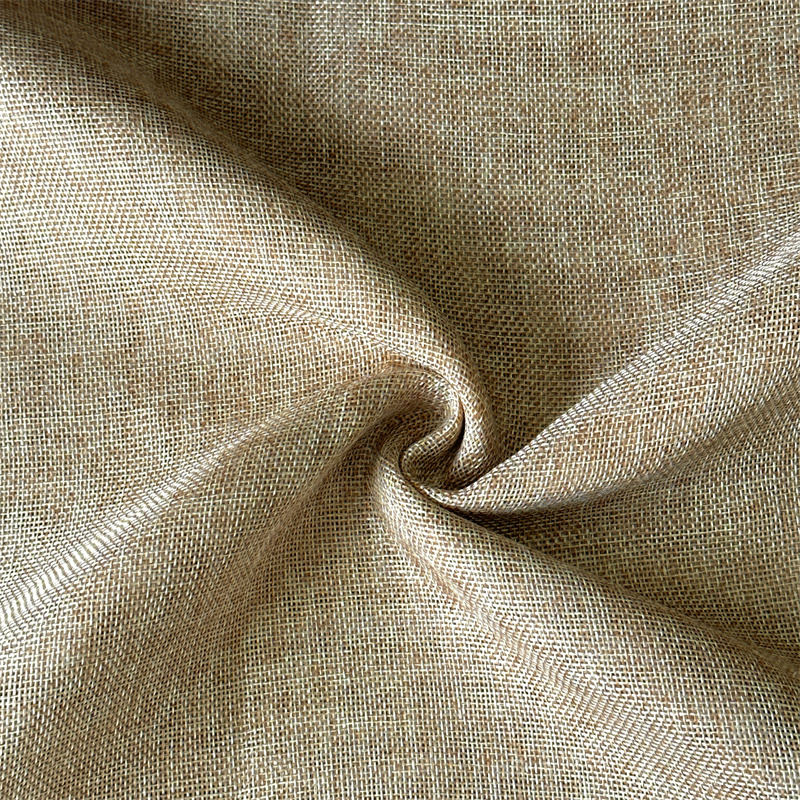
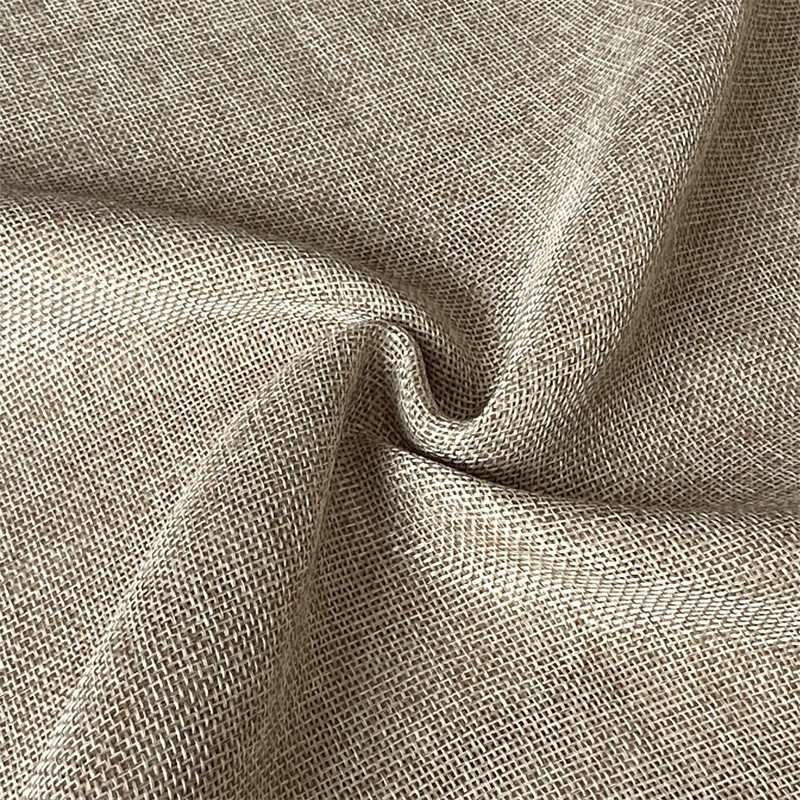
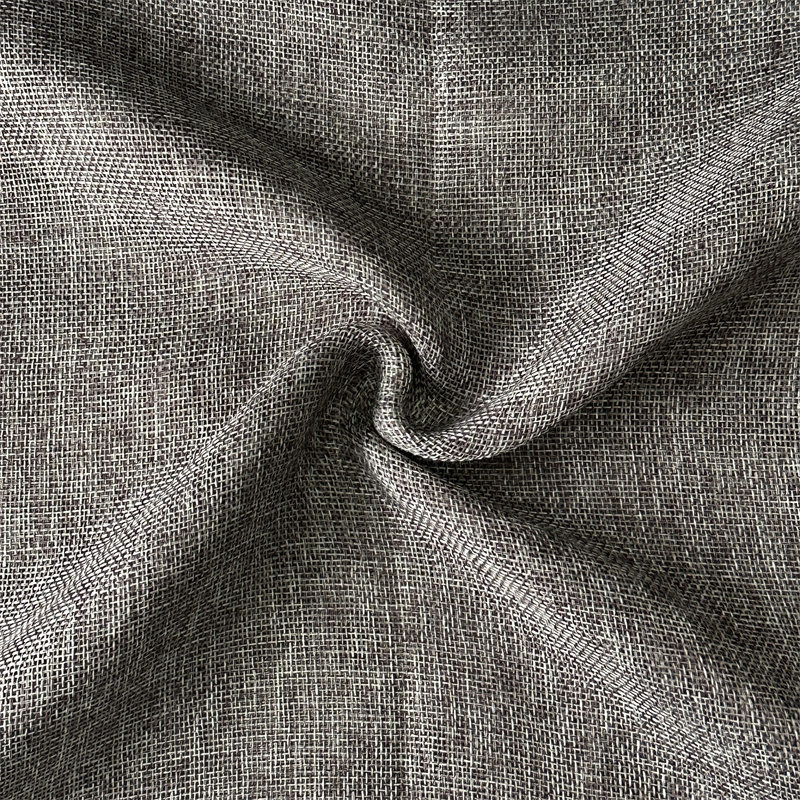
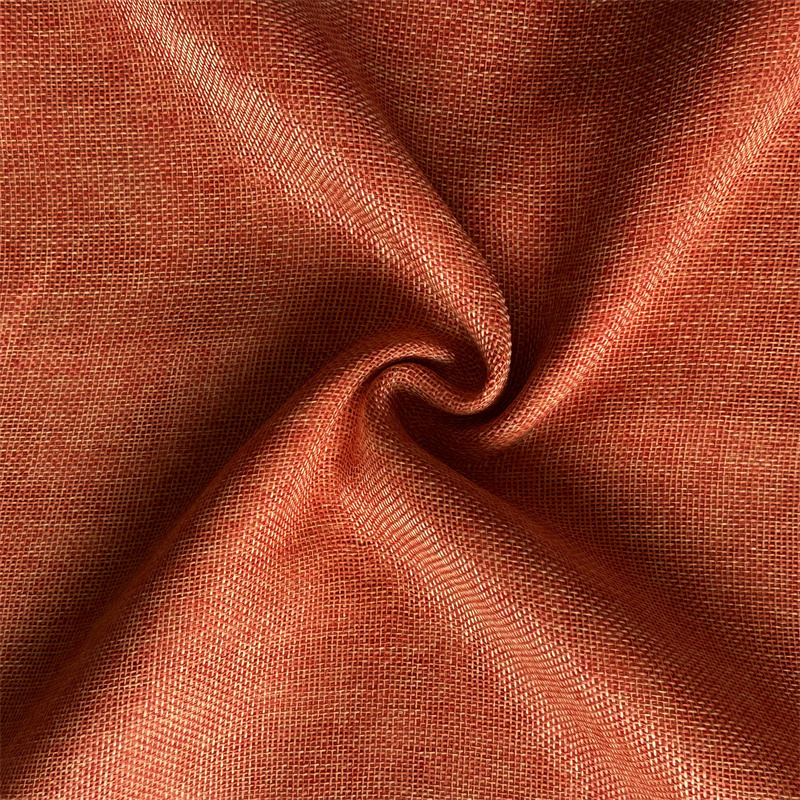 Lightweight 125gsm Polyester Faux Linen Fabric for Summer GarmentsThis 125gsm polyester faux linen offers a breathable, airy feel ideal for blouses and casual dresses. Its lightweight drape and linen-like appearance make it a practical, low-maintenance choice for warm-weather apparel.View Product →
For all-season shirts, casual dresses, and light pants, the balanced 140-180 GSM range offers a middle ground. A 165 GSM fabric in this class has enough weight to be opaque and substantial while still moving naturally with the wearer.
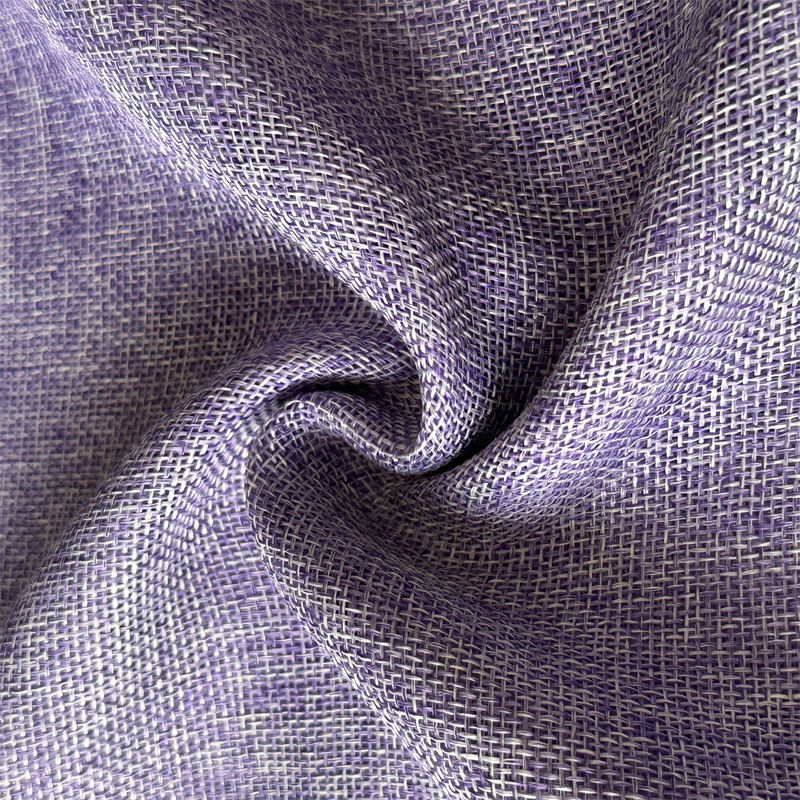
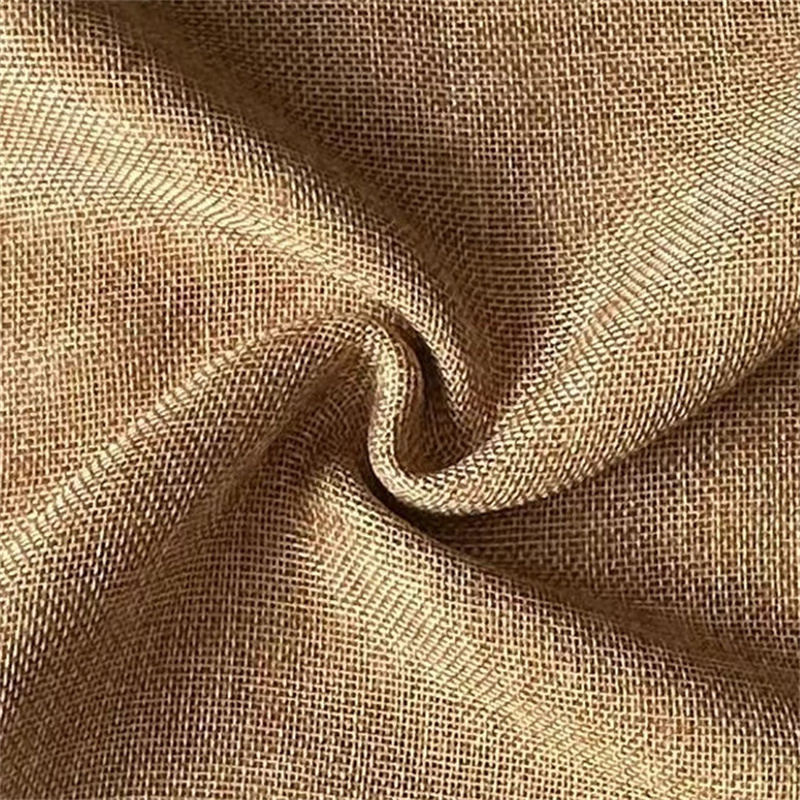
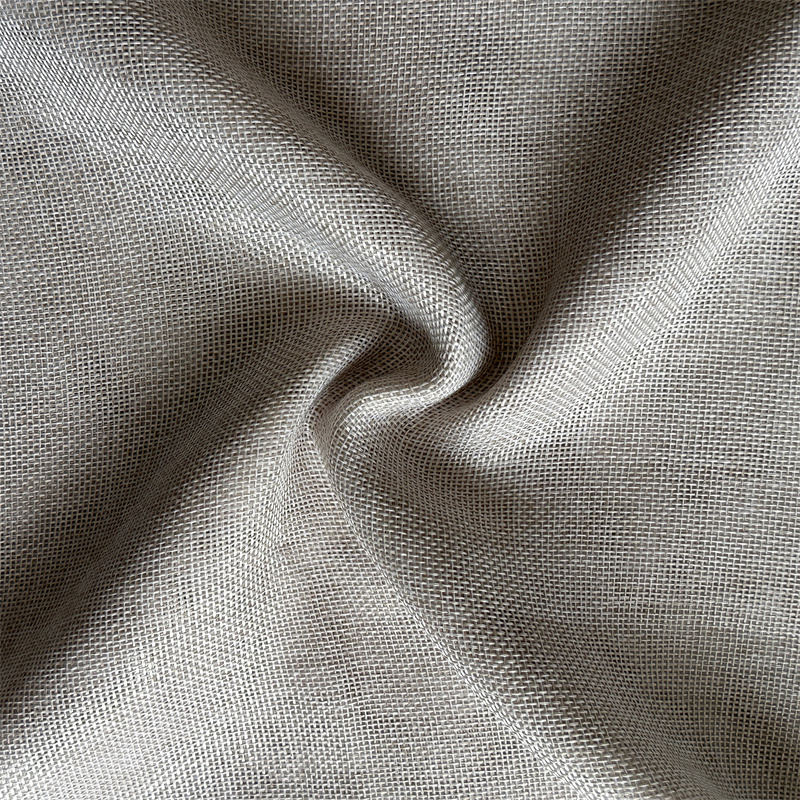
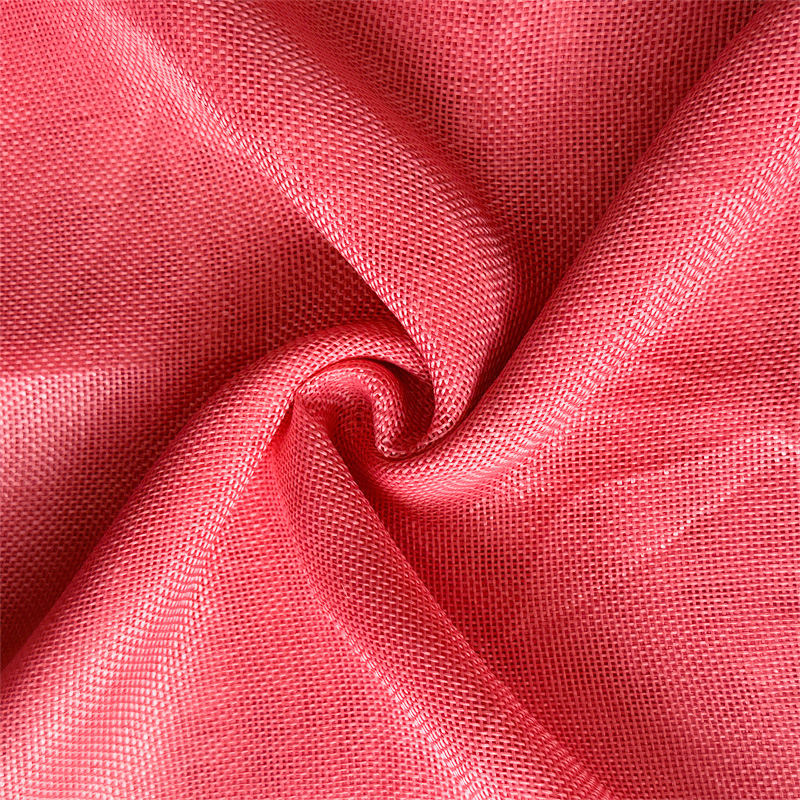
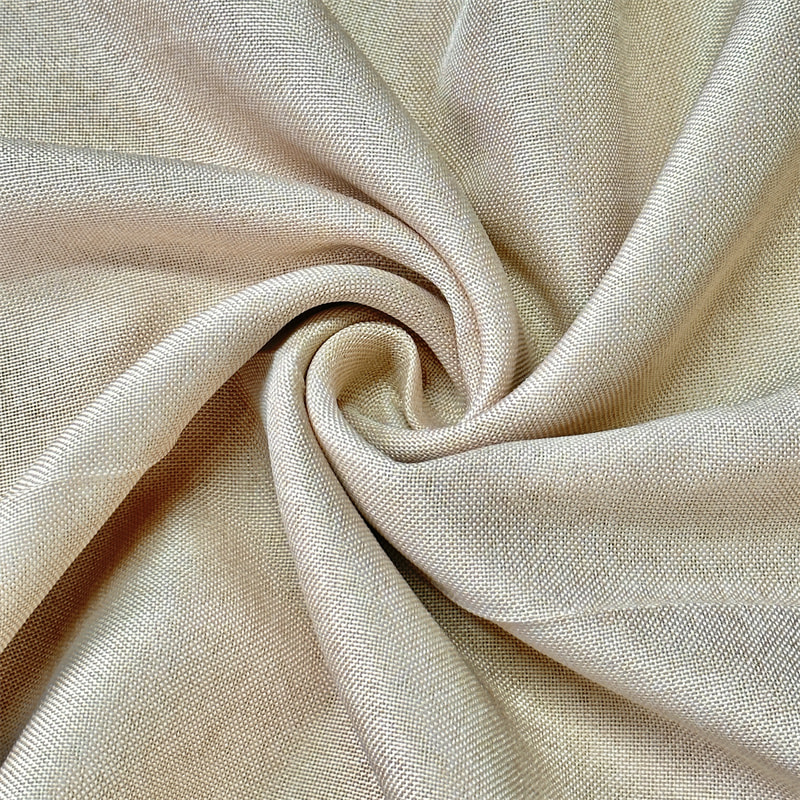 Versatile 165gsm Polyester Faux Linen for All-Season Shirts and DressesA medium-weight 165gsm polyester faux linen balances drape and substance, suitable for shirts, casual dresses, and light pants. It provides opacity and durability while retaining a natural linen look.View Product →
For structured jackets, upholstery, and heavy home decor, a 250-350 GSM fabric provides the body, structure, and wear resistance you need. A 300 GSM option in this class is an obvious choice where weight becomes functional.
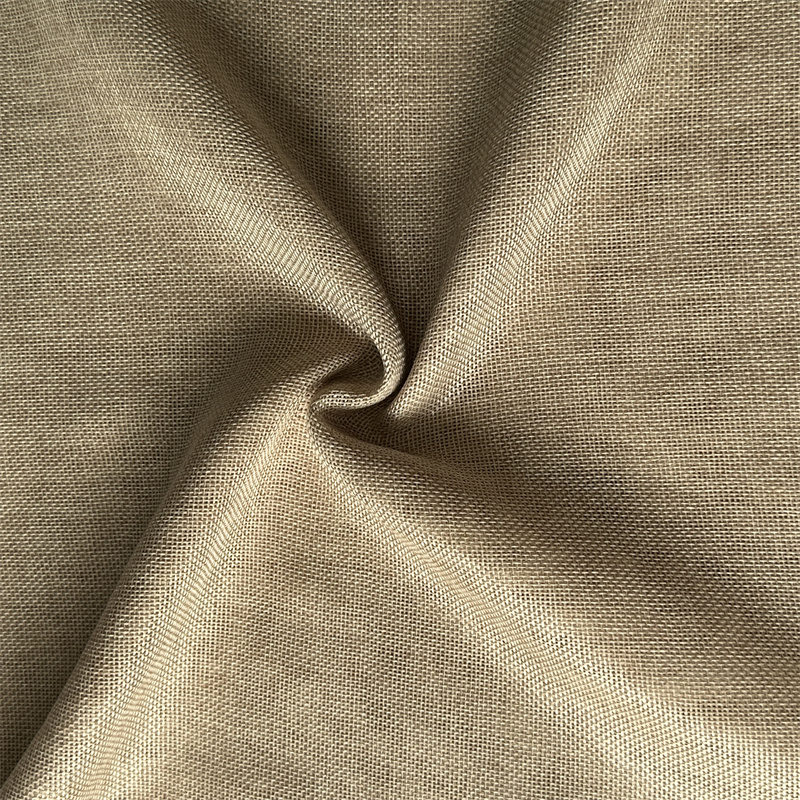
 Heavy-Duty 300gsm Polyester Faux Linen for Bags and Structured ProjectsThis 300gsm polyester faux linen with 1400D fibers offers robust strength and tear resistance, perfect for bags, totes, and heavy-duty accessories. Its substantial weight ensures long-lasting performance in demanding uses.View Product →
When you compare products, do not assume heavier always means better. Heavier fabrics cost more, can be harder to sew on domestic machines, and feel less comfortable when worn directly against the skin. The right GSM is the one that matches the performance requirements of your product.
Fiber Composition Changes the Equation
Two fabrics with the same GSM but different fibers will feel completely different. A polyester faux linen at 125 GSM is crisp and smooth, while a cotton at 125 GSM might feel softer and more absorbent. GSM tells you how much material is present; it does not tell you what that material is.
Polyester-based fabrics that imitate the look of natural linen offer a practical weight-to-cost balance. Their controlled production allows consistent GSM values, which makes them a reliable choice for buyers who need predictable results across repeat orders. If you want to understand how these fabrics behave in real-world use, our breakdown of the balance between breathability and comfort in polyester linen fabric covers that directly.
Fiber composition also affects how a weight feels against the skin. A smooth-finish 165 GSM polyester can feel lighter than a raised-texture 165 GSM cotton. Use GSM as a starting point, but always combine it with fiber knowledge and a physical sample.
GSM as a Practical Tool
The best way to use GSM is as a filter, not a verdict. It quickly sorts fabrics into weight classes and lets you compare suppliers on the same scale. After narrowing down to a range, confirm with hand feel, drape, and the specific application.
- Check the GSM range first and match it to your end use, not to a vague idea of "quality."
- Ask about fiber and construction. The same GSM can perform very differently across different materials.
- Order a swatch before a bulk order. The number is a guide; the hand is the truth.
- Remember that heavier costs more. Higher GSM means more fiber, and that affects your unit cost.
When you browse a fabric catalog, the GSM listed on each product page is not just a number. It is a signal about whether that fabric belongs in a summer blouse, a structured jacket, or a sofa cover. Keep your end use in mind, compare weights against the ranges you know, and let GSM do the first job of a technical spec: give you a reliable, comparable starting point. If you need to explore options beyond a single weight, browse our complete fabric catalog to see what fits your project.