

 中文简体
中文简体 Español
Content
When a fabric label says “viscose,” the first questions usually concern how it will behave at the sewing table, in the wash, and after a full day of wear. The honest answer is that viscose is neither a cotton substitute nor a synthetic cheat. It is a regenerated cellulose fiber with a specific set of properties that make it attractive for some uses and frustrating for others. If you are a garment maker, a home textile buyer, or a wholesaler comparing options, the practical decision comes down to how much drape and softness you need and how much dimensional stability you can tolerate.
What Is Viscose and How Is It Made?
Viscose starts as wood pulp. The pulp is treated with sodium hydroxide and carbon disulfide to form a soluble compound, which is then extruded through fine holes into a bath that regenerates the cellulose into solid filaments. The result is a fiber that is chemically similar to cotton but structurally less ordered. That lack of order is why viscose feels soft and drapey, but also why it loses strength when wet and tends to wrinkle or shrink.
The manufacturing process is well established, and the fiber itself is often described as semi-synthetic because the raw material is natural cellulose but the fiber requires chemical processing. In the textile supply chain, viscose is a workhorse for countless woven and knitted constructions, from lightweight linings to heavier upholstery fabrics.
There are several regenerated cellulose fibers that share a similar chemistry but differ in production methods and performance. Modal and lyocell are often grouped with viscose, but they are not identical. For a fabric labeled simply “viscose,” assume standard viscose behavior unless the supplier specifies otherwise.
Key Properties of Viscose Fabric
To judge whether viscose will work for your product, you need to look at a handful of measurable behaviors. The table below summarizes the most relevant ones and explains what they mean in real use.
| Property | Typical Behavior | Practical Impact |
|---|---|---|
| Moisture absorption | High; readily absorbs and releases moisture | Comfortable in warm weather, but can feel clammy when wet |
| Wet strength | Low; drops significantly when wet | Needs gentle handling; not ideal for hard-wearing items |
| Drape | Excellent soft drape | Suits flowing garments and decorative textiles |
| Wrinkle resistance | Poor; creases easily | Ironing required after washing; can bag at elbows or knees |
| Resistance to alkalis | Moderate; affected by strong alkalis | Use mild detergents and avoid strong bleaching |
| Luster | Soft sheen | Looks similar to silk when finished |
From a buyer's perspective, the most critical issue is wet strength. If you are sourcing fabric for a product that will be washed frequently or used in a demanding environment, viscose alone may disappoint. That is why many manufacturers blend viscose with cotton, polyester, or spandex, or choose a different fiber altogether.
Viscose vs. Polyester-Linen Blends: What Buyers Should Know
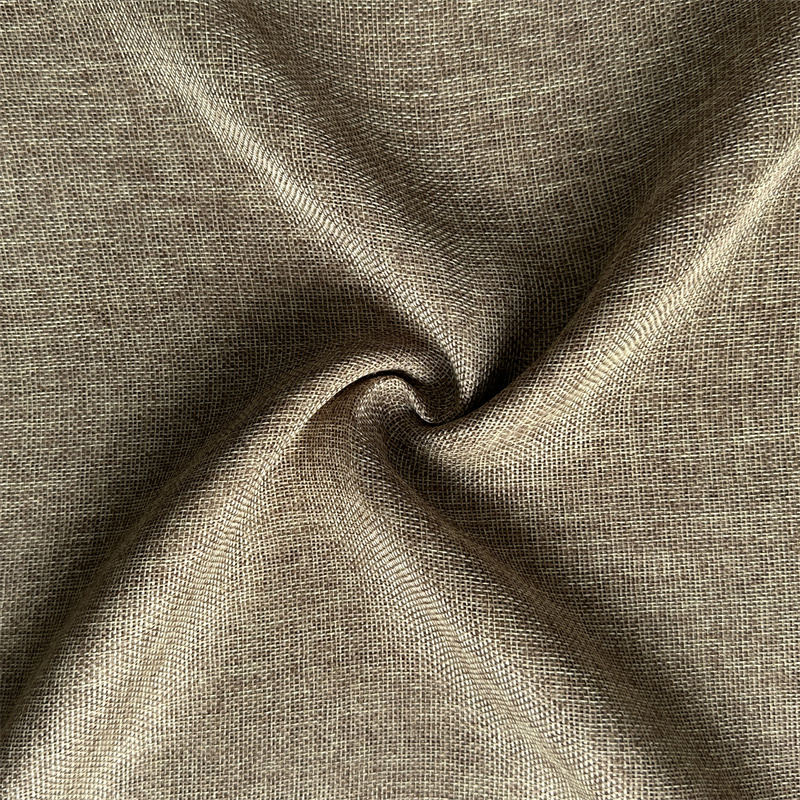
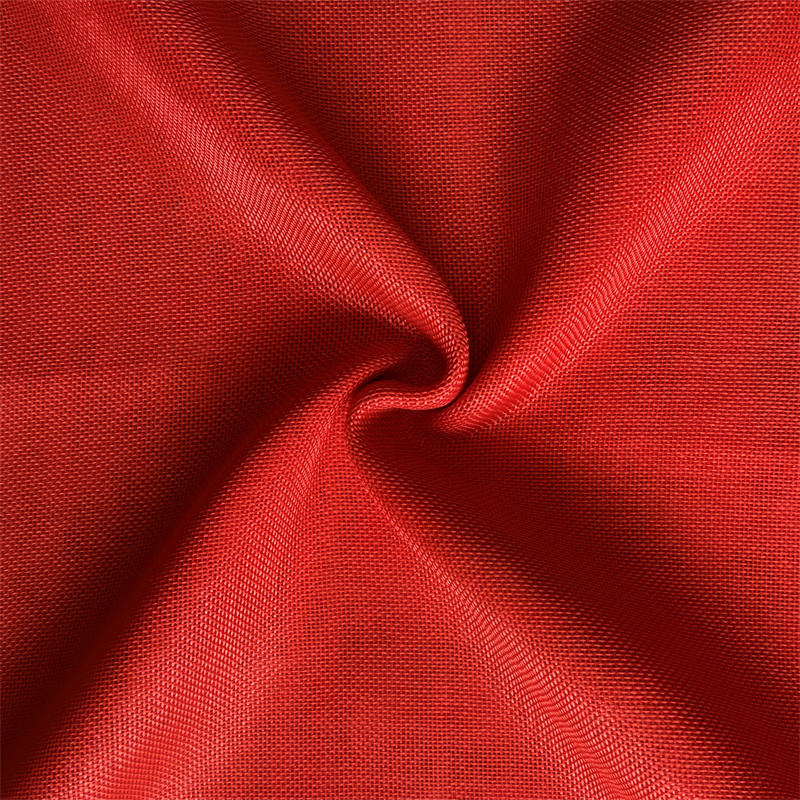
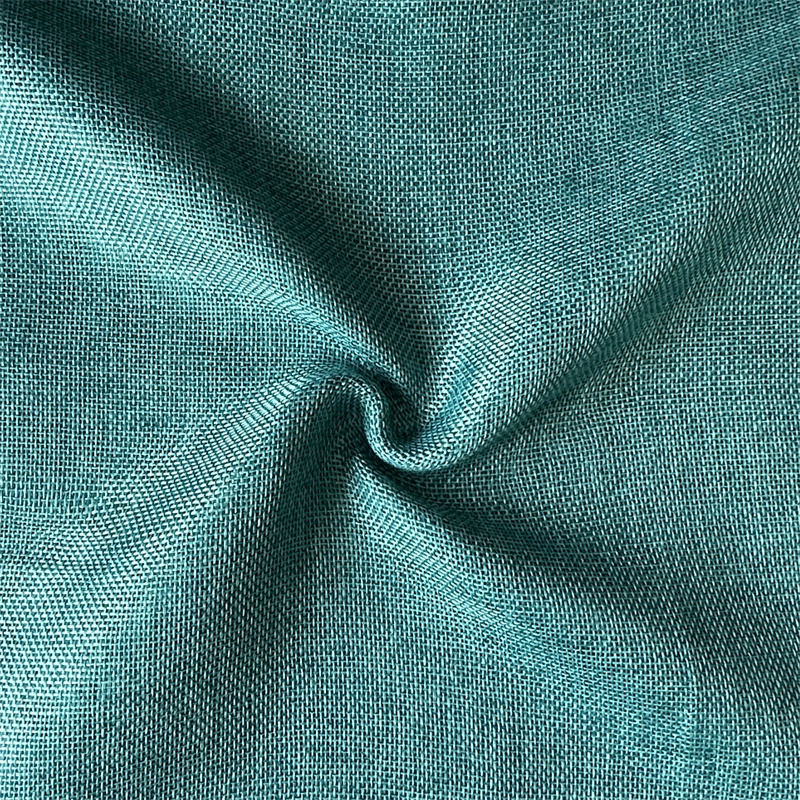
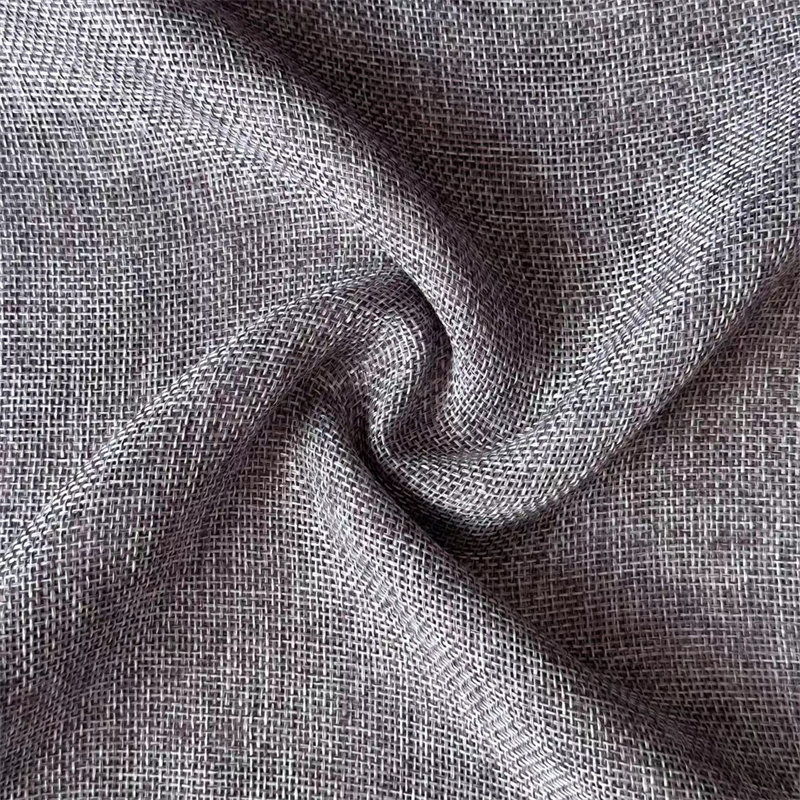
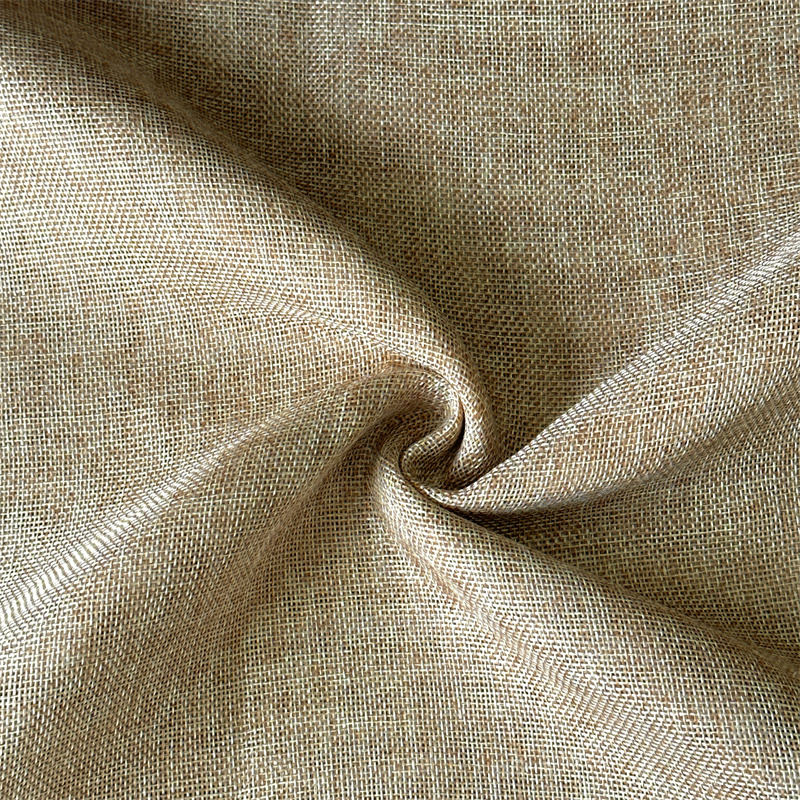
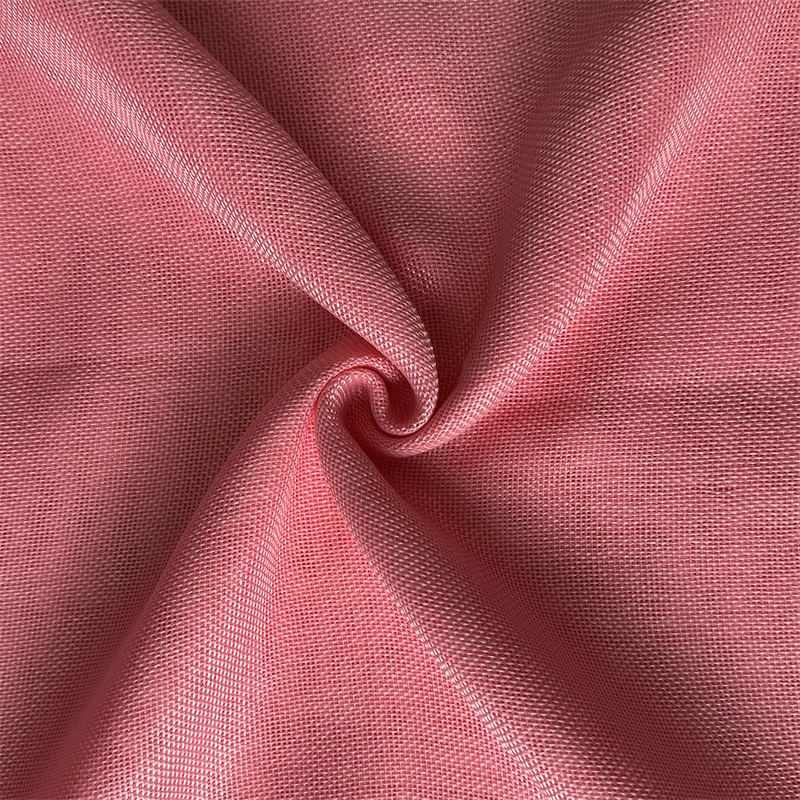
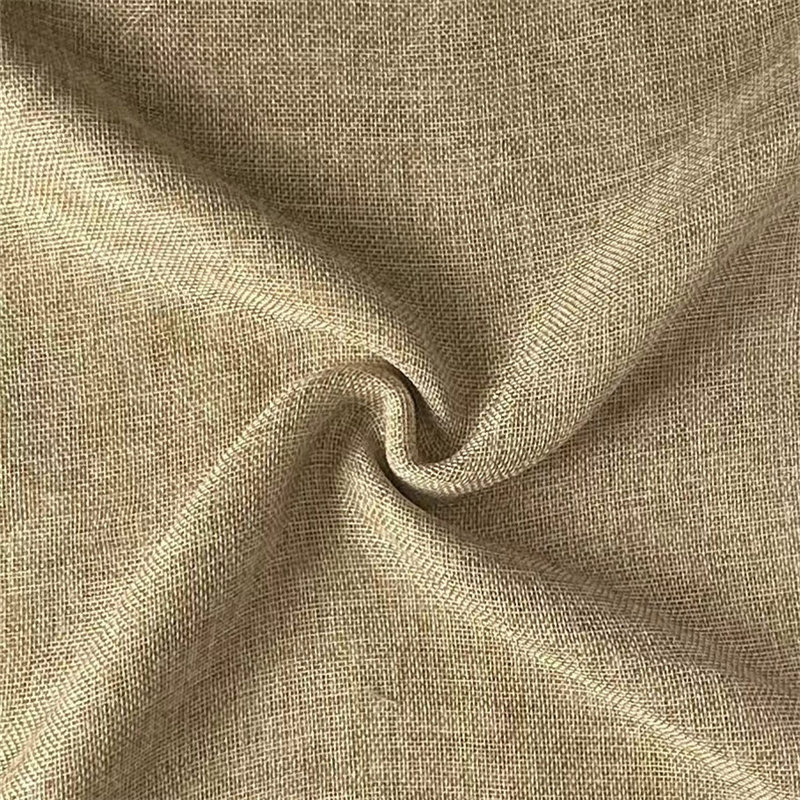
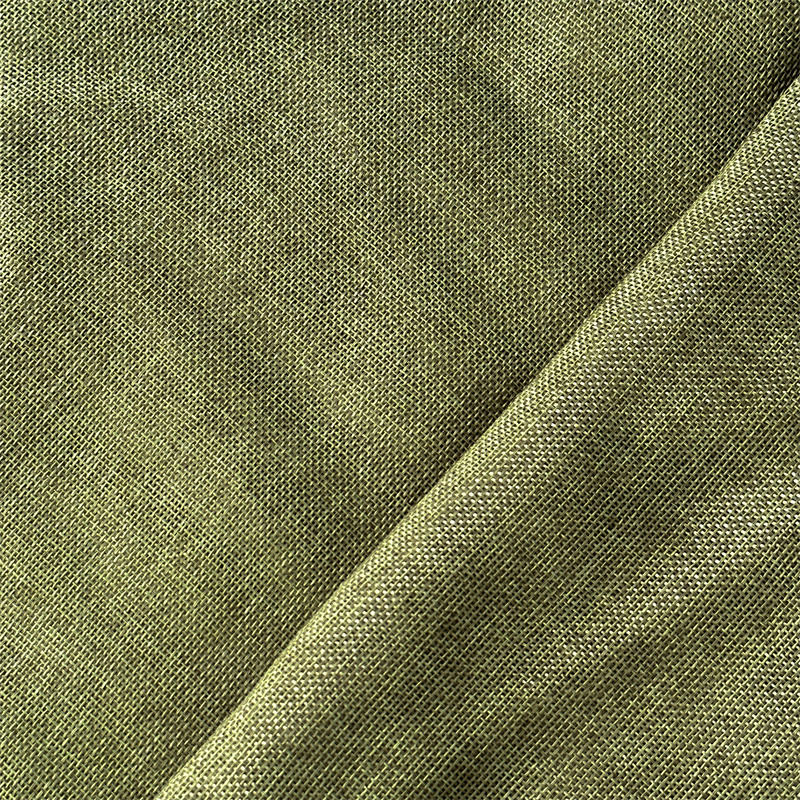
When you compare viscose with a polyester-linen blend, the differences become clear under practical conditions. Viscose offers a silk-like drape and a soft hand, but polyester-linen fabrics delivered as faux linen provide a more structured texture, a matte finish, and much better dimensional stability. They also hold their shape after washing, resist wrinkling, and tolerate heavy use.
Moisture handling is a common point of comparison. Viscose absorbs water quickly, while polyester-linen blends wick moisture away from the body and dry faster. For a detailed look at how a polyester-linen fabric performs compared to natural fibers, this article on moisture-wicking and breathability explains the technical side.
If the end use involves frequent washing, abrasion, or outdoor exposure, the polyester-linen route is usually the safer choice. For a year-round collection with a casual, natural look, the structured weave and stable colors of a faux linen fabric are easier to manage in production.
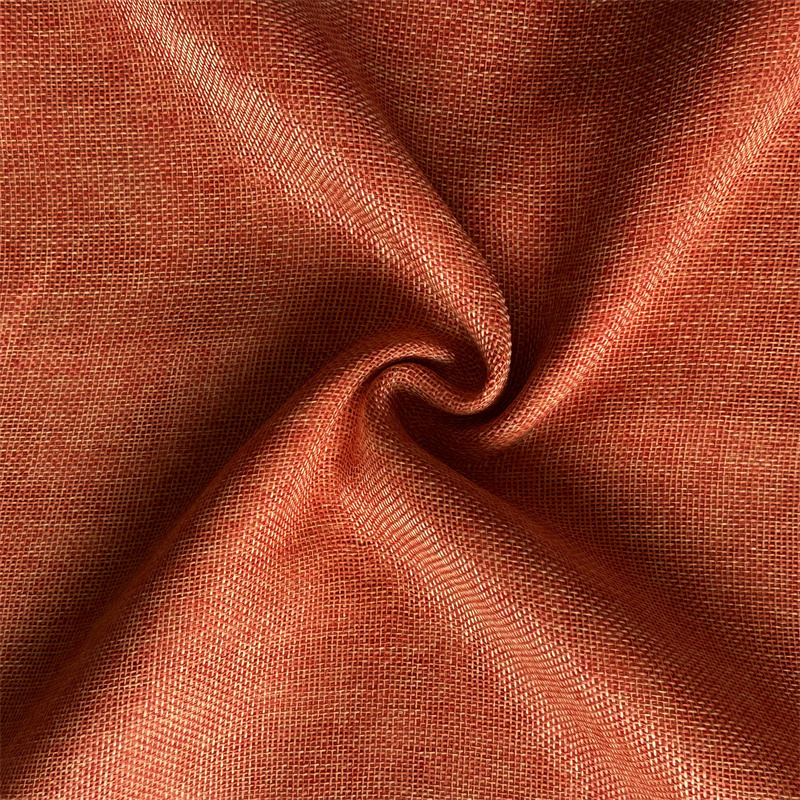 Durable Polyester Linen Fabric for Outdoor and Home UseThis polyester-linen blend offers high strength, UV resistance, and colorfastness, making it a reliable choice for outdoor furniture and home textiles that face frequent washing and sunlight.View Product →
When to Choose Viscose — and When a Synthetic Alternative Is Better
Viscose works well in garments that benefit from softness and fluid movement, such as blouses, scarves, summer dresses, and lining fabrics. It also creates an elegant sheen that many design teams want for visual effect. The trade-off is that viscose requires careful washing, shrinking control, and often a higher sewing allowance for fit adjustments.
For home textile applications such as cushion covers, tablecloths, or curtains that see repeated laundering and direct sunlight, a polyester-based alternative often performs better over the long run. The same is true for upholstery and any product that needs to resist abrasion. If you want a silk-like shine but need better wash fastness and less creasing, a fine imitation silk fabric can deliver that aesthetic with more durable finish.
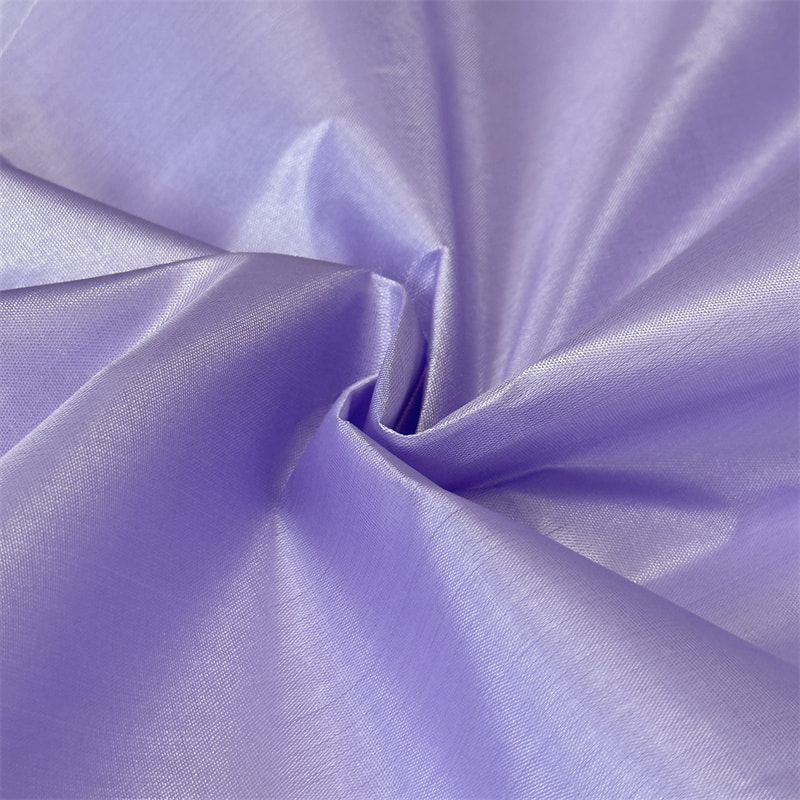 Imitation Silk Fabric for Durable, Lustrous Home TextilesMade from polyester or nylon, this imitation silk delivers a silky sheen and soft drape while resisting wrinkles and fading. Its durable, easy-care nature suits bedding, curtains, and decorative fabrics.View Product →
Production and Care Considerations
If you choose viscose, plan for a gentle production flow. Use cold water for washing, avoid chlorine bleach, and never machine-dry if you want to preserve the fabric's drape. Pressing should be done on the reverse side with a cloth between the iron and the fabric, since direct heat can create shiny spots or scorch.
For polyester-linen blends, the care hierarchy is simpler: warm or cold water, standard detergents, and a lower drying temperature. The fiber's heat-setting ability makes it resistant to shrinking and helps it hold a pressed crease, which is a major advantage for items such as table linens and structured garments.
How to Evaluate Viscose Properties Before You Buy
When you are comparing offers, do not rely on the word “viscose” alone. Ask for the exact fiber composition, weight per square meter, fabric width, shrinkage allowance, and colorfastness ratings. For a 100% viscose fabric, the key risk is shrinkage — some types can shrink by 8% or more after the first wash, so pre-shrinking standards matter.
For blends, check the ratio. A polyester-viscose blend with 20-30% viscose can retain some softness while improving durability, but the properties shift quickly as the viscose content rises. In polyester-rich constructions, the fabric behaves like a synthetic in strength and care, with only a nod to viscose's drape.
If you are sourcing a faux linen style, you can see how a mill specifies a product by looking at a concrete example such as a 125 gsm, 100% polyester faux linen fabric. When the specification is clear, the buyer can calculate shipping weight, estimate shrinkage, and match the fabric to the intended end use.
- Fiber composition in percentages, including any elastane or modal
- Weight in gsm and width, plus shrinkage after washing
- Colorfastness to light, washing, and rubbing
- Available finishes, such as anti-static, water-repellent, or flame-retardant
- Minimum order quantity and lead time for custom production
Lightweight 125gsm Polyester Faux Linen for Sheer CurtainsAt 125gsm, this 100% polyester faux linen offers a soft drape and breathable feel. It's ideal for sheer curtains, table runners, and summer apparel, combining linen looks with easy care.View Product →The bottom line is that viscose properties fabric decisions are not about good or bad — they are about fit. If your priority is softness, drape, and absorbency, viscose earns its place. If your priority is durability, easy care, and stable dimensions, a polyester-based alternative with a linen look will serve you better. By understanding the properties and asking the right questions up front, you can avoid costly surprises on the production line and in the wash.