

 中文简体
中文简体 Español
Content
Choosing the right chair fabric material is one of the most important decisions you will make when upholstering a chair or buying a new one. The fabric shapes not only the look of the piece but also its comfort, lifespan, and everyday practicality. Whether you are furnishing a dining room, a home office, a cafe, or a cozy living room corner, understanding how different materials behave will help you make a confident choice that lasts.
Key Factors to Consider When Choosing Chair Fabric
Before comparing materials, it helps to define what a chair fabric actually needs to do. The right choice depends on how often the chair is used, who uses it, and where it sits in the room. Keep these five factors in mind:
- Durability: Chairs experience constant friction from sitting and shifting, so abrasion resistance is essential, especially for everyday seating.
- Comfort: Breathable fabrics feel more pleasant in warm conditions, while softer weaves add a sense of coziness.
- Maintenance: Consider how easy the fabric is to clean and how quickly it shows spills, dust, or pet hair.
- Appearance: Color, texture, and pattern define the mood of the space, so the fabric should complement the room's style.
- Longevity: A slightly higher upfront cost often pays off when the fabric stays presentable for many years.
Comparing Common Chair Fabric Materials
There is no single best chair fabric material for every situation. The table below provides a quick comparison of popular options to help you understand their strengths at a glance.
| Material | Durability | Comfort | Maintenance | Best For |
|---|---|---|---|---|
| Cotton | Moderate | Soft and breathable | Stain-prone | Light-use seating |
| Linen | Moderate | Breathable, textured | Wrinkles easily | Casual, low-traffic chairs |
| Wool | High | Warm and resilient | Professional care needed | Premium residential use |
| Leather | Very high | Molds over time | Wipe clean | Offices, statement chairs |
| Polyester | High | Smooth and colorfast | Easy to clean | Homes and commercial spaces |
| Chenille | Moderate | Very soft | Sensitive to friction | Cozy lounge seats |
| Jacquard | High | Medium, patterned | Easy when finished well | Decorative focal chairs |
As the comparison shows, synthetic materials such as polyester tend to offer the most balanced mix of durability and easy care, while natural fibers bring warmth and texture but often require more attention. Blended weaves, such as polyester linen, are designed to give you the best of both worlds.
Why Polyester and Polyester Blends Excel in Chair Upholstery
Polyester has become one of the most widely used fibers in upholstery, and for good reason. It resists fading, holds its shape, and copes well with daily wear. For chairs, polyester's abrasion resistance makes it a dependable option for both residential and commercial use. It also accepts colors and textures well, so it can imitate many natural materials while adding practical advantages.
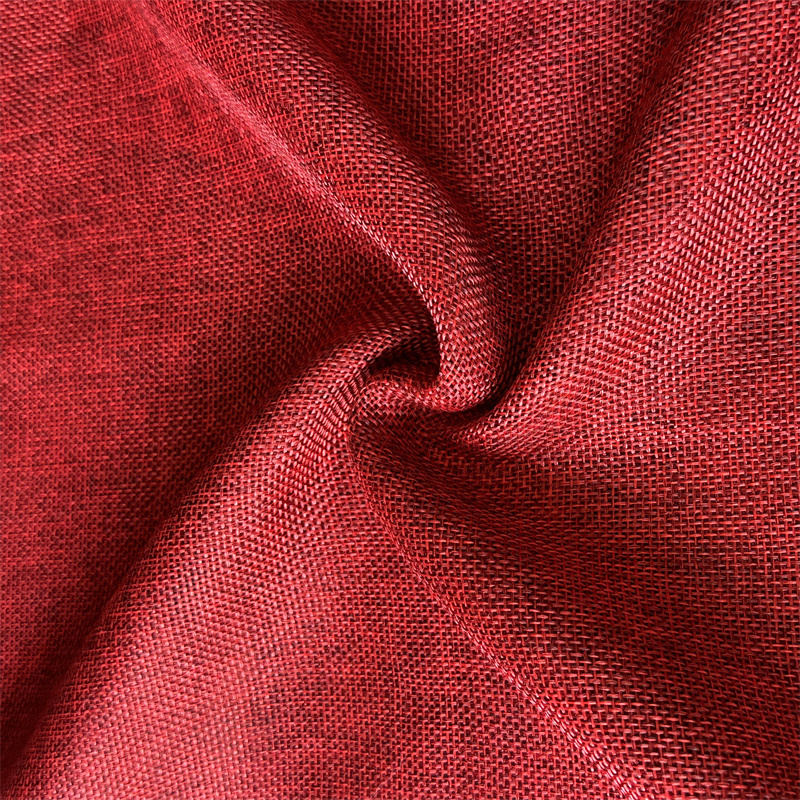
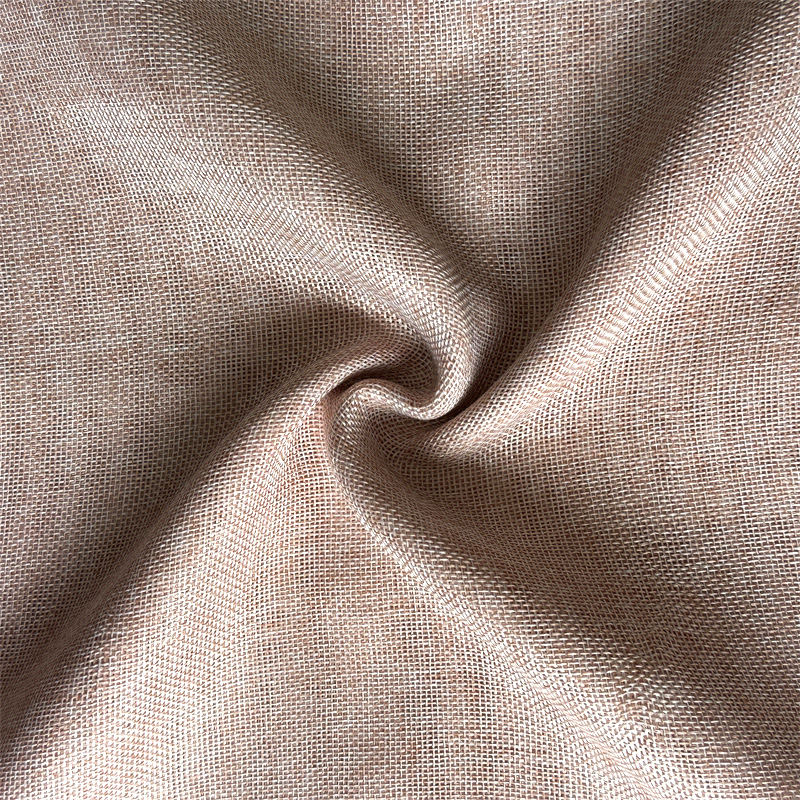
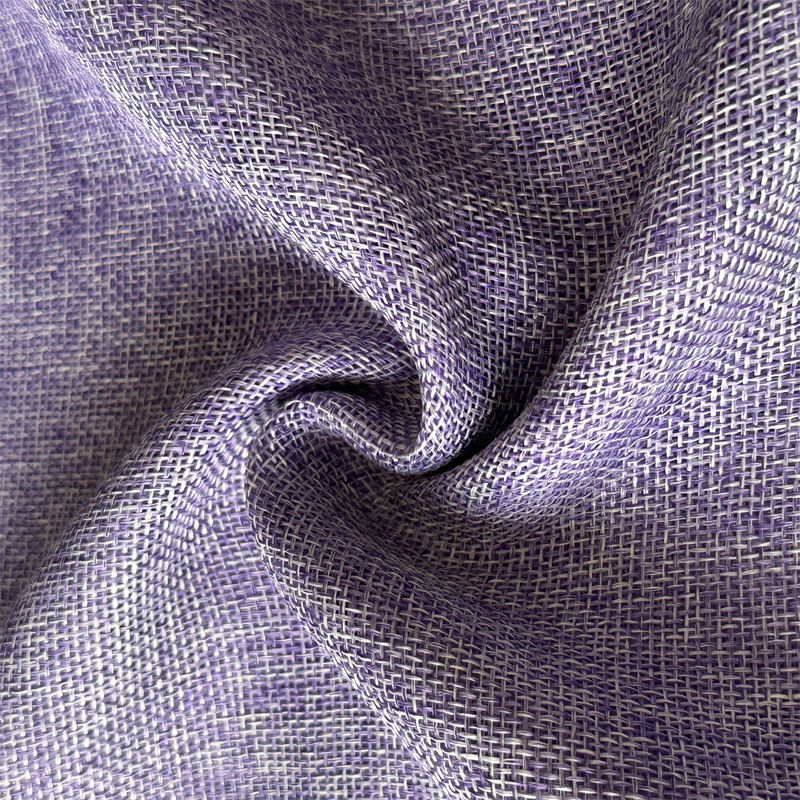
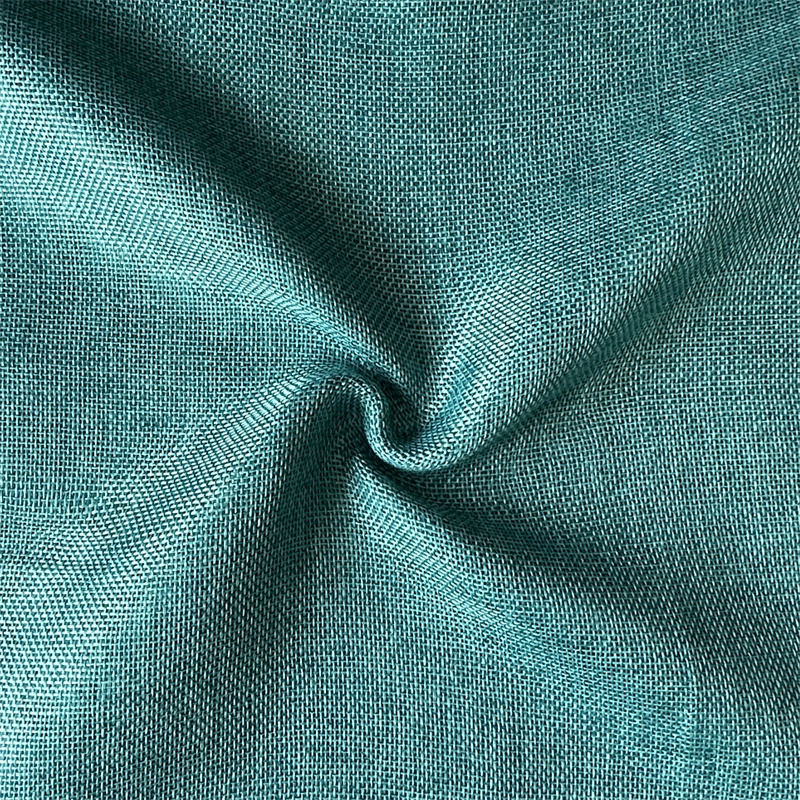
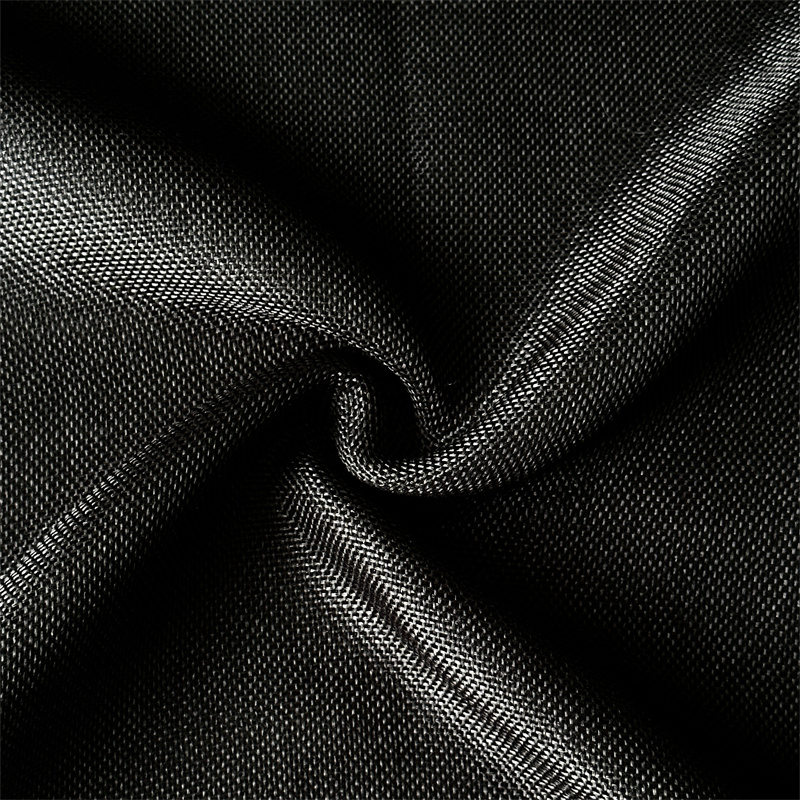
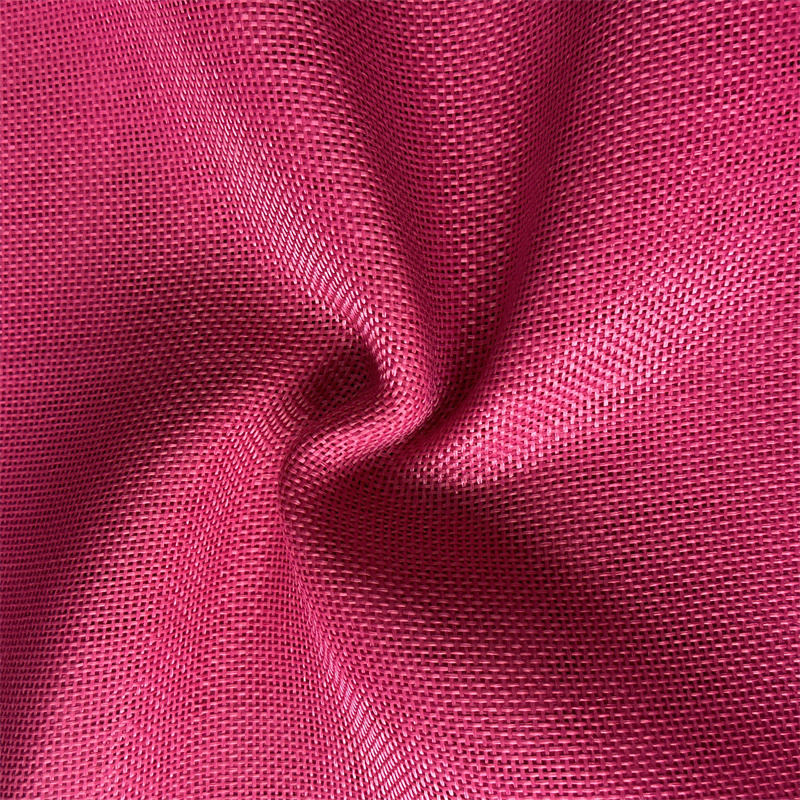
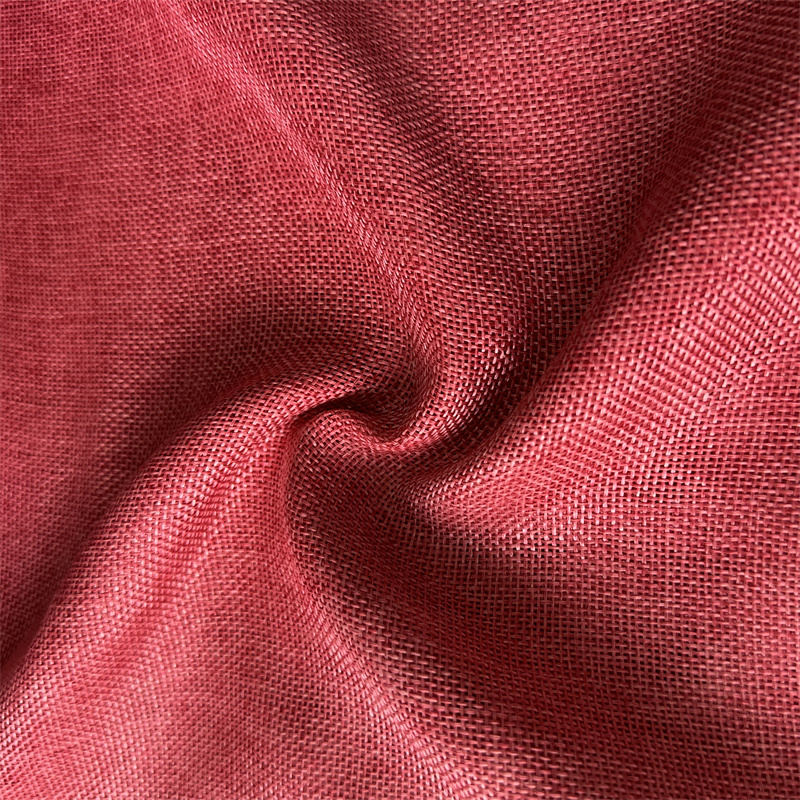
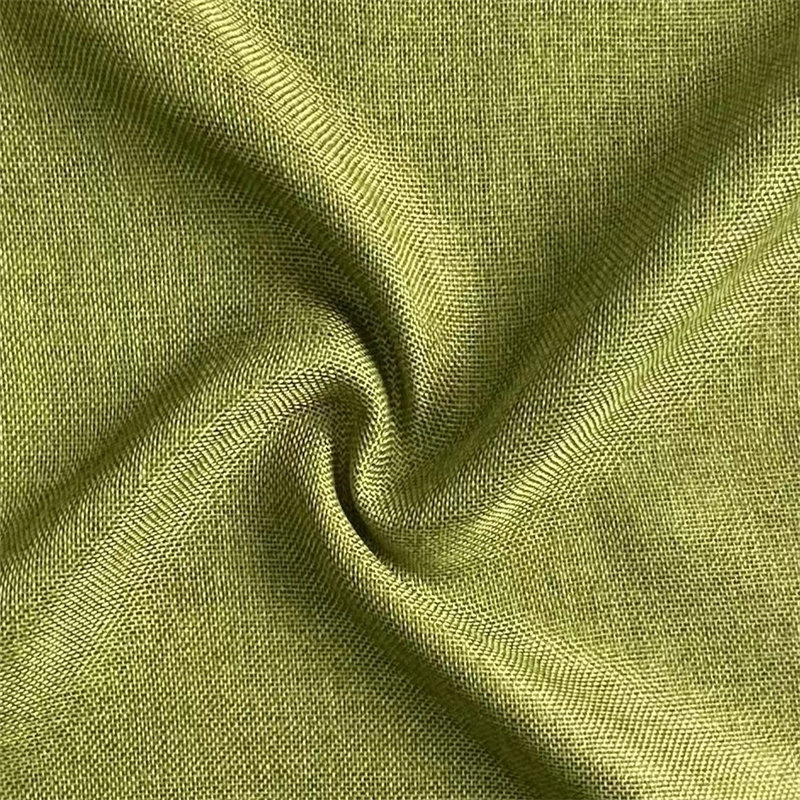
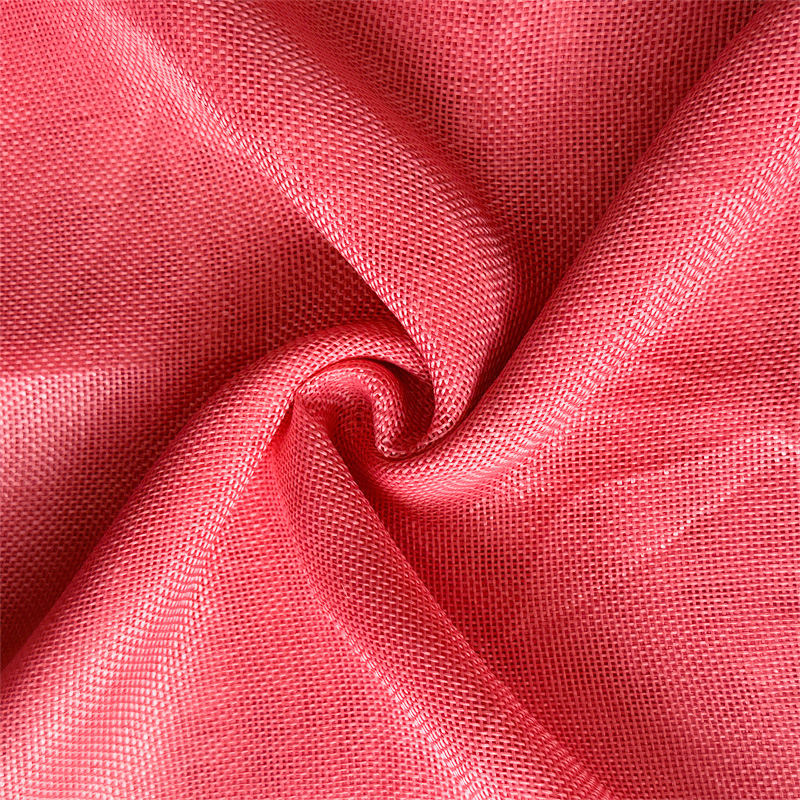
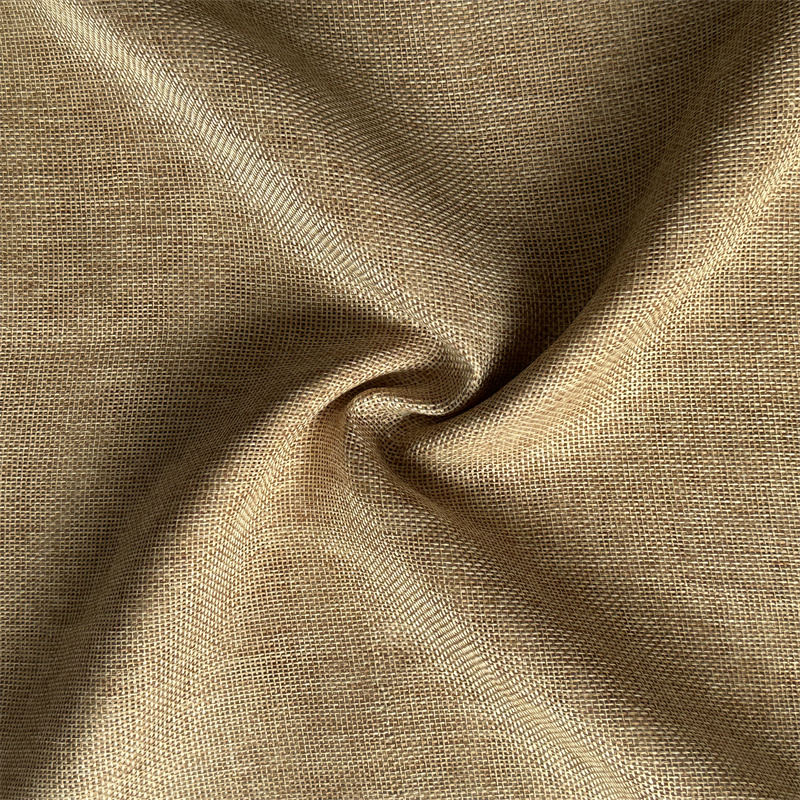
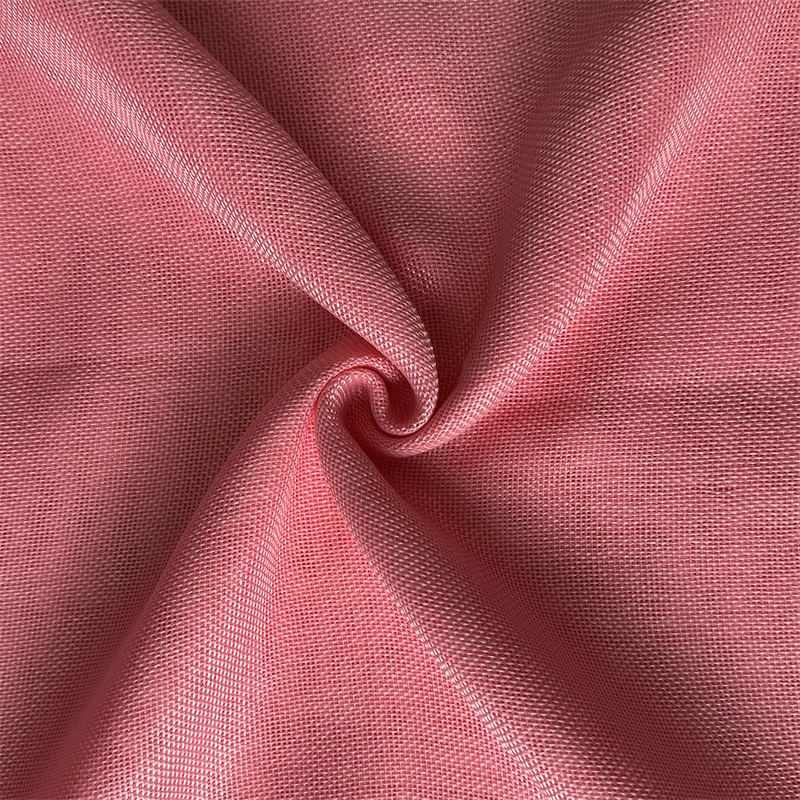
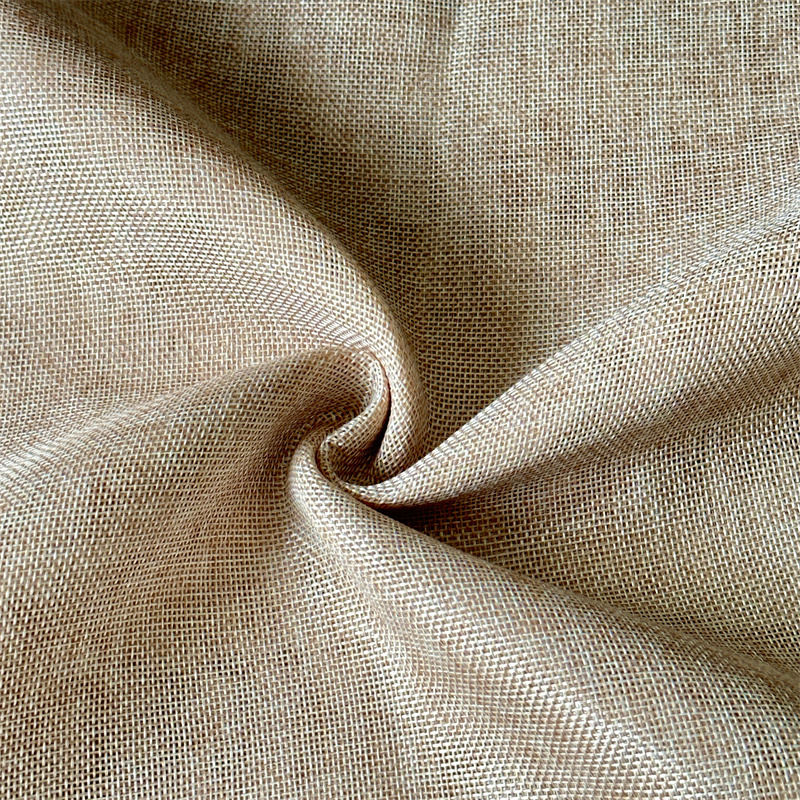
A standout example is polyester linen fabric, also known as faux linen. It offers the relaxed, slightly textured look of natural linen but performs far better in daily use. Natural linen wrinkles easily and can weaken when exposed to moisture, whereas polyester linen keeps its clean appearance with much less effort. That combination of style and practicality makes it an excellent chair fabric material for dining rooms, offices, and hospitality settings alike.
Another advantage of polyester is how well it responds to modern finishing treatments. Fabrics can be engineered with stain-resistant or moisture-repellent finishes, which makes them even more practical for dining chairs and office seating. Because our polyester linen fabrics are produced in our own facility, we can adjust weight, texture, and finishing to suit the specific needs of each project.
If you would like to learn more about how this material behaves in real-life settings, read about the benefits of using polyester linen fabric in clothing and home decor.
Adding Character with Woven Patterns
Fabric structure plays a big role in how a chair looks and feels. Jacquard fabric, for example, is woven on a jacquard loom so that intricate patterns are built into the cloth itself. Because the design is woven rather than printed, jacquard upholstery resists fading and keeps its detail even after years of use. It works beautifully on dining chairs, headboards, and accent seating where a decorative focal point is welcome.
 Jacquard Fabric ManufacturersWEIGHT: 330gsm WIDTH: 148cm MOQ: 1000M/COLOR COMPOSITION: 75% Polyester 15% Cotton 10% Viscose Jacquard fabric is woven by a special jacquard machine with a unique sof...View Product →
Other textured options include chenille, which brings a soft, plush touch that invites people to sit and stay, and corduroy, whose raised ridges add visual rhythm. However, heavily textured fabrics may be more vulnerable to wear in high-traffic areas, so it is wise to balance decoration with practical durability.
Matching the Fabric to the Chair's Role
Different chairs ask different things from their fabric material. Reflecting on how a chair will actually be used makes it easier to narrow down the options.
Office and Task Chairs
Office chairs demand durability and easy maintenance. Polyester blends are a popular choice because they handle long hours of use, resist pilling, and keep their color even with daily contact.
Dining Chairs
Dining chairs face spills, crumbs, and frequent cleaning. Stain-resistant or wipe-clean fabrics give you peace of mind, and a textured weave like polyester linen helps disguise everyday marks.
Accent and Lounge Chairs
Accent and lounge chairs allow more freedom in color, pattern, and texture, since they do not endure constant wear. This is the perfect place for a bold jacquard pattern or a smooth, lustrous fabric that turns the chair into the centerpiece of the room.
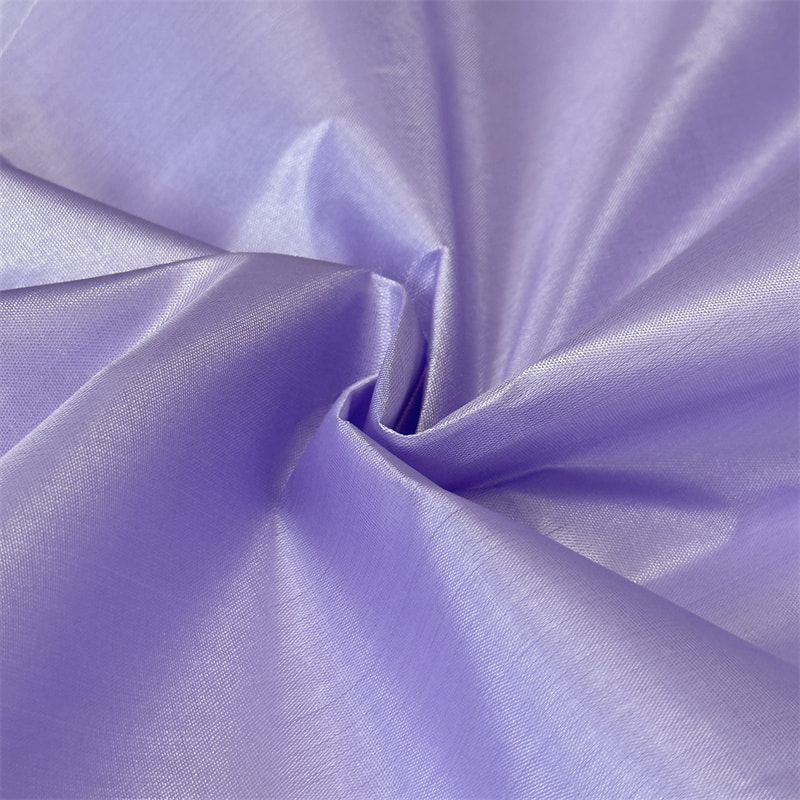 Imitation Silk Fabric ManufacturersImitation Silk Fabric is a very popular synthetic fabric designed to mimic the texture and look of natural silk. Typically made of polyester or nylon, imitation silk n...View Product →
Children's Chairs
Children's chairs need strong, washable fabrics that survive snacks, art projects, and everyday play. A durable synthetic fabric keeps these chairs looking fresh for far longer.
Caring for Your Chair Fabric
A good chair fabric material lasts longer when it receives simple, regular care. These habits will help any upholstery stay presentable:
- Vacuum chairs weekly to remove dust and crumbs from the weave.
- Blot spills immediately with a clean, dry cloth, and avoid rubbing the liquid deeper into the fibers.
- Keep chairs away from prolonged direct sunlight to prevent fading over time.
- Use a gentle upholstery cleaner that suits the fiber type when a deeper clean is needed.
- Rotate seat cushions if possible so the fabric wears evenly across the chair.
Final Thoughts
Choosing the right chair fabric material means balancing durability, comfort, maintenance, and style. Polyester and its blends deliver dependable performance with a clean, modern look, while woven patterns like jacquard add personality and depth. The ideal fabric will always depend on the chair's role, the people who use it, and the atmosphere you want to create.
As a fabric manufacturer and textile supplier, we work with upholstery fabrics every day, and we understand how important it is to find the right match for your project. If you would like to explore our fabric range or discuss your specific requirements with our team, we are always happy to help.