

 中文简体
中文简体 Español
Content
Scuba fabric has a way of surprising people the first time they touch it. It feels smooth and a little spongy, with enough thickness to stand up on its own but enough stretch to move with the body. Although the name brings diving gear to mind, scuba fabric in the textile world is something different. Understanding what it is can help you decide whether it belongs in your next collection, project, or order.
What Is Scuba Fabric?
Scuba fabric is a medium-weight, double-knit textile made from a polyester and elastane (spandex) blend. In some cases, manufacturers add a small percentage of cotton or other fibers for texture, but the core recipe remains the same: a synthetic knit with built-in stretch and excellent recovery. The term "scuba" is often used interchangeably with "neoprene" in casual conversation, but fashion scuba fabric is not the same as the closed-cell rubber used in wetsuits. Instead, it is a knit that mimics neoprene's spongy hand and body without the waterproof, insulating baggage.
The double-knit construction sets scuba apart from ordinary jerseys. Two layers of loops are interlocked, which gives the fabric a smooth face, a clean reverse, and edges that resist curling. It also gives garments their trademark verticality: sewing with scuba is like sewing with a fabric that already knows how to hold a shape.
How Is Scuba Fabric Made?
Scuba fabric begins with polyester yarns, usually textured filaments, that are twisted with elastane to provide stretch. These yarns are fed into circular knitting machines configured to produce a double-knit structure. The resulting grey fabric is then heat-set under carefully controlled conditions, which fixes the loops and locks in the stretch so the fabric can snap back after being pulled.
After heat-setting, the fabric is dyed, washed, and finished. Polyester dyes are deep and rich, and the fine surface can be treated to create a smooth, slightly matte appearance. The finished fabric is inspected for evenness, then rolled and shipped to garment factories or fabric buyers. Because scuba's performance depends on the quality of the polyester and the precision of the heat-setting, supplier experience matters a great deal.
Key Properties of Scuba Fabric
If you are evaluating scuba fabric for a design brief, these are the properties that matter most.
| Property | Why It Matters |
|---|---|
| Structure and body | Holds shape in dresses, jackets, and tailored tops |
| Stretch and recovery | Moves with the wearer and resists bagging |
| Smooth, opaque face | Covers details without needing a lining |
| Wrinkle resistance | Travels well and needs little ironing |
| Edge stability | Does not curl, making cutting and sewing faster |
| Quick drying | Useful for performance and daily-wear styles |
Scuba is not considered a breathable fabric. Because it is a polyester-based knit with a dense structure, it can trap heat. For summer styles, choose a lighter version and avoid overdressing. For autumn and winter, this quality becomes an advantage, especially in jackets and lined dresses.
What Is Scuba Fabric Used For?
Fashion designers reach for scuba when they want a silhouette that stays crisp without interfacing or boning. Common applications include:
- Statement dresses and fit-and-flare skirts
- Structured jackets and modern coats
- Women's blazers and professional separates
- Sleeveless tops and shell tops with clean seams
- Event linens and table styling, where its thickness gives a plush finish
Because scuba is thick and does not fray, unlined garments still look polished. It also takes well to seaming and topstitching, which makes it popular for faux-wrap dresses, A-line skirts, and contemporary workwear.
Scuba Fabric vs Similar Materials
Scuba is sometimes confused with ponte di roma, cotton jersey, and actual neoprene. The table below shows the key differences.
| Material | Construction | Hand Feel | Typical Use |
|---|---|---|---|
| Scuba | Double knit with elastane | Spongy, springy, structured | Dresses, jackets, tops |
| Ponte di roma | Double knit with rayon/nylon/spandex | Smoother, drapey but stable | Trousers, skirts, dresses |
| Cotton jersey | Single knit | Soft, fluid, casual | T-shirts, loungewear |
| Neoprene | Foamed rubber sheet | Dense, waterproof, firm | Wetsuits, bags, accessories |
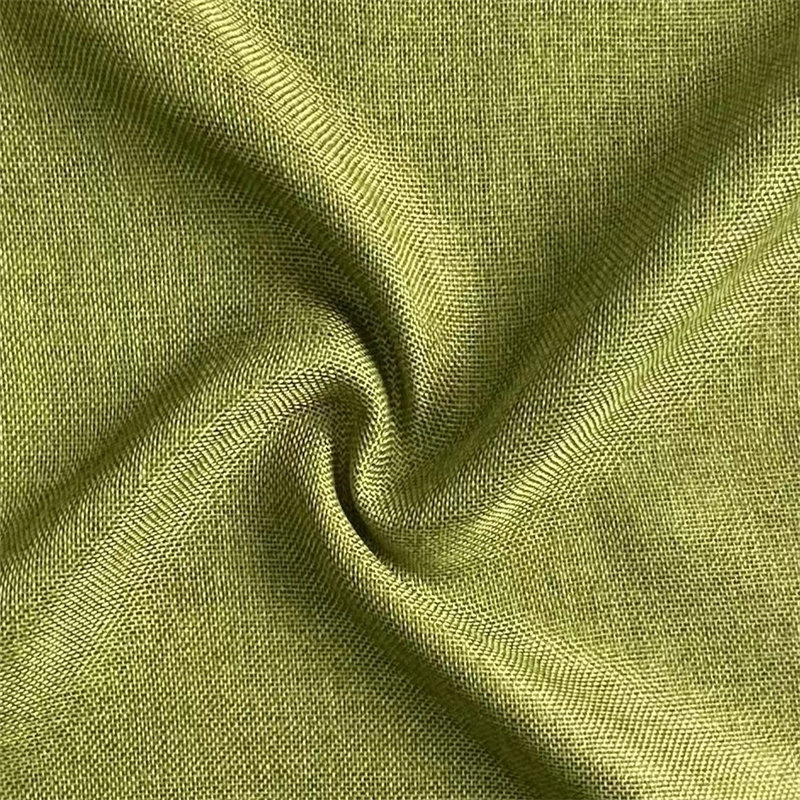
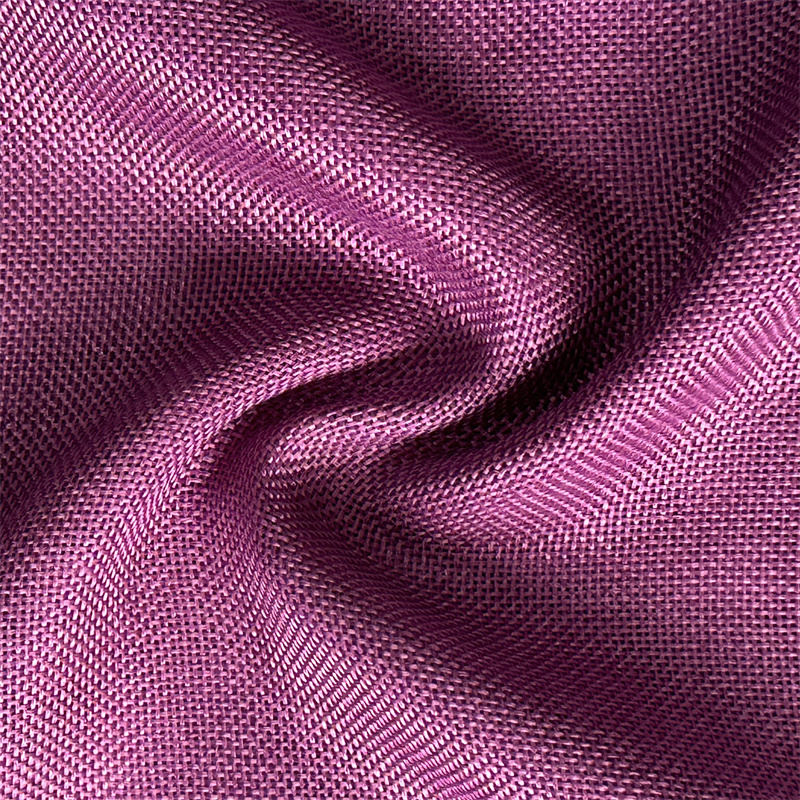
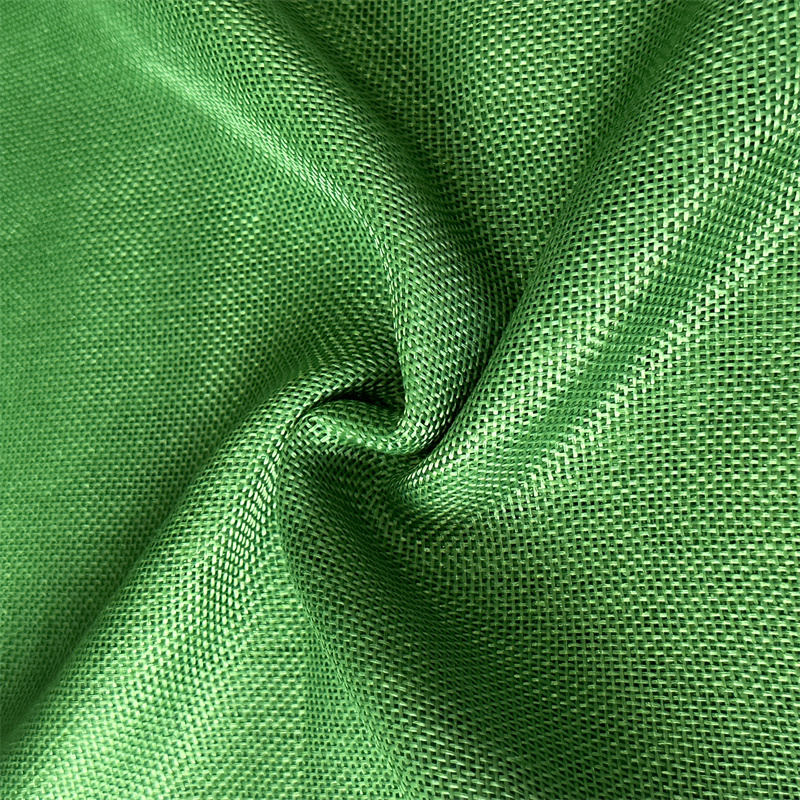
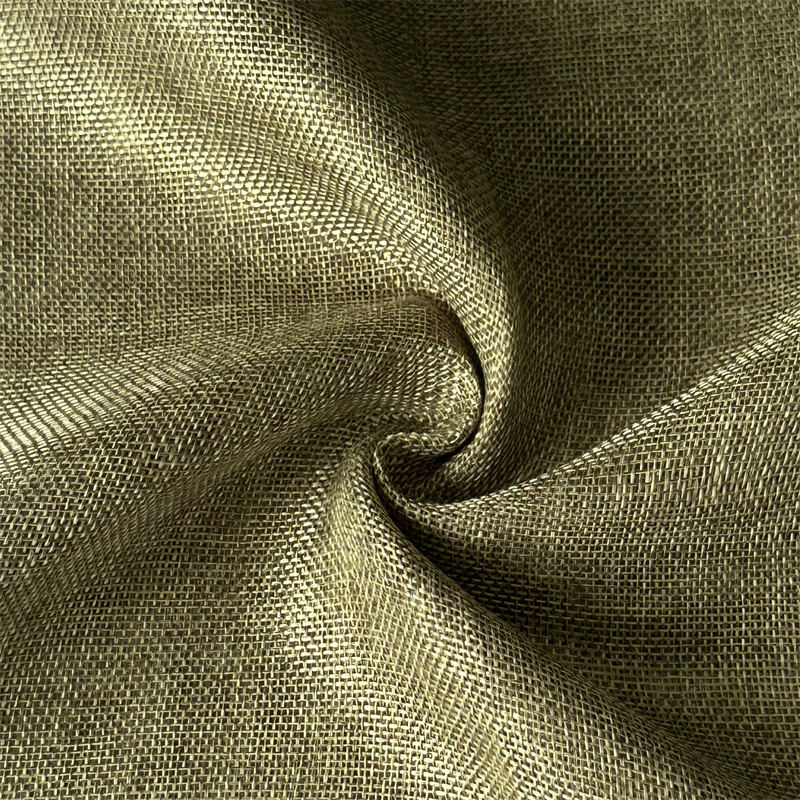
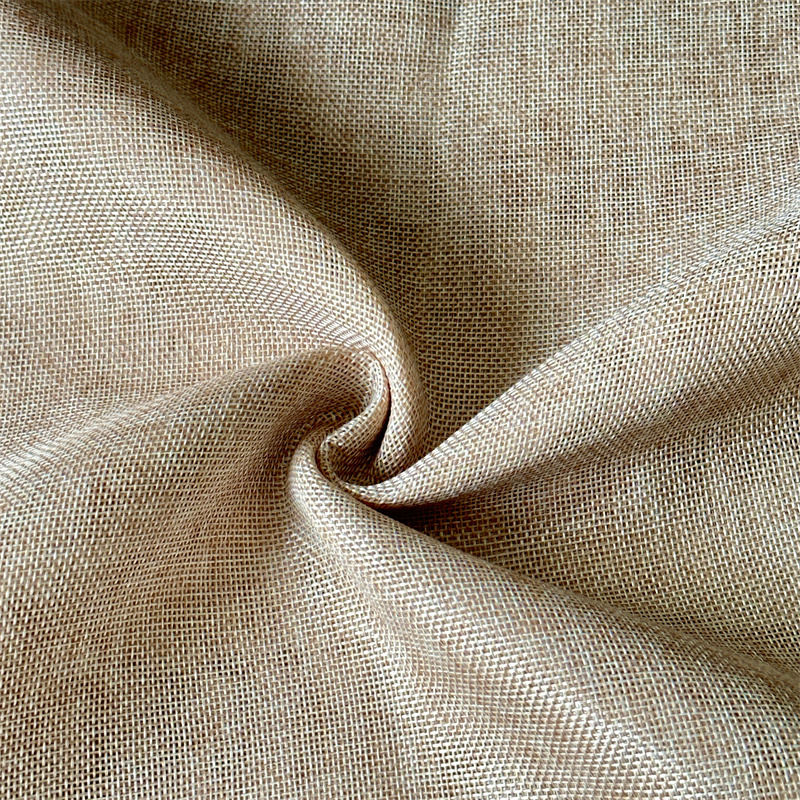
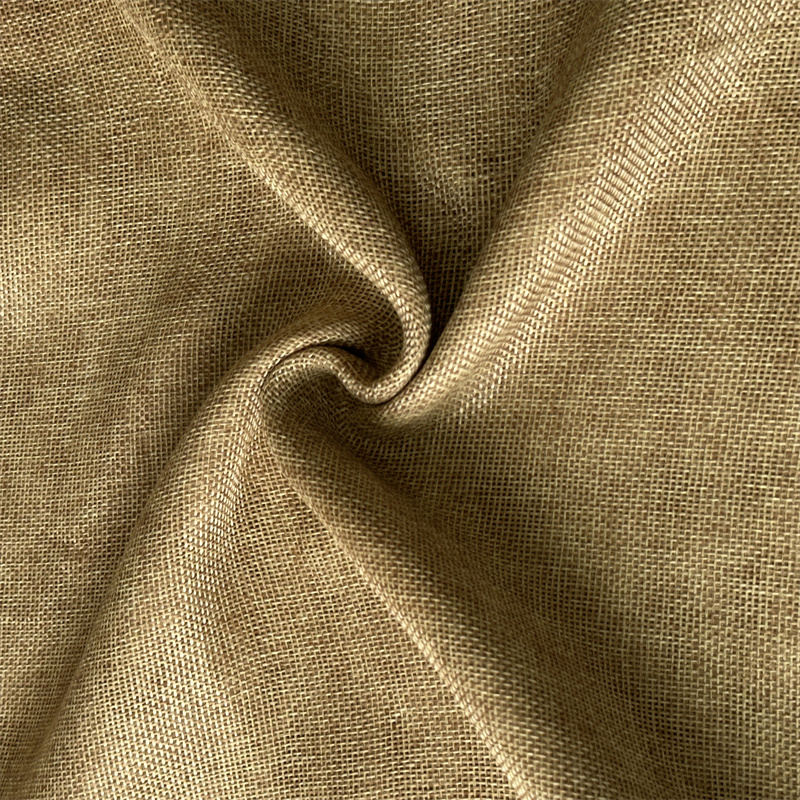
For home and apparel textiles that need similar stability, polyester-based wovens can be a useful alternative. In our own fabric library, for example, we explore how polyester blends balance body and comfort in garments as well as home decor. You can read our guide to the benefits of polyester linen fabric.
If the design calls for woven surface interest plus a stable hand, our allover jacquard fabric can serve as a crafted alternative to a plain scuba knit.
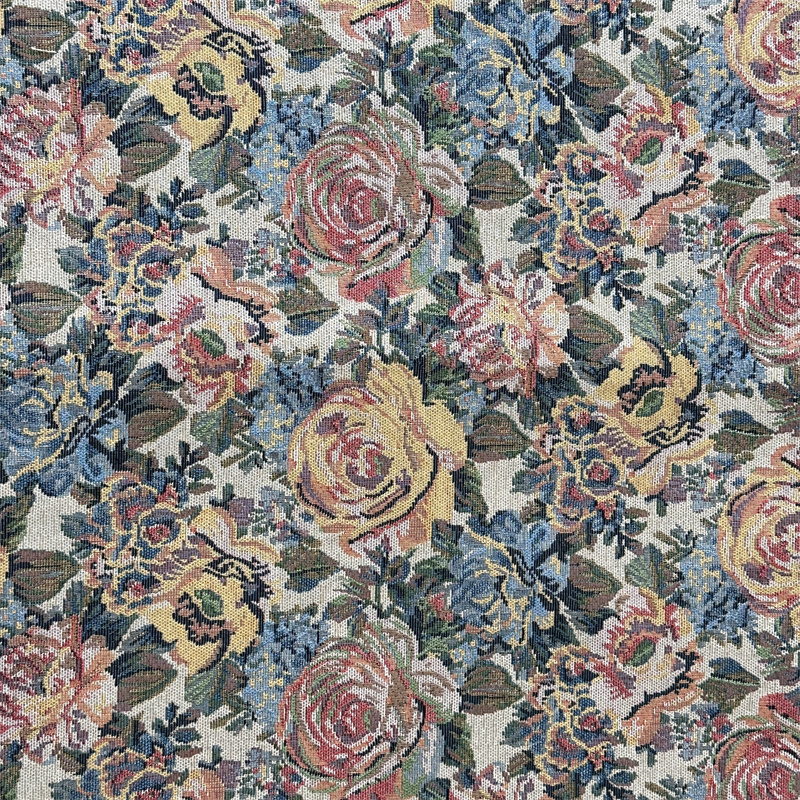 All-over Jacquard Fabric for Woven Surface InterestThis continuous jacquard weave adds a crafted, decorative texture that stands in for plain scuba knit while keeping a stable hand for sewing projects.View Product →
How to Sew with Scuba Fabric
Sewing with scuba is generally beginner-friendly compared with other stretch fabrics, but a few techniques make the process even smoother:
- Use a stretch or ballpoint needle, size 70/10 or 80/12.
- Choose polyester thread for strength and compatibility.
- Test stitch length and tension on a scrap before starting.
- Use a walking foot if your machine tends to feed stretch fabrics unevenly.
- Avoid steam-heavy pressing; use a pressing cloth and a warm, dry iron.
- Press seams flat to the side rather than pressing hard, which can leave marks.
- For shoulder seams or areas under stress, add clear elastic to prevent stretching during wear.
Because scuba does not fray, finishing can be as simple as a narrow zigzag or leaving an enclosed seam inside a lining. Just be careful not to overwork the fabric; its structure recovers quickly, but needless handling can stretch it along the stretch direction.
Caring for Scuba Fabric
Scuba's polyester base makes it low-maintenance, but heat is its main enemy. Follow these care recommendations:
- Machine wash cold on a gentle cycle with similar colors.
- Do not wring or twist; squeeze out excess water gently.
- Lay flat or hang to dry away from direct heat and sunlight.
- Iron at low temperature with a press cloth, or steam lightly without pressing down.
- Avoid high-heat tumble drying, which can damage elastane and shrink polyester.
With proper care, scuba garments keep their shape and color for years. If you are producing scuba pieces for retail, including a clear care label is a good way to reduce returns.
Working with a Textile Manufacturer on Structured Fabrics
While we do not manufacture scuba knit at our mill, we do produce structured wovens that solve similar design problems. At Tongxiang Miaoqisi Textile Co., Ltd., we have built our mill around helping buyers find the right material for a specific end use. We are an integrated trade and manufacturing company, with a modern factory of more than 10,000 square meters, over 200 looms, and a daily production capacity of more than 60,000 meters. We stock more than 100 fabric varieties, each with more than 2,000 meters on hand, so sample and production orders can move quickly.
For a smooth, polished fabric with the refined sheen of eveningwear, our woven satin fabric is a versatile option for dresses, skirts, and garment details.
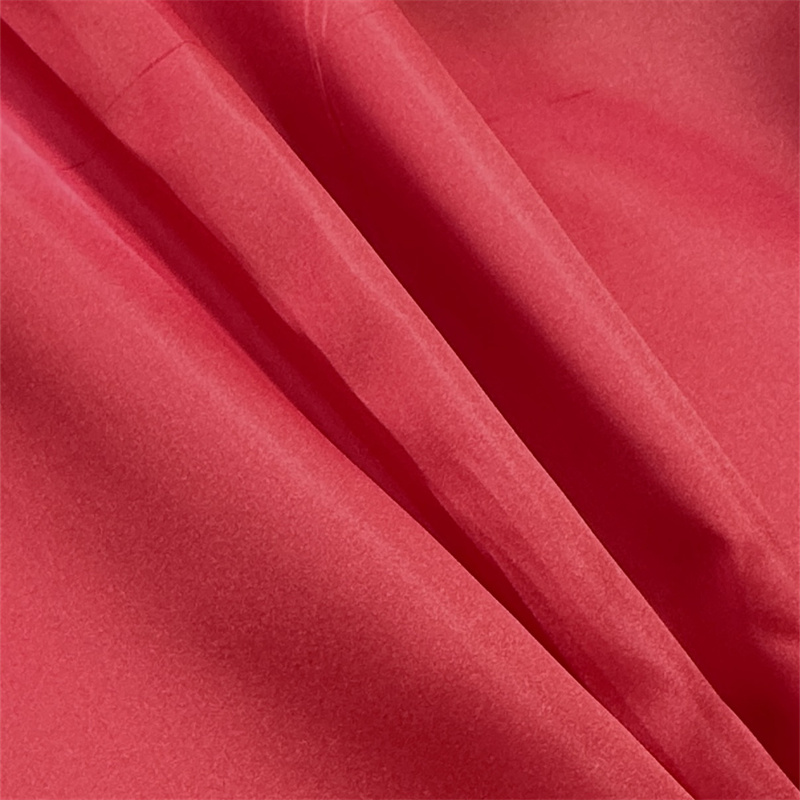 Woven Satin Fabric with Smooth Glossy FinishIts silky sheen and fluid drape make it a polished choice for dresses, skirts, and garment details, offering durability alongside an elegant look.View Product →
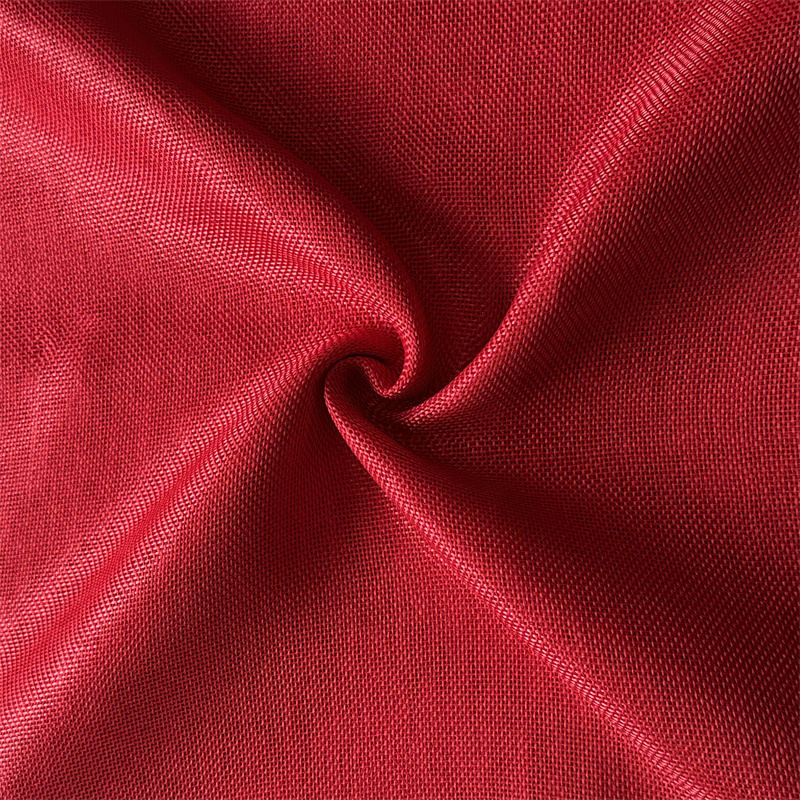
If you need a lighter, breathable alternative for warm-weather collections, our solid-color polyester faux linen fabric is a 125gsm shirting that keeps a clean, matte surface.
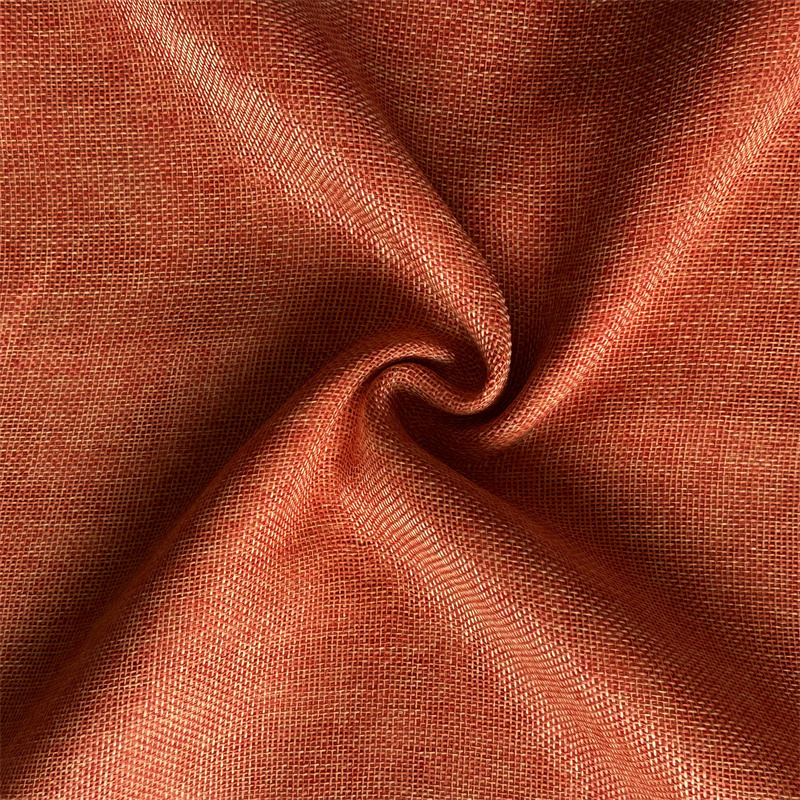 Lightweight Polyester Faux Linen Shirting FabricAt 125gsm, this polyester faux linen provides a breathable, matte alternative for summer garments and soft home accents, with easy-care durability.View Product →
Whether you are sourcing a single fabric or building a seasonal range, we can help you evaluate options, produce samples, and scale to full production. We also offer customization services for color, finish, and order size. That is the kind of hands-on experience that turns a good design into a finished product buyers trust.