

 中文简体
中文简体 Español
Content
- 1 What Is Chenille Fabric and How Is It Constructed?
- 2 Fiber Types Used in Chenille Fabric and Their Performance Differences
- 3 Key Properties of Chenille Fabric That Define Its Applications
- 4 Main Applications of Chenille Fabric Across Industries
- 5 Chenille Fabric Grades and Quality Indicators
- 6 How to Care for Chenille Fabric Properly
- 7 What to Look for When Buying Chenille Fabric
What Is Chenille Fabric and How Is It Constructed?
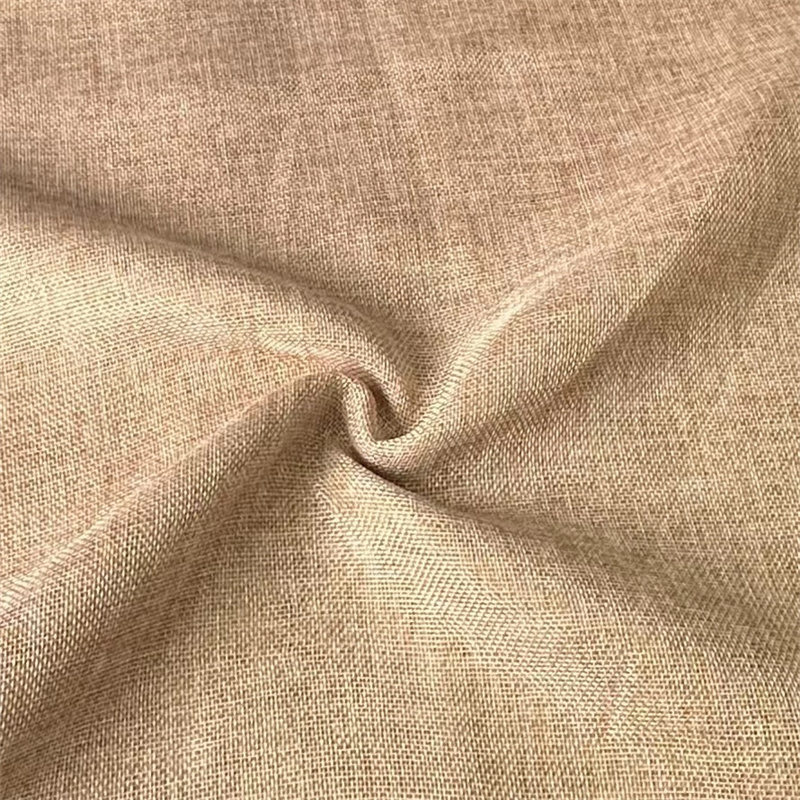
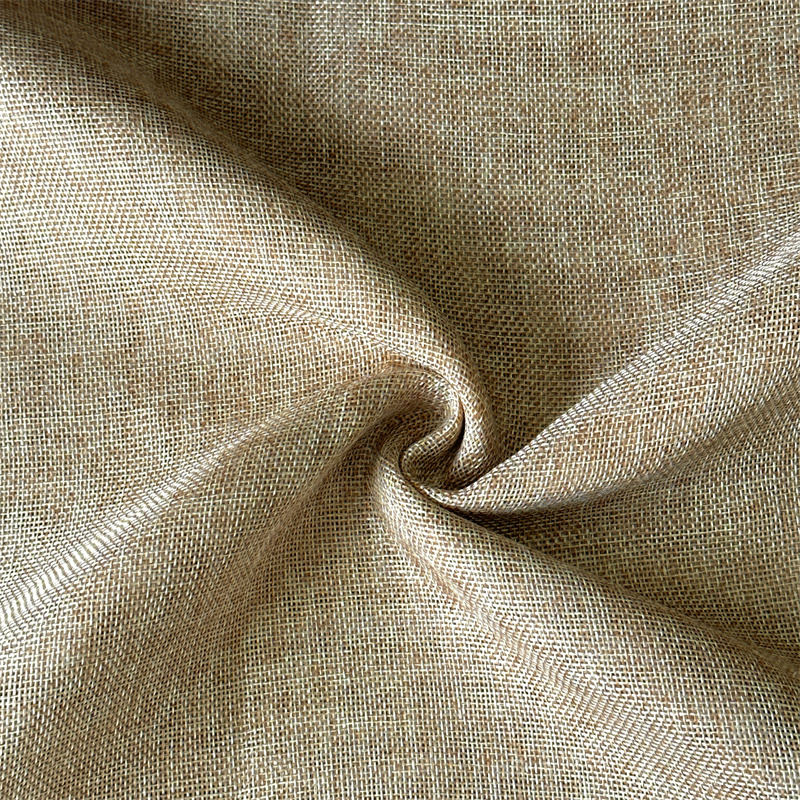
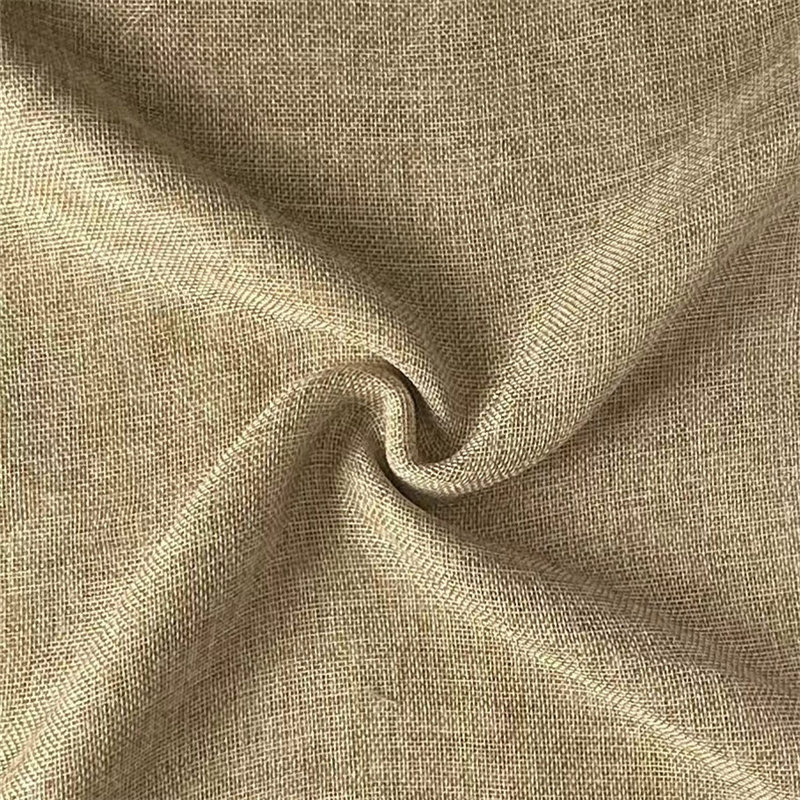
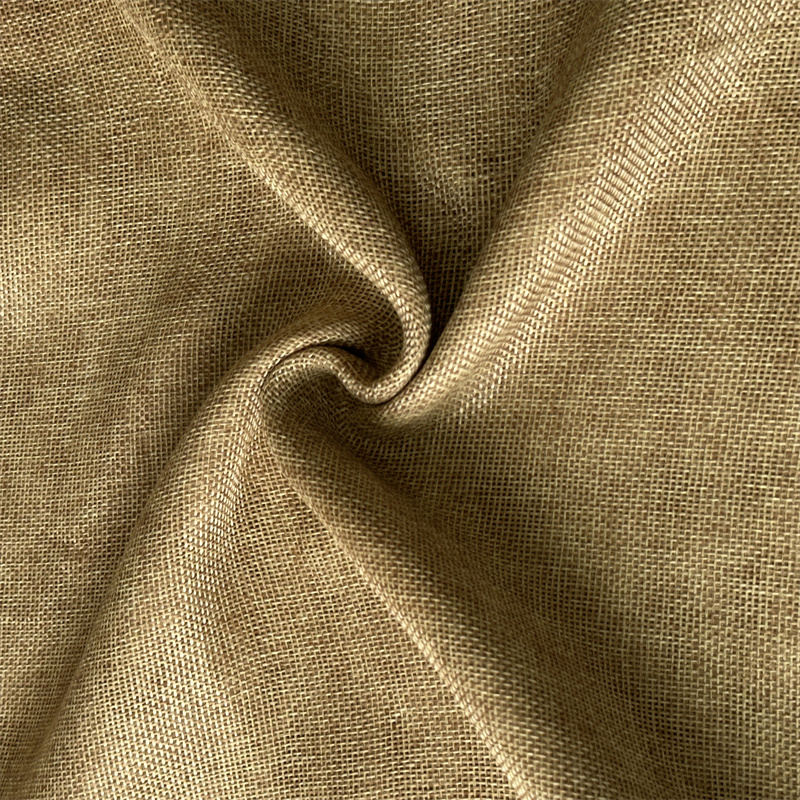
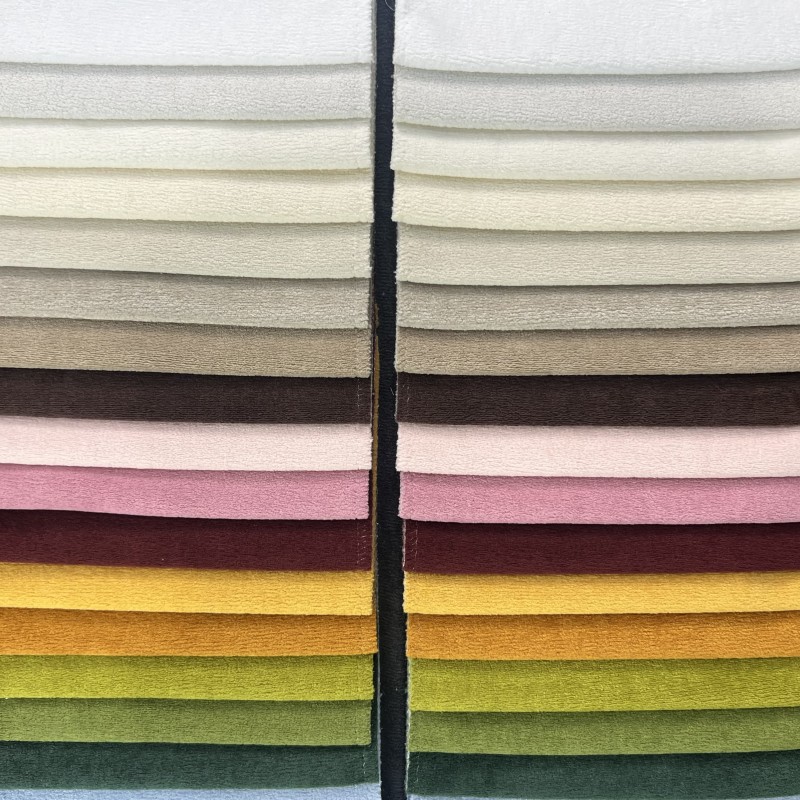
Chenille fabric takes its name from the French word for caterpillar — an apt description for the fuzzy, soft pile that characterizes this distinctive textile. Unlike woven or knitted fabrics where the visual and tactile surface comes directly from the interlacing of yarns, chenille fabric derives its defining plush texture from the structure of the chenille yarn itself, which is manufactured as a separate, highly specialized yarn before the fabric is even woven or knitted. A chenille yarn is produced by locking short lengths of cut fiber — the pile — perpendicular to and between two tightly twisted core yarns that hold the pile in place. The result resembles a small, densely furred caterpillar in cross-section, with soft fiber ends radiating outward from the yarn axis in all directions. When this yarn is woven or knitted into fabric, these protruding fiber ends create the dense, velvety pile surface that gives chenille its characteristic softness and light-absorbing depth.
The production of chenille yarn begins by arranging pile fibers — which may be cotton, acrylic, polyester, rayon, silk, or a blend — parallel to each other and perpendicular to two core yarns positioned on either side. The core yarns are then twisted together in a tight spiral, gripping the pile fibers between them and locking them in position. The resulting yarn is then cut to the required length and wound onto cones for use in weaving or knitting. The pile fiber length — typically 2 to 6 mm — determines the depth and softness of the finished fabric surface, with longer pile producing a more luxurious, cushioned feel and shorter pile producing a tighter, more defined surface with better abrasion resistance. The manufacturing precision required to produce consistent pile length, even core twist, and secure fiber anchoring is what distinguishes premium chenille yarn from commodity alternatives, and this quality difference is immediately apparent in the appearance and durability of the finished fabric.
Fiber Types Used in Chenille Fabric and Their Performance Differences
The fiber composition of chenille fabric has a direct and significant impact on its softness, durability, care requirements, and suitability for different applications. The same chenille yarn construction can be made from several different fiber types, each producing a fabric with a distinct character that suits specific end uses better than others.
Cotton Chenille
Cotton chenille is one of the most traditional forms of this fabric, prized for its natural softness, excellent moisture absorption, and breathability. Cotton pile fibers produce a dense, matte surface with a warmth and naturalness that synthetic chenille cannot fully replicate. Cotton chenille is hypoallergenic, making it particularly suitable for bedding, throws, and garments worn close to the skin. Its main limitation is susceptibility to shrinkage during washing — cotton fibers contract significantly in hot water — and a tendency to wrinkle more than synthetic alternatives. Vintage chenille bedspreads, the large-format cotton chenille pieces popular in mid-20th century American homes, are classic examples of cotton chenille at its most expressive, featuring tufted designs created by varying pile density to produce raised patterns and pictorial motifs against a flat ground fabric.
Acrylic and Polyester Chenille
Acrylic chenille is the most widely produced synthetic chenille fiber, used extensively in upholstery, home furnishings, and craft yarns for crochet and knitting. Acrylic pile fibers are highly resistant to pilling when properly spun into chenille yarn, maintain their color vibrancy through extensive use and washing, and are significantly more affordable than cotton or natural fiber alternatives at commercial scale. Polyester chenille offers similar advantages with improved abrasion resistance and slightly better dimensional stability, making it the preferred choice for high-traffic upholstery applications where the fabric must withstand years of friction from regular sitting and leaning. Both acrylic and polyester chenille can be engineered with fire retardant finishes for contract and hospitality upholstery applications, which is a significant advantage over natural fiber alternatives that require more complex chemical treatment to meet fire safety standards.
Rayon and Silk Chenille
Rayon chenille produces a fabric with exceptional luster and drape — the smooth, light-reflecting surface of rayon pile fibers gives rayon chenille a subtle sheen that cotton and synthetic versions lack. This makes rayon chenille particularly effective in fashion applications including scarves, evening tops, and decorative jacket trims where visual depth and luxurious hand feel are priorities. Silk chenille represents the apex of the fiber category — the natural protein fiber produces pile of extraordinary fineness and luster that creates a fabric with incomparable depth and richness. Silk chenille is used in haute couture garments, luxury throws, and high-end decorative textiles where cost is a secondary consideration to surface quality. Both rayon and silk chenille are more delicate than synthetic versions and require careful handling during both production and use to prevent pile shedding and surface distortion.
Key Properties of Chenille Fabric That Define Its Applications
Chenille fabric has a distinct set of physical and performance properties that make it exceptionally well suited to certain applications while limiting its suitability for others. Understanding these properties allows designers, buyers, and consumers to make informed decisions about when chenille is the right material choice and what to expect from it in use.
- Exceptional Softness: The outward-radiating pile fibers of chenille yarn create a surface of extraordinary softness that is one of the fabric's defining characteristics. Few textiles of comparable weight match chenille's tactile comfort, which is why it dominates soft furnishing applications where touch quality is a primary selection criterion.
- High Light Absorption and Visual Depth: The three-dimensional pile structure of chenille captures and absorbs light rather than reflecting it, creating a rich, deep color appearance with minimal surface glare. This light absorption gives chenille its characteristic visual depth — colors appear more saturated and complex in chenille than in flat-woven fabrics of identical dye specification — which is why dark and jewel-toned chenille upholstery fabrics have a particularly sumptuous appearance.
- Good Insulating Properties: The thick pile layer traps air within its depth, giving chenille fabric natural thermal insulating properties. Chenille throws and blankets feel warm and cozy in use, and chenille upholstery fabric provides a warmer seating surface than flat-woven alternatives in cool environments.
- Tendency to Crush and Mark: The pile surface of chenille is susceptible to crushing — when compressed under sustained pressure from sitting, folding, or stacking, the pile fibers flatten and may not fully recover their upright position. This "shading" effect, where compressed areas appear lighter or darker depending on viewing angle, is a characteristic feature of chenille upholstery that most users accept as part of the fabric's natural behavior. Light steaming can restore crushed pile in many cases.
- Pile Shedding in Early Use: New chenille fabric — particularly cotton and rayon versions — sheds loose pile fibers during initial use and washing as incompletely anchored fibers work free from the core yarns. This shedding typically decreases significantly after a few washes and is not a defect in quality chenille but an inherent characteristic of the pile construction. Vacuuming upholstered chenille pieces regularly during the first few months of use manages the shedding effectively.
- Snagging Risk From Sharp Objects: The protruding pile fibers can be caught and pulled by sharp objects — including rings, fastener hooks, rough surfaces, and pet claws — creating pulled loops or bald spots in the pile surface. This vulnerability is shared with velvet and other pile fabrics and is a practical consideration for high-pet or high-traffic environments where the fabric's surface may encounter abrasive or sharp contact regularly.
Main Applications of Chenille Fabric Across Industries
The combination of exceptional softness, visual richness, and design versatility has established chenille fabric across a diverse range of residential, commercial, and fashion applications, each leveraging different aspects of the fabric's property profile.
Upholstery and Furniture Covering
Upholstery is the single largest application for chenille fabric, and chenille is consistently one of the most popular upholstery fabric choices in residential furniture markets across Europe, North America, and Asia. Sofas, armchairs, ottomans, and headboards upholstered in chenille provide a visually rich, tactilely inviting surface that is difficult for flat-woven fabrics to match at equivalent price points. Upholstery-grade chenille is typically woven in a jacquard weave that incorporates pattern variation — geometric designs, abstract motifs, or tone-on-tone textures — directly into the fabric structure, creating visual complexity that complements the pile texture. The weight of upholstery chenille — typically 300 to 600 gsm — provides the substance necessary to resist stretching over furniture frames during fitting and to maintain its appearance under years of regular seating use. For commercial and contract upholstery — hospitality, healthcare, and office environments — chenille fabrics specified with the appropriate rub test performance (typically 25,000 to 50,000 Martindale rubs for commercial use) provide both the aesthetic and durability required by professional procurement specifications.
Home Textiles: Throws, Cushions, and Bedding
Chenille throws and blankets are among the most commercially successful home textile products in the soft furnishings category, valued for their exceptional warmth-to-weight ratio and the sensory comfort they provide. A well-made chenille throw combines the visual presence of a substantial textile with a lightweight construction that makes it practical for everyday use on sofas and beds. Chenille cushion covers bring the fabric's color depth and softness to accent pieces, where the pile texture catches light differently from flat-woven cushions in the same space, adding tactile and visual dimension to room schemes. In bedding, chenille bedspreads and coverlets — particularly in cotton chenille — have experienced a revival in interior design as consumers seek textiles with craft-authentic, artisanal character that complement natural material interior schemes.
Fashion Garments and Accessories
Chenille's fashion applications span a range from everyday knitwear to luxury accessories. Chenille sweaters — knitted from chenille yarn on standard knitwear machinery — became a significant fashion trend in the late 1990s and have periodically returned to fashion relevance, valued for their plush softness and casual luxury aesthetic. Chenille scarves and wraps leverage the fabric's insulating pile and color depth for accessories that combine warmth with distinctive visual texture. In weave-based fashion applications, chenille fabric is used for structured blazer fronts, skirt panels, and decorative trim details in both ready-to-wear and couture contexts, where its surface richness contrasts effectively with smoother companion fabrics like silk or satin.
Chenille Fabric Grades and Quality Indicators
The market for chenille fabric spans a very wide quality range, from premium upholstery chenille with engineered durability specifications to budget decorative chenille that prioritizes initial appearance over long-term performance. The following table summarizes the key quality indicators that distinguish different grades of chenille fabric:
| Quality Indicator | Premium Grade | Standard Grade | Budget Grade |
| Martindale Rub Test | 30,000+ rubs | 15,000–25,000 rubs | Under 15,000 rubs |
| Pile Fiber Anchoring | Tight — minimal shedding | Moderate shedding initially | Heavy shedding throughout |
| Pile Consistency | Uniform height and density | Minor variation acceptable | Visible variation in pile height |
| Color Fastness | Grade 4–5 (ISO 105) | Grade 3–4 | Grade 2–3 |
| Fabric Weight | 350–600 gsm | 250–350 gsm | Under 250 gsm |
| Typical Application | Contract upholstery, premium furniture | Residential upholstery, cushions | Decorative throws, craft use |
How to Care for Chenille Fabric Properly
Correct care is essential to maintaining the appearance and extending the service life of chenille fabric across all its applications. The pile structure that gives chenille its appealing softness also makes it more sensitive to mechanical agitation, heat, and friction than flat-woven fabrics of equivalent weight, and following appropriate care procedures prevents the irreversible pile damage that incorrect laundering can cause.
- Check the Care Label First: Chenille fabric is produced from a wide range of fiber types, and the appropriate care method depends entirely on the fiber content rather than the pile construction alone. Cotton chenille may tolerate warm machine washing while acrylic and polyester chenille requires cooler temperatures, and rayon chenille may require hand washing or dry cleaning to prevent shrinkage and pile distortion. Never assume care requirements based on appearance.
- Use a Gentle or Delicate Machine Cycle: When machine washing is appropriate for the fiber type, use the most gentle cycle available with a low spin speed. High spin speeds twist and compress the pile fibers intensely, causing matting and crushing that is difficult to reverse. Place chenille items in a mesh laundry bag to reduce friction between the pile surface and the machine drum during washing.
- Use Cool or Lukewarm Water: Hot water causes pile fibers to contract, which loosens their grip in the core yarn twist and dramatically increases shedding. Cool to lukewarm water — not exceeding 30°C for most chenille fiber types — is sufficient for effective cleaning while minimizing fiber stress during washing.
- Avoid Tumble Drying if Possible: The heat and mechanical tumbling of a dryer can crush and mat chenille pile irreversibly. Line drying or flat drying away from direct sunlight is the safest approach. If tumble drying is necessary, use the lowest possible heat setting and remove the item while still slightly damp to finish air drying flat. Shake the item gently after washing to restore pile direction before drying.
- Steam Rather Than Iron for Pile Restoration: If chenille pile becomes crushed or flattened during use or washing, holding a steam iron 2 to 3 cm above the surface and applying steam without direct contact allows the pile fibers to relax and restore their upright position. Direct contact between a hot iron and chenille pile will permanently flatten and fuse the fibers — never iron chenille directly even with a pressing cloth unless the care instructions specifically permit this.
- Vacuum Upholstery Chenille Regularly: Use a soft brush attachment on a vacuum cleaner to remove surface dust, loose fibers, and pet hair from chenille upholstery regularly — ideally weekly for heavily used pieces. Vacuuming in the direction of the pile prevents the nozzle from catching and pulling pile fibers. Prompt attention to spills — blotting rather than rubbing to avoid driving the spill deeper into the pile — prevents staining that becomes permanent once dried into the pile depth.
What to Look for When Buying Chenille Fabric
Whether purchasing chenille fabric by the meter for upholstery or sewing, selecting a ready-made chenille product, or choosing a chenille yarn for craft projects, several practical evaluation criteria help distinguish quality material from inferior alternatives that will disappoint in use.
Run the back of your hand firmly across the fabric surface and observe how the pile responds. Quality chenille pile springs back toward its upright position quickly after being disturbed; inferior chenille with poorly anchored pile stays flattened and shows the direction of your stroke permanently. Check the pile density by parting it gently — premium chenille has dense pile coverage that fully hides the core yarns, while budget chenille often shows visible gaps in the pile where the core structure is visible through the surface. For upholstery purchasing, request the Martindale rub test result and confirm it meets the minimum requirement for your intended application — 15,000 rubs minimum for light domestic use and 25,000 or more for regular household seating.
For garment and craft use, assess the yarn twist tightness in the chenille by bending a small section sharply — if pile fibers fall out of the core twist readily under this stress, the yarn will shed excessively during sewing or wearing. Check color consistency across the roll width and along the length for upholstery fabric, as dye lot variation that is acceptable in apparel fabric becomes highly visible when the fabric is pulled taut over furniture frames. Finally, confirm the fabric's fiber content in writing from the supplier before committing to a significant purchase — fiber content cannot be reliably assessed by appearance or touch alone, and knowing the exact composition is essential for predicting care behavior, performance longevity, and suitability for the intended application.