

 中文简体
中文简体 Español
Content
- 1 What Is Imitation Silk Fabric and What Makes It Different From Real Silk?
- 2 Main Types of Imitation Silk Fabric and Their Fiber Origins
- 3 Imitation Silk vs. Real Silk: A Practical Comparison
- 4 Common Applications of Imitation Silk Fabric Across Industries
- 5 How to Identify Imitation Silk From Real Silk
- 6 Sewing and Working With Imitation Silk Fabric
- 7 Care and Maintenance of Imitation Silk Garments and Textiles
What Is Imitation Silk Fabric and What Makes It Different From Real Silk?
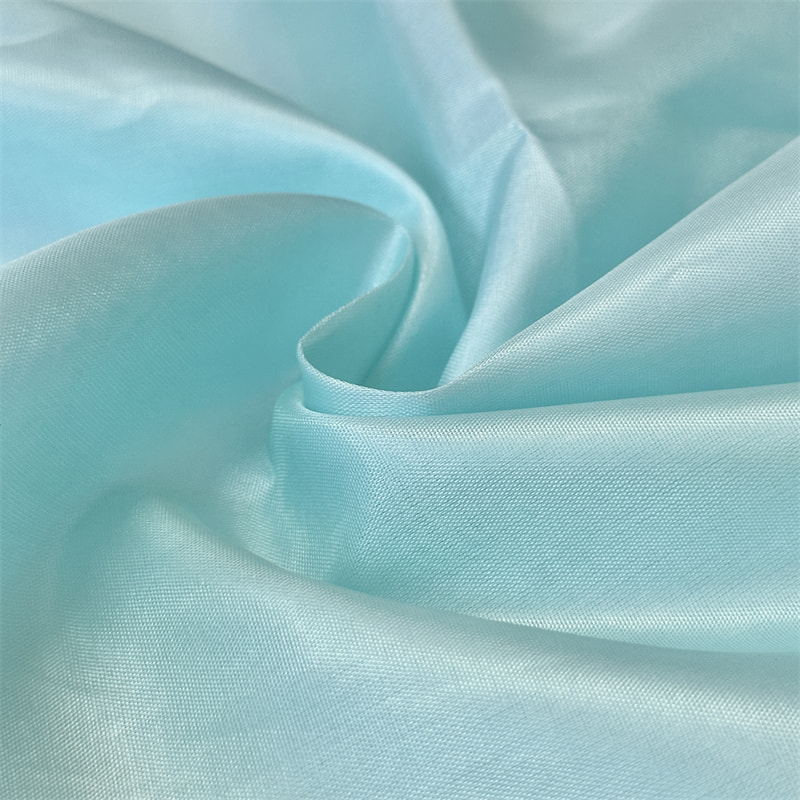
Imitation silk fabric is a broad category of textile materials engineered to replicate the visual sheen, smooth hand feel, and fluid drape of natural silk without using the actual filaments produced by silkworms. Natural silk is one of the most expensive and labor-intensive textiles in the world — producing one kilogram of raw silk requires approximately 5,000 silkworm cocoons and weeks of careful processing — which places it beyond the practical reach of mass-market fashion and everyday home textiles. Imitation silk fills this gap by using synthetic or semi-synthetic fibers that can be spun into continuous filament yarns and woven or knitted into fabrics that closely approximate silk's signature optical and tactile properties at a fraction of the cost and with significantly greater manufacturing scalability.
The distinction between real silk and imitation silk is rooted in fiber origin and molecular structure. Natural silk is a protein fiber — specifically fibroin — secreted by silkworm larvae as a continuous filament that averages 600 to 900 meters per cocoon. Its triangular cross-section acts as a prism, refracting and reflecting light in a way that produces the characteristic multi-dimensional shimmer unique to genuine silk. Imitation silk fabrics achieve their luster through different mechanisms depending on the fiber used — in polyester faux silk, the trilobal or flat filament cross-section refracts light similarly to silk fibroin; in viscose rayon, the smooth continuous filament structure reflects light uniformly across the fabric surface. Neither fully replicates the depth and complexity of natural silk's optical behavior, but at commercial fabric widths and in finished garments the visual difference is subtle enough that most non-specialists cannot distinguish them at a glance.
Main Types of Imitation Silk Fabric and Their Fiber Origins
Several distinct fiber types are used in the production of imitation silk fabric, each with different raw material sources, manufacturing processes, and performance characteristics. Understanding the differences between these fiber types is essential for making informed purchasing decisions and for matching the imitation silk to the requirements of a specific application.
Polyester Imitation Silk
Polyester is the most widely produced imitation silk fiber globally, used in fabrics marketed as "poly silk," "satin polyester," "charmeuse," and a range of similar commercial names. Polyester filaments for silk-like applications are extruded through specially shaped spinnerets that produce flat, trilobal, or cross-shaped fiber cross-sections designed to maximize light reflection. The resulting yarns, when woven into satin or plain weave constructions at fine gauge, produce a bright, lustrous surface with excellent color saturation and color fastness. Polyester imitation silk is highly wrinkle-resistant, dimensionally stable through washing and wearing, and available in the widest color range of any imitation silk type — including the deep jewel tones and iridescent finishes that make silk-effect fabrics popular in eveningwear and home furnishings. Its main limitations relative to natural silk are lower breathability in warm conditions and a tendency to develop static electricity during wear — both properties addressable through antistatic finishing treatments and fabric construction choices.
Viscose Rayon and Modal Imitation Silk
Viscose rayon — commonly called simply "viscose" in Europe and "rayon" in North America — is a semi-synthetic fiber derived from regenerated cellulose, typically wood pulp, processed through a wet spinning process into continuous filament yarns. Viscose is significantly more breathable and moisture-absorbent than polyester, with a softer, more natural hand feel that many consumers find closer to the character of genuine silk in direct skin contact. Its drape is fluid and lightweight, making it an excellent choice for blouses, lingerie, and lightweight dresses where movement and a natural feel are priorities. The main disadvantages of viscose rayon are its susceptibility to shrinkage during washing if not carefully handled, its tendency to wrinkle easily, and its reduced strength when wet compared to dry — a property that requires care when laundering viscose silk-effect garments. Modal, a higher-quality variant of viscose produced from beechwood cellulose with a modified spinning process, offers improved wet strength, softer hand, and better dimensional stability than standard viscose while retaining comparable breathability and drape.
Cupro and Lyocell (Tencel) Imitation Silk
Cupro — also known as cuprammonium rayon — is a regenerated cellulose fiber produced from cotton linter waste dissolved in a copper-ammonia solution. It produces a very fine, smooth fiber with a natural sheen and breathability that many textile professionals consider the closest imitation to natural silk among all man-made alternatives. Cupro is often used as a lining material in luxury garments — including those from high-end European fashion houses — precisely because its comfort against skin rivals silk at a lower cost. Lyocell, produced under the Tencel brand by Lenzing, is a more sustainable regenerated cellulose fiber with a closed-loop production process that recovers and reuses the solvent used in spinning. Lyocell silk-effect fabrics combine natural sheen, excellent moisture management, and a smooth surface with better environmental credentials than conventional viscose, making them increasingly popular in sustainable fashion lines seeking a silk aesthetic.
Imitation Silk vs. Real Silk: A Practical Comparison
For buyers deciding between genuine silk and imitation silk for a specific application, a direct comparison across practical criteria is more useful than a general quality discussion. The table below summarizes the most relevant differences across the factors that matter most in real-world use:
| Property | Real Silk | Polyester Imitation Silk | Viscose Imitation Silk |
| Luster | Deep, multi-dimensional | Bright, uniform sheen | Soft, gentle sheen |
| Breathability | Excellent | Low to moderate | Good |
| Drape | Fluid, weighted | Fluid, lightweight | Very fluid, soft |
| Wrinkle Resistance | Moderate | Very high | Low |
| Care Ease | Delicate — dry clean or hand wash | Easy — machine washable | Moderate — gentle cycle |
Common Applications of Imitation Silk Fabric Across Industries
Imitation silk fabric's combination of aesthetic appeal, practical durability, and cost accessibility has made it the default choice for silk-look applications across virtually every market segment where natural silk would be either prohibitively expensive or impractically delicate for the intended use.
Fashion and Eveningwear
Polyester charmeuse and satin weave imitation silk dominate the fast fashion and mid-market eveningwear segments, used for slip dresses, occasion blouses, maxi skirts, and formal gowns where the silk-like drape and sheen create a luxurious visual effect at accessible price points. The ability of polyester imitation silk to hold vivid printed designs — particularly the large-scale floral and abstract prints that have been prominent in contemporary womenswear — makes it a versatile design canvas that natural silk can match in quality but not in commercial scale or cost efficiency. High street brands and department store private label collections use imitation silk extensively for their premium-positioned occasion wear lines, where consumer expectations of silk aesthetics are met through fabric visual quality rather than fiber content.
Lingerie and Sleepwear
The lingerie and sleepwear categories are among the most sophisticated end uses for imitation silk, where fabric hand feel against skin is critical and both viscose and cupro imitation silk outperform polyester in the tactile comfort dimension. Satin-weave viscose and modal nightgowns, camisoles, and robes provide the smooth, cool-against-skin feel associated with silk sleepwear at prices accessible to mainstream consumers. The moisture-absorbing properties of cellulosic imitation silk fibers also provide comfort advantages over polyester in extended wear contexts — particularly important in sleepwear where moisture management during sleep directly affects comfort quality. Premium lingerie brands increasingly specify Tencel or cupro as their imitation silk base material to balance consumer demand for a genuine silk feel with sustainability positioning and competitive retail pricing.
Home Textiles and Interior Decoration
Imitation silk is extensively used in home textiles — including cushion covers, curtains, bedding, table runners, and decorative throws — where the visual warmth and luster of silk aesthetics are desired but the durability and washability of synthetic or semi-synthetic fibers are practical necessities. Polyester jacquard and satin weave imitation silk curtain fabrics provide a formal, elegant window treatment aesthetic in living rooms, dining rooms, and hotel interiors that would require very costly genuine silk to replicate in full scale. Imitation silk pillowcases — marketed for their supposed skin and hair benefits of smooth surface contact — have become a significant consumer product category, with polyester satin and viscose satin versions competing on price and tactile quality.
Craft, Cosplay, and Theatrical Costume
The craft and costume making community is one of the most active user groups for imitation silk fabric, particularly polyester charmeuse, brocade, and dupioni-effect fabrics used in cosplay costumes, theatrical wardrobe, wedding decorations, and craft projects. The combination of visual luxury and affordable price per meter makes imitation silk the practical choice for large-scale costume projects where meters of fabric are needed at a budget that genuine silk cannot accommodate. Polyester imitation silk's superior color range — including the metallic, iridescent, and two-tone shot-effect fabrics that replicate shot silk's color-shifting appearance — provides costume makers with design options not available in natural silk at comparable cost points.
How to Identify Imitation Silk From Real Silk
Accurately identifying whether a fabric is genuine silk or an imitation is a practical skill for buyers, garment makers, and secondhand shoppers. Several simple tests can be performed without laboratory equipment to distinguish silk from its synthetic or semi-synthetic imitations.
- The Burn Test: Unravel a few threads from the fabric and hold them briefly in a flame. Natural silk, being a protein fiber, burns slowly, smells like burning hair, and produces a crushable black ash. Polyester imitation silk melts rather than burns cleanly, produces a black sooty smoke, and leaves a hard plastic bead of solidified polymer at the thread end. Viscose rayon burns more quickly and completely than silk, smells like burning paper, and leaves minimal residue — distinguishing it from both silk and polyester.
- The Ring Test: Genuine silk can be gathered and pulled through a finger ring smoothly due to its extreme fineness and slippery surface — a property that imitation silk in heavier weights cannot replicate as easily. This test is indicative rather than definitive but provides a quick initial screening for very fine fabrics.
- The Hand Temperature Test: Hold the fabric against the back of your hand for several seconds. Natural silk warms quickly to skin temperature because its protein fiber structure conducts heat efficiently — creating the characteristic warming sensation that silk wearers describe. Polyester imitation silk remains noticeably cooler and less thermally responsive; viscose is intermediate between the two.
- The Crinkle Sound Test: Bunch the fabric in your hand and release it while listening. Genuine silk produces a distinctive soft rustling sound called "scroop" — a result of the friction between silk filaments coated with sericin protein. Most imitation silk fabrics produce either no sound or a crisper, more plastic rustling without the characteristic organic quality of silk's scroop.
- Price and Label Verification: Genuine silk fabric retails at a significant premium over imitation alternatives. If a fabric labeled or sold as silk is priced comparably to polyester satin, the likelihood of it being authentic is extremely low. Check care labels on garments — real silk typically specifies dry cleaning or careful hand washing, while polyester and viscose alternatives usually specify machine washable at low temperatures.
Sewing and Working With Imitation Silk Fabric
Imitation silk fabrics — particularly satin weave polyester and lightweight viscose — share several challenging handling characteristics with genuine silk that require specific sewing techniques and preparation to manage successfully. Slippery, lightweight fabrics shift easily during cutting and feeding through a sewing machine, and the satin weave surface shows every needle mark, pin hole, and handling crease permanently on the face side of the fabric.
- Use Sharp, Fine Needles: A microtex or sharp needle in size 60/8 or 70/10 pierces the tightly woven filament structure of imitation silk without pushing threads aside or creating runs in the weave. Blunt or universal needles leave visible holes in satin weave fabrics that do not close after sewing — particularly damaging on the right side of garments.
- Pin Only in Seam Allowances: Pins placed in the body of the fabric leave permanent marks on satin weave imitation silk that are visible on the finished garment. Restrict all pinning to the seam allowance area that will be hidden in the finished seam, or use fabric weights instead of pins to hold pattern pieces during cutting.
- Use a Walking Foot for Slippery Fabrics: A walking foot or even-feed presser foot prevents the top layer of slippery imitation silk from advancing faster than the bottom layer under the machine's feed dogs, eliminating the puckering and shifting that causes seam misalignment in lightweight fabrics on a standard presser foot.
- Cut on a Single Layer With Pattern Weights: Cutting double-layer imitation silk with pattern pieces placed on folded fabric frequently results in cut pieces that don't match due to slippage between layers. Cutting a single layer at a time with pattern weights rather than pins produces more accurate pieces, particularly for pieces with curved seam lines and bias-cut elements.
- Test Iron Temperature on a Scrap: Polyester imitation silk can melt, distort, or develop a permanent sheen change at excessive iron temperatures. Always test on a fabric scrap first and use a pressing cloth on the face side of the fabric when ironing. Viscose imitation silk tolerates higher temperatures but must be ironed while still slightly damp to remove creases effectively.
Care and Maintenance of Imitation Silk Garments and Textiles
The care requirements for imitation silk vary significantly between fiber types and should always be confirmed against the specific garment or fabric care label rather than assumed based on appearance alone. Following incorrect care instructions — particularly washing viscose at temperatures appropriate for polyester — can cause irreversible shrinkage, distortion, or surface damage that renders the garment unwearable.
Polyester imitation silk is the easiest to care for among the main imitation silk fiber types. Machine washing in cold to warm water on a delicate or synthetic cycle with a gentle detergent maintains the fabric's appearance indefinitely. Tumble drying on low heat or line drying both work well. Polyester imitation silk should not be ironed at high temperatures — a cool iron setting or a dedicated synthetic fabric temperature is the safe limit to avoid permanent surface distortion. The fabric's inherent wrinkle resistance means that careful removal from the washing machine and smooth hanging during drying often eliminates the need for ironing entirely.
Viscose and modal imitation silk require more careful laundering. Hand washing in cool water with a gentle detergent is the safest approach, particularly for the first wash where shrinkage risk is highest. If machine washing is specified on the care label, use the most delicate cycle available with a low spin speed to minimize mechanical stress on the weakened wet fiber. Never wring viscose fabrics — roll them in a clean towel to remove excess water before hanging flat to dry away from direct sunlight, which can cause color fading in viscose faster than in polyester. Iron viscose while damp on a low to medium setting for best results, and avoid steam directly on the face side which can cause water spotting on some viscose finishes.
Imitation silk fabric has evolved from a simple low-cost substitute for natural silk into a sophisticated category of engineered textiles with specific performance profiles suited to specific applications. Whether the priority is the brilliant, wrinkle-free practicality of polyester silk-effect satin, the breathable natural hand of viscose charmeuse, or the sustainability credentials of Tencel silk-look fabric, understanding the fiber origin, performance characteristics, and care requirements of each imitation silk type allows buyers, designers, and consumers to make choices that deliver genuine value for their specific use — without compromise on the aesthetic qualities that make silk-effect fabrics so enduringly appealing.