

 中文简体
中文简体 Español
Content
- 1 What Is Satin Fabric? The Weave Behind the Shine
- 2 Common Types of Satin Fabric
- 3 Key Properties That Define Satin Fabric
- 4 Practical Uses of Satin Fabric Across Industries
- 5 Tips for Sewing with Satin Fabric
- 6 How to Care for Satin Fabric Properly
- 7 Satin vs. Silk: Clearing Up the Confusion
- 8 Choosing the Right Satin for Your Project
Satin fabric has long been associated with luxury, elegance, and a distinctive glossy sheen that catches the light in a way few other textiles can match. From bridal gowns to high-end bedding, from evening wear to athletic performance garments, satin appears across an impressive range of applications. Yet despite its widespread use, many people are surprised to learn that satin is not actually a fiber — it's a weave structure. Understanding what satin truly is, how it's made, and how to work with it can transform the way you shop, sew, and care for your most treasured pieces.
What Is Satin Fabric? The Weave Behind the Shine
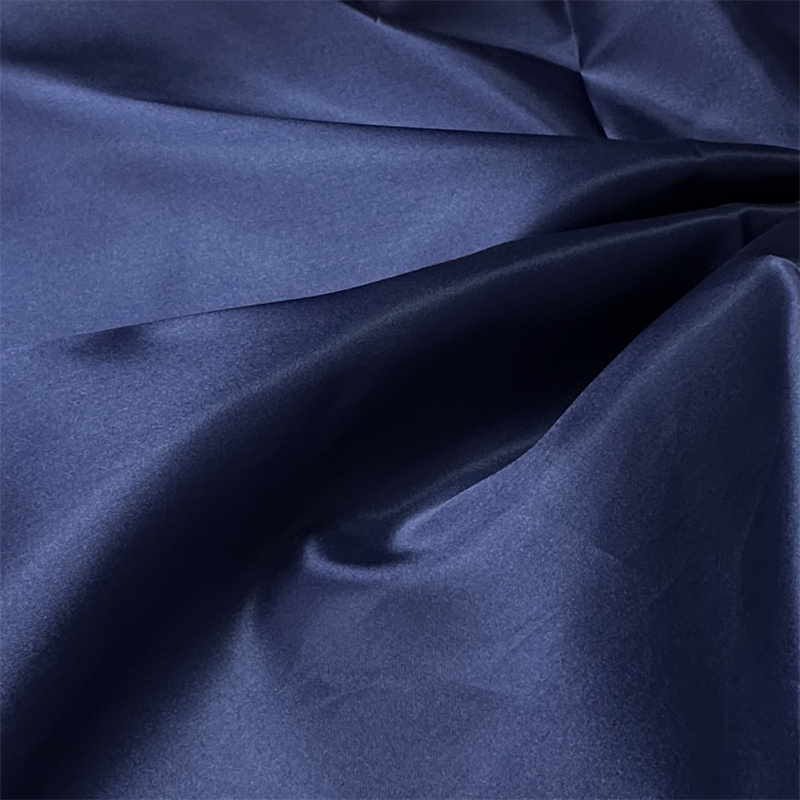
Satin refers to a specific method of weaving rather than the raw material itself. In a satin weave, the warp threads (those running lengthwise on the loom) float over multiple weft threads (those running crosswise) before interlacing beneath one. This long float structure minimizes the number of interlacing points and creates a smooth, continuous surface on the face of the fabric while leaving a duller, more matte finish on the back. The result is that characteristic luminous surface that satin is famous for.
The most common satin weaves are the 4-harness, 5-harness, and 8-harness varieties, with higher harness counts producing an even smoother, more reflective surface. Because the weave structure does the heavy lifting aesthetically, satin can be produced using a wide variety of fibers — silk, polyester, nylon, acetate, wool, and even cotton — each lending slightly different properties to the finished textile.
Common Types of Satin Fabric
Not all satin fabrics are created equal. The fiber content, thread count, and weave variation all influence how a satin looks, feels, and performs. Below is an overview of the most widely used types:
| Type | Fiber Content | Key Characteristics | Common Uses |
| Silk Satin | 100% Silk | Exceptionally soft, natural sheen, breathable | Luxury gowns, lingerie, scarves |
| Polyester Satin | 100% Polyester | Affordable, durable, moisture-resistant | Bridesmaid dresses, linings, bedding |
| Duchess Satin | Silk or Polyester | Heavy, stiff, structured body | Wedding gowns, formal wear |
| Charmeuse | Silk or Polyester | Lightweight, drapey, soft hand | Blouses, lingerie, scarves |
| Antique Satin | Silk or Synthetic | Textured surface, subtle irregularities | Home décor, drapery |
| Satin Crepe | Mixed fibers | Crepe texture on back, sheen on front | Eveningwear, blouses |
Each type occupies a specific niche, and choosing the right one depends on your project's structural demands, budget, and desired aesthetic. Duchess satin, for instance, holds its shape beautifully and is ideal for structured ball gowns, while charmeuse flows effortlessly and works best in draped silhouettes.
Key Properties That Define Satin Fabric
Whether you're selecting satin for garment construction or interior decorating, understanding its core properties will help you make informed decisions:
- High Luster: The long warp floats reflect light uniformly, producing that signature glossy appearance that photographs beautifully and catches ambient light in motion.
- Smooth Hand Feel: The face of satin is exceptionally soft against the skin, which is why it's favored for lingerie, pillowcases, and linings.
- Drapability: Lighter satin weaves have excellent drape, allowing garments to flow naturally along the body's contours.
- Snag Susceptibility: The very float structure that creates the sheen also makes satin vulnerable to snagging on rough surfaces or sharp fingernails.
- Low Breathability (Synthetic): Polyester satin in particular tends to trap body heat and moisture, making it less comfortable in warm climates compared to silk satin.
- Slipperiness: Satin is notoriously difficult to cut and sew precisely because of how easily it slides on cutting surfaces and under sewing machine presser feet.
Practical Uses of Satin Fabric Across Industries
Satin's visual appeal and tactile qualities make it a go-to material in several industries. Its applications extend well beyond fashion into home textiles, sports, and even medical contexts.
Fashion and Formalwear
Satin is a dominant fabric choice in formalwear and bridal fashion. Wedding gowns frequently use duchess satin for bodices and skirts because of its structured body and regal appearance. Evening gowns, cocktail dresses, and tuxedo lapels routinely incorporate satin to convey sophistication. On a more casual level, satin blouses and slip skirts have become wardrobe staples, bringing a touch of quiet luxury to everyday styling.
Lingerie and Sleepwear
The smooth, skin-friendly surface of satin makes it an ideal choice for lingerie and sleepwear. Both silk and polyester satin are used extensively in this category, with polyester offering greater durability and ease of care, and silk providing unmatched breathability and temperature regulation. Satin robes and camisoles remain perennial best-sellers in the intimate apparel market.
Home Textiles and Bedding
Satin pillowcases have gained enormous popularity in recent years, promoted for their hair and skin benefits — particularly reduced friction that may help minimize hair breakage and sleep creases on the face. Satin is also used in decorative throw pillows, draperies, and bedding sets where a luxurious visual statement is desired. Antique satin, with its subtle texture, is especially popular in interior design applications.
Athletics and Performance Wear
While it may seem counterintuitive, satin weaves using moisture-wicking synthetic fibers are used in certain athletic and performance wear contexts, particularly in boxing shorts, athletic shorts, and competitive swimwear linings. The low-friction surface reduces drag and improves comfort during repetitive movements.
Tips for Sewing with Satin Fabric
Working with satin can be challenging for beginners and experienced sewists alike. Its slippery nature and tendency to fray require specific techniques to achieve professional results.
- Use sharp, fine needles: A size 70/10 or 80/12 microtex needle minimizes snags and creates clean stitch holes without distorting the weave.
- Pin within the seam allowance: Pin marks and holes can be visible on satin, so always pin in areas that will be hidden inside seams.
- Cut with sharp scissors or a rotary cutter: Dulls blades drag the fabric and cause fraying. A rotary cutter on a self-healing mat gives the most precise cuts.
- Use tissue paper or a stabilizer underneath: Placing a sheet of tissue paper between the satin and the machine's feed dogs prevents the fabric from slipping or bunching.
- Finish seams carefully: Satin frays significantly. French seams, serged edges, or Hong Kong finishes are all effective methods for securing raw edges neatly.
- Reduce iron temperature: Always press satin on the reverse side with a pressing cloth and low heat. High temperatures can scorch or permanently damage the fabric's surface.
How to Care for Satin Fabric Properly
Proper care is essential to preserving the beauty and longevity of satin garments and textiles. The care process varies depending on the fiber content, so always check the care label before washing.
Washing Guidelines
Silk satin should almost always be hand-washed in cool water with a gentle, pH-neutral detergent, or dry cleaned for heavily structured garments. Polyester satin is more forgiving and can typically be machine washed on a delicate cycle inside a mesh laundry bag. Avoid hot water at all costs — it can cause synthetic satin to lose its sheen and silk satin to shrink or distort.
Drying and Ironing
Never wring out satin. Instead, gently roll it in a clean dry towel to absorb excess moisture, then lay it flat or hang it to air dry away from direct sunlight. UV exposure can fade and weaken satin fibers over time. When ironing is necessary, use the lowest heat setting and always place a pressing cloth between the iron and the fabric. Steam can be used cautiously but should not be applied directly to silk satin, as water spots can appear.
Storage Recommendations
Store satin garments in breathable garment bags rather than plastic, which can trap humidity and promote mildew. For folded items, pad the fold lines with acid-free tissue paper to prevent permanent creasing. Keep satin away from rough surfaces, Velcro, and jewelry that could snag the long floating threads.
Satin vs. Silk: Clearing Up the Confusion
One of the most persistent misconceptions in the textile world is that satin and silk are interchangeable terms. They are not. Silk is a natural protein fiber produced by silkworms, prized for its softness, breathability, and hypoallergenic properties. Satin, as established, is a weave structure. The two terms intersect when silk fibers are woven using the satin weave method — producing what is commonly called silk satin, often considered the pinnacle of luxury fabrics.
The market is flooded with "satin" products that are made entirely of polyester, which can look visually similar to silk satin but differ significantly in feel, breathability, and durability. When purchasing satin, it's worth scrutinizing the fiber content label carefully if the source material matters to you — whether for ethical, health, or quality reasons. A true silk satin will command a much higher price point, while polyester satin offers a budget-friendly alternative with its own set of practical advantages.
Choosing the Right Satin for Your Project
Selecting the appropriate satin fabric depends on balancing several factors: your budget, the end use, the desired silhouette, and how much maintenance you're willing to commit to. For structured bridal designs, duchess satin delivers the body and formality needed. For flowy, romantic eveningwear, charmeuse is hard to beat. For everyday bedding that delivers hair and skin benefits without a premium price tag, polyester satin pillowcases are a practical choice. For heirloom-quality garments where breathability and natural fiber integrity matter, investing in true silk satin is worthwhile.
Satin fabric, when chosen wisely and cared for properly, can last for decades and become some of the most cherished pieces in a wardrobe or home. Its timeless allure, rooted in a weave technique refined over centuries, continues to make it one of the most sought-after textiles in both high fashion and everyday luxury.