

 中文简体
中文简体 Español
Content
- 1 What Makes Jacquard Fabrics Unique
- 2 Types of Jacquard Fabrics for Interior Applications
- 3 Room-by-Room Applications of Jacquard Fabrics
- 4 Selecting Colors and Patterns
- 5 Combining Jacquard with Other Textiles
- 6 Care and Maintenance of Jacquard Fabrics
- 7 Evaluating Jacquard Quality
- 8 Budget Considerations and Value
Jacquard fabrics represent the pinnacle of textile craftsmanship, offering intricate patterns and rich textures that instantly elevate interior spaces from ordinary to extraordinary. Named after Joseph Marie Jacquard, who revolutionized weaving in 1804 with his automated loom invention, these fabrics continue to captivate designers and homeowners with their versatility, durability, and timeless elegance. Understanding what jacquard fabrics are and how to incorporate them effectively into your interiors unlocks endless possibilities for creating sophisticated, personalized living spaces that reflect both luxury and practicality.
What Makes Jacquard Fabrics Unique
Jacquard fabrics distinguish themselves through their complex weaving technique rather than printing or embroidery methods. The patterns are woven directly into the fabric structure using a special loom that controls individual warp threads, allowing intricate designs with multiple colors and elaborate details. This woven construction creates reversible patterns where the design appears on both sides of the fabric, though in inverted colors, and results in exceptional durability since the pattern cannot fade, peel, or wash away like printed designs.
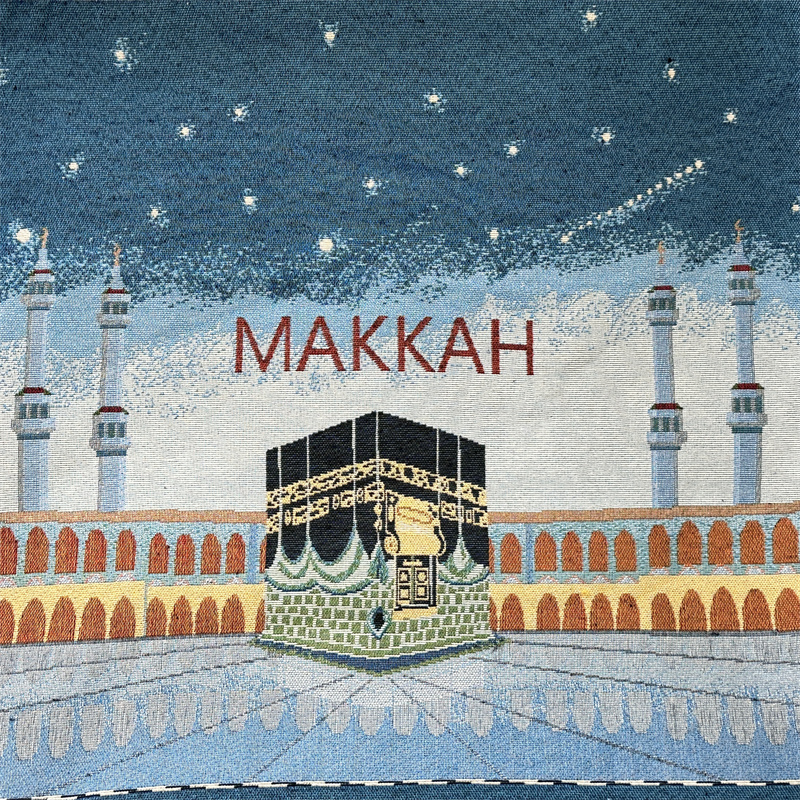
The jacquard weaving process enables virtually unlimited pattern complexity, from delicate florals and geometric motifs to elaborate damask designs and pictorial scenes. Unlike simple weaves that create flat, uniform surfaces, jacquard fabrics feature dimensional textures with raised and recessed areas that add tactile interest and visual depth. The interplay of light and shadow across these textured surfaces creates dynamic appearances that change throughout the day as natural light shifts, adding living character to your interior spaces.
The Jacquard Loom Technology
Modern jacquard looms use computer programming to control thousands of individual warp threads, creating patterns with remarkable precision and complexity. The loom lifts specific threads according to programmed patterns, allowing weft threads to pass under or over them in exact sequences that generate the desired design. This technological sophistication explains why jacquard fabrics typically command premium prices compared to simpler woven or printed textiles, yet the investment delivers superior longevity and aesthetic impact that justifies the initial cost.
Types of Jacquard Fabrics for Interior Applications
The jacquard category encompasses numerous fabric types, each offering distinct characteristics suited to different interior applications. Understanding these variations helps you select appropriate fabrics for specific projects and desired aesthetic effects.
| Jacquard Type | Characteristics | Best Interior Uses |
| Damask | Lustrous patterns on matte background | Formal drapery, upholstery, bedding |
| Brocade | Rich, heavy with metallic threads | Statement cushions, decorative panels |
| Matelassé | Quilted, padded appearance | Coverlets, cushions, headboards |
| Tapestry | Heavy, pictorial designs | Wall hangings, robust upholstery |
Damask Jacquard
Damask represents perhaps the most recognized jacquard type, featuring reversible patterns created through contrasting weave structures—typically satin-weave motifs against plain or twill-weave backgrounds. Traditional damask showcases single-color designs where pattern visibility depends entirely on light reflection differences between weave areas. Modern damask variations incorporate multiple colors for enhanced visual impact. The elegant, timeless aesthetic makes damask ideal for formal dining rooms, traditional living spaces, and master bedrooms where sophistication matters.
Brocade Jacquard
Brocade features elaborate raised patterns often incorporating metallic gold or silver threads that create luminous, opulent effects. The heavy, substantial weight and ornate appearance suit statement pieces rather than full-room applications—think accent pillows, table runners, or decorative panels that add luxury touches without overwhelming spaces. Brocade works particularly well in eclectic, maximalist, or traditional interiors where ornamental richness enhances rather than conflicts with the overall design direction.
Room-by-Room Applications of Jacquard Fabrics
Strategic jacquard placement throughout your home creates cohesive design narratives while addressing each space's functional requirements and aesthetic goals.
Living Room Jacquard Integration
Living rooms benefit tremendously from jacquard upholstery on sofas and armchairs, where the fabric's durability withstands daily use while maintaining visual appeal. Select jacquard patterns that complement your space's scale—large rooms accommodate bold, oversized motifs, while smaller spaces require more delicate, smaller-scale patterns that won't overwhelm. Jacquard drapery panels frame windows elegantly, providing excellent light control and privacy while contributing significant visual weight that anchors room design. Layer solid-colored jacquard cushions with patterned versions to create dimensional interest without pattern chaos.
Bedroom Luxury with Jacquard
Bedrooms transform into luxurious retreats through thoughtful jacquard incorporation. Matelassé coverlets offer sophisticated texture without excessive pattern, creating serene environments conducive to rest. Jacquard euro shams and decorative pillows introduce pattern interest at the bed's head, drawing focus to this focal point. Consider jacquard-upholstered headboards that make dramatic statements while remaining practical and durable. Window treatments in subtle damask patterns filter light beautifully while maintaining privacy and adding formal elegance appropriate to primary bedroom spaces.
Dining Room Formality
Dining spaces naturally suit jacquard's inherent formality. Upholster dining chairs in durable jacquard that withstands regular use and occasional spills—select tightly woven varieties with stain-resistant treatments for practicality. Jacquard table runners add textural interest during everyday use and create elegant foundations for table settings during entertaining. Floor-length jacquard drapery emphasizes ceiling height while creating intimate, sophisticated atmospheres perfect for memorable dinner parties.
Selecting Colors and Patterns
Color and pattern selection significantly impact how jacquard fabrics integrate within existing interior schemes and influence overall spatial perception.
- Monochromatic jacquard patterns create subtle sophistication through tonal variations, adding texture without color complexity—ideal for minimalist or contemporary spaces
- Two-color jacquard designs provide classic elegance with controlled visual impact, working beautifully in traditional and transitional interiors
- Multi-colored jacquard brings vibrancy and complexity, suitable for eclectic spaces or as statement pieces in otherwise neutral rooms
- Metallic-threaded jacquard adds glamour and light reflection, perfect for creating luxurious accents in formal spaces
- Nature-inspired patterns including florals, leaves, and botanical motifs bring organic softness to interiors while maintaining jacquard's structural integrity
Pattern Scale Considerations
Pattern scale dramatically affects spatial perception and should align with room dimensions and furniture proportions. Large-scale jacquard patterns create bold, confident statements appropriate for spacious rooms with high ceilings and substantial furniture. These dramatic designs risk overwhelming small spaces or delicate furnishings. Medium-scale patterns offer versatility, working across various room sizes and furniture styles. Small-scale patterns suit compact spaces, traditional aesthetics, and applications where subtlety matters more than dramatic impact. When using multiple jacquard pieces in one space, vary pattern scales while maintaining consistent color palettes to create harmonious yet interesting schemes.
Combining Jacquard with Other Textiles
Successful interior design rarely relies on single fabric types. Jacquard fabrics combine beautifully with complementary textiles to create layered, sophisticated schemes with varied textures and visual interest.
Pair jacquard's structured patterns with soft, flowing fabrics like silk or linen to balance formality with relaxation. The contrast between jacquard's dimensional weave and smooth, matte linen creates engaging textural dialogue. Velvet complements jacquard exceptionally well—both possess inherent luxury and substantial weight that create cohesive, high-end aesthetics. Use velvet in solid colors that echo hues within jacquard patterns for sophisticated coordination.
Natural fiber textiles including cotton, wool, and jute provide grounding contrast to jacquard's refinement, preventing spaces from feeling overly formal or precious. A chunky wool throw draped over a jacquard sofa adds casual comfort, while jute area rugs anchor jacquard upholstery with earthy texture. This high-low mixing creates collected, livable interiors rather than showroom stiffness.
Creating Cohesive Textile Palettes
Establish cohesive textile schemes by selecting one dominant jacquard piece—perhaps upholstered furniture or drapery—then building supporting layers around it. Extract colors from the jacquard pattern to guide selections of solid-colored textiles in complementary fabrics. Limit patterned textiles to two or three types per room, ensuring they share common colors or stylistic elements that create visual connections rather than competing for attention.
Care and Maintenance of Jacquard Fabrics
Proper maintenance preserves jacquard fabrics' beauty and extends their functional lifespan, protecting your investment in quality textiles.
Regular Cleaning Practices
Vacuum jacquard upholstery weekly using upholstery attachments with soft bristles, working in the direction of the weave pattern to prevent snagging or distorting threads. Address spills immediately by blotting—never rubbing—with clean, absorbent cloths. Apply water or approved cleaning solutions sparingly from the spill's outer edges toward the center to prevent spreading and water rings. Most jacquard fabrics benefit from professional cleaning rather than DIY attempts that risk permanent damage through improper product selection or excessive moisture.
Protecting from Damage
Position jacquard-upholstered furniture away from direct sunlight to prevent fading and fiber degradation. UV-protective window treatments or films preserve colors in sun-exposed rooms. Rotate cushions regularly to distribute wear evenly across surfaces. Apply fabric protectant sprays designed for jacquard textiles to enhance stain resistance without altering appearance or hand feel. Address loose threads immediately by trimming carefully with sharp scissors rather than pulling, which can unravel weave structures and create visible damage.
Evaluating Jacquard Quality
Quality varies tremendously across jacquard fabrics, with construction details, fiber content, and manufacturing precision significantly impacting performance and longevity.
Examine thread count and weave density—higher counts indicate superior quality with better durability and more refined pattern definition. Feel the fabric's weight and substance; quality jacquard possesses noticeable heft appropriate to its intended use. Upholstery-weight jacquard should feel substantial and stable, while drapery jacquard requires enough body to hang properly without excessive stiffness. Check pattern clarity and definition—crisp, clear motifs with distinct edges indicate precise weaving, while fuzzy or poorly defined patterns suggest lower quality manufacturing.
Investigate fiber content, as this fundamentally affects performance characteristics. Natural fiber jacquards including cotton, linen, and silk offer luxury hand feel and excellent breathability but may require more careful maintenance. Synthetic fiber jacquards using polyester or nylon provide enhanced durability and stain resistance while maintaining aesthetic appeal. Many quality jacquard fabrics blend natural and synthetic fibers to optimize both beauty and practicality—common blends include cotton-polyester combinations that deliver softness with easy care.
Assessing Manufacturer Reputation
Research fabric manufacturers and suppliers before making significant purchases. Established textile houses with long histories typically maintain higher quality standards and offer better customer support. Request samples before committing to large orders, examining them under various lighting conditions and alongside existing furnishings to ensure color accuracy and aesthetic compatibility. Verify care requirements and any performance ratings or certifications that indicate suitability for specific applications like high-traffic upholstery or commercial installations.
Budget Considerations and Value
Jacquard fabrics span wide price ranges reflecting quality differences, pattern complexity, and fiber content. While premium jacquards command significant investment, their durability and timeless appeal often deliver superior long-term value compared to cheaper alternatives requiring frequent replacement.
Prioritize quality for high-use applications like sofa upholstery or dining chair seats where durability matters most. Consider mid-range options for lower-impact applications including decorative pillows or window treatments where wear concerns are minimal. Calculate total cost of ownership including maintenance and expected lifespan rather than focusing solely on initial purchase price—quality jacquard lasting ten years costs less annually than budget fabric requiring replacement every two years.
Jacquard fabrics offer unparalleled opportunities to infuse interiors with sophisticated texture, timeless patterns, and enduring quality. By understanding jacquard's unique characteristics, selecting appropriate types for specific applications, and combining them thoughtfully with complementary textiles, you create layered, personalized spaces that reflect refined taste and stand the test of time. Whether you embrace jacquard's formal elegance throughout your home or incorporate it selectively as luxurious accents, this magnificent textile tradition elevates ordinary rooms into extraordinary environments worthy of both daily living and special occasions.