

 中文简体
中文简体 Español
Content
Satin has captivated fashion enthusiasts for centuries with its distinctive lustrous surface, smooth drape, and luxurious appearance. Despite its widespread use in everything from evening gowns to lingerie, many people misunderstand what satin actually is. This comprehensive guide will demystify satin fabric, exploring its unique characteristics, various types, care requirements, and practical applications in fashion, empowering you to make informed decisions when purchasing, wearing, and maintaining satin garments.
Understanding Satin: Weave, Not Fiber
The most important concept to grasp about satin is that it refers to a weaving technique rather than a specific fiber type. This fundamental distinction explains why you'll encounter silk satin, polyester satin, acetate satin, and various other satin fabrics with dramatically different properties and price points. The satin weave creates the fabric's signature characteristics regardless of the fiber used, though the underlying material significantly influences the final fabric's quality, performance, and value.
The satin weave structure follows a specific pattern where warp yarns float over multiple weft yarns before going under one, creating long thread floats on the fabric surface. This construction differs fundamentally from plain weaves where threads alternate over and under in a simple checkerboard pattern, or twill weaves that create diagonal ribbing. The extended floats in satin weaving produce the smooth, reflective surface that catches and reflects light, creating the characteristic sheen that defines satin's aesthetic appeal.
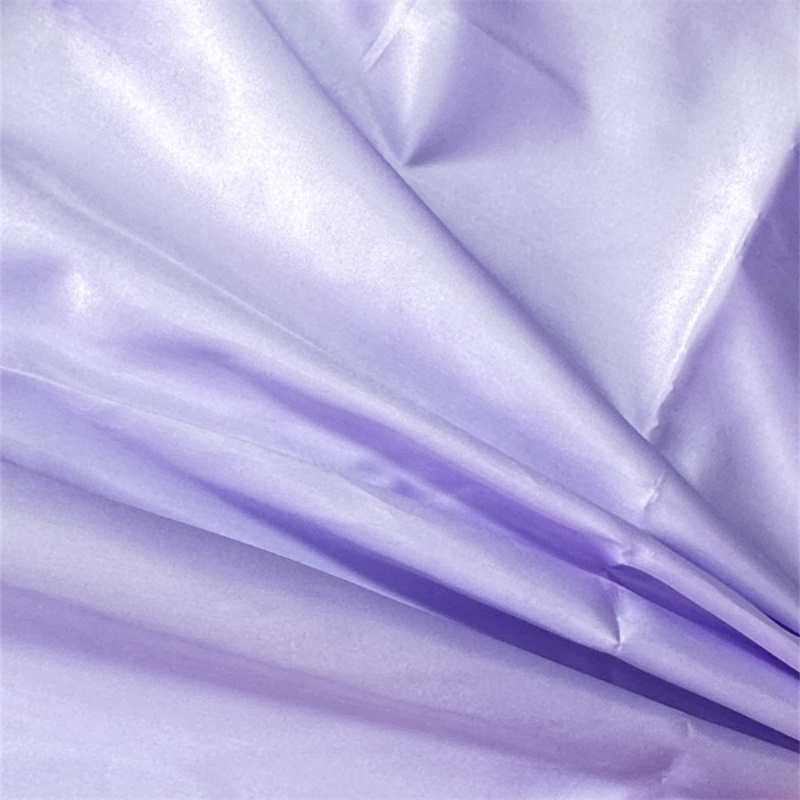
The Technical Structure of Satin Weave
Traditional satin weave typically follows a four-harness or five-harness pattern, meaning the warp thread passes over four or five weft threads before interlacing. This minimal interlacing creates fewer intersections where threads cross, resulting in a smoother surface with less texture interference. The mathematics of satin weaving ensures that intersection points are distributed evenly across the fabric surface rather than clustering, which would create visible patterns or weak spots. High-quality satin fabrics may use eight-harness or even higher weave structures, producing even smoother surfaces with enhanced luster.
Types of Satin Based on Fiber Content
The fiber composition dramatically affects satin's performance characteristics, durability, care requirements, and price. Understanding these differences helps you select appropriate satin fabrics for specific applications and budget considerations.
| Satin Type | Fiber Source | Key Characteristics | Typical Price Range |
| Silk Satin | Natural silk fibers | Luxurious, breathable, temperature-regulating | Premium |
| Polyester Satin | Synthetic polyester | Durable, affordable, wrinkle-resistant | Budget-friendly |
| Acetate Satin | Semi-synthetic acetate | Silk-like appearance, mid-range price | Moderate |
| Nylon Satin | Synthetic nylon | Strong, elastic, moisture-wicking | Moderate |
Silk Satin: The Gold Standard
Silk satin represents the pinnacle of satin fabrics, combining the natural luxury of silk fibers with the elegant drape of satin weaving. Natural silk proteins create exceptional smoothness and a subtle, sophisticated sheen distinct from synthetic alternatives. Silk satin breathes beautifully, making it comfortable across seasons by wicking moisture away from skin in warm weather while providing insulation in cooler temperatures. The natural hypoallergenic properties make silk satin ideal for sensitive skin, while its ability to maintain stable moisture content helps prevent static electricity and flyaway hair.
Polyester Satin: Practical Alternative
Polyester satin offers accessibility and practicality, delivering satin's aesthetic appeal at affordable prices with enhanced durability. Modern polyester manufacturing has significantly improved fabric quality, producing satins with impressive luster and smooth hand feel that casual observers might mistake for silk. Polyester satin resists wrinkles, maintains color vibrancy through repeated washing, and withstands regular wear better than delicate silk. However, synthetic fibers lack silk's breathability and temperature regulation, potentially feeling clammy in warm conditions and generating static electricity in dry environments.
Distinctive Characteristics of Satin Fabric
Satin possesses several defining characteristics that distinguish it from other fabric types and make it particularly valuable for specific fashion applications. Understanding these properties helps you leverage satin's strengths while avoiding situations where its weaknesses might prove problematic.
- Lustrous surface with high light reflection creates elegant sheen ideal for formal and evening wear applications
- Smooth, soft texture provides luxurious hand feel and comfortable wear against skin
- Excellent drape creates flowing silhouettes that skim the body without clinging or bunching
- Relatively dull back surface contrasts sharply with the glossy face due to weave structure
- Tendency to snag or pull threads due to long surface floats with minimal interlacing
- Fabric face shows watermarks and spots more visibly than matte textiles
The Science Behind Satin's Sheen
Satin's distinctive luster results from the physics of light interaction with the fabric surface. The long yarn floats create smooth, parallel surfaces that reflect light uniformly in specific directions rather than scattering it randomly as textured fabrics do. This directional reflection creates the characteristic shine that changes intensity with viewing angle and light position. Fiber type influences sheen quality—silk's natural triangular cross-section acts as a prism, creating rainbow-like color depth, while synthetic fibers produce more uniform, sometimes artificial-looking reflections.
Common Satin Fabric Variations
The fashion industry has developed numerous satin variations that modify the basic weave structure or combine satin with other techniques to create specialized fabrics for specific applications.
Charmeuse Satin
Charmeuse represents a lightweight satin variation with exceptional drape and fluidity, typically woven from silk or polyester fibers. The term charmeuse technically refers to the specific weave structure that creates an even more pronounced difference between the lustrous face and matte back compared to standard satin. Fashion designers favor charmeuse for flowing garments like bias-cut dresses, blouses, and lingerie where maximum drape and movement enhance the design. The delicate nature requires careful handling during construction and wear.
Duchess Satin
Duchess satin features a heavier, stiffer construction than standard satin, traditionally woven from silk but now commonly produced in polyester. The increased weight and body make duchess satin ideal for structured garments like ball gowns, bridal wear, and tailored eveningwear that require fabric to hold shape rather than drape softly. The substantial weight provides better coverage and opacity compared to lightweight charmeuse, while the smooth surface still offers elegant sheen appropriate for formal occasions.
Crepe-Back Satin
This versatile fabric features a satin-weave face with a crepe-textured reverse side, offering designers two distinct surfaces within a single material. The crepe backing provides better grip than traditional satin's slippery matte surface, improving garment construction stability and reducing lining requirements. Designers can strategically incorporate both surfaces into single garments, creating textural interest through strategic placement of each side. The reversible nature makes crepe-back satin popular for garments where interior construction might show, such as jackets with turned-back cuffs or partially unlined coats.
Caring for Satin Garments
Proper care significantly extends satin garments' lifespan and maintains their luxurious appearance. Care requirements vary substantially based on fiber content, so always check garment care labels before proceeding with any cleaning method. The delicate surface structure makes satin particularly vulnerable to damage from improper handling, harsh chemicals, and excessive heat.
Washing and Cleaning Guidelines
Silk satin typically requires professional dry cleaning or extremely gentle hand washing in cool water with mild, pH-neutral detergents specifically formulated for delicate fabrics. Never wring or twist silk satin, as this distorts fibers and creates permanent wrinkles. Instead, roll garments in clean towels to absorb excess water, then lay flat to dry away from direct sunlight or heat sources. Polyester and nylon satins generally tolerate machine washing on delicate cycles using cold water and gentle detergents, though hand washing remains the safest option for preserving fabric integrity.
Address stains immediately by blotting—never rubbing—with clean, white cloths to absorb spills before they set. Water-based stains may respond to gentle dabbing with cool water, while oil-based stains often require professional treatment. The smooth satin surface shows watermarks prominently, so uniform treatment of entire affected areas prevents visible rings or spots. Test any cleaning method on inconspicuous areas before treating visible surfaces.
Ironing and Pressing Techniques
Ironing satin requires careful temperature control and proper technique to avoid irreversible damage. Always iron satin garments inside-out to protect the lustrous face from direct heat exposure and potential scorching. Use the lowest temperature setting appropriate for the fiber content—silk and acetate require cool settings, while polyester tolerates slightly higher temperatures. Place a pressing cloth between the iron and fabric to provide additional protection and prevent shine marks. Never use steam directly on satin, as water droplets create permanent spots; instead, hang garments in steamy bathrooms to release wrinkles naturally, or use a steamer held several inches away from the fabric surface.
Fashion Applications and Styling Satin
Satin's versatility spans casual to formal fashion contexts, though its inherent elegance naturally suits dressier applications. Understanding how to incorporate satin effectively enhances your wardrobe's sophistication while avoiding potential styling pitfalls that make satin appear cheap or costume-like.
Evening and Formalwear
Satin dominates evening wear due to its ability to catch light beautifully under artificial lighting conditions common at formal events. Floor-length gowns, cocktail dresses, and evening separates benefit from satin's elegant drape and luxurious sheen. When selecting formal satin garments, consider how the fabric's reflective properties interact with your body shape—the lustrous surface highlights curves and body contours, making strategic style selection important. A-line silhouettes and empire waists often prove more flattering in satin than body-conscious styles that may emphasize areas you prefer to minimize.
Everyday Satin Incorporation
Modern fashion has embraced satin in casual contexts through careful styling that balances the fabric's inherent formality with relaxed elements. Satin camisoles paired with denim create effortlessly chic combinations suitable for dinner dates or upscale casual events. Satin bomber jackets offer contemporary edge when combined with sneakers and jeans, while satin midi skirts achieve daytime wearability through pairing with simple t-shirts or knit sweaters. The key to casual satin styling lies in mixing textures—combining satin's smoothness with matte, structured, or textured pieces prevents overly dressy appearances.
Lingerie and Sleepwear
Satin's smooth surface and sensual drape make it ideal for intimate apparel and sleepwear. The fabric glides smoothly against skin without catching or pulling, while its temperature-regulating properties—particularly in silk satin—contribute to comfortable sleep. Satin's hypoallergenic nature benefits those with sensitive skin, and the smooth surface reduces friction that can damage hair and create facial creases during sleep. Silk satin pillowcases have gained popularity for these beauty benefits, though proper care remains essential for maintaining their effectiveness.
Identifying Quality Satin
Quality varies tremendously across satin fabrics, with poor-quality versions lacking durability and exhibiting cheap-looking sheen. Learning to assess satin quality protects your investment and ensures satisfactory garment performance.
Examine the fabric's drape by holding it up and observing how it falls—quality satin flows smoothly with subtle ripples, while inferior versions hang stiffly or bunch awkwardly. Check the weave density by holding fabric to light; higher thread counts create smoother, more opaque surfaces with better durability. Quality satin exhibits consistent, subtle sheen rather than harsh, plastic-like shininess that signals low-quality synthetic fibers or poor weaving. Feel the fabric between your fingers—premium satin feels substantial yet supple, while cheap versions feel slippery, overly thin, or papery.
Inspect seams and construction quality in finished garments, as quality satin deserves quality tailoring. Look for French seams or bound seams that prevent raveling and fraying of the delicate weave. Check that patterns align at seams, demonstrating careful construction. Quality garments will incorporate appropriate linings that support the satin without adding excessive bulk or restricting movement.
Making Informed Satin Purchases
Armed with comprehensive understanding of satin's characteristics, types, and care requirements, you can make confident purchasing decisions that align with your needs, budget, and lifestyle. Consider the garment's intended use—invest in silk satin for special occasion pieces you'll treasure for years, while polyester satin suits trendy items with shorter expected lifespans. Evaluate care requirements honestly against your willingness and ability to provide proper maintenance. Read care labels carefully and consider professional cleaning costs when calculating true garment value.
Consider satin's specific characteristics when evaluating garment styles—the fabric's tendency to cling statically and show watermarks makes it less suitable for activewear or situations involving moisture exposure. However, these same properties make satin ideal for elegant evening events where its beauty shines. By matching satin's strengths to appropriate applications while avoiding contexts where its limitations prove problematic, you maximize satisfaction with your satin wardrobe investments and enjoy this timeless, luxurious fabric to its fullest potential.