

 中文简体
中文简体 Español
Content
- 1 Understanding Silk-Like Fabrics and Their Appeal
- 2 Polyester Silk: The Most Common Alternative
- 3 Satin Weave Fabrics: Understanding Construction vs Fiber
- 4 Charmeuse: Lightweight Elegance
- 5 Rayon and Viscose: Semi-Synthetic Silk Alternatives
- 6 Nylon Silk Alternatives for Durability
- 7 Specialty Silk-Like Fabrics: Tencel, Cupro, and Bamboo
- 8 Performance Comparisons Across Silk Alternatives
- 9 Selecting the Right Silk Alternative for Your Needs
- 10 Care and Maintenance of Silk-Like Fabrics
Understanding Silk-Like Fabrics and Their Appeal
Silk-like fabrics have revolutionized the textile industry by offering the luxurious appearance, smooth texture, and elegant drape of genuine silk at significantly lower price points with enhanced practicality. These imitation silk fabrics serve diverse applications from fashion garments and bedding to home decor and special occasion wear. The development of advanced manufacturing techniques has produced silk alternatives that closely mimic authentic silk's visual and tactile qualities while addressing common silk limitations including delicate care requirements, high cost, and limited durability.
The appeal of silk alternatives extends beyond mere cost savings. Many imitation silk fabrics offer superior washability, wrinkle resistance, and durability compared to natural silk, making them practical choices for everyday use. Modern consumers increasingly seek luxury aesthetics combined with low-maintenance care, driving demand for high-quality silk substitutes. Understanding the diverse range of available silk-like fabrics empowers shoppers to select materials that align with specific needs, whether prioritizing affordability, ease of care, vegan ethics, or particular performance characteristics while maintaining the sophisticated appearance that makes silk universally admired.
Polyester Silk: The Most Common Alternative
Polyester silk represents the most widely available and affordable silk alternative, dominating the imitation silk market due to its versatility and cost-effectiveness. This synthetic fabric replicates silk's characteristic sheen and smooth surface through specialized weaving and finishing techniques. Modern polyester silk production has advanced considerably, creating materials that closely resemble genuine silk in appearance while offering practical advantages including machine washability, wrinkle resistance, and exceptional durability. The fabric maintains color vibrancy through numerous wash cycles and resists fading from sun exposure better than natural silk.
Quality variations in polyester silk span considerable range, from budget options with obvious synthetic feel to premium varieties nearly indistinguishable from authentic silk to casual observers. High-grade polyester silk features finer fibers, tighter weaves, and superior finishing treatments that enhance softness and drape. The fabric works beautifully for clothing linings, formal wear, scarves, and decorative items where silk aesthetics matter without requiring silk's delicate care. Polyester silk's resistance to stretching and shrinking makes it ideal for fitted garments and items requiring dimensional stability.
The primary drawbacks of polyester silk include lower breathability compared to natural fibers and tendency to generate static electricity. The fabric traps body heat more than genuine silk, potentially causing discomfort in warm weather or during physical activity. However, for evening wear, special occasions, and decorative applications where breathability matters less, polyester silk delivers excellent performance at fraction of genuine silk cost. Many manufacturers now blend polyester with other fibers to improve breathability while maintaining silk-like appearance and easy care properties.
Satin Weave Fabrics: Understanding Construction vs Fiber
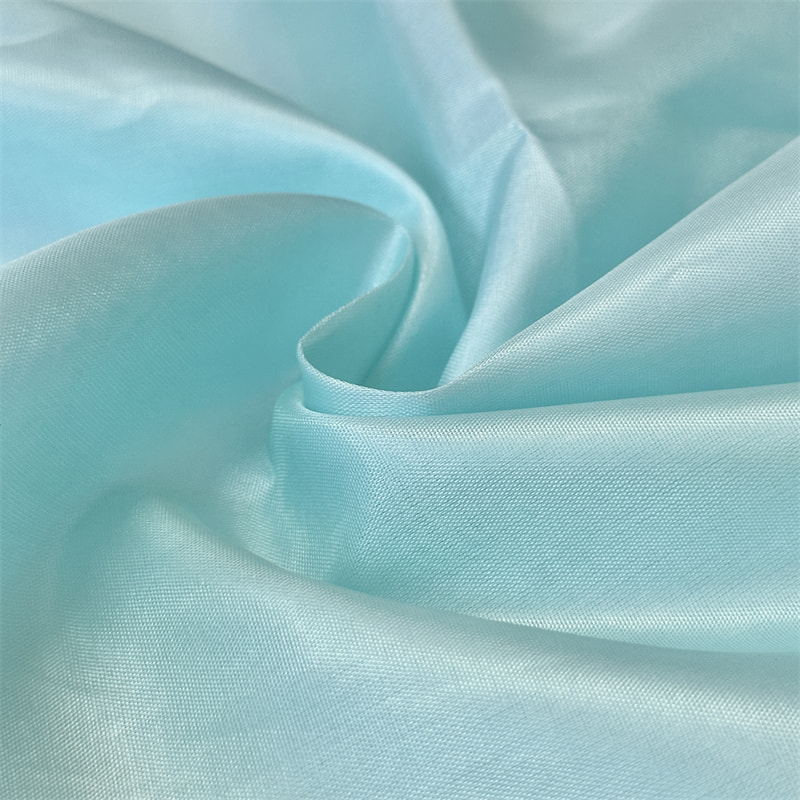
Satin describes a weaving technique rather than a specific fiber, creating lustrous fabric surface through floating warp threads over multiple weft threads. This construction produces characteristic shine and smooth texture associated with silk-like fabrics. Satin can be woven from various fibers including silk, polyester, acetate, or blends, with fiber content dramatically affecting price, performance, and care requirements. Understanding this distinction helps consumers make informed purchases, as "satin" labels alone provide limited information about actual fabric composition and expected performance.
Polyester satin represents the most common and affordable satin variety, offering brilliant sheen and fluid drape suitable for formal wear, bridal gowns, lingerie, and decorative applications. The fabric's glossy surface catches light beautifully, creating elegant visual effects in garments and home decor items. Polyester satin demonstrates excellent durability and maintains appearance through regular use and washing. However, the high-sheen surface can appear overly synthetic in some applications, and the fabric's slippery nature requires careful handling during cutting and sewing to prevent shifting.
| Satin Type | Fiber Content | Price Range | Best Uses |
| Silk Satin | Natural silk | High | Luxury garments, bridal |
| Polyester Satin | Synthetic polyester | Low | Costumes, linings, decor |
| Acetate Satin | Semi-synthetic acetate | Medium | Formal wear, linings |
| Cotton Satin | Natural cotton | Medium | Bedding, everyday wear |
Cotton satin and acetate satin offer middle-ground options between synthetic polyester and expensive silk satin. Cotton satin provides better breathability and more natural feel than polyester while maintaining satin weave's characteristic luster. Acetate satin, derived from wood pulp, offers silk-like drape and sheen with better breathability than polyester, though it requires more delicate care. These intermediate options appeal to consumers seeking silk aesthetics with improved comfort or more sustainable fiber content than fully synthetic alternatives.
Charmeuse: Lightweight Elegance
Charmeuse fabric features satin weave construction with distinctive characteristics including lightweight drape, lustrous front surface, and matte back finish. Originally produced exclusively from silk, modern charmeuse commonly utilizes polyester or polyester blends to create affordable alternatives maintaining silk-like qualities. The fabric's fluid drape makes it particularly suitable for garments requiring movement and flow, including evening gowns, blouses, lingerie, and flowing scarves. Charmeuse's lighter weight compared to traditional satin creates more delicate, feminine aesthetics ideal for romantic or elegant styling.
Polyester charmeuse offers practical advantages for garments requiring frequent washing or heavy use. The synthetic fiber's durability withstands regular laundering better than silk charmeuse while maintaining appearance and drape. Modern manufacturing techniques produce high-quality polyester charmeuse with soft hand feel and beautiful sheen closely approximating silk versions. The fabric resists wrinkles well, making it excellent for travel garments and items stored folded. However, polyester charmeuse shares breathability limitations common to synthetic silk alternatives, potentially feeling warm in hot weather.
Working with charmeuse requires understanding its slippery nature and tendency to shift during cutting and sewing. Using sharp needles, fine thread, and careful pinning prevents damage to the delicate weave while ensuring accurate seam placement. The fabric's drape means patterns designed for stiffer materials may not translate well, with designs specifically created for fluid fabrics producing best results. Despite handling challenges, charmeuse's elegant appearance and comfortable wear make it popular choice for special occasion garments and luxury loungewear seeking silk aesthetics without silk price tag.
Rayon and Viscose: Semi-Synthetic Silk Alternatives
Rayon and viscose represent semi-synthetic fabrics derived from natural cellulose sources, typically wood pulp or bamboo, processed through chemical treatments to create silk-like fibers. These materials occupy middle ground between fully synthetic polyester and natural silk, offering some natural fiber benefits while maintaining affordability and practical care characteristics. Rayon's soft drape and subtle sheen create elegant appearance suitable for dresses, blouses, linings, and home textiles. The fabric breathes better than polyester, providing improved comfort for warm-weather garments and items worn against skin.
Viscose rayon, the most common variety, offers excellent moisture absorption superior to polyester while draping beautifully like silk. The fabric accepts dye readily, producing rich, vibrant colors that maintain depth and clarity. Modal and Tencel represent advanced rayon varieties with enhanced properties including improved strength when wet, better wrinkle resistance, and more sustainable production processes. These premium rayon types closely approximate silk's luxurious feel while offering easier care and lower environmental impact than conventional rayon production.
- Rayon provides better breathability than polyester silk alternatives
- The fabric drapes beautifully with fluid, elegant movement
- Viscose requires more delicate care than polyester, often needing hand washing
- Modal and Tencel offer improved durability and eco-friendly production
- Rayon wrinkles more easily than synthetic alternatives
- The fabric provides comfortable wear in warm weather due to natural breathability
Care requirements for rayon fabrics vary by specific type and construction, with many requiring gentle handling to prevent damage. The fabric weakens when wet, making careful laundering essential to prevent stretching or distortion. Dry cleaning often represents safest care method for structured rayon garments, while some casual items tolerate gentle machine washing. Despite requiring more careful maintenance than polyester alternatives, rayon's superior comfort and more natural hand feel appeal to consumers prioritizing wearing experience over convenience.
Nylon Silk Alternatives for Durability
Nylon offers exceptional strength and durability among silk alternatives, making it ideal for applications requiring robust performance alongside silk-like aesthetics. Originally developed as synthetic silk substitute, nylon demonstrates remarkable resilience, abrasion resistance, and elasticity that surpass most other fabrics. The material works beautifully for lingerie, hosiery, activewear, and items experiencing regular stress or friction. Nylon's smooth, lustrous surface approximates silk's sheen while providing practical performance natural silk cannot match.
Modern nylon fabrics designed to mimic silk feature fine denier fibers and specialized finishes creating soft hand feel and elegant drape. The fabric resists wrinkling excellently and maintains shape through extensive wear and washing. Nylon's quick-drying properties and resistance to mildew make it superior choice for travel garments, swimwear cover-ups, and items potentially exposed to moisture. However, nylon shares polyester's breathability limitations and heat retention, making it less suitable for warm-weather everyday wear than natural fibers.
Blending nylon with other fibers creates fabrics optimizing multiple performance characteristics. Nylon-spandex blends add stretch to silk-like fabrics, creating comfortable, form-fitting garments that move with the body. Nylon-polyester combinations leverage each fiber's strengths for enhanced overall performance. These engineered blends demonstrate how modern textile technology creates silk alternatives surpassing natural silk in specific applications while maintaining luxurious appearance consumers desire.
Specialty Silk-Like Fabrics: Tencel, Cupro, and Bamboo
Tencel, manufactured from sustainably sourced wood pulp through closed-loop processes, represents environmentally responsible silk alternative gaining popularity among eco-conscious consumers. The fabric offers exceptional softness rivaling silk while providing superior moisture management and breathability. Tencel drapes beautifully with fluid movement suitable for dresses, blouses, and flowing garments. The material's natural antibacterial properties resist odor development, making it excellent for activewear and everyday clothing. Tencel's sustainable production process and biodegradability address environmental concerns associated with petroleum-based synthetics.
Cupro, derived from cotton linter through specialized processing, creates silk-like fabric with exceptional drape and luxurious feel. Often marketed as "vegan silk," cupro offers smooth texture and elegant sheen closely resembling genuine silk. The fabric breathes well, regulates temperature effectively, and resists static electricity better than synthetic alternatives. Cupro's anti-static properties make it particularly appealing for linings where static cling causes frustration. Though more expensive than polyester alternatives, cupro provides superior comfort and performance justifying premium pricing for quality-focused consumers.
Bamboo silk fabric combines bamboo fiber's natural benefits with silk-like texture and appearance. The material offers excellent moisture-wicking properties, natural antibacterial characteristics, and environmental sustainability from rapidly renewable bamboo sources. Bamboo silk drapes beautifully while providing temperature regulation that keeps wearers comfortable across varying conditions. The fabric requires careful laundering to maintain softness and prevent pilling, with gentle washing and air drying preserving quality best. These specialty alternatives appeal to consumers seeking silk aesthetics combined with enhanced performance or environmental responsibility.
Performance Comparisons Across Silk Alternatives
Comparing silk alternatives across multiple performance dimensions helps identify optimal fabric choices for specific applications. Breathability varies significantly, with natural and semi-synthetic options like rayon, Tencel, and bamboo providing superior air circulation compared to polyester and nylon. Temperature regulation follows similar patterns, with natural-based alternatives adapting to body temperature more effectively than petroleum synthetics. For warm-weather garments and items worn against skin, choosing more breathable alternatives significantly impacts comfort and wearability.
Durability and ease of care represent areas where synthetic alternatives excel over both natural silk and semi-synthetic options. Polyester and nylon withstand machine washing, resist wrinkles, and maintain appearance through extensive use better than delicate alternatives. For practical items requiring frequent laundering or heavy use, synthetic silk alternatives deliver superior long-term performance. However, this durability comes with environmental costs, as synthetic fabrics contribute to microplastic pollution and don't biodegrade naturally.
Cost considerations extend beyond initial purchase price to include care expenses and garment longevity. While polyester silk alternatives cost least initially, their lower breathability may reduce wearability in some applications. Premium alternatives like Tencel or cupro command higher prices but offer enhanced comfort and sustainability. Calculating total cost of ownership including care requirements, replacement frequency, and wearing satisfaction provides more complete value assessment than comparing retail prices alone. Understanding these multifaceted comparisons enables informed fabric selection aligned with individual priorities and specific project requirements.
Selecting the Right Silk Alternative for Your Needs
Choosing appropriate silk alternatives requires evaluating project requirements, personal priorities, and intended use conditions. For formal wear and special occasions where appearance matters most and frequent washing won't occur, polyester satin or charmeuse offers affordable elegance with minimal care complexity. Everyday garments benefit from more breathable options like rayon, Tencel, or bamboo that provide comfort alongside silk-like aesthetics. Home decor applications including curtains, bedding, and decorative pillows can utilize budget-friendly polyester alternatives without compromising visual impact.
Environmental consciousness increasingly influences fabric selection, with sustainable alternatives gaining market share despite higher costs. Tencel, bamboo, and organic cotton satin appeal to eco-aware consumers seeking reduced environmental impact. These options provide guilt-free luxury approximating silk aesthetics while supporting sustainable practices. Conversely, recycled polyester alternatives offer sustainability benefits within synthetic category, transforming post-consumer waste into useful fabrics that prevent landfill accumulation.
Budget constraints legitimately affect fabric choices, with no shame in selecting affordable alternatives that meet functional needs. Quality polyester silk alternatives serve admirably for many applications at fraction of silk or premium alternative costs. However, investing in higher-quality options for frequently worn garments or important items often proves worthwhile through enhanced comfort, improved appearance, and greater wearing satisfaction. Testing various silk alternatives through small projects or garment purchases helps develop personal preferences and understanding of which characteristics matter most for individual needs and values.
Care and Maintenance of Silk-Like Fabrics
Proper care extends silk alternative lifespan while maintaining appearance and performance characteristics. Synthetic options including polyester and nylon generally tolerate machine washing in cool or warm water with gentle detergents. Using mesh laundry bags protects delicate items from snags and excessive agitation. Avoiding high heat during drying prevents synthetic fiber damage, with low heat or air drying producing best results. Many synthetic silk alternatives benefit from prompt removal from dryers while slightly damp to minimize wrinkles and simplify ironing.
Semi-synthetic alternatives like rayon and viscose require gentler handling to prevent damage and maintain quality. Hand washing or gentle machine cycles in cool water protect fabric structure and prevent stretching. These materials weaken when wet, making careful handling during washing essential. Air drying works best, with items laid flat or hung carefully to prevent distortion. Ironing rayon fabrics requires low to medium heat settings and preferably pressing while slightly damp or using steam to achieve smooth results without damaging fibers.
Storage considerations help maintain silk alternative quality between wearing or use periods. Hanging garments on padded hangers prevents creasing and maintains shape better than folding. Avoiding direct sunlight during storage prevents color fading, particularly important for synthetic fabrics susceptible to UV degradation. Climate-controlled storage protects against humidity extremes that may affect some fabrics. Unlike natural silk requiring moth protection, most silk alternatives resist insect damage, simplifying long-term storage. Following care label instructions specific to each fabric type ensures optimal maintenance and maximum lifespan from silk alternative investments.