

 中文简体
中文简体 Español
Content
- 1 What Is Jacquard Fabric?
- 2 How Jacquard Fabric Is Made
- 3 Common Fibers Used in Jacquard Fabric
- 4 Main Types of Jacquard Fabric
- 5 Key Features of Jacquard Fabric
- 6 Jacquard Fabric in Fashion Applications
- 7 Jacquard Fabric in Home Textiles
- 8 Performance Considerations for Jacquard Fabric
- 9 Comparing Jacquard to Printed and Embroidered Fabrics
- 10 Care and Maintenance of Jacquard Fabric
- 11 How to Choose the Right Jacquard Fabric
- 12 Conclusion: Why Jacquard Fabric Remains a Premium Choice
Jacquard fabric is a premium textile known for its intricate woven patterns, rich texture, and high-end appearance. Unlike printed fabrics, jacquard patterns are woven directly into the fabric structure, creating designs that are durable, detailed, and visually complex. This makes jacquard a popular choice for fashion, upholstery, curtains, bedding, and decorative textiles where long-lasting pattern quality is essential.
This guide provides a practical and in-depth look at jacquard fabric, including how it is made, the main types available, key features, and real-world applications. Whether you are a designer, buyer, manufacturer, or textile enthusiast, understanding jacquard fabric will help you choose the right material for both aesthetic and performance needs.
What Is Jacquard Fabric?
Jacquard fabric is defined by its weaving technique rather than by fiber type. It is produced on a jacquard loom, which allows individual control of each warp yarn. This enables the creation of complex, large-scale, and highly detailed patterns directly within the fabric structure.
Because the design is woven in rather than printed on the surface, jacquard fabrics typically feature patterns that are reversible or have contrasting designs on the front and back. This woven construction gives jacquard fabrics superior durability and a more luxurious appearance compared to surface-printed textiles.
How Jacquard Fabric Is Made
Jacquard fabric is produced using a specialized loom system that controls each warp thread independently. This allows the loom to lift or lower individual yarns according to a programmed pattern, creating complex motifs, textures, and multi-layered designs.
Modern jacquard looms are computer-controlled, enabling precise and repeatable pattern production. This technology supports high design flexibility, making it possible to create floral, geometric, damask, brocade, and pictorial patterns with consistent quality across large production runs.
Common Fibers Used in Jacquard Fabric
Jacquard fabric can be made from a wide range of fibers, and fiber selection significantly affects performance, cost, and appearance.
Cotton Jacquard
Cotton jacquard offers breathability, softness, and natural comfort. It is commonly used for shirts, dresses, bedding, and lightweight home textiles. Cotton jacquard is easy to dye and provides good pattern clarity with a matte or soft luster finish.
Polyester Jacquard
Polyester jacquard is widely used for upholstery, curtains, and decorative fabrics. It offers excellent durability, wrinkle resistance, and colorfastness. Polyester jacquard is cost-effective and suitable for high-traffic and commercial environments.
Silk Jacquard
Silk jacquard is considered a luxury fabric, prized for its natural sheen, soft hand feel, and elegant drape. It is often used in high-end fashion, scarves, eveningwear, and luxury interior textiles. Silk jacquard requires delicate care but delivers unmatched visual richness.
Blended Fiber Jacquard
Blended jacquard fabrics combine fibers such as cotton-polyester, viscose-polyester, or silk-rayon to balance comfort, durability, and cost. These blends are commonly used to achieve specific performance targets such as improved wrinkle resistance or enhanced drape.
Main Types of Jacquard Fabric
Jacquard fabrics are categorized by pattern style, fabric weight, and intended use. Each type offers distinct aesthetic and functional characteristics.
Damask Jacquard
Damask jacquard features reversible patterns with a high-contrast design created by alternating satin and matte weaves. It is commonly used in table linens, curtains, and formal upholstery due to its elegant and traditional appearance.
Brocade Jacquard
Brocade jacquard is characterized by raised, decorative patterns that appear embroidered into the fabric. It often uses metallic or contrasting yarns to create a rich, textured surface. Brocade is widely used for luxury garments, costumes, and statement home décor pieces.
Matelassé Jacquard
Matelassé jacquard creates a quilted or padded appearance through weaving, without actual padding. It is commonly used in bedspreads, coverlets, and decorative upholstery where a dimensional look is desired.
Tapestry Jacquard
Tapestry jacquard uses multiple colored yarns to create detailed pictorial designs. It is often used for wall hangings, heavy upholstery, and decorative throws that require strong visual impact and durability.
Key Features of Jacquard Fabric
Jacquard fabric is valued for a combination of visual, structural, and performance features that distinguish it from other patterned textiles.
- Intricate woven patterns that will not fade or peel.
- High design flexibility for complex motifs.
- Durable construction suitable for long-term use.
- Rich texture and dimensional appearance.
- Reversible or contrasting back-side patterns.
Jacquard Fabric in Fashion Applications
In fashion, jacquard fabric is widely used for garments that require visual interest and structure. Jackets, blazers, skirts, dresses, and coats often feature jacquard for its ability to hold shape while offering decorative appeal.
Jacquard is also popular in formalwear and occasion clothing, where ornate patterns and rich textures enhance the overall look. Designers often choose jacquard to create statement pieces that stand out without relying on surface prints.
Jacquard Fabric in Home Textiles
Jacquard plays a major role in home décor and interior textiles. Upholstery fabrics made with jacquard are valued for their durability and resistance to pattern wear, making them suitable for sofas, chairs, and cushions.
Jacquard curtains, drapes, and valances add depth and elegance to interior spaces. Bedspreads, pillow covers, and table linens also benefit from jacquard’s woven patterns, which maintain their appearance through repeated use and washing.
Performance Considerations for Jacquard Fabric
When selecting jacquard fabric, performance factors such as abrasion resistance, weight, stretch, and breathability should be considered. Upholstery jacquard typically uses heavier yarns and tighter weaves for durability, while fashion jacquard may prioritize drape and comfort.
Fiber choice also affects moisture management, wrinkle resistance, and care requirements. Polyester jacquard offers easy care and durability, while natural fibers provide comfort and breathability.
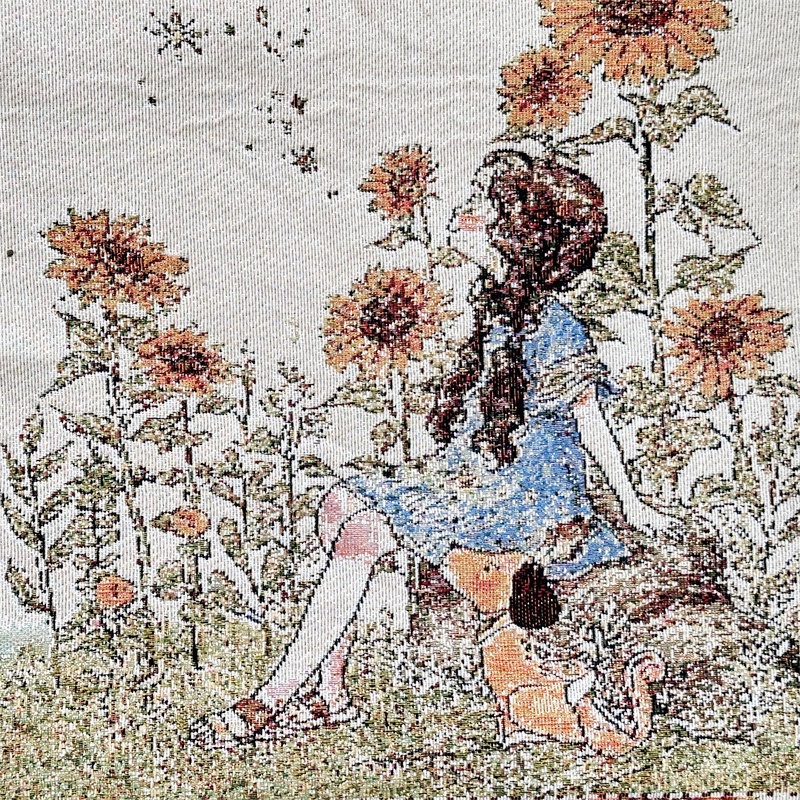
Comparing Jacquard to Printed and Embroidered Fabrics
Jacquard fabrics differ from printed and embroidered textiles in both construction and performance. Printed fabrics apply designs to the surface, which can fade or crack over time. Embroidered fabrics add decorative stitching on top of a base fabric.
Jacquard weaves the design directly into the fabric, resulting in superior durability and a more integrated appearance. This makes jacquard a preferred choice for high-quality and long-lasting decorative textiles.
Care and Maintenance of Jacquard Fabric
Proper care helps preserve the appearance and lifespan of jacquard fabric. Always follow fiber-specific care instructions. Cotton and polyester jacquard can often be machine washed on gentle cycles, while silk and delicate blends may require dry cleaning or hand washing.
Avoid high heat when drying or ironing, as this can damage fibers and distort woven patterns. Using fabric protectors for upholstery jacquard can help resist stains and extend service life.
How to Choose the Right Jacquard Fabric
Choosing the right jacquard fabric depends on intended use, desired appearance, and performance requirements. For upholstery and heavy décor, select high-density, abrasion-resistant jacquard. For fashion and apparel, prioritize drape, comfort, and pattern scale.
Evaluating samples, testing durability, and checking colorfastness are important steps before finalizing large orders or production runs.
Conclusion: Why Jacquard Fabric Remains a Premium Choice
Jacquard fabric continues to be a premium choice in both fashion and home textiles due to its intricate woven patterns, durability, and design versatility. Its ability to integrate complex designs directly into the fabric structure sets it apart from printed and surface-decorated textiles.
By understanding jacquard construction, fiber options, and application requirements, buyers and designers can make informed decisions and fully leverage the aesthetic and functional advantages of jacquard fabric in a wide range of projects.