

 中文简体
中文简体 Español
Content
- 1 What Is Satin Fabric?
- 2 How Satin Is Made: Understanding the Satin Weave
- 3 Common Fibers Used to Make Satin
- 4 Popular Types of Satin Fabric
- 5 Key Characteristics of Satin Fabric
- 6 Common Uses of Satin in Fashion
- 7 Satin in Home Textiles and Décor
- 8 Advantages of Satin Fabric
- 9 Disadvantages and Limitations of Satin
- 10 How to Care for Satin Fabric
- 11 Satin vs. Other Shiny Fabrics
- 12 Choosing the Right Satin for Your Project
- 13 Conclusion: Why Satin Remains a Fashion Favorite
Satin fabric is one of the most recognizable and luxurious textiles in the fashion and home décor industries. Known for its smooth, glossy surface and soft drape, satin has long been associated with elegance, eveningwear, lingerie, and premium bedding. While many people think of satin as a specific fiber, satin is actually defined by a special weaving technique that creates its signature sheen and silky feel.
This guide explains what satin fabric really is, how it is made, the different types of satin, common uses, advantages and disadvantages, and how to care for satin properly. Whether you are a fashion lover, designer, buyer, or textile enthusiast, understanding satin will help you choose the right fabric for your needs.
What Is Satin Fabric?
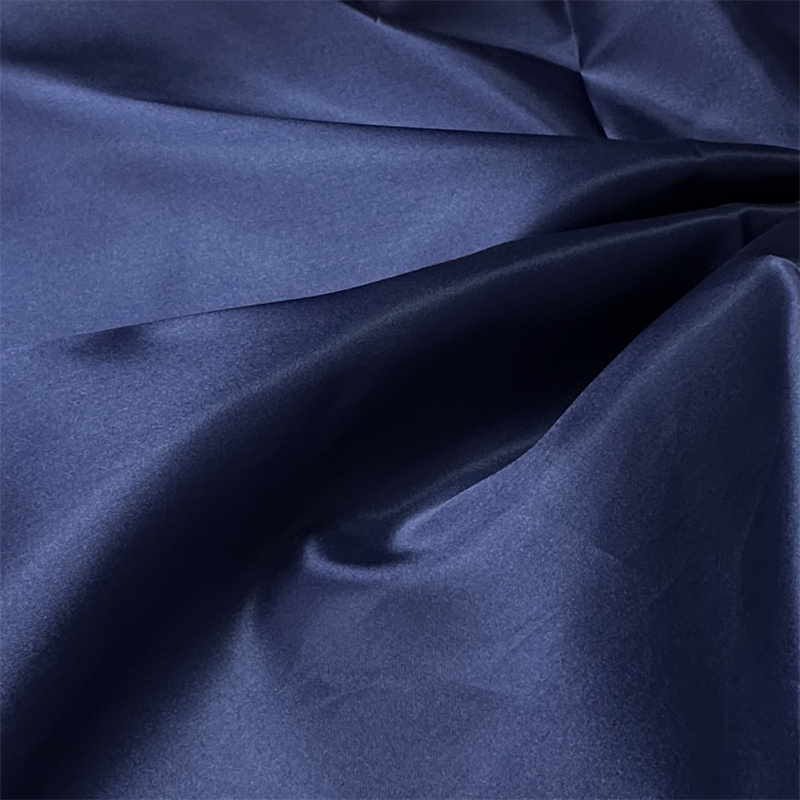
Satin is a type of fabric defined by its weave structure rather than its fiber content. The satin weave places most of the yarns on the surface of the fabric, creating a smooth, shiny face and a duller back. This structure allows light to reflect evenly, giving satin its characteristic luster.
Because satin refers to a weave, it can be made from many different fibers, including silk, polyester, nylon, acetate, and rayon. The choice of fiber affects the look, feel, durability, price, and care requirements of the finished satin fabric.
How Satin Is Made: Understanding the Satin Weave
The satin weave is characterized by long floating yarns on the fabric surface. In this structure, warp or weft yarns pass over several threads before going under one, reducing the number of intersections. This minimizes surface interruptions and creates a smoother, shinier appearance compared to plain or twill weaves.
This weave also contributes to satin’s soft drape and fluid movement. However, the long floats can make satin more prone to snagging and abrasion, which is why fiber choice and fabric weight are important for durability.
Common Fibers Used to Make Satin
Satin can be produced from both natural and synthetic fibers. Each fiber gives satin unique characteristics in terms of feel, performance, and price.
Silk Satin
Silk satin is considered the most luxurious type of satin. It offers a natural sheen, excellent breathability, and a soft, lightweight feel. Silk satin is commonly used in high-end dresses, lingerie, scarves, and luxury bedding. It is also one of the most expensive and delicate satin options.
Polyester Satin
Polyester satin is the most widely used satin in mass-market fashion and home textiles. It is affordable, durable, wrinkle-resistant, and easy to care for. While it may not match the natural feel of silk, modern polyester satin can closely mimic the look and shine of silk at a lower cost.
Nylon and Acetate Satin
Nylon satin is strong, lightweight, and highly lustrous, often used in lingerie, linings, and athletic-inspired fashion pieces. Acetate satin has a silk-like appearance and drape but is more sensitive to heat and moisture, requiring careful handling.
Rayon and Viscose Satin
Rayon and viscose satin offer a balance between natural and synthetic properties. They provide good drape, softness, and moderate sheen. These satins are often used in dresses, blouses, and decorative fabrics.
Popular Types of Satin Fabric
There are many variations of satin, each designed for specific uses and aesthetics. Understanding these types helps you select the right satin for your project.
Charmeuse Satin
Charmeuse is lightweight satin with a glossy front and matte back. It drapes beautifully and is commonly used for lingerie, blouses, evening dresses, and scarves.
Duchess Satin
Duchess satin is heavier and more structured, making it ideal for bridal gowns, formal dresses, and structured garments. It has a rich sheen and excellent body.
Crepe Back Satin
Crepe back satin features a smooth satin face and a textured crepe back. This allows designers to use either side for different effects, making it versatile for fashion and eveningwear.
Slipper Satin
Slipper satin is a lightweight, smooth satin often used for lingerie, linings, and delicate garments. It is soft but less durable than heavier satins.
Key Characteristics of Satin Fabric
Satin is valued for a specific set of aesthetic and functional properties that make it stand out from other fabrics.
- Smooth, glossy surface with high light reflection.
- Soft, fluid drape that follows body contours.
- Luxurious appearance suitable for formal wear.
- Cool, silky feel against the skin.
- Matte or dull backing for structure and stability.
Common Uses of Satin in Fashion
Satin is a staple in the fashion industry due to its elegance and versatility. It is widely used in garments that require a refined, polished look.
Evening gowns, cocktail dresses, and formal wear frequently use satin for its shine and drape. Lingerie and sleepwear rely on satin for its smooth feel and comfort against the skin. Satin is also popular for blouses, skirts, scarves, and luxury linings.
Satin in Home Textiles and Décor
Beyond fashion, satin is widely used in home textiles. Satin bed sheets and pillowcases are popular for their smooth feel and hair- and skin-friendly properties. Many people choose satin bedding to reduce friction, which can help minimize hair breakage and facial creases.
Satin is also used in curtains, cushion covers, and decorative accents where a glossy, elegant look is desired. Heavier satin fabrics are suitable for upholstery accents and drapery panels.
Advantages of Satin Fabric
Satin offers several advantages that make it a favorite for both designers and consumers.
- Luxurious and elegant appearance.
- Excellent drape for flattering silhouettes.
- Soft, comfortable feel on skin.
- Wide range of fiber options and price points.
- Versatile for fashion and home use.
Disadvantages and Limitations of Satin
Despite its beauty, satin also has some drawbacks that should be considered.
- Prone to snagging due to long yarn floats.
- Can show water spots and stains easily.
- Some satin types wrinkle or crease.
- Delicate fibers like silk require special care.
How to Care for Satin Fabric
Proper care is essential to maintain the beauty and lifespan of satin fabric. Always check fiber content and care labels before washing or cleaning.
Silk satin is usually dry clean only or hand wash in cold water with mild detergent. Polyester and synthetic satins can often be machine washed on a gentle cycle. Avoid high heat when drying or ironing, as satin can scorch or lose its sheen.
Satin vs. Other Shiny Fabrics
Satin is often compared with fabrics like silk, charmeuse, and sateen. While silk refers to a fiber, satin refers to a weave. Sateen is similar to satin but typically made from cotton and has a softer, more matte sheen.
Understanding these differences helps buyers and designers choose the right fabric based on appearance, feel, and performance requirements.
Choosing the Right Satin for Your Project
When selecting satin, consider the intended use, desired drape, durability, and care requirements. Lightweight satin is best for lingerie and blouses, while heavier satin works well for gowns and structured garments.
Color, finish, and fiber content should also match your project’s aesthetic and functional needs. Testing a sample swatch before committing to large yardage is always recommended.
Conclusion: Why Satin Remains a Fashion Favorite
Satin has earned its place as a timeless fabric in fashion and home décor due to its unmatched shine, softness, and elegance. Its versatility across fibers and weights makes it suitable for everything from luxury gowns to everyday bedding.
By understanding how satin is made, the types available, and how to care for it, fashion lovers and textile buyers can make informed choices and enjoy the beauty of satin for years to come.