

 中文简体
中文简体 Español
Content
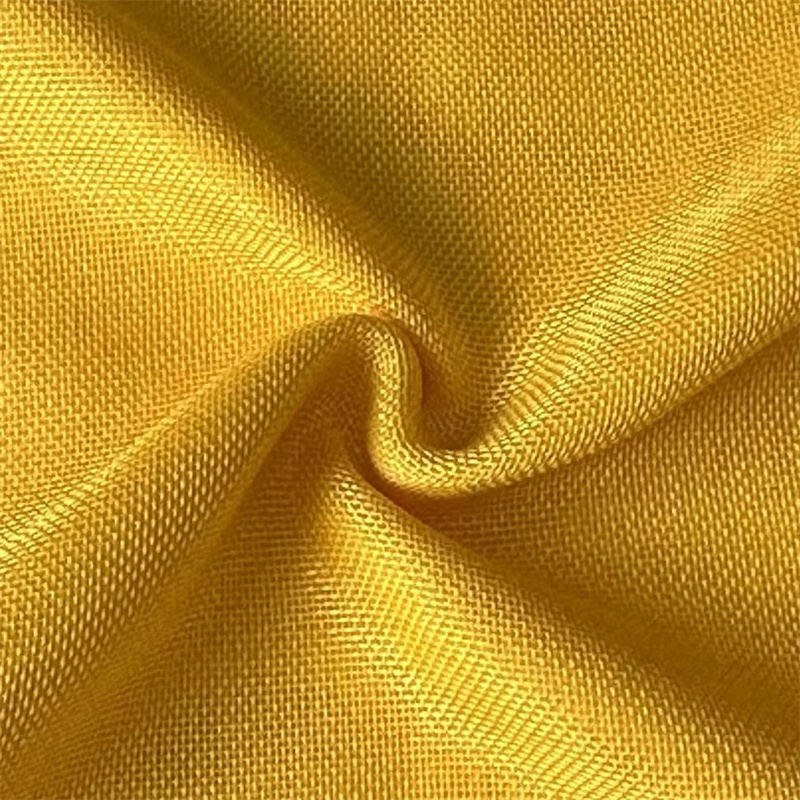
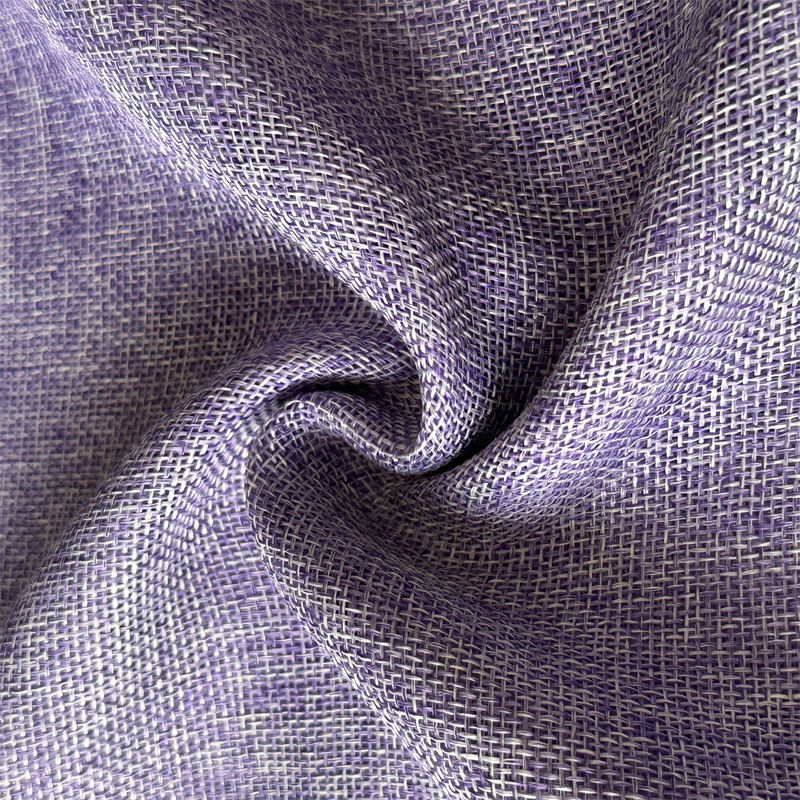
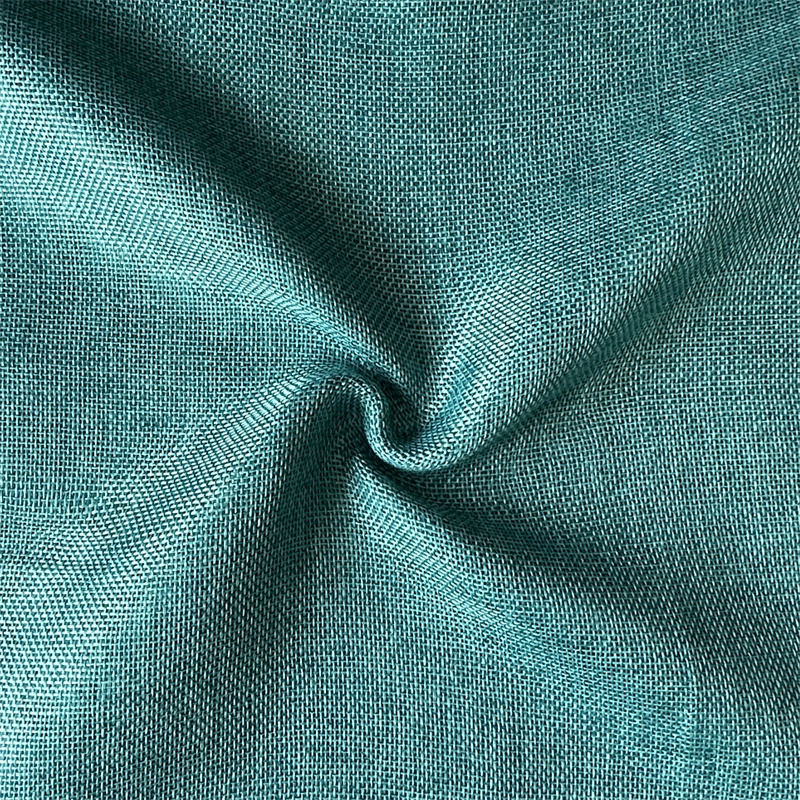
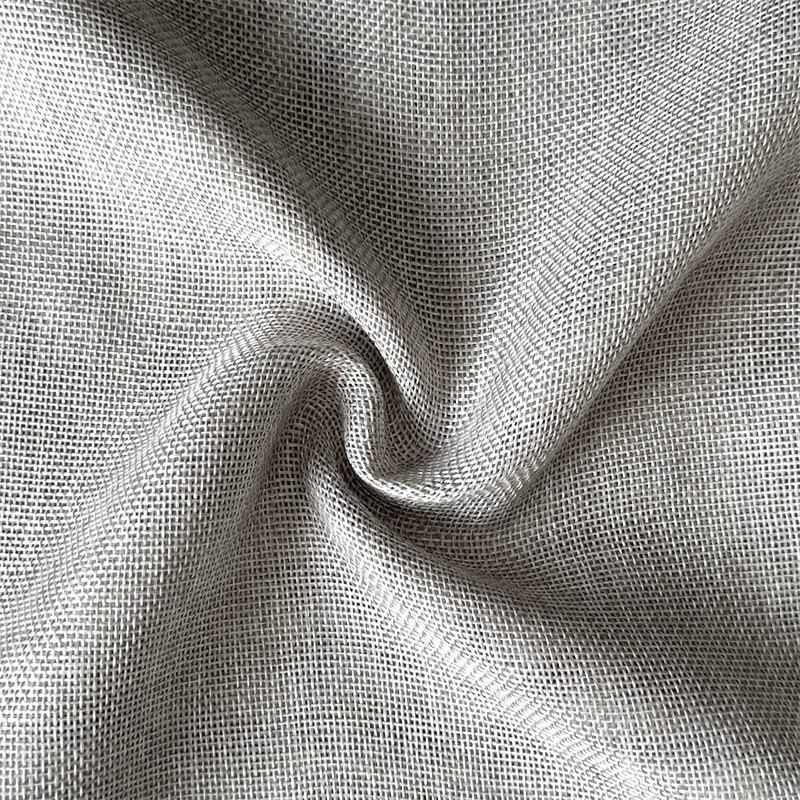
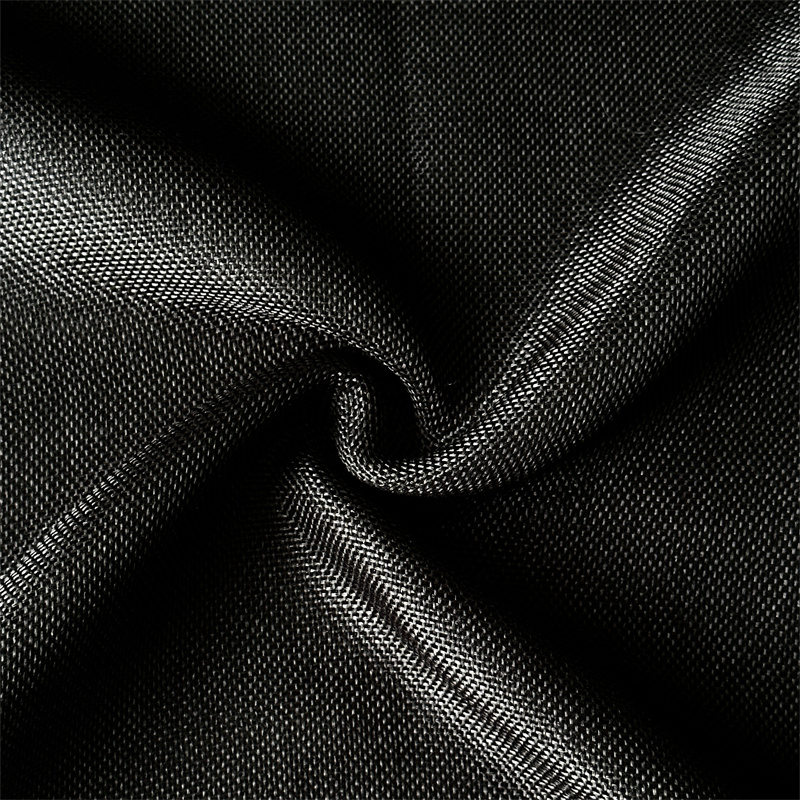
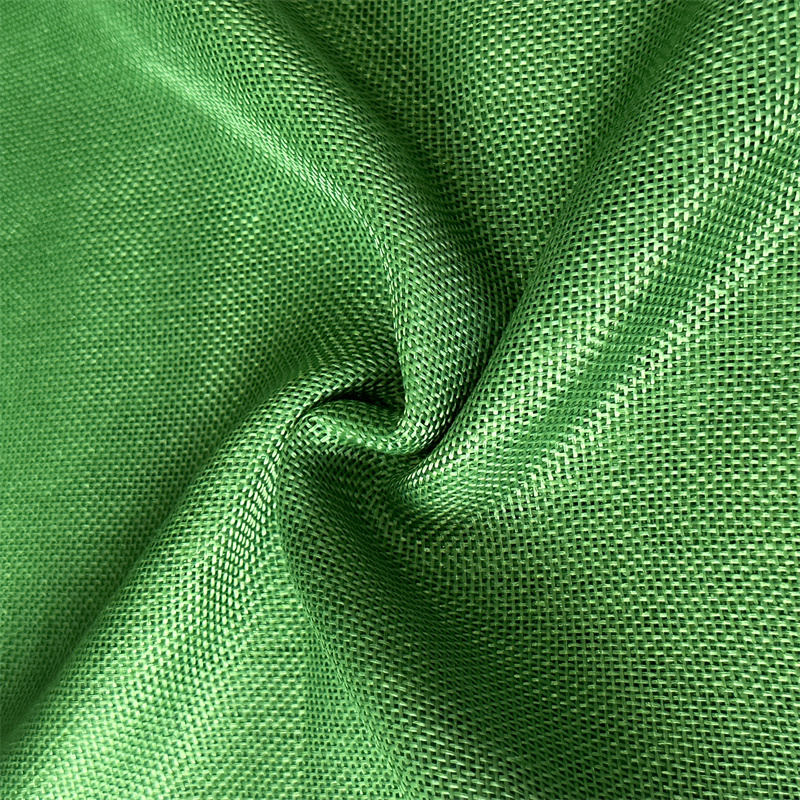
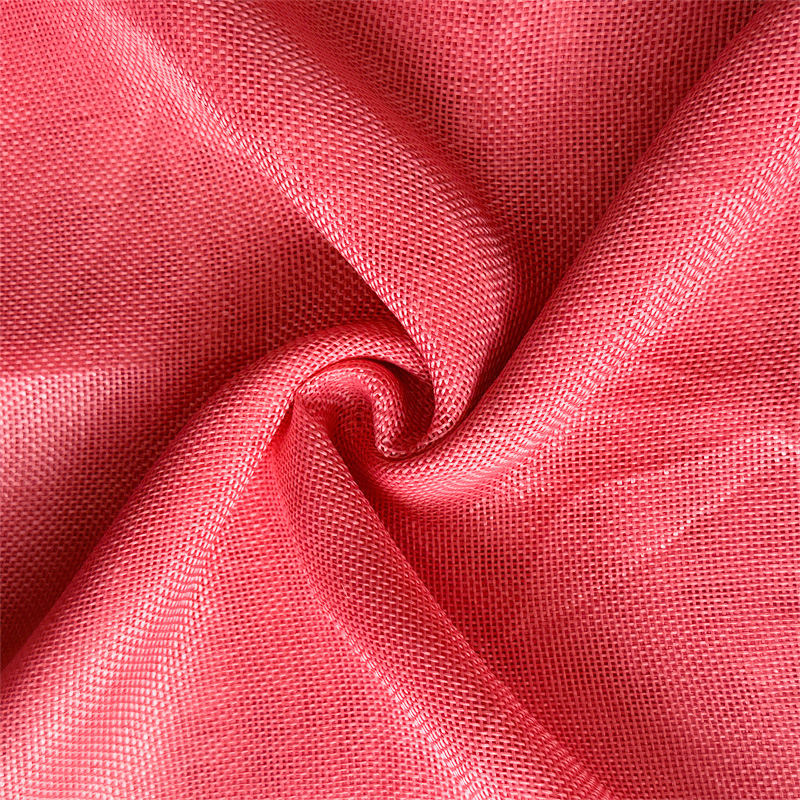
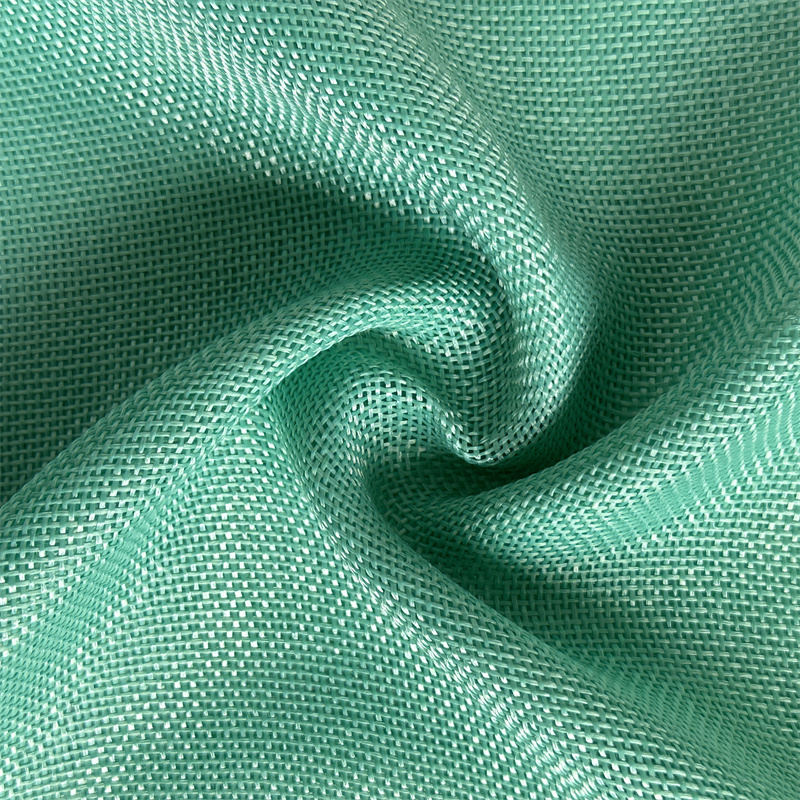
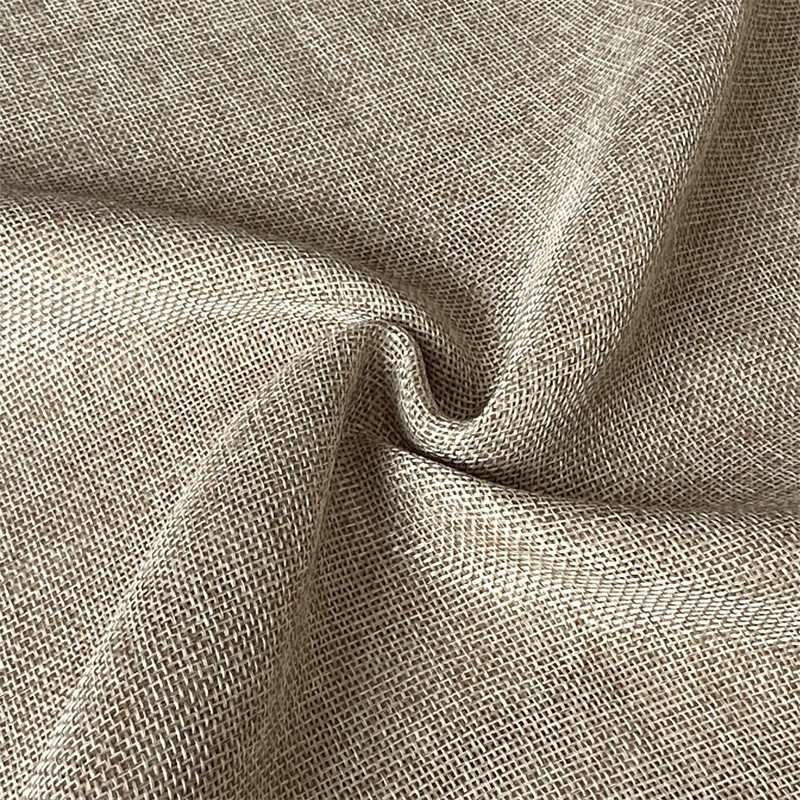
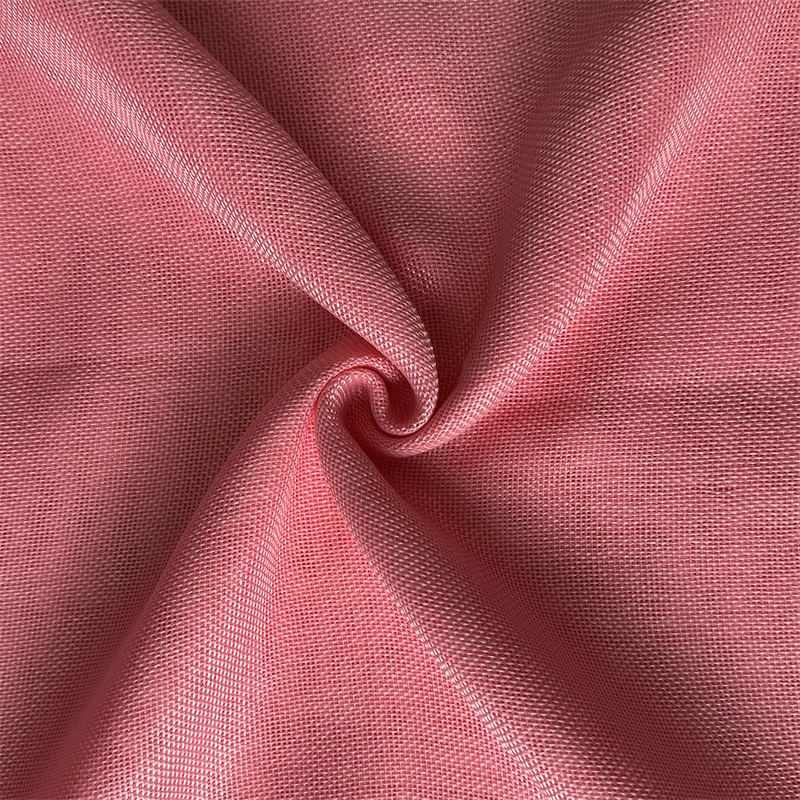
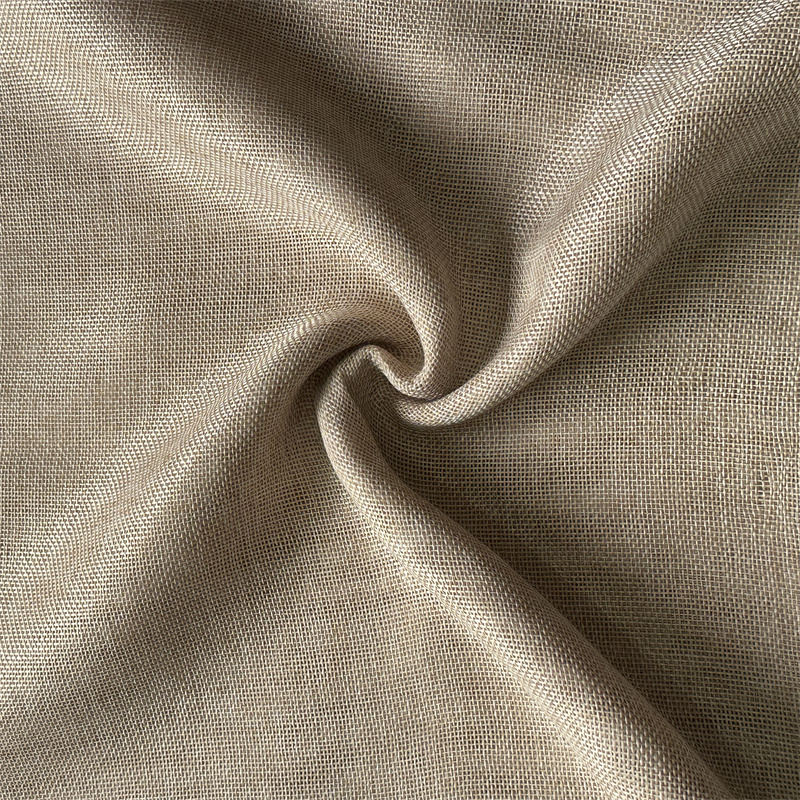
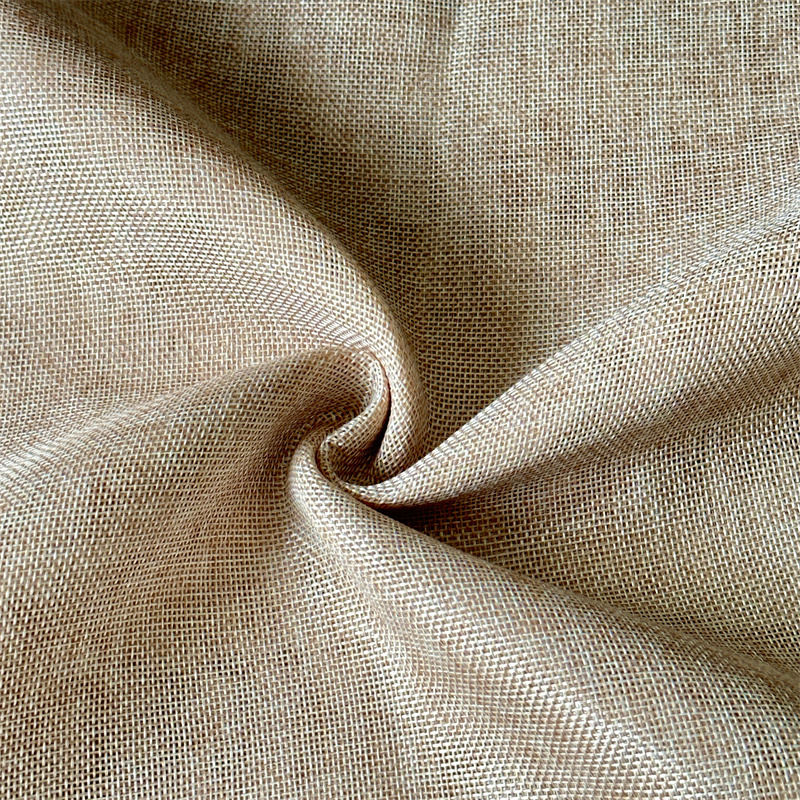
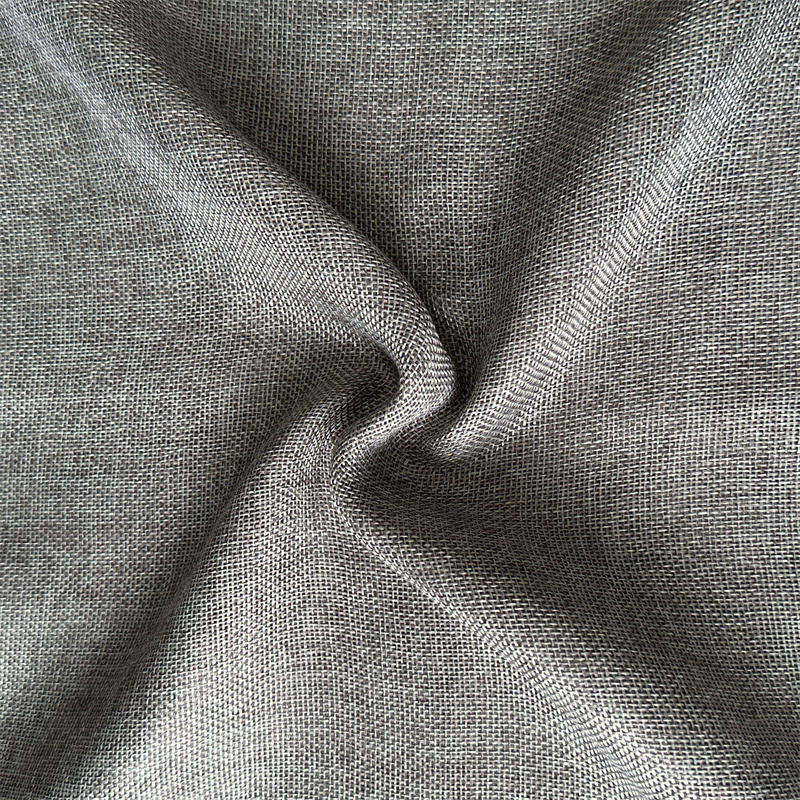
Solid color polyester linen fabric is a versatile and durable textile that combines the natural texture of linen with the strength and resilience of polyester. This fabric is widely used in home décor, upholstery, curtains, apparel, and commercial textile applications. Its unique blend offers aesthetic appeal, easy maintenance, and excellent durability, making it a popular choice for designers, manufacturers, and consumers alike.
Composition and Characteristics
Polyester linen fabric is typically made from a blend of natural linen fibers and synthetic polyester fibers. The blend ratio can vary depending on the intended application, balancing texture, durability, and cost-efficiency.
Natural Linen Properties
Linen fibers, derived from the flax plant, provide a distinctive natural texture and breathable feel. Linen is valued for its comfort, moisture-wicking properties, and eco-friendly characteristics. However, pure linen tends to wrinkle easily and can wear faster under frequent use.
Polyester Properties
Polyester adds strength, wrinkle resistance, and longevity to the fabric. It enhances color retention and reduces shrinkage, making polyester linen blends easier to maintain than pure linen fabrics. Polyester also improves durability, making the fabric suitable for both residential and commercial use.
Key Fabric Characteristics
Solid color polyester linen fabric exhibits the following properties:
- Durable and resistant to wear and tear
- Wrinkle-resistant and low-maintenance
- Soft texture with natural linen appearance
- Good colorfastness and fade resistance
- Versatile for home, apparel, and commercial applications
Fabric Weaving and Finish
The weaving technique and finishing process directly influence the texture, appearance, and durability of polyester linen fabric.
Weaving Patterns
Common weaving patterns include plain weave, twill weave, and basket weave. Plain weave produces a uniform and flat texture suitable for curtains and table linens. Twill weave offers diagonal lines that enhance strength and drape for apparel and upholstery. Basket weave provides a thicker texture ideal for heavy-duty applications.
Fabric Finishing Techniques
Finishing treatments improve appearance, feel, and functionality. Popular techniques include:
- Softening: Enhances the smoothness and drape of the fabric.
- Anti-wrinkle treatment: Reduces creasing for easier maintenance.
- Color fixing: Ensures consistent solid colors and fade resistance.
- Water and stain resistance: Useful for upholstery and table linens.
Applications of Solid Color Polyester Linen Fabric
The versatility of solid color polyester linen fabric makes it suitable for a wide range of applications across residential, commercial, and fashion industries.
Home Décor
Polyester linen fabric is widely used for curtains, cushions, tablecloths, and upholstery. Its soft texture and natural appearance enhance home interiors while its durability ensures long-term use. Solid colors provide a clean, modern aesthetic and can be coordinated with other décor elements easily.
Apparel and Fashion
In clothing, polyester linen blends are popular for shirts, dresses, pants, and jackets. The fabric’s breathability, combined with polyester’s wrinkle resistance, makes it ideal for casual and formal wear. Solid colors simplify matching and design, offering versatility in fashion lines.
Commercial and Hospitality Use
Hotels, restaurants, and offices utilize polyester linen fabric for table linens, draperies, and upholstery due to its durability and ease of maintenance. Solid color fabrics allow for consistent branding and interior themes across multiple applications.
Color Selection and Trends
Solid color polyester linen fabric is available in a wide spectrum of colors. Choosing the right shade depends on design goals, application, and lighting.
- Neutral tones: White, beige, and grey are popular for minimalistic or modern interiors.
- Bold colors: Deep reds, blues, and greens add vibrant accents and statement pieces.
- Pastel shades: Soft pastels are suitable for bedrooms, baby nurseries, and casual apparel.
- Commercial branding colors: Solid shades aligned with logos and brand identity are ideal for hospitality and corporate settings.
Care and Maintenance
One of the key advantages of polyester linen blends is their ease of care. Proper maintenance ensures longevity and maintains appearance.
Washing Guidelines
Polyester linen fabric can usually be machine washed in cold or lukewarm water with mild detergent. Avoid bleach or harsh chemicals that can degrade fibers. Wash similar colors together to prevent color transfer.
Drying and Ironing
Air drying is preferred to preserve texture and prevent shrinkage. If using a dryer, select a low-heat setting. Ironing may be needed for a crisp finish, using medium heat and pressing on the reverse side to avoid shine.
Stain Removal
Treat stains promptly with mild detergent or fabric-safe stain remover. For oil-based stains, pre-treat with a small amount of dishwashing liquid. Avoid scrubbing harshly, which can damage the weave.
Comparison with Other Fabrics
Solid color polyester linen fabric combines the benefits of polyester and linen while addressing some limitations of pure fabrics.
| Fabric Type | Texture | Durability | Maintenance | Cost |
| Polyester Linen Blend | Soft, natural appearance | High | Low | Moderate |
| Pure Linen | Natural, textured | Medium | High (wrinkles easily) | High |
| Polyester | Smooth, synthetic look | Very High | Very Low | Low |
Advantages of Solid Color Polyester Linen Fabric
The combination of polyester and linen in solid colors offers multiple advantages:
- Durable, long-lasting, and resistant to wear
- Wrinkle-resistant and easy to maintain
- Breathable, comfortable, and aesthetically versatile
- Consistent solid colors for design flexibility
- Suitable for home, commercial, and fashion applications
Conclusion
Solid color polyester linen fabric combines the natural charm of linen with the durability and low-maintenance benefits of polyester. Its versatility, range of colors, and adaptability make it an ideal choice for interior design, apparel, and commercial applications. By understanding its properties, care requirements, and applications, users can maximize the fabric’s potential and achieve long-lasting, elegant results in every project.