

 中文简体
中文简体 Español
Content
- 1 How Chenille Fabric Is Made
- 2 Common Fiber Types Used in Chenille Fabric
- 3 Key Properties and Performance Characteristics
- 4 Popular Uses of Chenille Fabric in Home Décor
- 5 Chenille in Fashion and Apparel
- 6 Tips for Sewing and Crafting with Chenille Fabric
- 7 Caring for Chenille Fabric to Extend Its Life
- 8 Choosing the Right Chenille for Your Needs
Chenille fabric is one of those textiles that people instantly recognize by touch — that unmistakably soft, velvety, almost furry pile that invites you to run your fingers across it repeatedly. Its name comes from the French word for "caterpillar," a fitting reference to the fuzzy, segmented appearance of chenille yarn itself. From cozy throw blankets to upholstered sofas and fashion-forward sweaters, chenille has secured a permanent place in both the home furnishings and apparel industries. Understanding the fabric's construction, fiber variations, performance characteristics, and care requirements will help you make smarter decisions whether you're purchasing, decorating, or sewing with it.
How Chenille Fabric Is Made
Chenille is not defined by its fiber content but by the unique construction method used to produce its signature yarn. The manufacturing process begins with short lengths of fiber — called pile fibers — that are twisted and locked between two core threads, typically referred to as the "carrier yarns." This twisting action causes the short fibers to radiate outward in all directions, creating the characteristic fuzzy, caterpillar-like appearance that gives the yarn its name. The resulting chenille yarn is then woven or knitted into fabric.
This construction method sets chenille apart from velvet or plush fabrics, which are created through a looping and cutting process on a loom. Because the pile is locked into the yarn structure itself rather than into the fabric base, chenille tends to have a three-dimensional, multi-directional softness that velvet cannot fully replicate. However, it also means the pile can be more susceptible to shedding, particularly in lower-quality versions, because the fibers are held mechanically rather than chemically bonded.
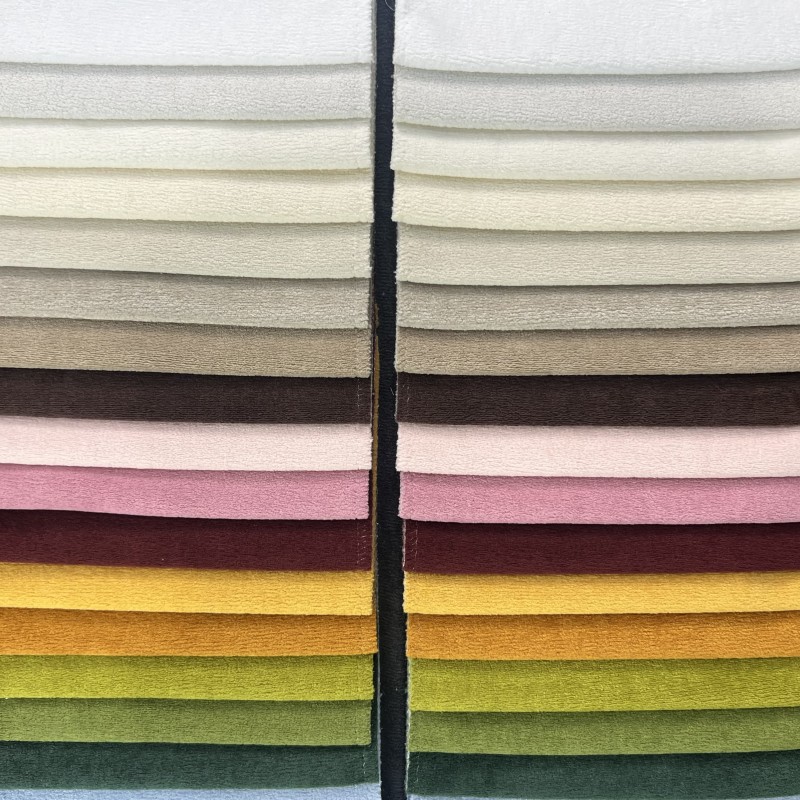
Common Fiber Types Used in Chenille Fabric
One of the defining features of chenille is its versatility across fiber types. The choice of fiber dramatically influences the fabric's softness, durability, moisture performance, and price point. Here is a breakdown of the most widely used fiber options:
| Fiber Type | Key Qualities | Best Applications | Durability |
| Cotton | Breathable, hypoallergenic, absorbent | Bathrobes, towels, blankets | Moderate |
| Polyester | Affordable, colorfast, easy to clean | Upholstery, decorative pillows | High |
| Rayon (Viscose) | Silky drape, vibrant color absorption | Fashion garments, scarves | Low to Moderate |
| Acrylic | Wool-like warmth, lightweight, budget-friendly | Sweaters, blankets, throws | Moderate to High |
| Wool | Natural insulation, moisture-wicking | Winter apparel, premium rugs | High |
| Silk | Exceptional luster, ultra-soft, luxury feel | High-end fashion, decorative accents | Low |
Cotton chenille is particularly popular for bath and bedroom textiles due to its natural breathability and hypoallergenic nature. Polyester chenille dominates the upholstery market because it resists pilling and holds up well under repeated use. Rayon and silk chenille bring a luminous quality to fashion garments, though they require more careful handling. Acrylic chenille strikes a balance between warmth and affordability, making it a favorite in knitwear and mass-market home textiles.
Key Properties and Performance Characteristics
Chenille fabric has a distinct set of physical and functional properties that influence where and how it should be used. Understanding these will help you evaluate whether chenille is the right choice for a given application.
- Exceptional Softness: The outward-radiating pile fibers create a plush, cushioned texture that is softer than most woven fabrics of comparable weight, making it ideal for any application where skin contact is frequent.
- Excellent Insulation: The dense pile traps air effectively, providing warmth without significant added weight — a reason chenille throws and blankets remain household staples throughout the colder months.
- Good Color Depth: Chenille absorbs dyes deeply into its pile fibers, producing rich, saturated colors and a visual depth that flat-woven fabrics often cannot match. This is especially evident in jewel tones and earth tones.
- Directional Pile: Like velvet, chenille has a nap — the pile lays in a particular direction. This means the fabric can appear lighter or darker depending on the angle of light and viewing direction, a property that adds visual interest but requires careful consideration when cutting for sewing projects.
- Shedding Tendency: Lower-quality chenille, particularly in its early use, may shed pile fibers. This is more pronounced in rayon and acrylic blends and tends to diminish after several washes as loose fibers are released.
- Moderate Durability: While the fabric surface feels delicate, well-constructed polyester and wool chenille can withstand considerable wear, particularly in upholstery applications rated for heavy residential or even light commercial use.
Popular Uses of Chenille Fabric in Home Décor
Chenille is perhaps most prominently associated with home interiors, where its tactile richness and visual warmth make it a designer favorite. Its ability to anchor a room's comfort level while adding textural contrast has kept it relevant across decades of changing interior design trends.
Upholstery and Furniture
Chenille upholstery fabric is widely used on sofas, armchairs, ottomans, and headboards. Its dense pile provides a soft seating surface while adding a layer of visual luxury that enhances the perceived value of furniture. Polyester chenille in particular is a common choice for upholstery because it is resistant to pilling, easy to spot-clean, and available in a wide array of colors and patterns. When shopping for chenille upholstered furniture, look for a double-rub count of at least 15,000 for light residential use and 25,000 or higher for pieces that will see heavy daily traffic.
Throw Blankets and Pillows
Chunky chenille throw blankets have become an interior design staple, draped over sofas and armchairs to add both warmth and textural interest. The same properties that make the fabric comfortable against skin — its softness and insulating quality — make these throws genuinely functional rather than merely decorative. Decorative chenille pillows work similarly, introducing a soft counterpoint to smooth leather upholstery or crisp linen slipcovers. They layer beautifully in living room and bedroom settings.
Rugs and Carpets
Chenille rugs, particularly cotton and polyester varieties, are used in bathrooms, bedrooms, and living areas where a soft underfoot feel is a priority. Cotton chenille bath mats are especially practical because cotton's absorbency makes them effective at drying feet while remaining gentle on sensitive skin. Flat-woven chenille rugs with a defined pile direction can also create subtle shading effects that add depth to a room without the visual complexity of a patterned rug.
Chenille in Fashion and Apparel
Beyond home textiles, chenille has carved out a significant presence in the fashion industry, cycling in and out of trend prominence while maintaining a loyal following among designers who value its unique textural dimension.
Chenille sweaters became a defining fashion item during the 1990s and have experienced periodic revivals driven by the broader resurgence of interest in tactile, cozy fashion. The fabric's pile creates a three-dimensional surface that photographs well and provides excellent visual impact on the body. Rayon and acrylic chenille are the most common choices for knitwear, with rayon delivering a subtle sheen and fluid drape while acrylic provides warmth and easier care. Chenille is also used in scarves, cardigans, loungewear sets, and even structured jackets and coats where its plush texture adds a luxurious accent without excessive weight.
In athletic and school contexts, chenille lettering and patches are a long-standing tradition in American varsity culture — the classic "letter jacket" features chenille embroidered letters precisely because of the fabric's high visual impact and tactile prominence. This decorative use highlights chenille's versatility: it functions equally well as a structural fabric and as an embellishment material.
Tips for Sewing and Crafting with Chenille Fabric
Chenille presents specific challenges when used in sewing and crafting projects, largely due to its pile, its directional nature, and its tendency to fray and shed. With the right techniques, however, it produces stunning results.
- Always cut with the pile running in the same direction: Lay all pattern pieces with the pile running consistently — typically downward on garments — to avoid panels that appear different shades when sewn together.
- Use a walking foot on your sewing machine: A walking foot feeds both layers of fabric evenly, preventing the pile from causing one layer to shift relative to the other during stitching.
- Pre-wash the fabric before cutting: This releases loose pile fibers before you begin constructing your project, reducing shedding on the finished item and allowing for any shrinkage to occur before cutting to size.
- Use a ballpoint or stretch needle: A ballpoint needle navigates between fibers rather than piercing them, reducing damage to the pile and minimizing the risk of pulled or broken threads along seam lines.
- Finish all raw edges immediately after cutting: Chenille frays aggressively. Serging or using a zigzag stitch along all cut edges as soon as they are made prevents further unraveling and keeps your work area manageable.
- Press from the wrong side only: Ironing the face of chenille will flatten the pile and cause permanent damage. Always press on the reverse side using low heat, and consider using a needle board or a thick terry cloth towel beneath the fabric to protect the pile during pressing.
Caring for Chenille Fabric to Extend Its Life
Proper maintenance is essential for preserving chenille's distinctive texture and appearance over time. Care requirements vary by fiber content, but several general principles apply broadly.
Washing and Drying
Most polyester and cotton chenille items can be machine washed on a gentle or delicate cycle using cold water and a mild detergent. Turn garments inside out before washing to protect the pile from friction damage inside the drum. Avoid washing chenille alongside items with zippers, hooks, or rough textures that could snag the pile. Rayon and silk chenille should be hand-washed or dry cleaned, as agitation and heat can cause these fibers to shrink, distort, or lose their luster. When drying chenille, tumble dry on the lowest heat setting or air dry flat to prevent shrinkage and pile matting. Remove from the dryer promptly if machine drying to prevent creases from setting in.
Dealing with Pilling and Shedding
Some initial shedding is normal for new chenille items and typically diminishes after the first few wash cycles as unanchored pile fibers are removed. Persistent pilling — small balls of fiber forming on the surface — can be addressed with a fabric shaver or lint brush. Avoid using tape rollers aggressively on chenille, as they can pull pile fibers free rather than just removing loose lint. Storing chenille items folded rather than hanging prevents the pile from stretching unevenly along stress points over time.
Choosing the Right Chenille for Your Needs
When selecting chenille fabric, matching the fiber type and construction quality to your intended use is the most important factor in achieving a satisfying result. For high-traffic upholstery, prioritize tightly woven polyester chenille with a high double-rub count and a tight pile construction that resists flattening. For a cozy bedroom throw or decorative pillow, cotton or acrylic chenille offers the best combination of softness, warmth, and easy care. For fashion garments where drape and color vibrancy are paramount, rayon chenille is a strong choice, provided you are willing to commit to more careful laundering. For premium, long-lasting knitwear or rugs, wool chenille justifies its higher price through resilience and natural temperature regulation.
Chenille fabric continues to earn its place among the most beloved textiles across both fashion and interiors precisely because it delivers something tangible that flat fabrics cannot — a sense of depth, warmth, and tactile pleasure that invites touch and encourages lingering. Whether you encounter it on a sweater, a sofa, or a bath mat, its distinctive pile construction tells a story of craftsmanship and considered design that has kept it relevant for centuries.