

 中文简体
中文简体 Español
Content
- 1 What Plaid Polyester Linen Fabric Is and How It Is Constructed
- 2 The Plaid Pattern: Woven vs. Printed and Why It Matters
- 3 Performance Properties That Define This Fabric's Strengths
- 4 Primary Applications Across Apparel, Home Furnishing, and Craft
- 5 What to Check When Buying Plaid Polyester Linen Fabric
- 6 Sewing and Cutting Tips for Accurate Results
- 7 Care Instructions to Preserve Color and Structure
Fabric selection sits at the heart of every successful sewing, upholstery, or interior design project, and few materials balance practicality with visual appeal as effectively as plaid polyester linen fabric. Combining the timeless, textured aesthetic of linen with the performance advantages of polyester, this blended fabric has become a staple in both apparel manufacturing and home furnishing applications. The addition of a plaid pattern — whether a bold tartan grid, a subtle tonal windowpane check, or a classic gingham — gives it an immediate visual character that works across seasons, styles, and uses. Understanding how this fabric is constructed, what it genuinely performs well at, and what to look for when purchasing it will help you make better decisions and get more out of every project you undertake with it.
What Plaid Polyester Linen Fabric Is and How It Is Constructed
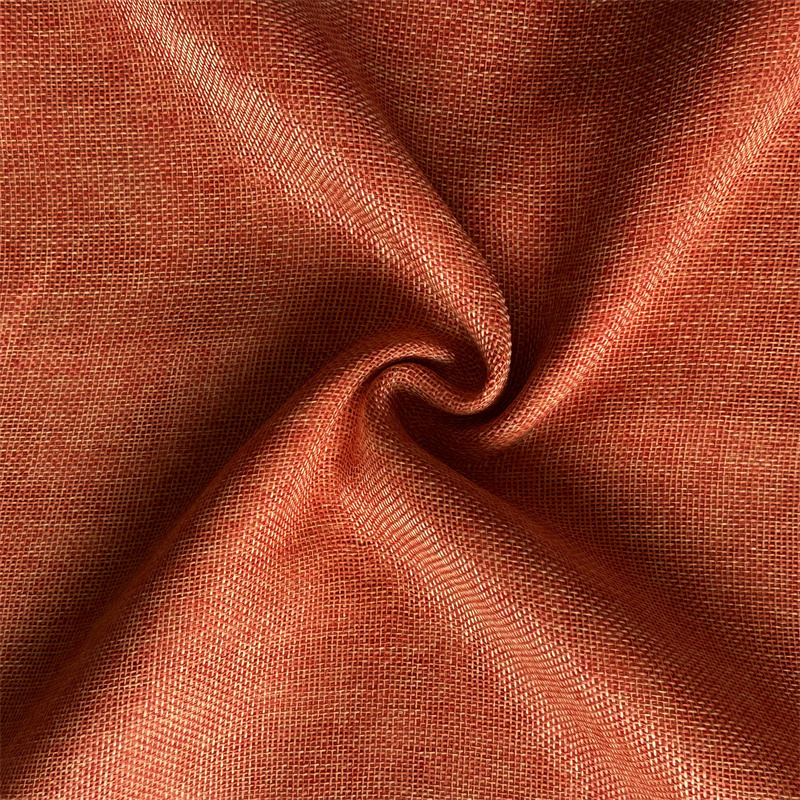
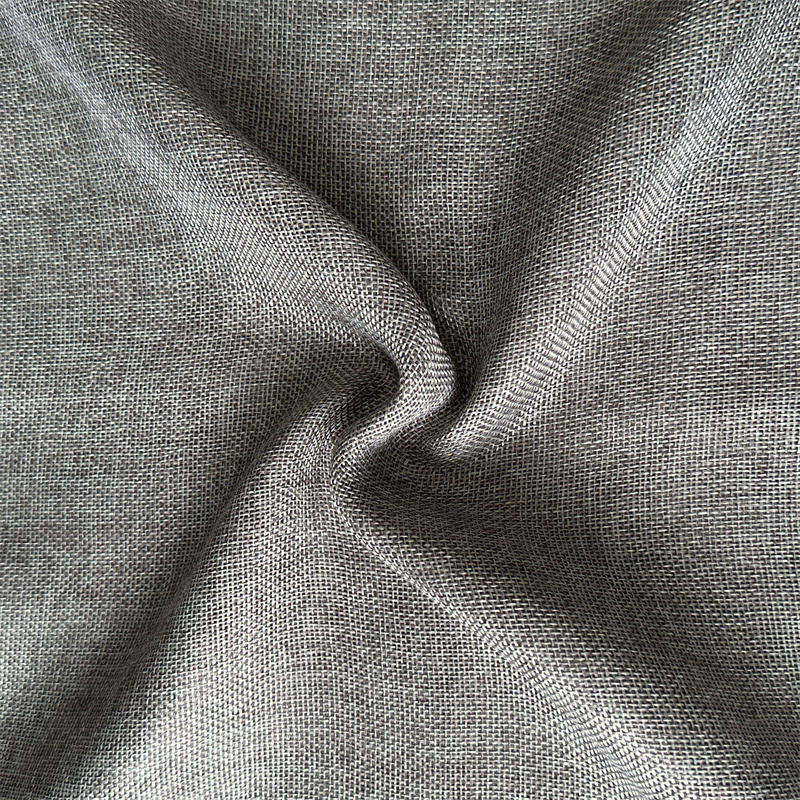
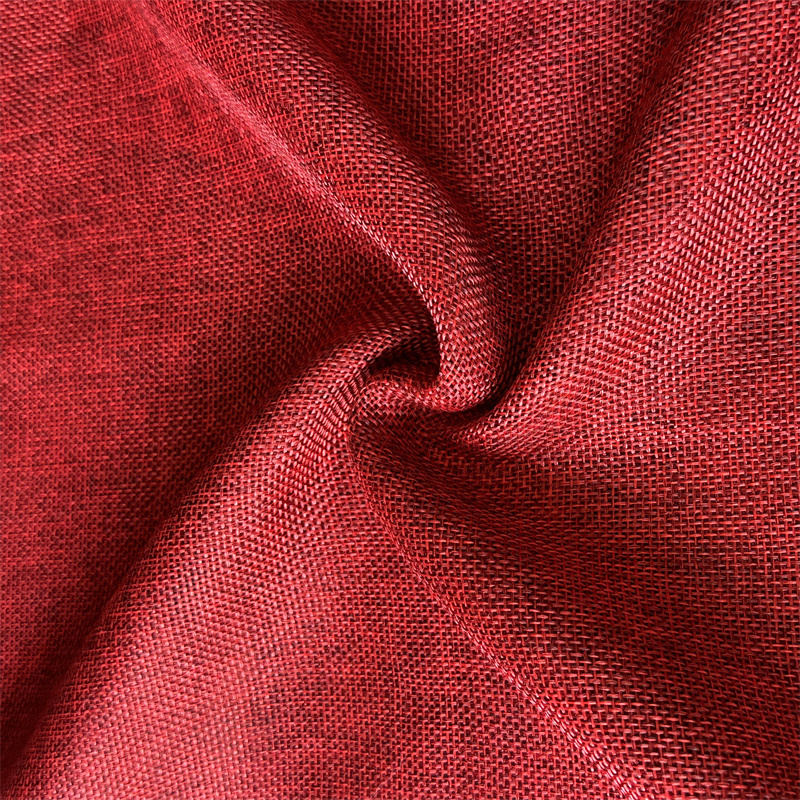
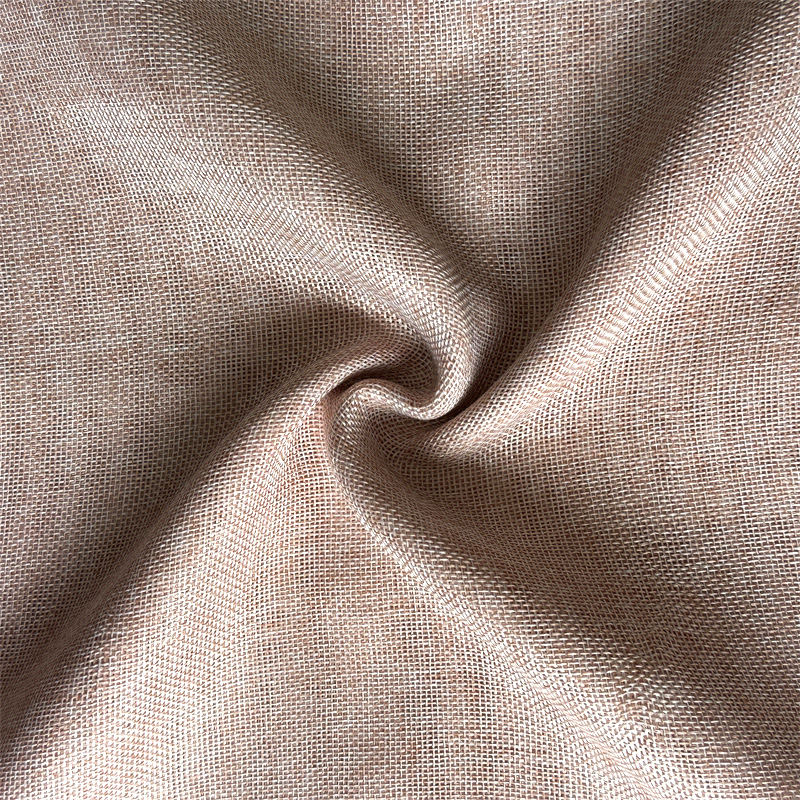
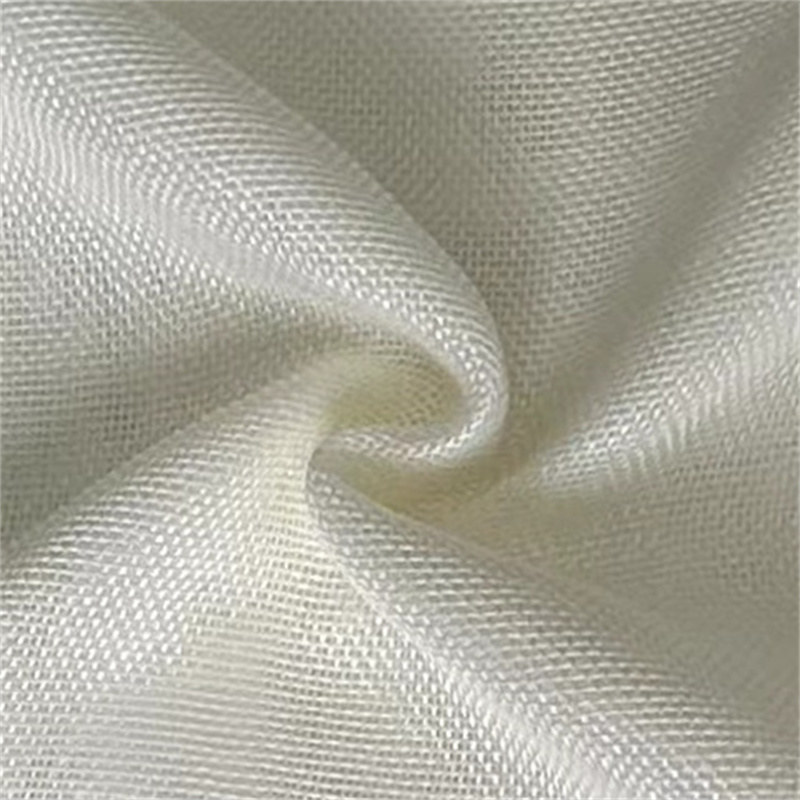
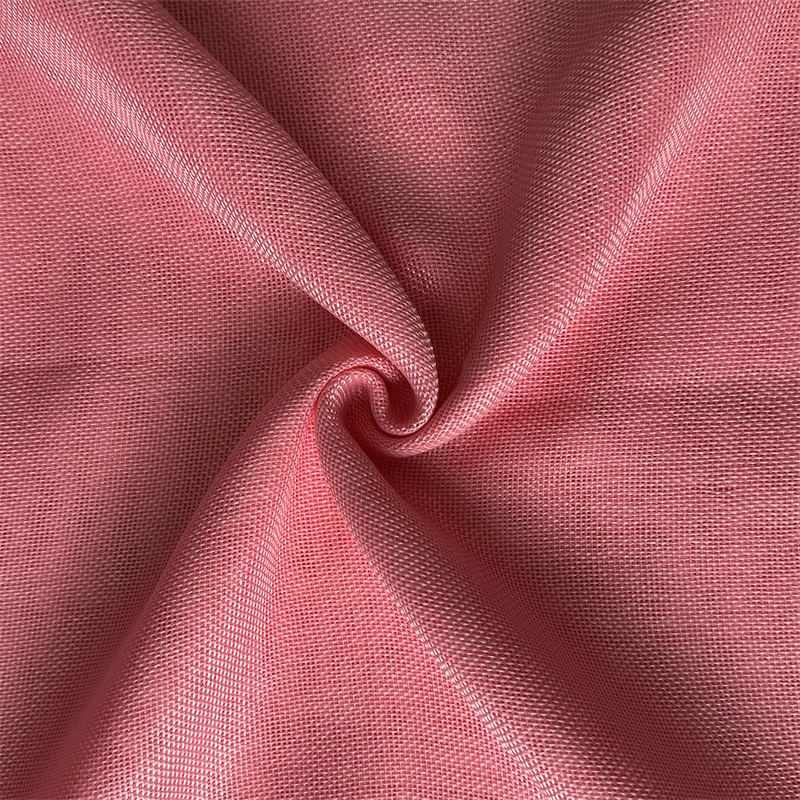
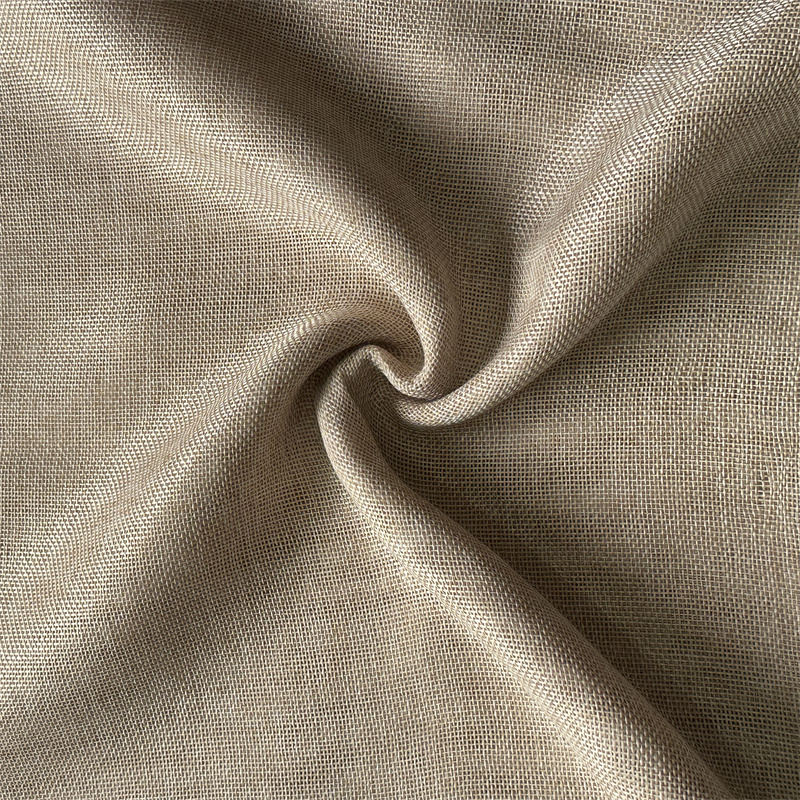
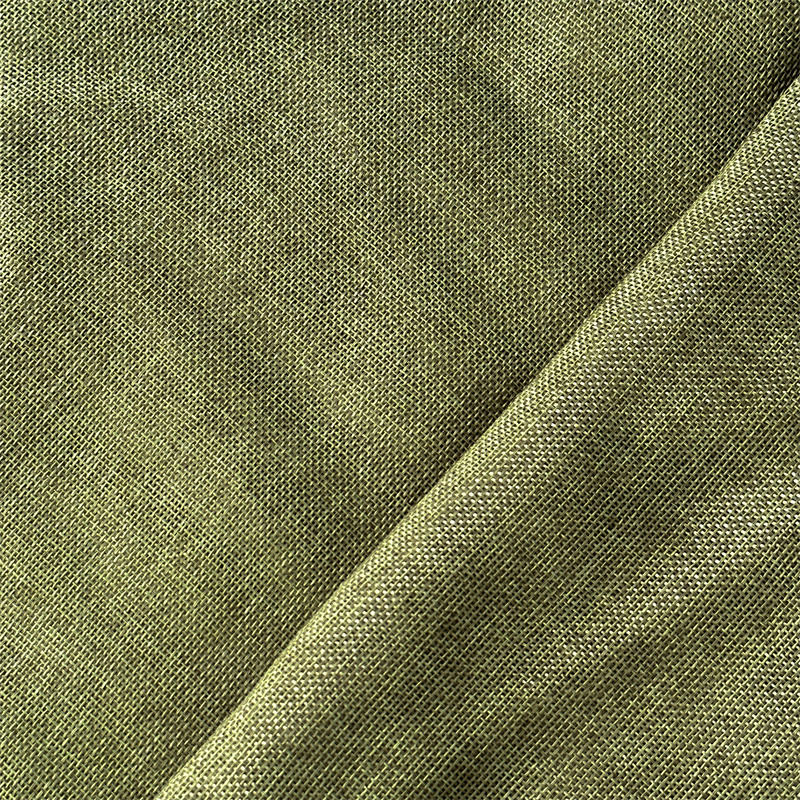
Plaid polyester linen fabric is a blended textile that combines polyester fibers with linen-look or actual linen fibers, woven in a plaid pattern using intersecting colored yarns or printed onto the fabric surface after weaving. The term "polyester linen" can refer to two distinct product types that are commonly sold under the same name, and distinguishing between them is important for setting the right expectations about performance and feel.
The first type is a true fiber blend — typically 55% linen and 45% polyester, or similar ratios — where actual flax-derived linen fibers are combined with polyester filaments during yarn spinning. The resulting fabric retains genuine linen characteristics such as visible slub texture, natural breathability, and a slightly coarse hand, while the polyester content improves dimensional stability, reduces wrinkling, and lowers the cost compared to pure linen. The second type is a 100% polyester fabric engineered to mimic the visual and textural properties of linen through yarn texture, weave structure, and surface finishing processes. This imitation linen fabric is significantly more affordable, highly consistent in quality, and easier to care for, though it lacks the genuine breathability and moisture-wicking properties of real linen fiber. Both types are widely available in plaid patterns, and both have legitimate applications depending on the project's priorities.
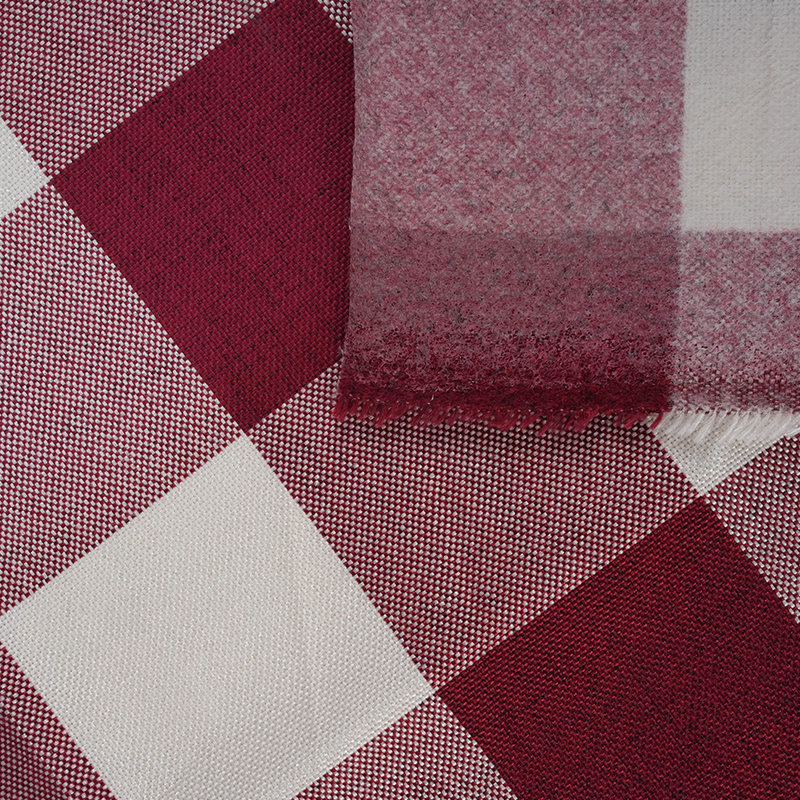
The Plaid Pattern: Woven vs. Printed and Why It Matters
Plaid polyester linen fabric is available with the pattern either woven directly into the fabric structure using differently colored warp and weft yarns, or printed onto a plain-woven base fabric using rotary screen or digital inkjet printing technology. This distinction affects not just aesthetics but practical considerations including pattern matching during cutting, durability of the color design, and the fabric's behavior on the bias.
Woven Plaid
In woven plaid, the pattern is created by interlacing colored yarns in the specific sequence that produces the characteristic grid or tartan design. Because the pattern is structural rather than applied, it appears identically on both the face and reverse of the fabric — a property called "reversibility" that some upholstery and garment applications take advantage of. Woven plaid is also more colorfast, as the dye is locked into the fiber during yarn dyeing rather than sitting on the fabric surface. The main challenge with woven plaid is pattern matching — the repeat must be carefully aligned at seams, which increases fabric consumption and requires more precise cutting planning.
Printed Plaid
Printed plaid fabric achieves its pattern through surface ink or dye application, allowing for more complex color combinations, gradient effects, and finer line widths than are practical with yarn dyeing. The pattern appears only on the face of the fabric, and the reverse shows the base fabric texture. Printed plaid is generally less expensive than woven plaid of equivalent fiber content and construction weight, and pattern repeats are easier to plan for in cutting layouts. However, print quality varies significantly between manufacturers — high-quality reactive or pigment prints resist washing and light exposure well, while lower-quality prints can crack, fade, or shift color balance after repeated laundering.
Performance Properties That Define This Fabric's Strengths
The polyester-linen blend formula behind plaid polyester linen fabric is deliberately engineered to extract the best characteristics from both fiber types while compensating for each fiber's individual weaknesses. The result is a fabric that performs reliably across a broad range of demanding applications.
- Wrinkle Resistance: Pure linen is notorious for creasing severely with even minimal compression or folding. The polyester component in a blended fabric significantly reduces this tendency — the synthetic fibers act as a structural memory element that helps the fabric recover toward its flat state after being compressed. For garments like shirts, trousers, and jackets, this makes a genuine practical difference in how presentable the item looks throughout a day of wear without ironing.
- Dimensional Stability: Linen shrinks substantially when washed, particularly before it has been pre-washed and stabilized. Polyester fibers are inherently dimensionally stable — they do not shrink or stretch when exposed to water and heat within normal laundering ranges. In a blend, the polyester content restrains the shrinkage behavior of the linen, making the fabric more predictable to work with and less prone to distorting after the first wash.
- Durability: Linen is a strong natural fiber, but repeated mechanical stress — abrasion, stretching at stress points, and frequent laundering — degrades it over time. Polyester's exceptional abrasion resistance and tensile strength extend the working life of the blended fabric considerably. Seams and high-wear zones such as elbows, seat panels, and armrests on upholstered furniture hold their integrity significantly longer in a poly-linen blend than in pure linen.
- Breathability: In true fiber-blend fabrics, the linen component contributes moisture absorption and air permeability that makes the fabric more comfortable against skin in warm conditions compared to 100% polyester. This makes blended plaid polyester linen fabric appropriate for spring and summer apparel in a way that pure polyester wovens are not, though it does not match the breathability of 100% linen or cotton.
- Print and Color Retention: Polyester accepts and retains disperse dyes with exceptional colorfastness, meaning the plaid pattern in a predominantly polyester fabric resists fading from UV exposure and washing more effectively than the same pattern on a pure natural fiber base. This is a significant advantage for applications like outdoor cushion covers, Roman blinds, and curtains that face regular sun exposure.
Primary Applications Across Apparel, Home Furnishing, and Craft
Plaid polyester linen fabric's combination of visual character and practical performance makes it genuinely multi-purpose. Its applications span fashion, interiors, and craft, with the specific weight and construction of the fabric determining where it performs best.
| Application | Recommended Weight (GSM) | Key Properties Needed |
| Shirts and Blouses | 100 – 140 GSM | Drape, breathability, wrinkle resistance |
| Trousers and Skirts | 140 – 200 GSM | Structure, durability, dimensional stability |
| Jackets and Blazers | 200 – 280 GSM | Body, abrasion resistance, pattern clarity |
| Curtains and Drapes | 150 – 220 GSM | UV resistance, drape, colorfastness |
| Cushion Covers | 180 – 260 GSM | Durability, washability, visual appeal |
| Table Runners and Placemats | 160 – 220 GSM | Stain resistance, easy care, body |
| Tote Bags and Accessories | 200 – 300 GSM | Strength, structure, print durability |
What to Check When Buying Plaid Polyester Linen Fabric
The quality range within the plaid polyester linen fabric category is wide, and price alone is not a reliable quality indicator. Evaluating the following specific factors before committing to a purchase — especially for larger projects — will help ensure the fabric performs as expected through cutting, construction, use, and laundering.
- Fiber Content Declaration: Verify whether the fabric is a genuine linen-polyester blend or a 100% polyester linen-look fabric. Both are useful, but they perform differently in terms of breathability and feel. Reputable suppliers provide fiber content certification; if a product listing does not specify fiber content clearly, the fabric is most likely 100% polyester.
- Pattern Squareness: Lay the fabric flat and check that the plaid lines run perfectly parallel to the selvage (warp direction) and perfectly perpendicular across the width (weft direction). Skewed or bowed plaid patterns — where the grid is slightly diagonal relative to the fabric grain — cannot be corrected during cutting and will result in finished garments or furnishings where the plaid appears off-level even when the construction is correct.
- Pattern Repeat Measurement: Measure the full repeat of the plaid pattern — both the horizontal and vertical repeat distances. This information is essential for calculating fabric requirements accurately, as pattern matching at seams can add 15–30% to the total yardage needed compared to a plain fabric of the same dimensions.
- Colorfastness Testing: Dampen a corner of the fabric and press it against white paper or fabric for 30 seconds to check for color bleeding. Also expose a small sample to direct sunlight for a day and compare it against an unexposed area to check UV resistance — particularly important for curtain and outdoor cushion applications.
- Hand and Drape: Hold a generous length of fabric in your hand and allow it to fall freely to assess drape. Fabric with good drape for apparel should fall in smooth, flowing folds. Upholstery-weight fabric should feel firm and hold a folded edge without collapsing. Excessive stiffness in apparel-weight fabric indicates heavy sizing treatments that will wash out, potentially changing the fabric's behavior significantly after the first launder.
Sewing and Cutting Tips for Accurate Results
Working successfully with plaid polyester linen fabric requires discipline during the cutting and layout stage that pays dividends in the quality of the finished item. The single most important rule is to cut with the grain — every pattern piece must align with the fabric's warp and weft threads, not just visually with the plaid lines. If the plaid is printed slightly off-grain, as sometimes occurs in lower-quality fabrics, you must choose between aligning with the grain or with the visual pattern. For structured garments, grain alignment should take priority; for home decor items where the visual pattern dominates, aligning with the plaid lines is often the better choice.
Use sharp fabric scissors or a rotary cutter and cutting mat for clean edges that do not drag or distort the fabric. Plaid fabrics benefit from being pinned generously before cutting to prevent the layers shifting and misaligning the pattern between layers. For machine sewing, use a universal or sharp needle in size 80/12 for lighter weights and 90/14 for medium to heavyweight constructions. A walking foot presser foot is invaluable when sewing plaid seams that need to be precisely matched — it feeds the top and bottom layers of fabric at an equal rate, preventing the common problem of one layer creeping forward relative to the other during stitching. Pre-washing the fabric before cutting, particularly for any true linen-blend content, is essential to pre-shrink the fabric and prevent seam puckering or size distortion after the finished item is first laundered.
Care Instructions to Preserve Color and Structure
Plaid polyester linen fabric is generally straightforward to care for, but observing a few key guidelines ensures the plaid pattern stays sharp, colors remain vibrant, and the fabric retains its structure through repeated use and laundering. Machine wash at 30°C to 40°C on a gentle cycle using a mild liquid detergent. Avoid biological detergents with enzyme formulations for true linen-blend fabrics, as enzymes degrade natural cellulose fibers including linen over repeated wash cycles, progressively weakening the fabric's structure.
Wash dark or strongly colored plaid fabrics separately for the first two or three washes until any residual unfixed dye is fully removed and color bleeding ceases. Tumble dry on a low heat setting or line dry away from direct sunlight — prolonged sun exposure during drying fades even UV-stabilized fabrics over repeated cycles. Iron on a medium setting with steam while slightly damp for best results on true linen blends, pressing from the reverse side to avoid flattening any surface texture. For purely polyester linen-look fabric, reduce the iron temperature to the synthetic setting to prevent fiber glazing. With consistent care, quality plaid polyester linen fabric maintains its pattern clarity, color depth, and structural integrity through years of regular use, making it a sound and rewarding material investment for any project.